Foundation Repair Guide: Spot Problems and Fix Them
When the floor feels uneven or you see cracks on the walls, the foundation might be sending a warning. Ignoring those signs can lead to costly damage, so it’s best to act fast. Below you’ll find the most common clues, why they happen, and practical steps you can take to repair or prevent further issues.
Common Signs of Foundation Trouble
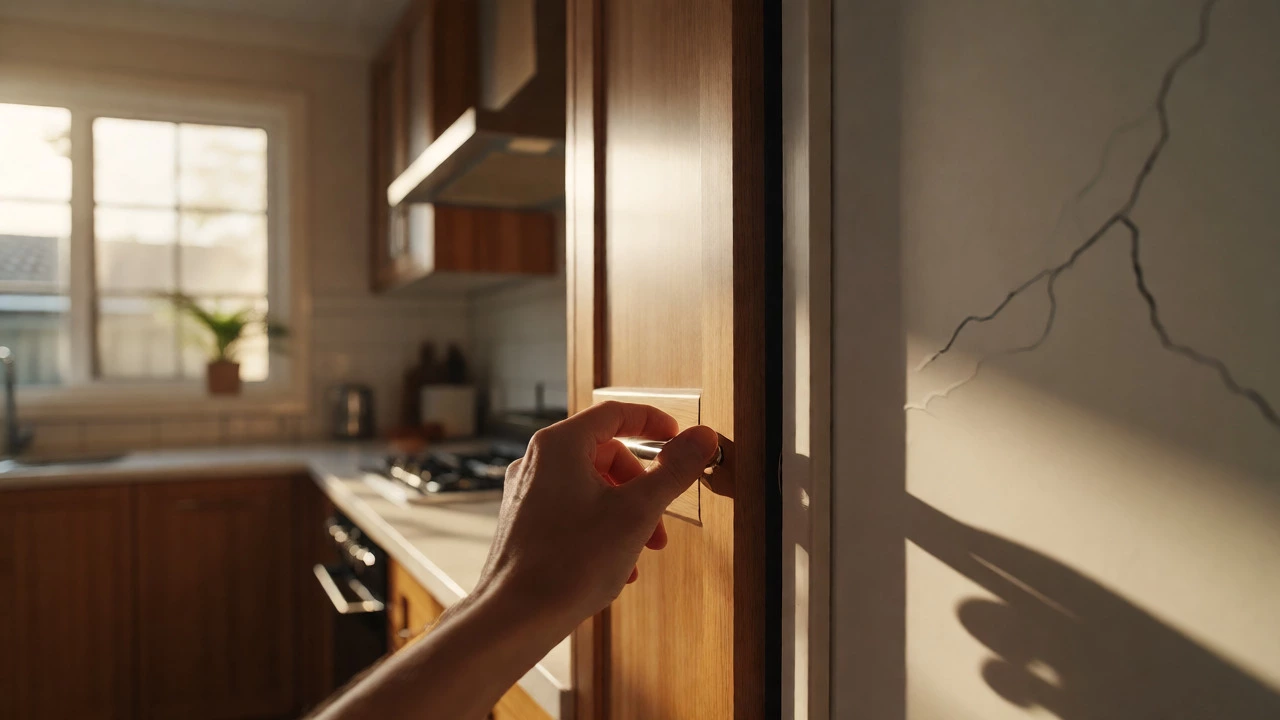
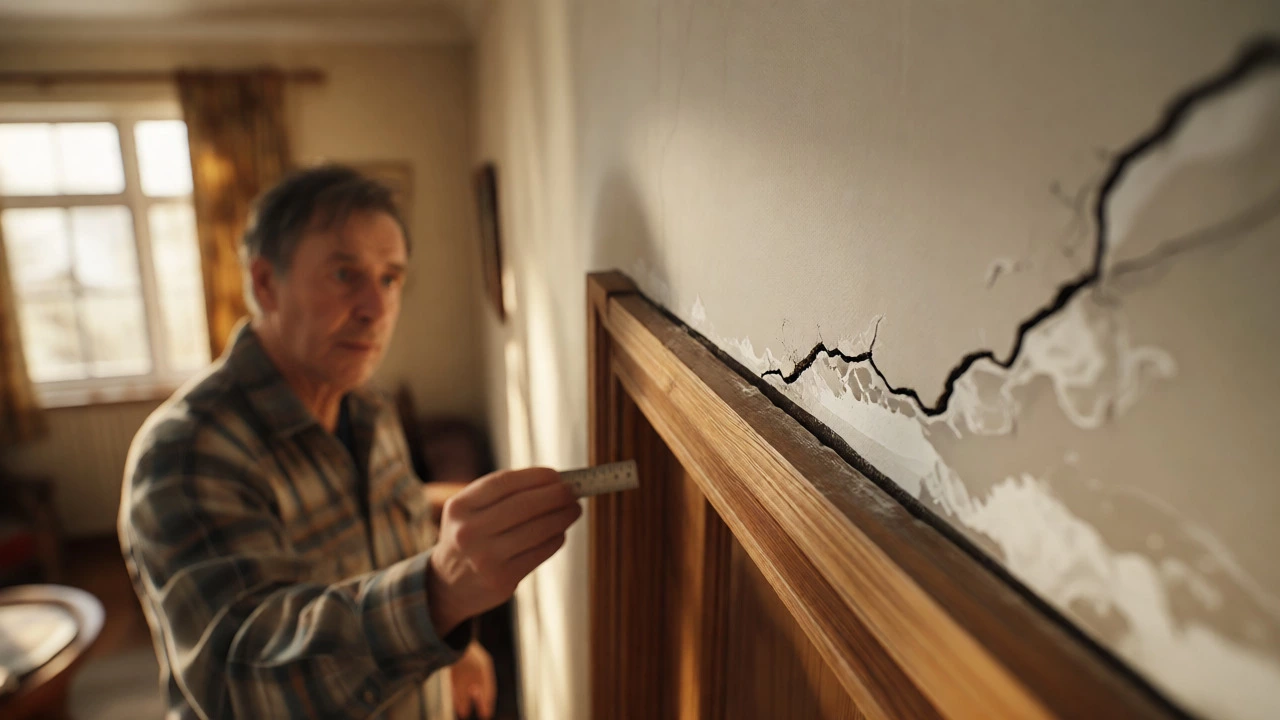
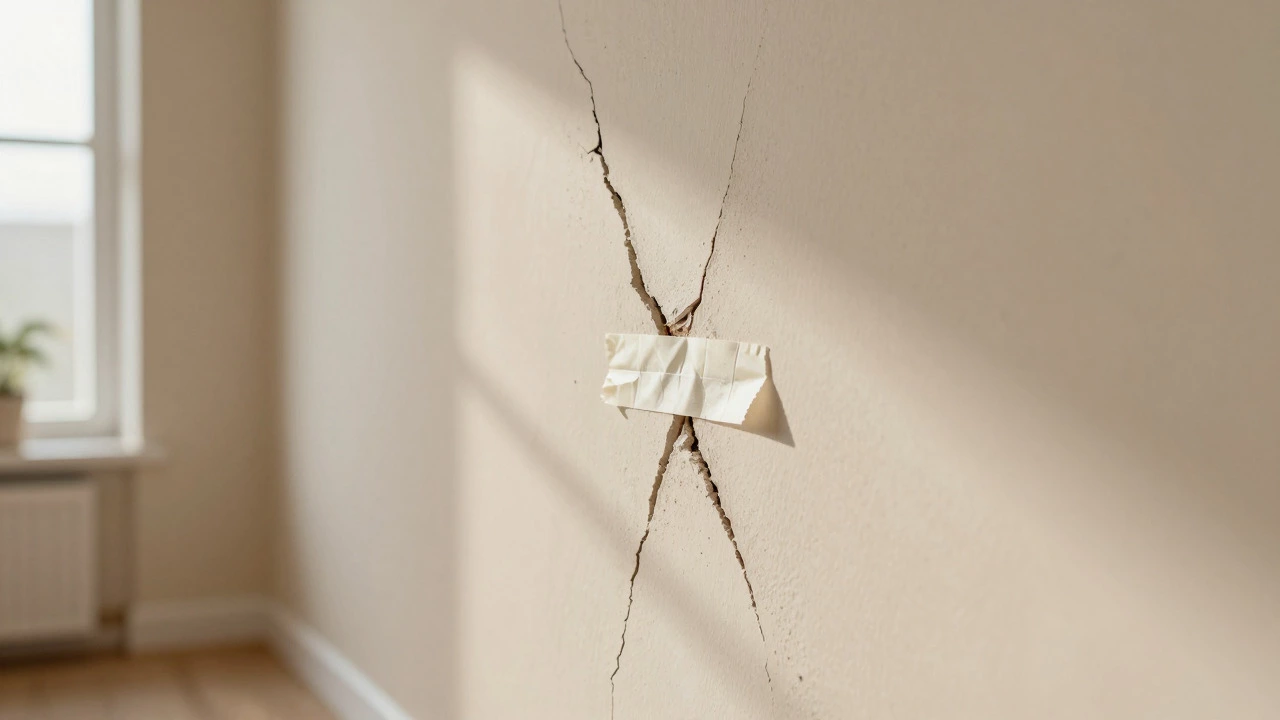
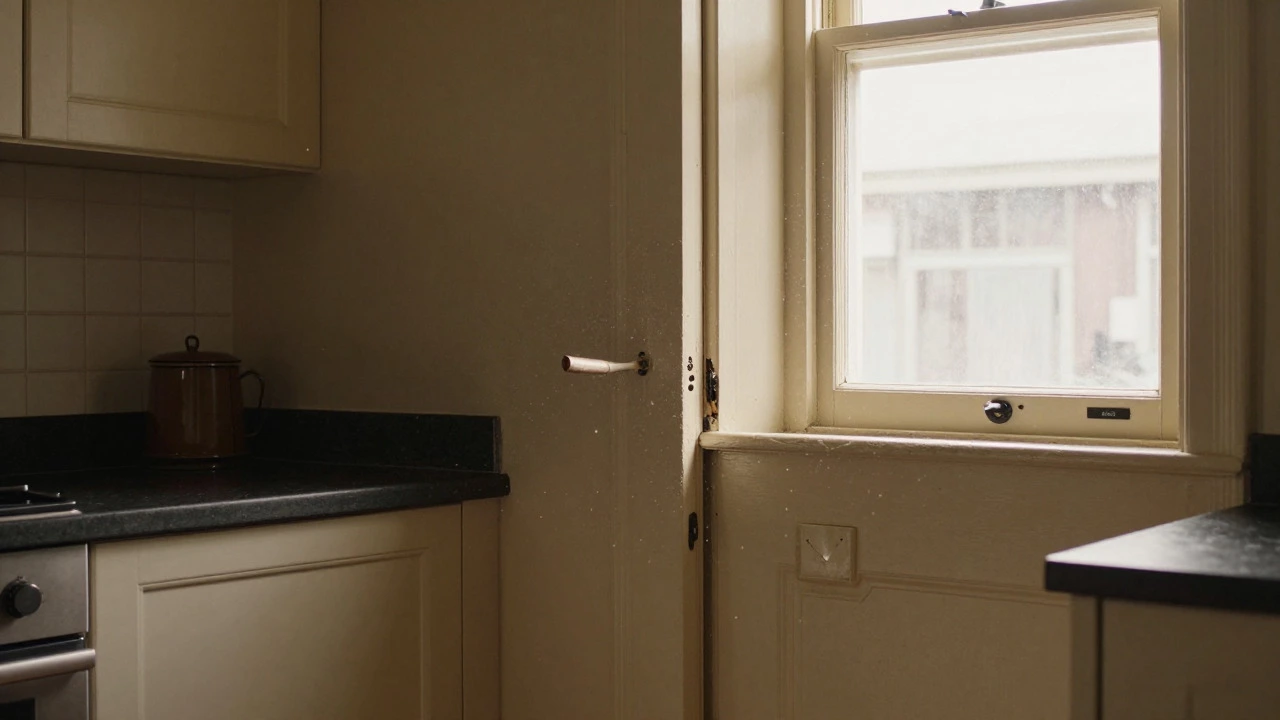
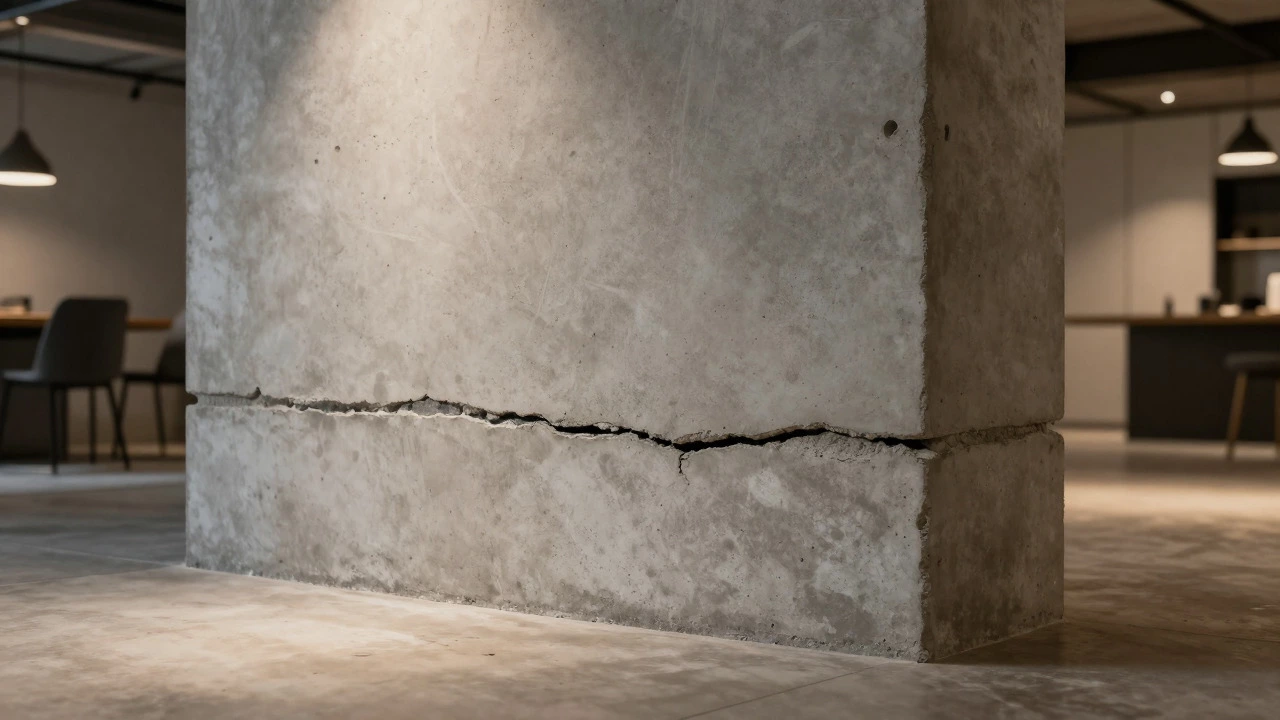
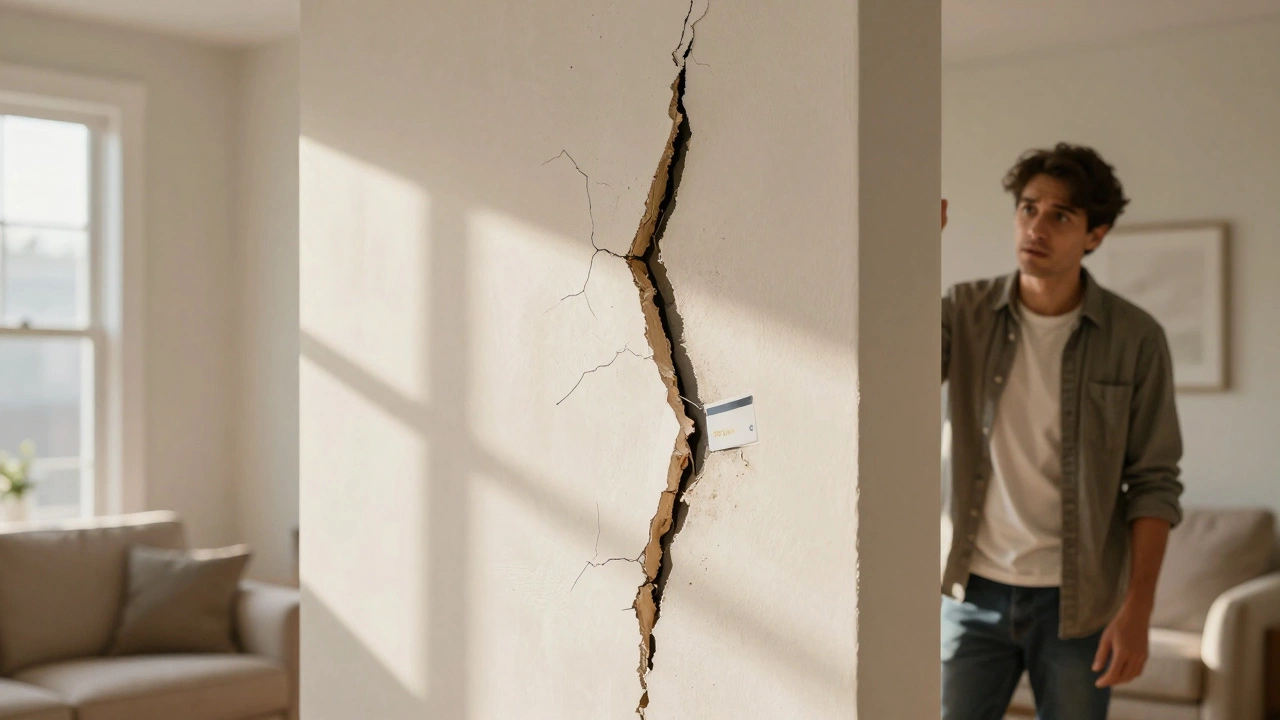
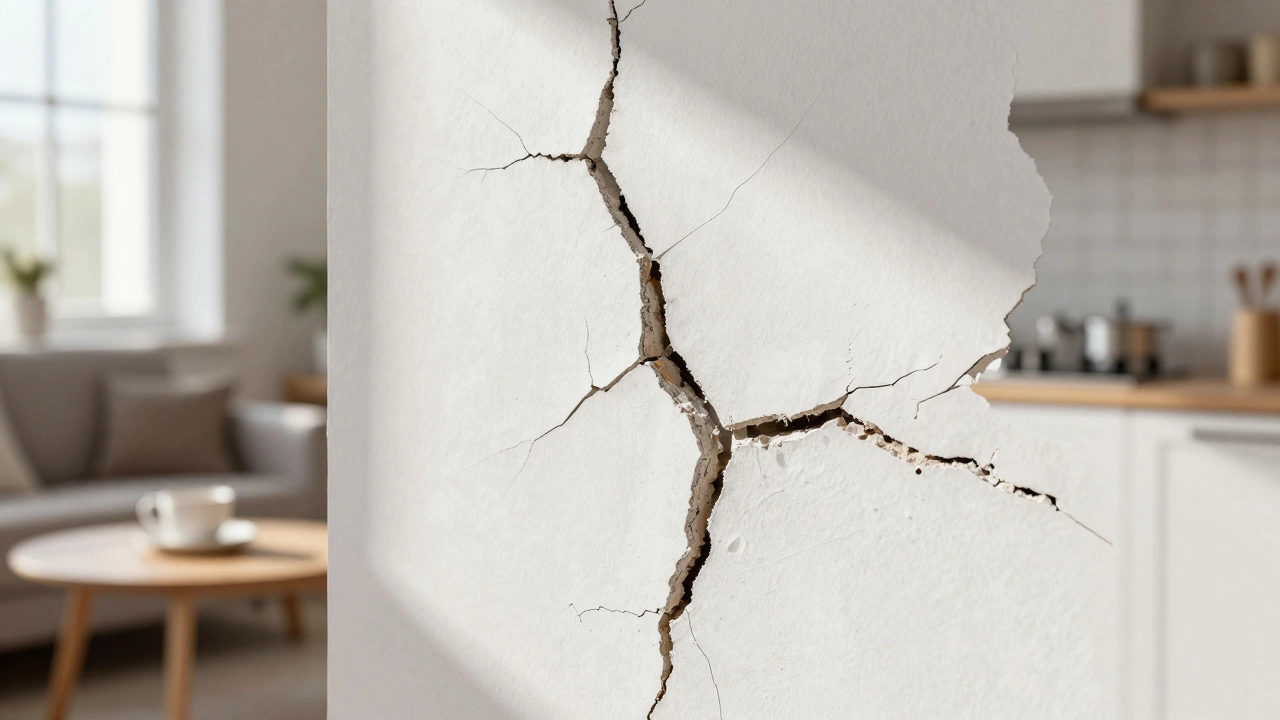
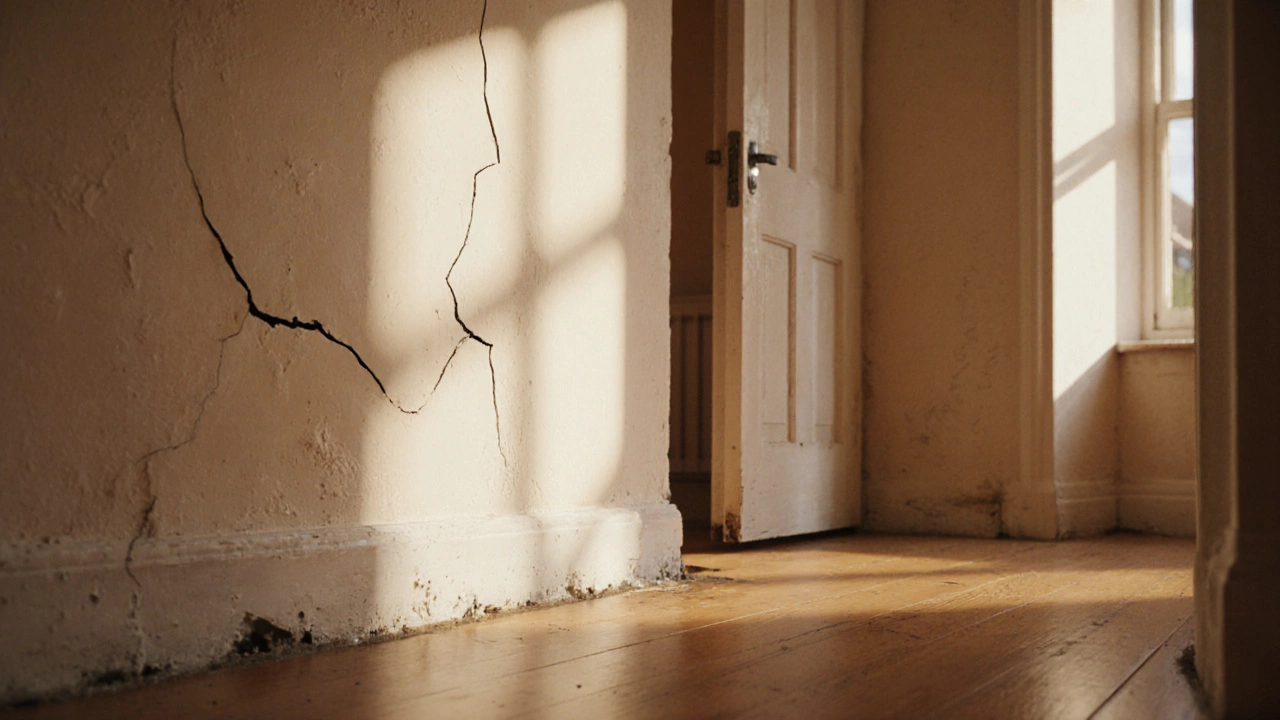
First, look for cracks that are wider than a hairline. Horizontal cracks in basement walls or vertical cracks that run straight from floor to ceiling often point to movement in the soil underneath. Sticking doors and windows are another red flag – if they won’t close properly, the frame may be shifting.
Uneven floors are a tell‑tale sign too. If you can roll a ball across the floor and it veers to one side, the slab is likely uneven. In older homes, you might also notice gaps between walls and ceilings, especially after a heavy rain. These gaps usually appear because the ground swells or shrinks, pulling the walls apart.
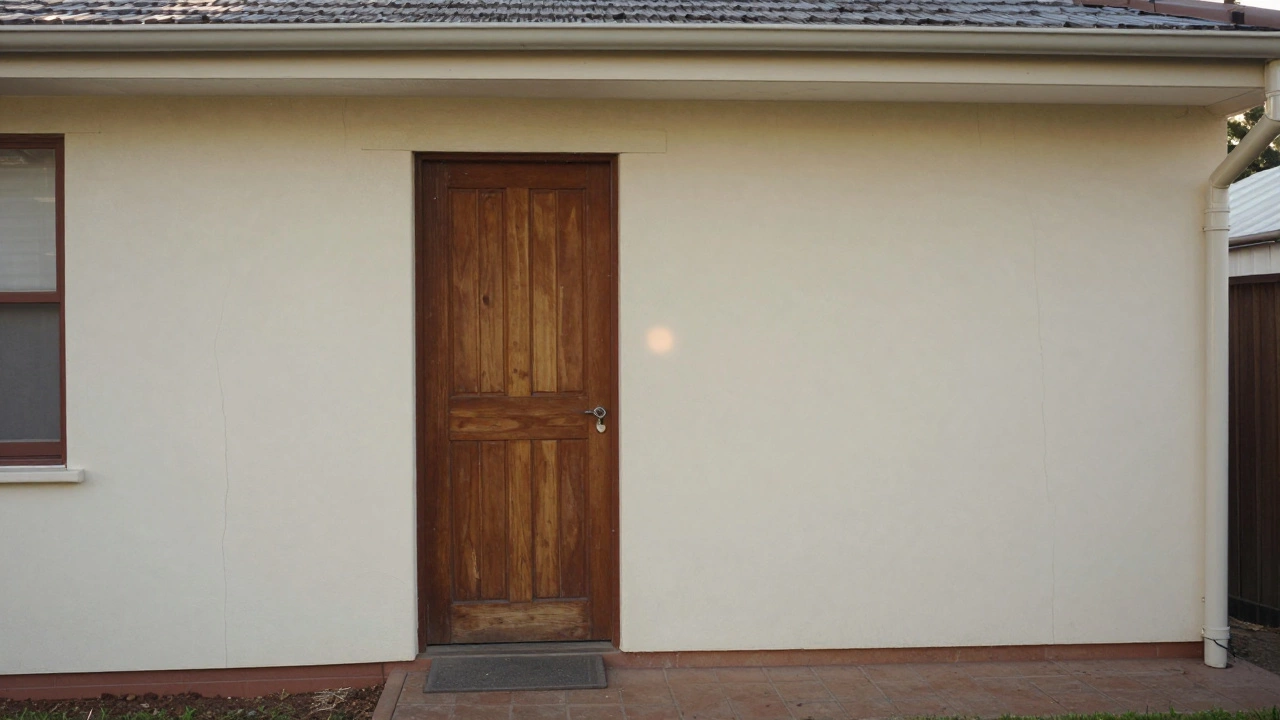
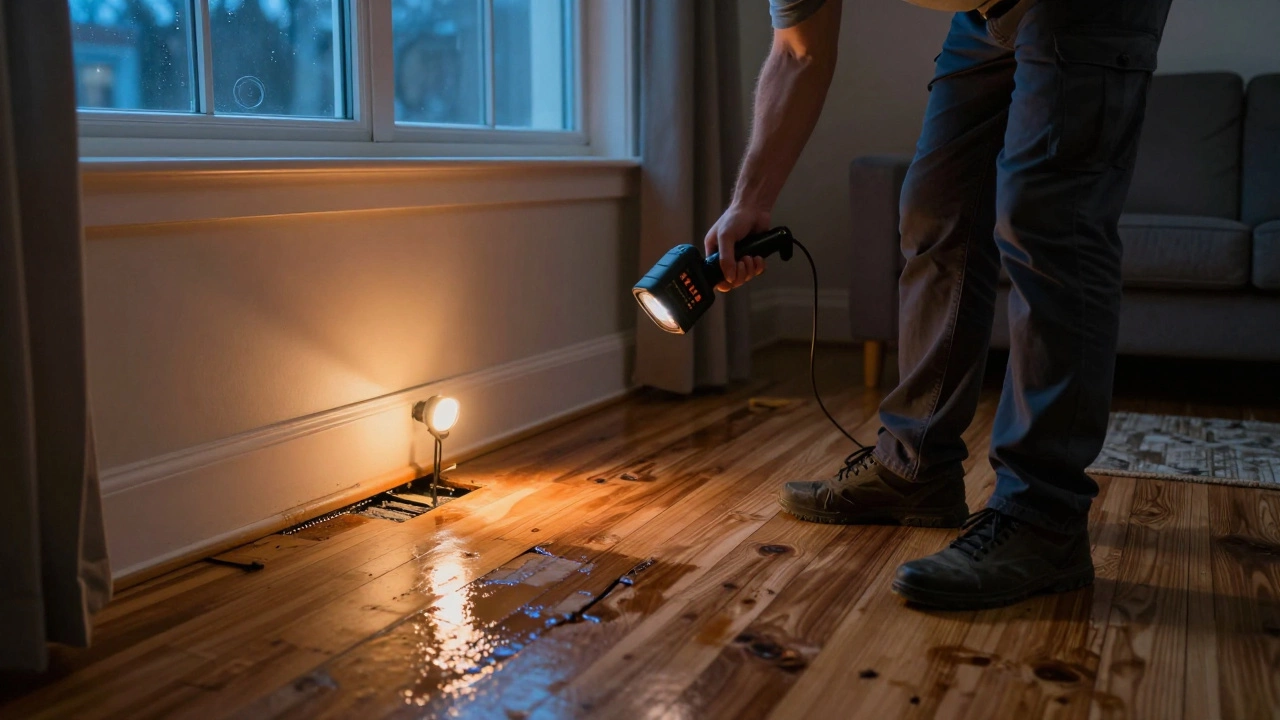
Don’t forget exterior clues. Piling soil against the house, water pooling near the foundation, or a lingering musty smell in the basement can all point to moisture problems that aggravate foundation movement.
Choosing the Right Repair Approach
Once you’ve identified the issue, the next step is deciding how to fix it. The simplest repairs involve sealing cracks with epoxy or polyurethane fillers. This works well for small, non‑structural cracks and helps keep water out.
For larger or structural cracks, you’ll need a more robust solution. Carbon fiber straps or steel piers can be installed on the inside or outside of the foundation to hold it steady. Inside repairs involve attaching the straps to the wall and tightening them, while outside repairs use concrete or steel piers driven deep into stable soil.
If the problem is caused by shifting soil, a drainage system might be the missing piece. French drains, sump pumps, and proper grading can redirect water away from the foundation, reducing pressure on the walls.
When you’re unsure which method fits your situation, a professional inspection can save time and money. A qualified engineer will measure the movement, recommend the right materials, and give a clear cost estimate. This avoids DIY fixes that might not hold up over time.
Remember, regular maintenance helps prevent most foundation headaches. Keep gutters clean, steer downspouts away from the house, and watch for signs of settling after heavy rain. A little vigilance now can save you from a big repair bill later.
In short, foundation repair isn’t a mystery. Spot the cracks, understand why they appear, and pick the repair method that matches the severity. With the right steps, your home will stay level, safe, and comfortable for years to come.