Foundation Settling Assessment Tool
This tool helps you determine if your home's foundation movement is normal settling or a potential problem. Based on Melbourne-specific guidelines from the Building Code of Australia and Australian Building Codes Board.
When you notice a new crack in your plaster, a door that sticks, or floors that slope slightly, it’s natural to panic. Is your house sinking? Is your foundation failing? The short answer: foundation settling is often normal - but not always. Understanding the difference between harmless settling and dangerous movement can save you thousands - and maybe even your home.
What Is Foundation Settling?
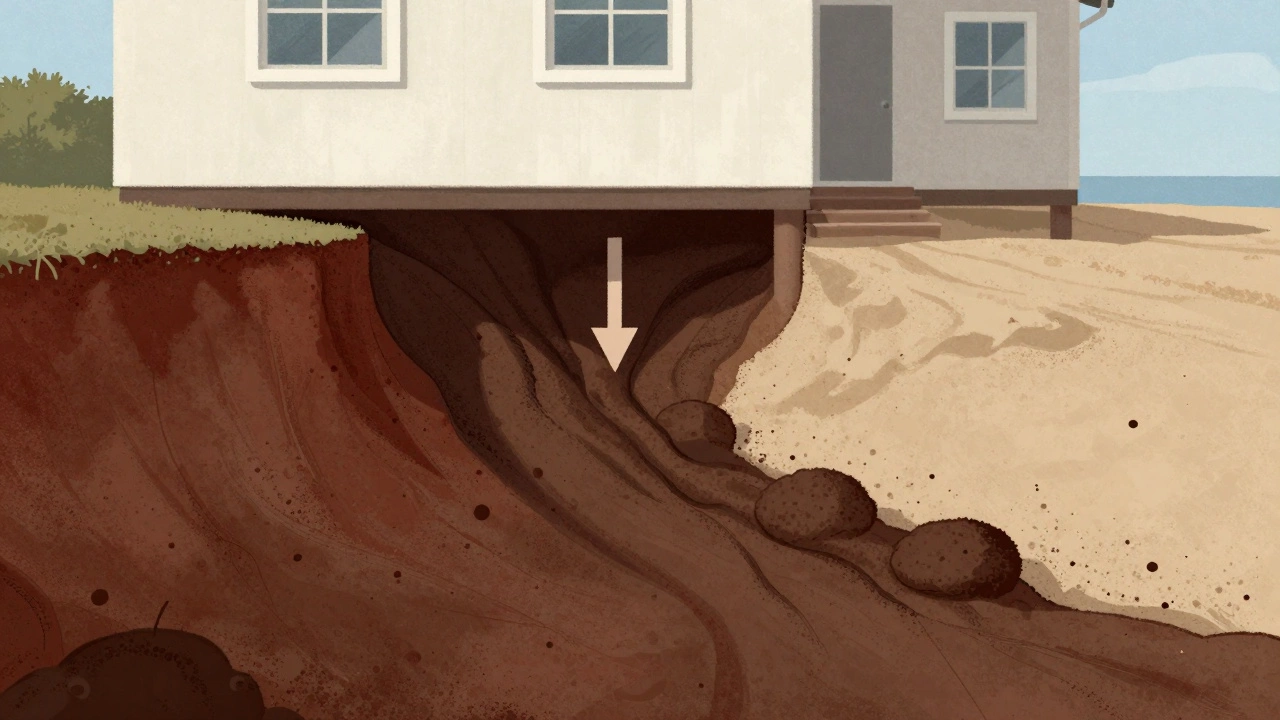
Foundation settling is the gradual downward movement of a home’s base into the soil beneath it. It happens because no soil is perfectly solid. Even well-compacted ground shifts slightly over time due to weight, moisture changes, temperature swings, and natural soil compression. In Melbourne, where soils range from clay-rich black earth to sandy loam near the coast, this movement is common - especially in older homes built before 1980.
Most houses settle in their first 5 to 10 years after construction. The movement is usually slow - less than 10 millimetres per year - and happens evenly across the structure. That’s why you might see hairline cracks in drywall or minor sticking doors, but no major structural damage.
Signs of Normal Settling
Not all cracks or unevenness mean trouble. Here’s what typical, harmless settling looks like:
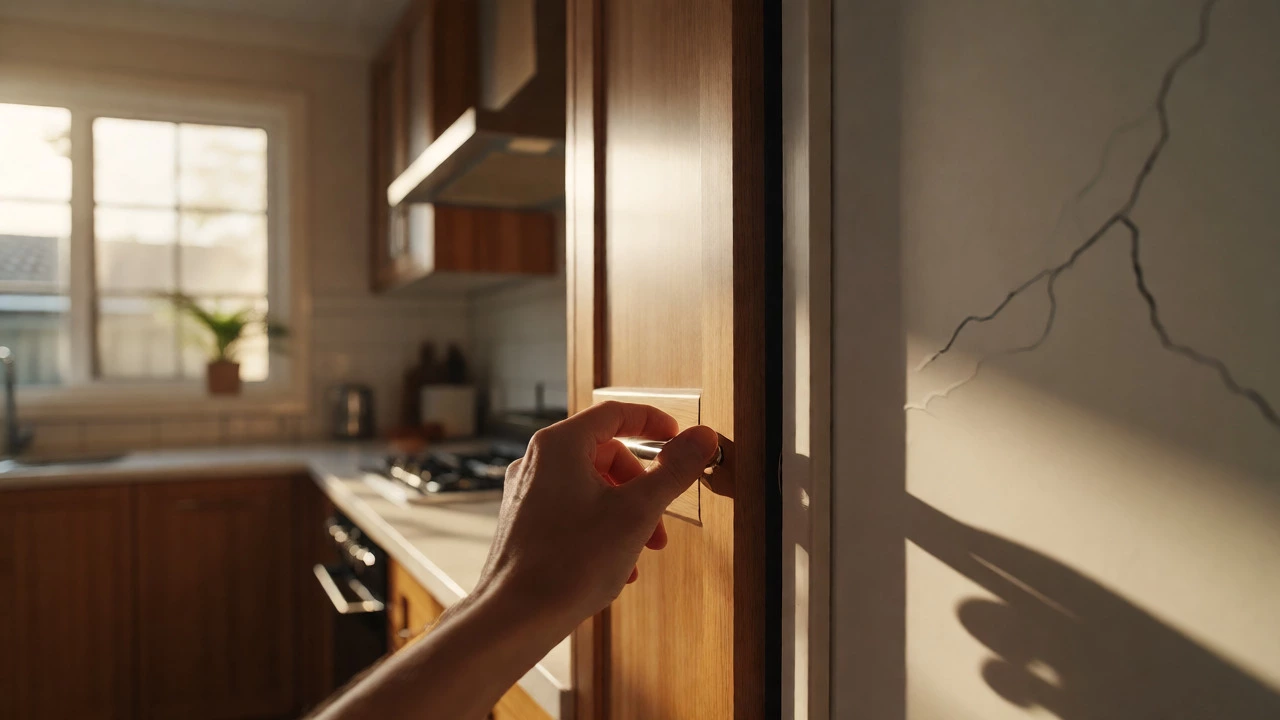
- Vertical hairline cracks in plaster or drywall, less than 1mm wide
- Doors or windows that stick slightly, especially in winter or after heavy rain
- Small gaps between skirting boards and floors
- Uneven floors that slope less than 1 degree (about 15mm over 3 metres)
- Crack patterns that are straight, not jagged or stair-stepped
These signs usually appear in the first few years after building and don’t worsen over time. In fact, many Melbourne homes built in the 1950s to 1980s still have these minor imperfections - and they’re perfectly safe.
When Settling Becomes a Problem
Not all movement is normal. If your home shows these signs, you’re likely dealing with uneven or excessive settling - which can lead to serious structural issues:
- Cracks wider than 5mm, especially if they’re widening over months
- Stair-step cracks in brickwork or concrete blocks (a classic sign of differential settlement)
- Floors sloping more than 15mm over 3 metres - enough to roll a marble
- Doors that won’t close at all, or windows that crack around the frame
- Separation between walls and ceilings, or walls pulling away from each other
- Cracks that appear suddenly after heavy rain, drought, or nearby excavation
In Melbourne, these problems often show up in homes built on expansive clay soils. When clay gets wet, it swells. When it dries, it shrinks. This repeated cycle puts uneven pressure on foundations. Older homes with shallow footings or poor drainage are especially vulnerable.
Why Melbourne’s Soil Makes a Difference
Soil type is the biggest factor in whether your house settles harmlessly or dangerously. Melbourne’s geology varies wildly:
- Black earth (clay) - common in the north and west - swells dramatically when wet, then cracks and shrinks in dry spells. This causes the most foundation movement.
- Sandy soils - near the coast - drain quickly and settle evenly. Homes here rarely have major issues.
- Fill soil - used in older subdivisions - can compress unevenly if not properly compacted.
A 2023 report from the Building Code of Australia found that 78% of foundation repairs in Victoria were linked to clay soil expansion. That’s why homes in suburbs like Broadmeadows, Craigieburn, and Dandenong see more issues than those in Frankston or Sandringham.
What to Do If You Notice Movement
Don’t wait. Don’t ignore it. Don’t assume it’s "just the house settling."
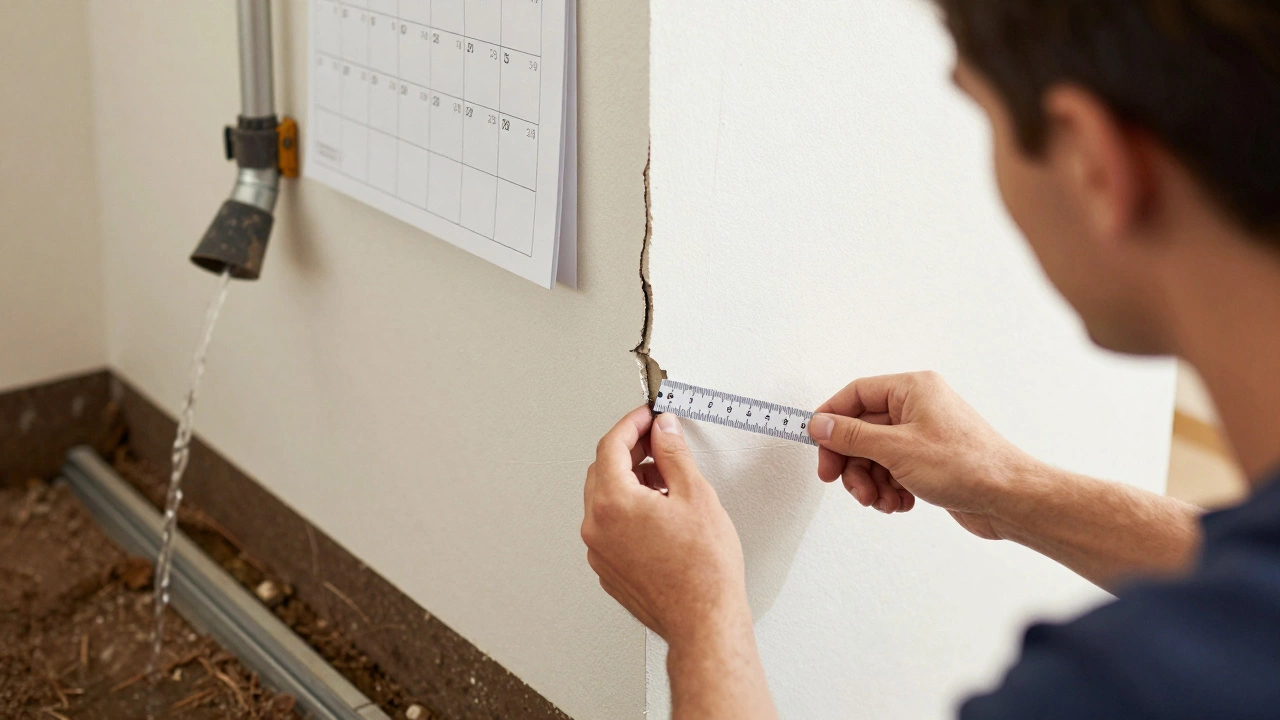
- Measure the crack. Use a ruler. If it’s wider than a credit card (about 3mm), take photos and monitor it weekly.
- Check drainage. Are gutters clogged? Is water pooling near the foundation? Fixing downspouts and adding slope away from the house often stops further movement.
- Monitor over time. Mark the crack with tape and note its width every month. If it grows, call a structural engineer.
- Get a professional inspection. A certified structural engineer (not just a handyman) can use a laser level, crack gauge, and soil test to determine if the movement is active or stable.
Most homeowners wait too long. The average time between noticing the first crack and calling for help is 18 months. By then, repairs can cost 3 to 5 times more.
Repair Options - What Actually Works
Not every settlement issue needs a full foundation rebuild. Here are the most common, proven fixes:
- Slab jacking or polyurethane injection: Injecting foam under sunken slabs to lift them back into place. Works fast, costs $2,000-$6,000 per section.
- Underpinning: Extending the foundation deeper into stable soil. Used for severe cases. Costs $15,000-$40,000 depending on house size.
- Drainage correction: Installing French drains, regrading soil, or fixing gutters. Often solves the root cause for under $2,000.
- Crack sealing and reinforcement: For minor cracks, epoxy injection and fibre mesh can prevent water damage and further widening.
Most repairs don’t require you to move out. And many are covered by home insurance if caused by sudden events like burst pipes or flooding - but not if it’s slow, gradual settling from soil type.
Prevention: What You Can Do Today
Preventing foundation problems is cheaper than fixing them. Here’s what works:
- Keep gutters clean - especially before winter rains
- Ensure downspouts extend at least 1.5 metres from the house
- Water your garden evenly during dry spells - don’t let clay soil dry out completely
- Don’t plant large trees within 3 metres of the house - their roots suck moisture from the soil
- Get a soil report before buying a home - especially if it’s on a steep block or old subdivision
These simple steps cut foundation repair risk by over 60%, according to a 2024 survey of 800 Melbourne homeowners by the Australian Building Codes Board.
Final Reality Check
Yes, some foundation settling is normal. But "normal" doesn’t mean "ignore it." The key is spotting the difference between slow, even movement and fast, uneven sinking. Most homes in Melbourne will settle a little. But if your house is showing signs of distress - cracks, slopes, sticking doors - don’t wait for it to get worse.
Take action early. Measure. Monitor. Call a professional. Your foundation doesn’t scream - it whispers. And if you don’t listen, it might not whisper again.
Is it normal for a 15-year-old house to have cracks in the walls?
Yes, minor cracks in a 15-year-old house are usually normal, especially if they’re thin, vertical, and haven’t grown over the past year. Most homes settle within the first decade. If the cracks are wider than 5mm, jagged, or spreading, it’s time to get them inspected.
Can foundation settling cause my floors to slope?
Yes, uneven foundation settling can cause floors to slope. A slope of less than 15mm over 3 metres is typical and not dangerous. But if you can roll a marble across the floor - or if the slope is getting worse - that’s a sign of active movement. Get a level test done by a structural engineer.
Will fixing gutters stop my foundation from settling?
Not always, but it can stop further damage. Most foundation movement in Melbourne is caused by soil moisture changes. If water is pooling near your footings, fixing gutters and redirecting runoff can halt the problem. But if the soil has already shifted significantly, you’ll need structural repairs too.
How much does foundation repair cost in Melbourne?
Costs vary widely. Minor slab jacking: $2,000-$6,000. Underpinning a whole house: $15,000-$40,000. Drainage fixes: $1,000-$3,000. The price depends on soil type, house size, and how much movement has occurred. Getting multiple quotes is essential - and always choose a company with a structural engineer on staff.
Does home insurance cover foundation settling?
Generally, no. Most policies exclude gradual settling, soil shrinkage, or poor drainage. But if a sudden event like a burst pipe or flood caused the damage, you may be covered. Always check your policy wording - and keep records of any moisture issues before they become structural.