Commercial Construction: What You Need to Know
Thinking about building an office, a shop or a warehouse? Most people mix up commercial and residential projects, but the rules, budgets and timelines are totally different. In this guide we break down the essentials so you can plan smarter, avoid nasty surprises and keep the money flowing.
Main Types of Commercial Construction
Commercial construction isn’t a one‑size‑fits‑all game. Broadly it falls into four categories:
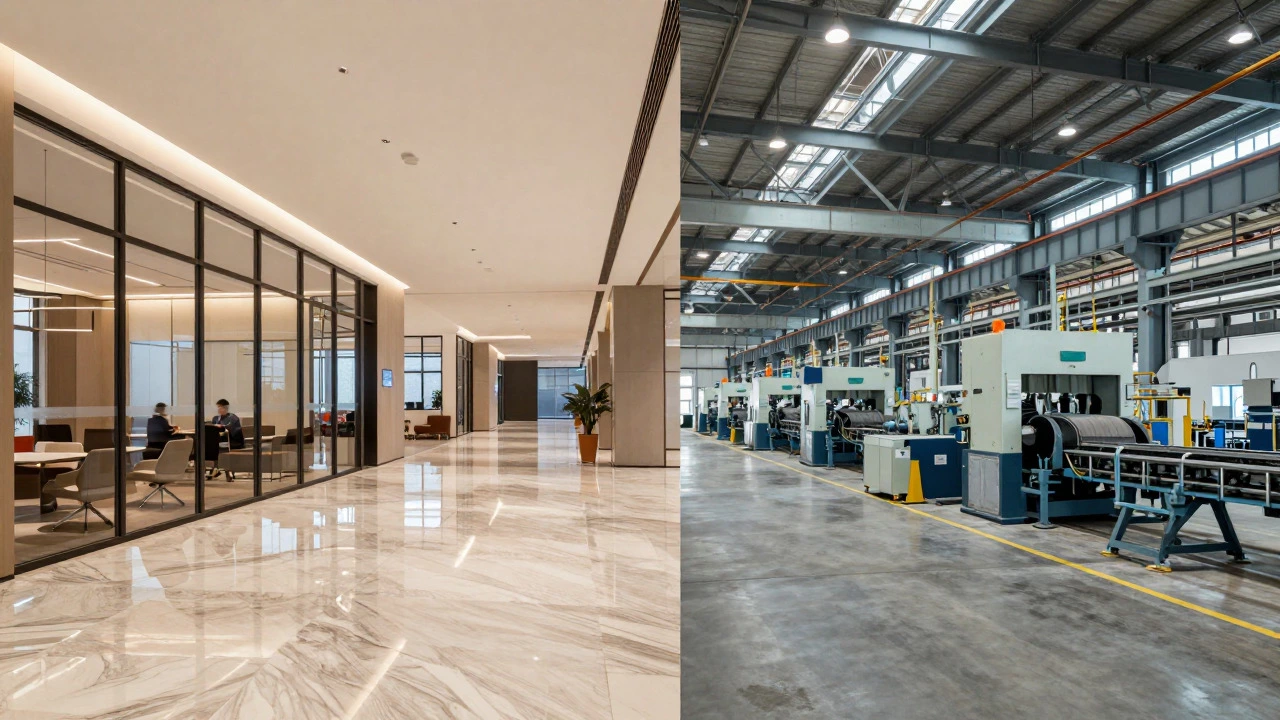
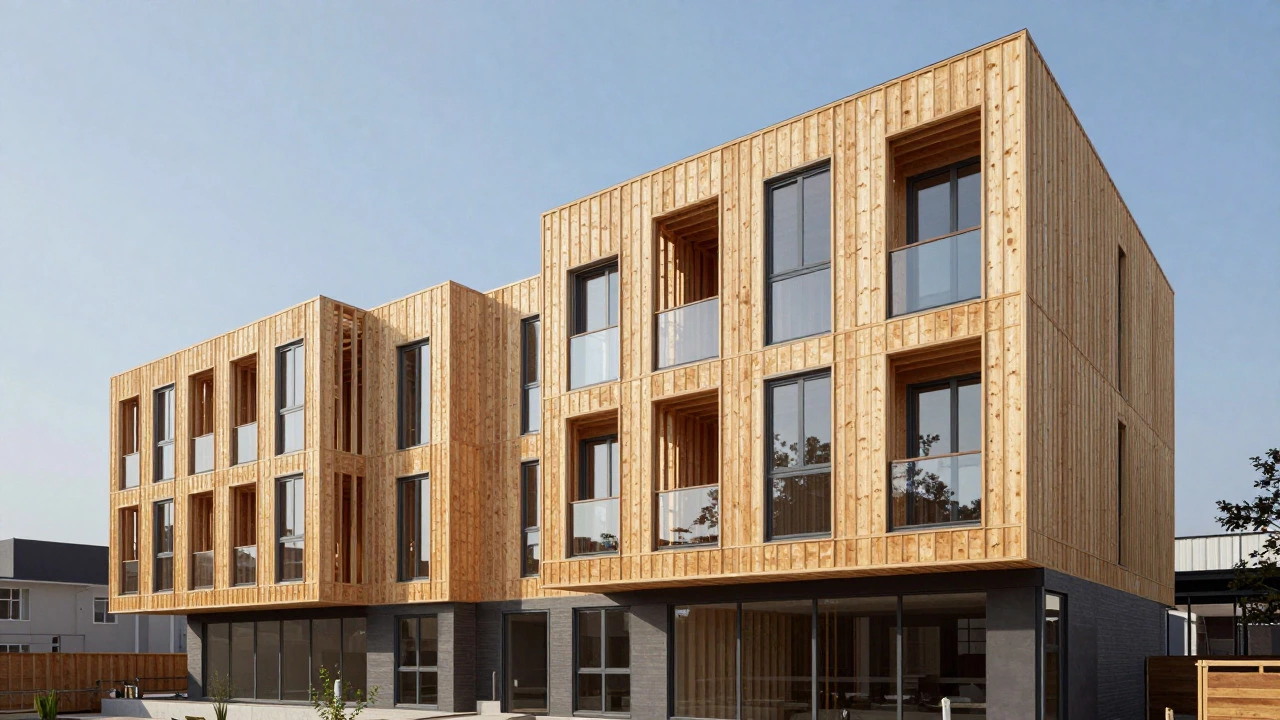
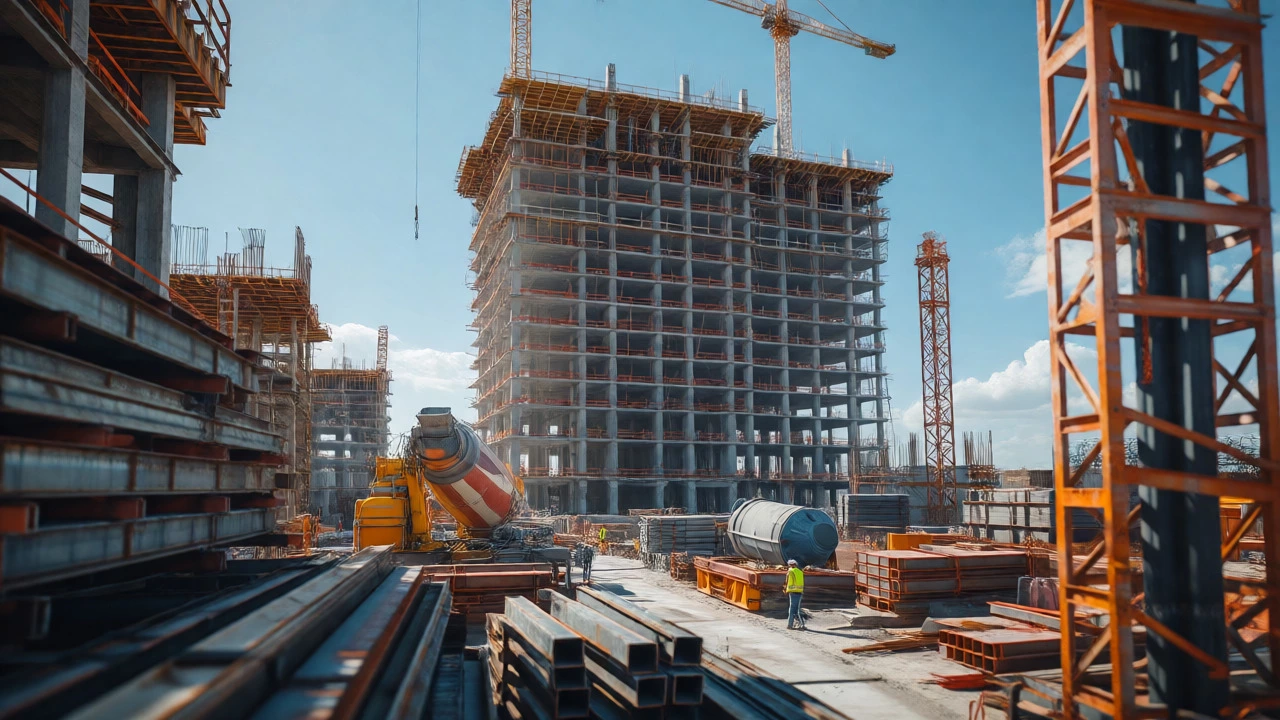
- Office buildings – From high‑rise towers to small co‑working spaces, these projects focus on flexible layouts, HVAC efficiency and modern tech.
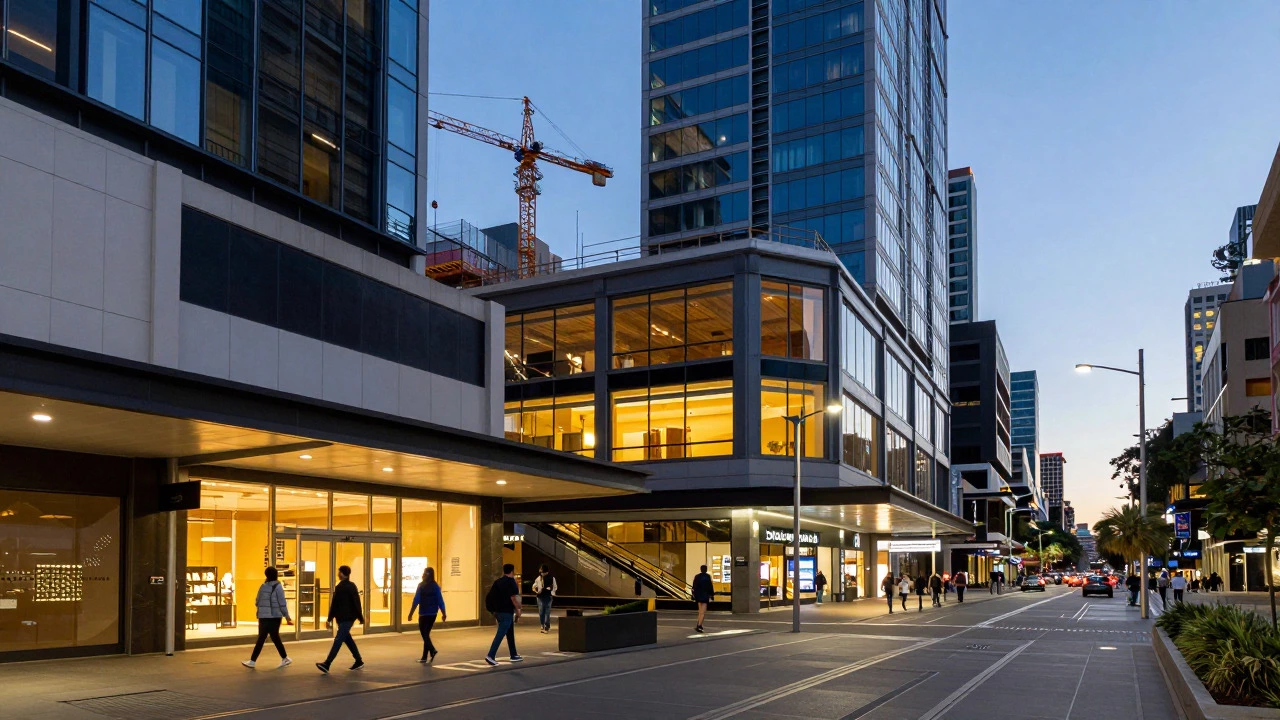
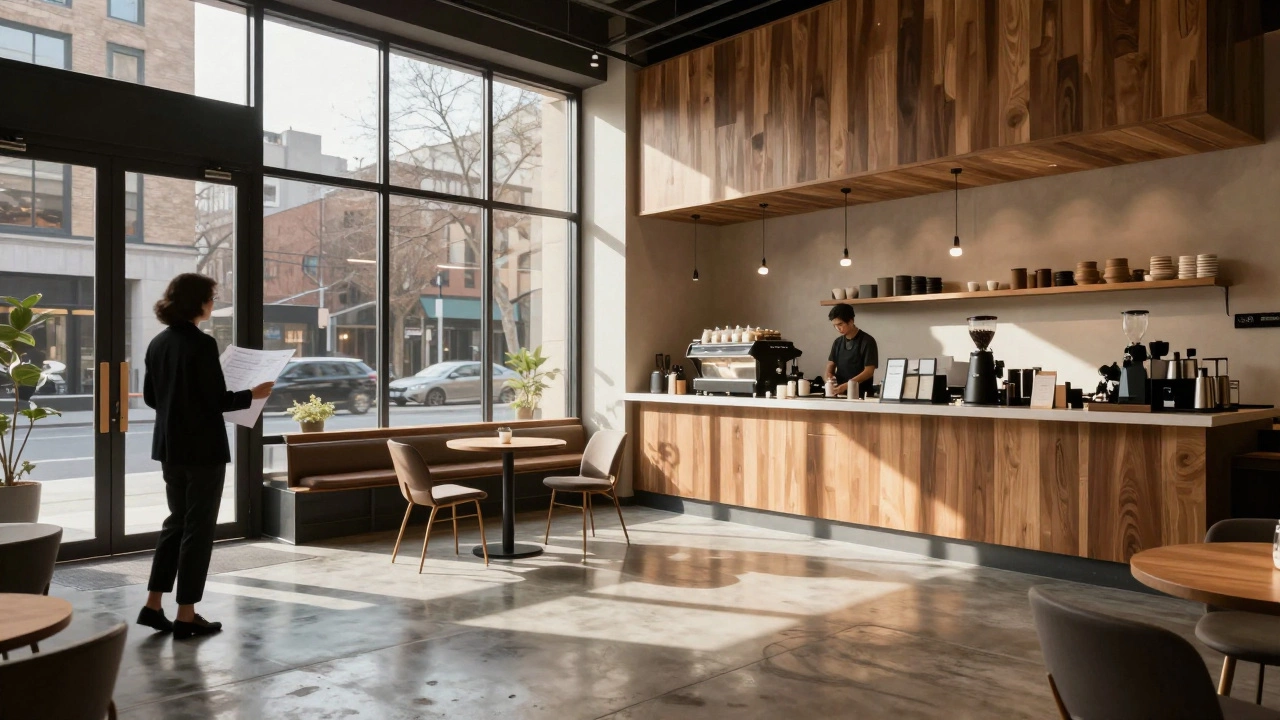
- Retail spaces – Stores need eye‑catching façades, easy customer flow and often heavy‑duty flooring for displays.
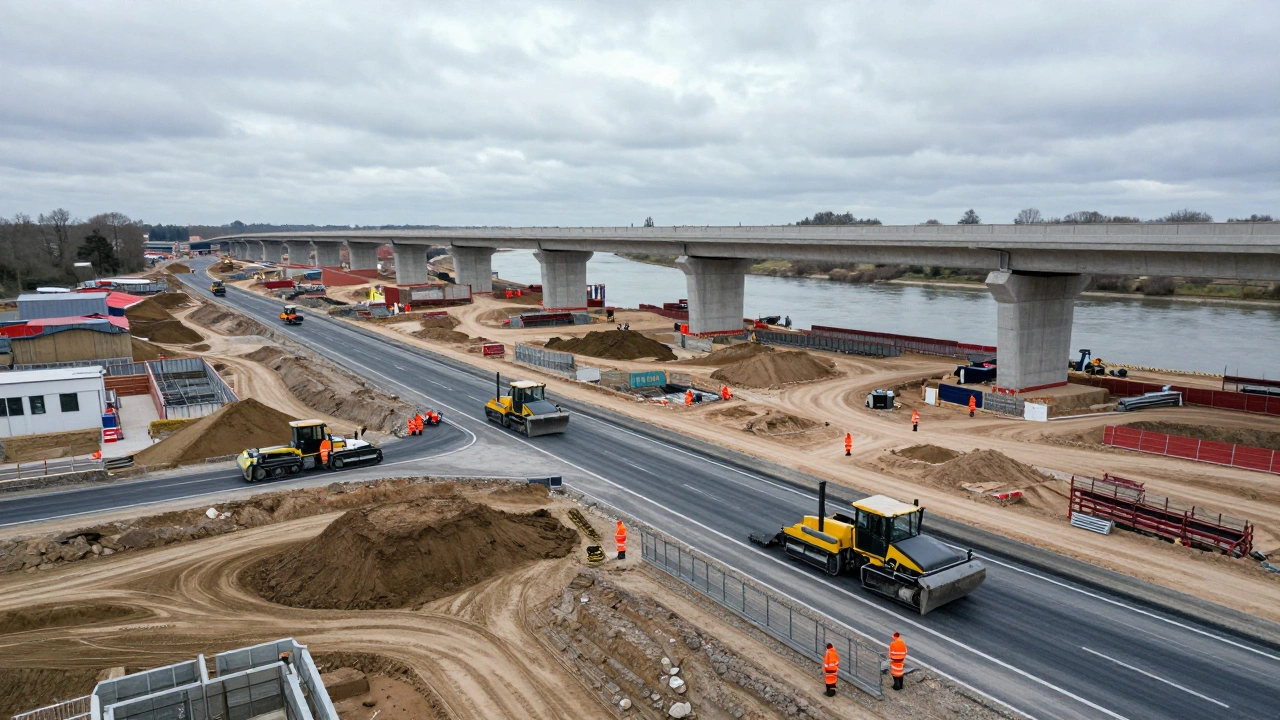
- Industrial facilities – Factories, warehouses and logistics hubs prioritize clear spans, reinforced floors and robust loading docks.
- Institutional buildings – Schools, hospitals and government offices blend public‑use standards with accessibility and safety codes.
Each type carries its own set of codes, material choices and stakeholder expectations. Knowing which bucket your project belongs to helps you pick the right architect, contractor and permits early on.
Cost Factors That Drive Commercial Projects
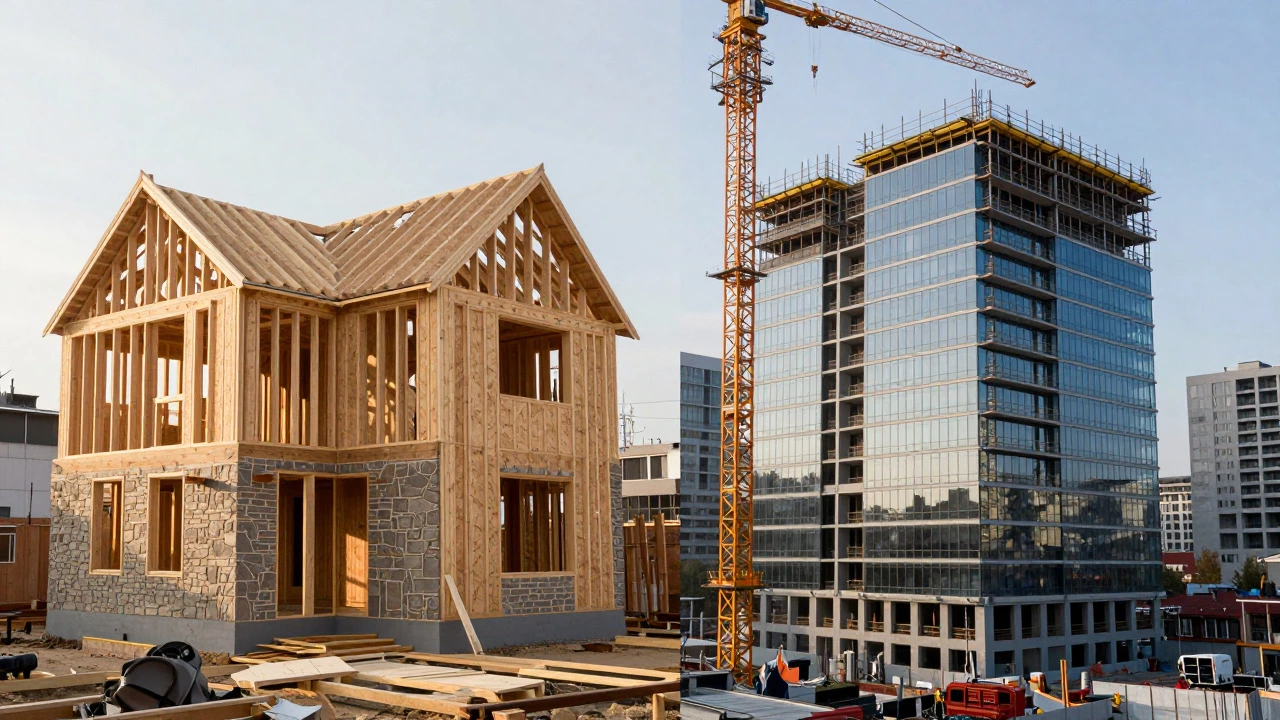
Commercial builds usually cost more per square foot than a house, and here’s why:
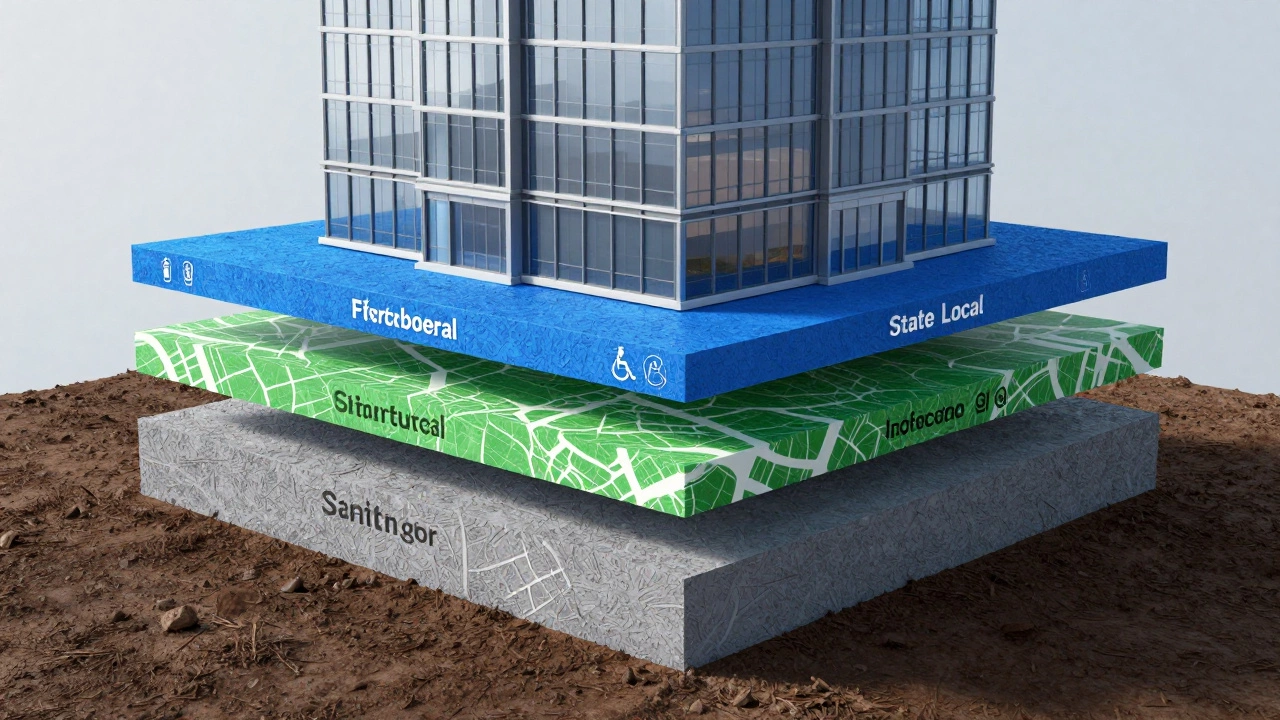
- Building codes and fire safety – Stricter regulations mean more fire‑rated walls, sprinkler systems and fire exits.
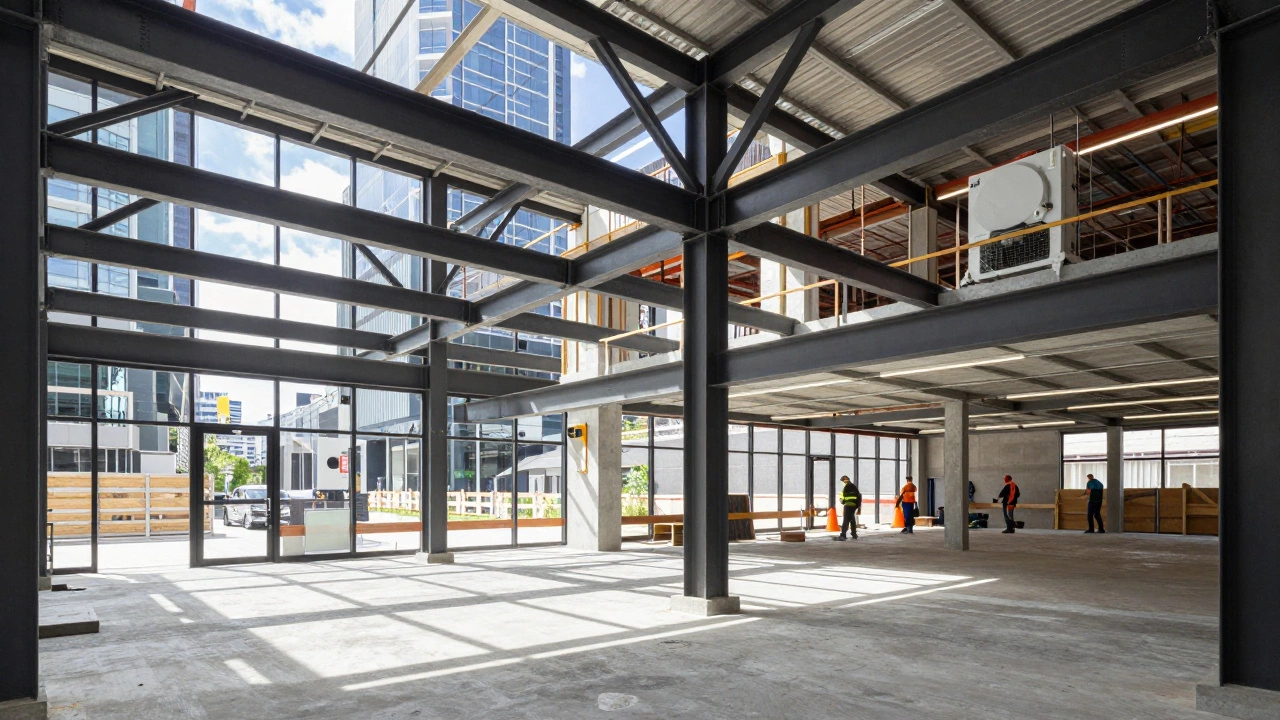
- Structural demands – Larger spans and heavier loads call for stronger steel or concrete foundations.
- Specialized systems – Think high‑capacity HVAC, advanced security, and IT infrastructure.
- Design and finishes – Brands often demand premium façades, custom signage and durable flooring.
To keep costs under control, break the budget down by these line items, set realistic contingencies and talk to suppliers early. A small change in façade material, for example, can swing the total by tens of thousands.
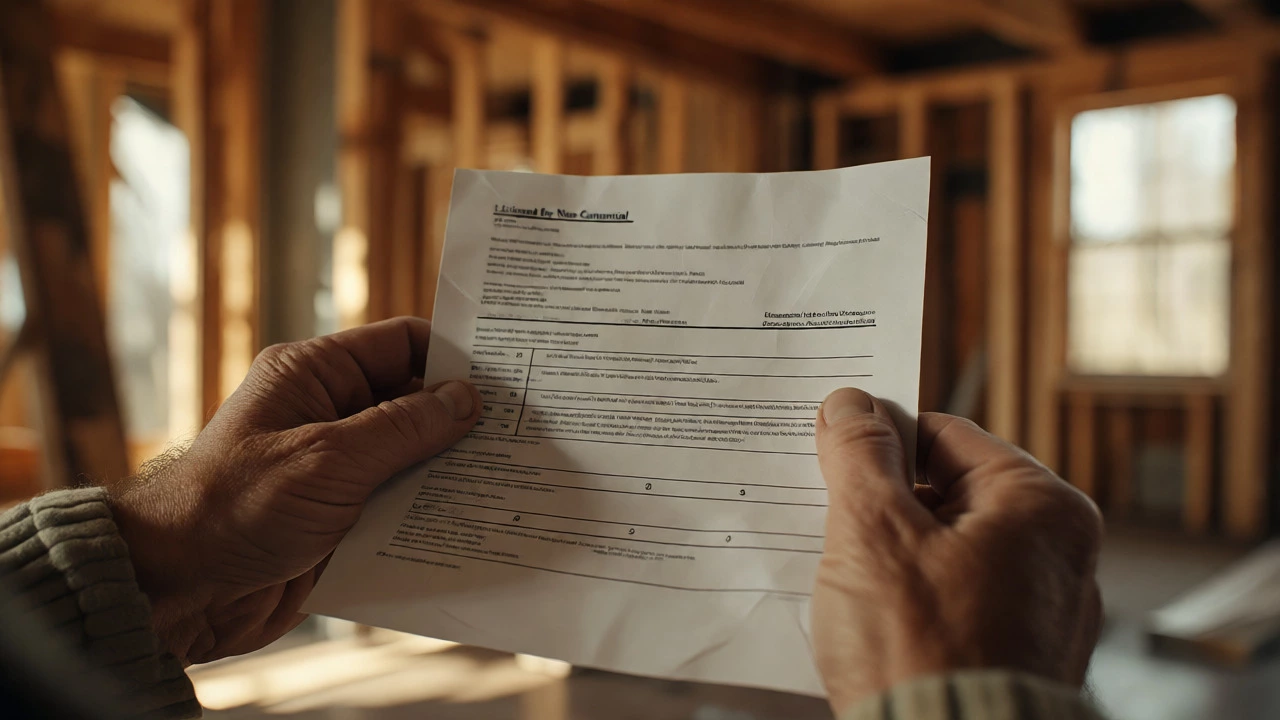
Another big piece is licensing. Commercial licenses aren’t just paperwork – they prove a contractor can meet safety standards, handle insurance and stay on the right side of local laws. Before you sign a contract, ask for proof of a valid commercial construction license, a Public Liability Insurance certificate and any specific trade qualifications required for your project type.
Permits are the next hurdle. Depending on the zone, you may need planning permission, a building notice, and occasionally an environmental assessment. The good news? Many local councils now offer online portals where you can track the status of your applications in real time.
Choosing the right contractor is less about the lowest bid and more about experience with similar commercial builds. Ask for case studies, check references, and make sure the team has a proven track record with the specific type of project you’re undertaking.
Sustainability is becoming a must‑have, not a nice‑to‑have. Green roofs, energy‑efficient glazing and low‑carbon concrete can shave off operating costs and boost your building’s market value. Talk to your designer about passive solar design or renewable energy options early – retrofitting later can be pricey.
Bottom line: commercial construction is a complex puzzle of codes, costs, licences and sustainability goals. By knowing the main project types, budgeting for the right cost drivers, securing proper licences and picking a seasoned contractor, you’ll avoid the most common headaches and keep the project moving forward.