
Construction Profitability Estimator
Select a construction business type and enter your annual revenue to see how much money you might actually keep after expenses.
General Contractors face high overhead and coordination risks, leading to thinner margins despite high volume.
You might think the biggest construction firms with skyscrapers on their resumes are raking in the cash. But if you look at the profit margins, the story is often different. The companies making the most money aren't always the ones pouring the most concrete. In fact, some of the highest-profit businesses in the industry are niche specialists who solve expensive problems quickly.
So, what type of construction companies make the most money? It depends on whether you mean total revenue or net profit percentage. Large commercial builders bring in billions but keep a tiny slice. Small specialty trades might bring in less total cash but keep a much larger share of every dollar they earn. Let’s break down where the real money hides in the construction world.
The Difference Between Revenue and Profit
Before we pick winners, we need to clear up a common confusion. Revenue is all the money coming in the door. Profit is what’s left after you pay for materials, labor, insurance, trucks, and taxes. A company can have huge revenue and still go bankrupt if their costs are too high.
In construction, General Contractors (GCs) typically operate on thin margins, often between 2% and 5%. They manage big projects, coordinate dozens of subcontractors, and take on massive liability. One mistake can wipe out months of work. Because of this risk and high overhead, their net profit stays low even though their bank accounts see millions flowing through.
Specialty Trade Contractors, like electricians or plumbers, often see net margins of 10% to 20%. Why? They control their own labor, buy materials in bulk, and don’t carry the same level of project management risk. If you’re looking for efficiency, these niches win.
Commercial vs. Residential: Where the Volume Is
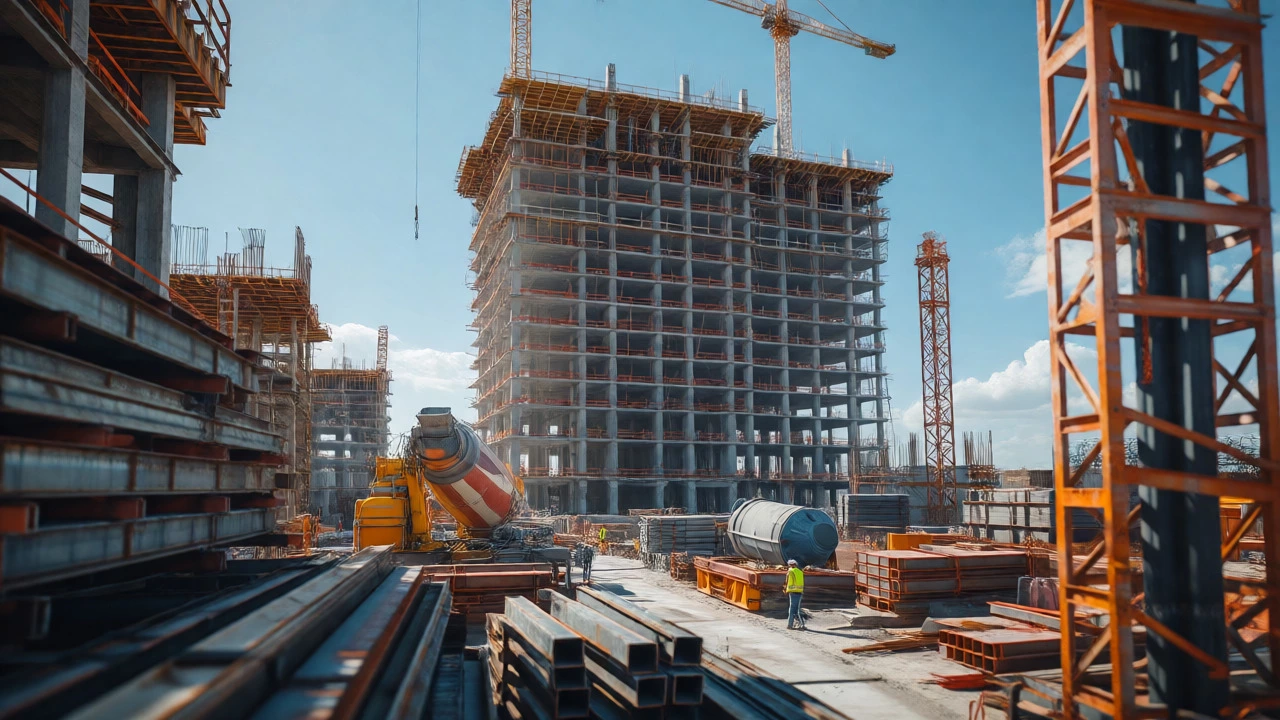
If you judge by sheer size, Commercial Construction is the heavyweight champion. Think office towers, hospitals, and shopping centers. These projects are worth tens or hundreds of millions. Firms like Turner Construction or Bechtel dominate here.
However, volume doesn’t equal wealth for the owner. Commercial projects are fiercely competitive. Bidding wars drive prices down. You’re fighting for pennies on the dollar. Plus, payment terms are often slow. You might wait 60-90 days for checks to clear. That hurts your cash flow, which is the oxygen of any business.
Residential construction is different. Margins can be higher because homeowners care more about quality and speed than the lowest bid. Custom home builders can charge premiums for unique designs. But residential is risky. If the housing market crashes, demand vanishes overnight. You’re also dealing with emotional clients who change their minds halfway through the job.
The Hidden Goldmines: Specialty Trades
Here is where it gets interesting. The most consistently profitable companies are often small-to-medium-sized businesses specializing in one thing. They aren’t building entire houses; they’re fixing specific parts of them.
- Electrical Contracting: High skill barrier means fewer competitors. Rates are high because mistakes are dangerous. Net margins often hit 15-20%.
- HVAC Services: Everyone needs heating and cooling. Maintenance contracts provide recurring revenue, which smooths out the feast-or-famine cycle of new builds.
- Roofing: This is a high-ticket item that wears out. Storms create sudden spikes in demand. If you have efficient crews, you can print money during bad weather seasons.
- Concrete and Paving: Heavy equipment does the hard work. Once you own the machinery, labor costs drop relative to output. Municipal contracts for roads and sidewalks provide steady, reliable income.
Why do these niches win? Low competition due to specialized skills. High perceived value. And often, urgent demand. When your roof leaks, you don’t haggle for three weeks. You call someone and pay them to fix it now.

Government Contracts: Stability Over Speed
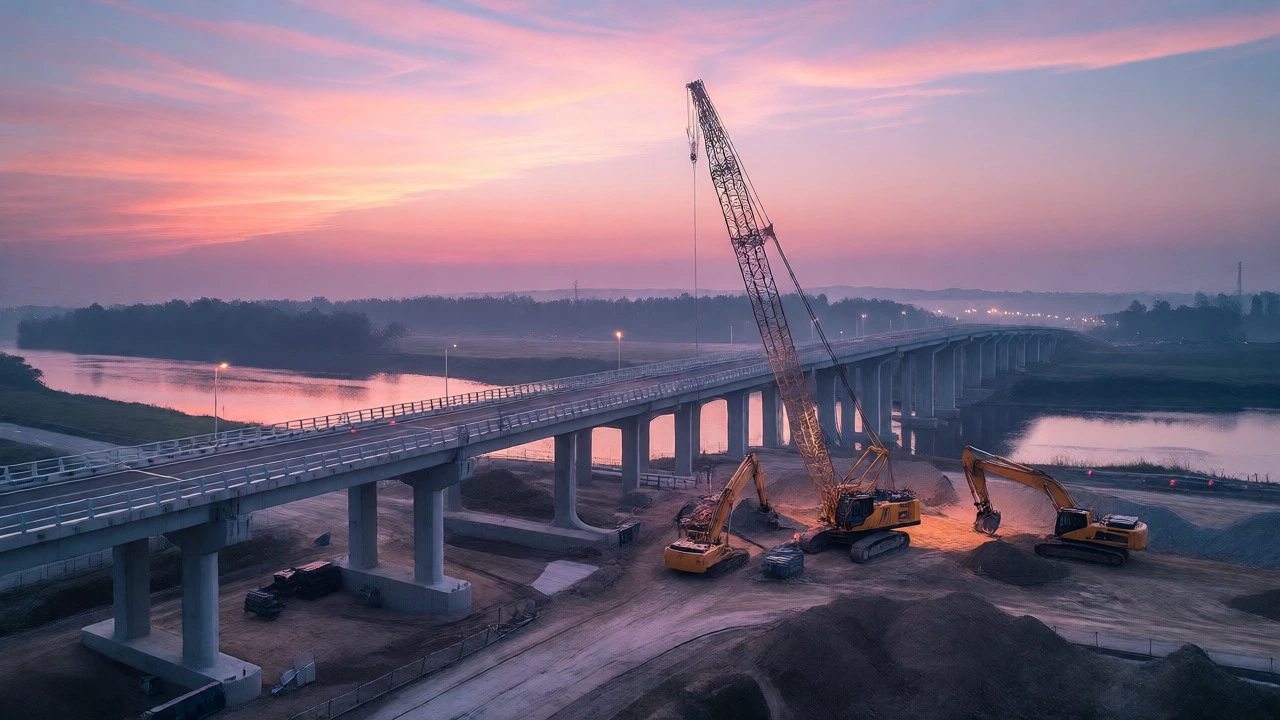
Infrastructure and Civil Engineering firms build bridges, highways, and water systems. These projects are funded by tax dollars, so payment is guaranteed if you follow the rules.
The catch? Bureaucracy. Getting approved for government work takes time. Compliance requirements are strict. But once you’re in, the work is steady. You’re not chasing homeowners who want granite countertops instead of quartz. You’re doing essential public works. Profit margins are moderate (5-8%), but the volume is massive and consistent. For long-term wealth building, this sector is tough to beat.
Comparing Profitability by Sector
Let’s put numbers on this. Note that these figures vary by region and economic climate, but they reflect general industry standards in developed markets like Australia and the US.
| Company Type | Average Net Margin | Revenue Potential | Risk Level |
|---|---|---|---|
| General Contractor (Residential) | 3-5% | Medium | High |
| General Contractor (Commercial) | 2-4% | Very High | Very High |
| Electrical Contractor | 10-15% | Medium-High | Medium |
| Plumbing/HVAC | 10-20% | Medium-High | Medium |
| Landscaping/Excavation | 8-12% | Low-Medium | Low |
| Home Remodeling Specialist | 5-10% | Medium | Medium |
Factors That Kill Profits
Even in the best sectors, you can lose money fast. What separates the wealthy contractors from the struggling ones? It’s rarely just the type of work. It’s how they run the business.
Labor Shortages: Finding skilled workers is harder than ever. If you have to pay overtime constantly, your margin evaporates. Companies that invest in training or use prefabricated components save money here.
Poor Estimating: This is the number one killer. If you underbid a job to win it, you’re paying to work. Accurate estimating requires data. Successful firms track every hour and material cost from past jobs to price future ones correctly.
Cash Flow Management: Construction is capital intensive. You buy materials before you get paid. If you don’t have credit lines or quick invoicing practices, you’ll stall. Big companies survive downturns because they have cash reserves. Small ones die because they run out of working capital.
Emerging Trends Boosting Profits
The industry is changing. Two areas are seeing rapid profit growth right now.
First, Green Retrofitting. Governments are pushing energy efficiency upgrades. Installing solar panels, insulation, and smart HVAC systems commands premium pricing. Homeowners want lower bills, so they pay for expertise.
Second, Tech-Enabled Efficiency. Firms using drones for site surveys, BIM (Building Information Modeling) for planning, and AI for estimating reduce errors. Fewer rework orders mean higher margins. If you’re still drawing plans on paper, you’re leaving money on the table.
How to Choose Your Path
So, should you start an electrical firm or a commercial GC? Ask yourself these questions:
- Do you prefer stability or upside? Government work offers stability. Custom homes offer upside potential but higher volatility.
- What skills do you have? If you’re great at managing people, try GC work. If you love technical precision, go into specialty trades.
- How much capital do you have? Equipment-heavy trades like excavation need upfront cash for machinery. Service-based trades like painting need less startup capital.
The "most profitable" company isn’t a fixed category. It’s the one that solves a painful problem efficiently, charges fairly for that solution, and keeps its overhead low. Whether that’s laying bricks or wiring servers, the principle holds true.
Which construction trade has the highest hourly rate?
Elevator mechanics and specialized industrial welders often command the highest hourly rates, sometimes exceeding $100-$150 per hour. However, electrical and plumbing master tradespeople also maintain very high rates due to licensing requirements and critical safety responsibilities.
Is it better to be a general contractor or a specialist?
For pure profit percentage, specialists usually win. General contractors have higher revenue potential but lower margins due to coordination risks and overhead. Specialists have lower overhead and higher margins but limited scale unless they hire many crews.
How do economic recessions affect construction profits?
New construction drops sharply in recessions as financing tightens. However, repair and maintenance work often remains stable or increases because people fix existing homes rather than buying new ones. Specialty trades focused on repairs tend to weather storms better than those relying solely on new builds.
Do large construction companies make more money than small ones?
In terms of total dollars earned, yes. Large firms generate billions. But in terms of return on investment (ROI) for owners, small specialist firms often perform better. Large firms have massive corporate overheads that eat into profits, whereas lean small businesses keep more of what they earn.
What is the most profitable construction niche for startups?
Niche remodeling services, such as bathroom or kitchen renovations, often offer good entry points. They require moderate capital, have high demand, and allow for premium pricing based on design and finish quality. Landscaping and hardscaping are also strong contenders due to low barriers to entry and high customer willingness to pay for curb appeal.