Wallpaper Trend & Risk Estimator
Expert Verdict
Select options and click analyze to see if your wallpaper choice is a timeless staple or a fleeting trend.
Estimated Lifespan
Based on material and usage conditions.
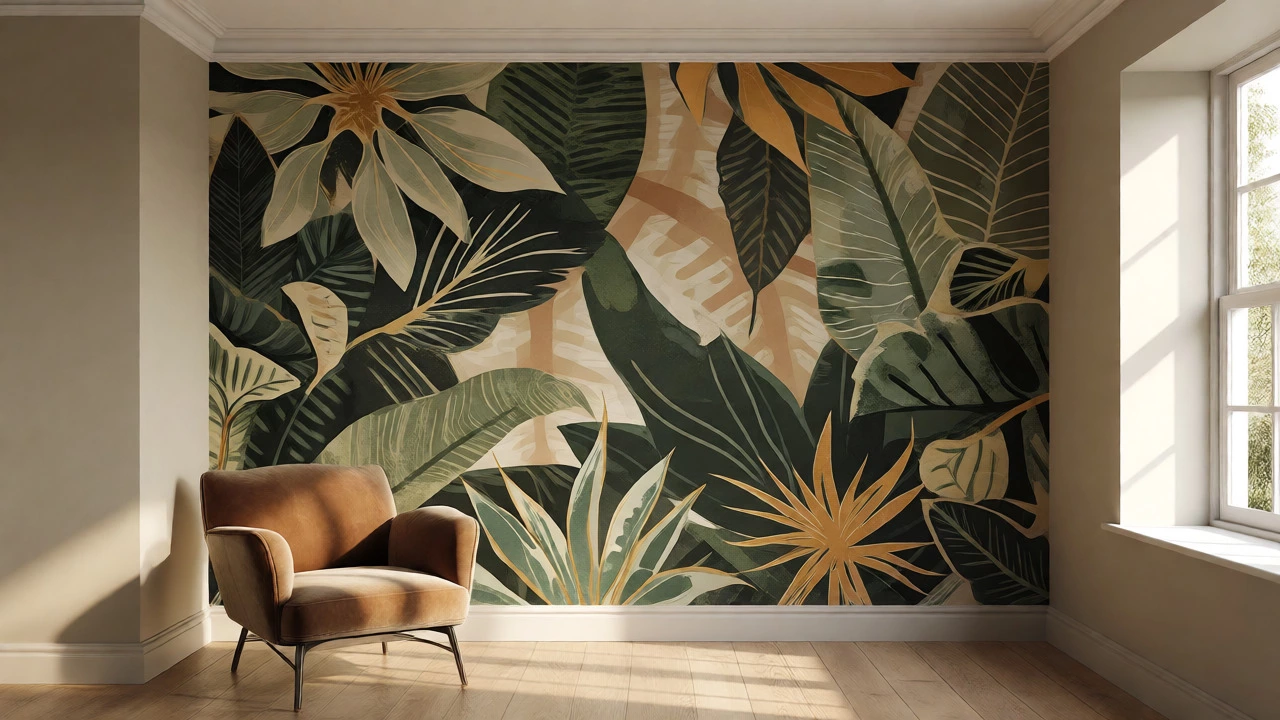
You walk into a friend’s living room, see a wall covered in bold, botanical wallpaper, and immediately wonder: is this the height of style, or will they be ripping it off in six months? It’s a fair question. For decades, wallpaper had a bad reputation as the "landlord special"-a cheap fix for peeling paint that screamed dated taste. But in 2026, the narrative has flipped hard. Designers are using it to create immersive experiences, and homeowners are embracing it as a way to inject personality without committing to paint colors that might look gray under LED lights.
But just because it’s popular doesn’t mean it’s right for your space. The line between "chic" and "chaotic" is thin. If you’re on the fence, you need to look past the Instagram reels and understand the actual mechanics of how wallpaper ages, how it interacts with light, and why some patterns survive while others become instant clichés. Here’s the unvarnished truth about whether wallpaper is too trendy for your home, or if it’s the upgrade your walls have been waiting for.
The Shift from "Trend" to "Staple"
Let’s address the elephant in the room: yes, wallpaper is trending. But calling it "just a trend" misses the point of what’s actually happening in interior design. We aren’t seeing a fleeting fad like shiplap (which, let’s be honest, was everywhere for a reason but also felt temporary). Instead, we’re seeing a return to texture and pattern as fundamental elements of Interior Design the art and science of enhancing the aesthetic and functional aspects of indoor spaces.
Why now? Two main reasons. First, minimalism got boring. After years of beige-on-beige "sad beige" interiors, people want energy. Second, technology changed. Modern Removable Wallpaper a type of peel-and-stick covering that allows users to change their décor without damaging walls isn’t the sticky, residue-leaving mess of the 1990s. Brands like Spoonflower and WallPops use high-quality vinyl or fabric materials that adhere firmly but release cleanly. This lowers the risk barrier. You’re not signing a ten-year lease with your wall anymore; you’re taking out a short-term subscription to a vibe.
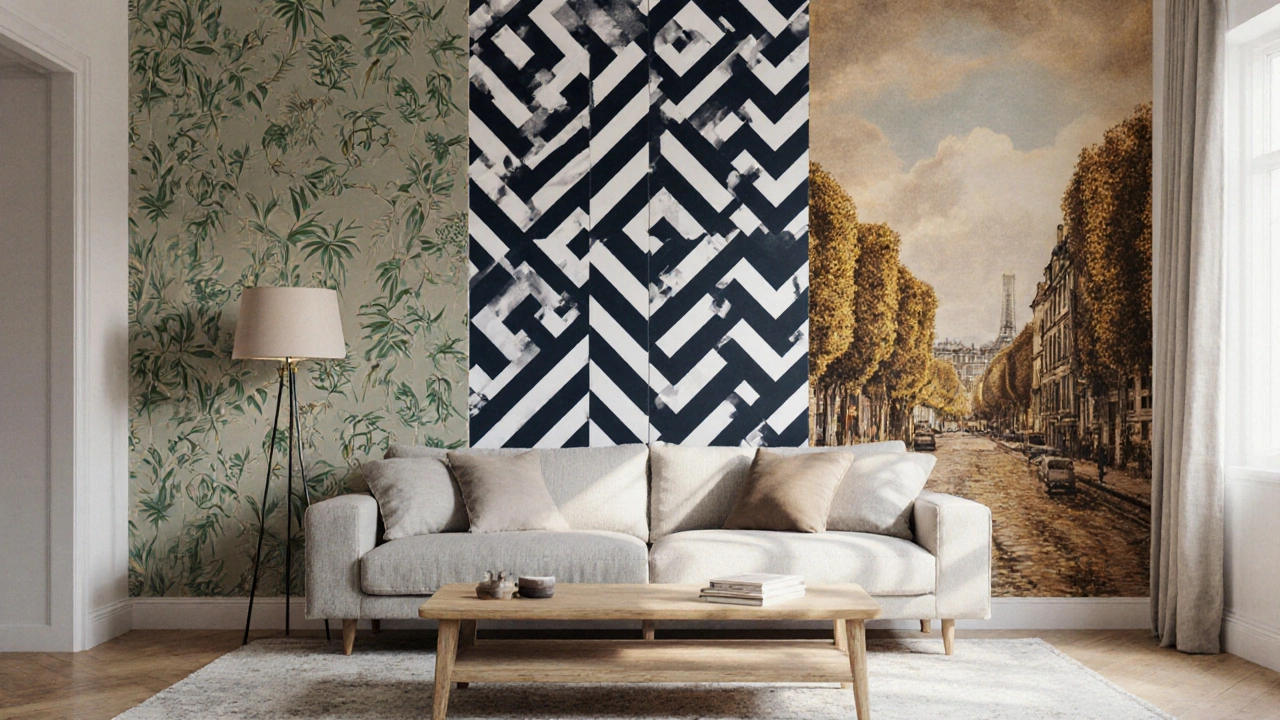
However, risk aversion is still real. Many homeowners worry that choosing a bold print today means their house looks like a hotel lobby in 2030. To avoid this, successful installations follow a simple rule: anchor the trend with timeless elements. If you paper an accent wall in a loud geometric print, keep the furniture neutral and classic. If you paper the whole room, choose a subtle, tonal texture rather than a high-contrast graphic. Context matters more than the pattern itself.
Where Wallpaper Works Best (And Where It Fails)
Not every wall deserves wallpaper. In fact, putting it in the wrong spot can make a small room feel claustrophobic or a busy room feel chaotic. Think of wallpaper as jewelry-it enhances the outfit, but wearing too much at once looks messy.
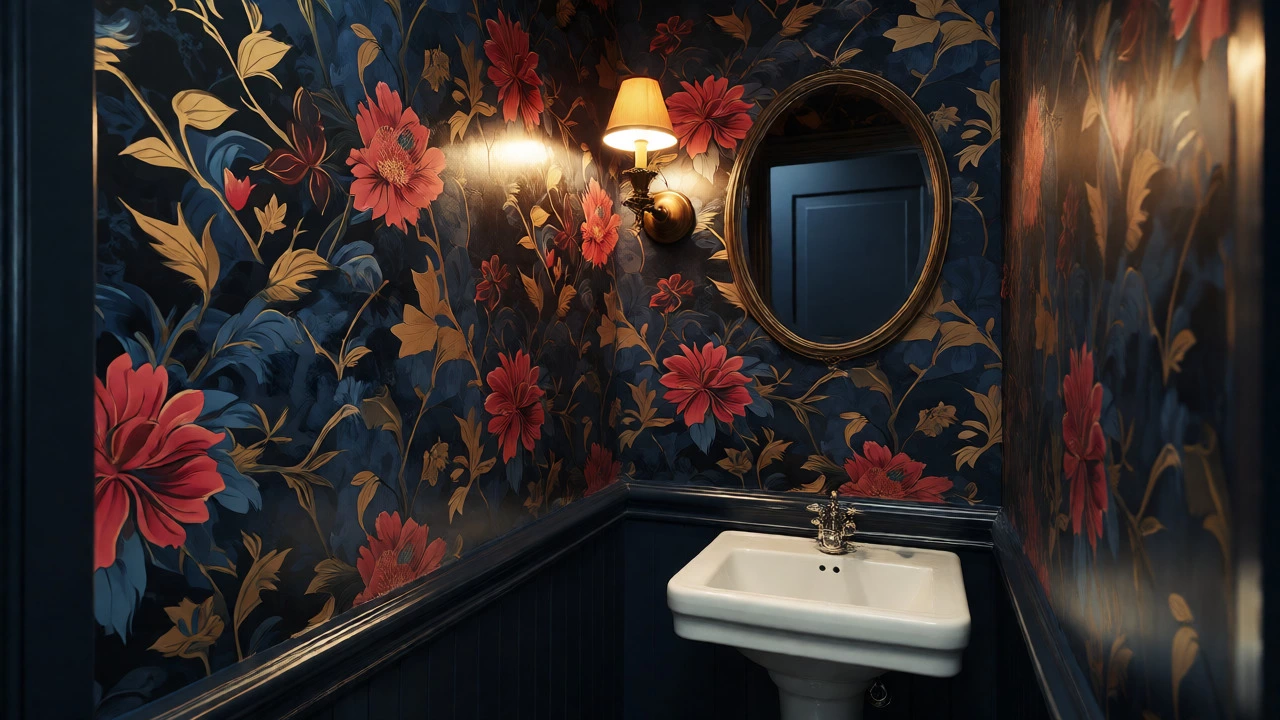
The Powder Room Powerhouse: Small spaces are where wallpaper shines brightest. Because there’s less square footage, the cost is low, and the visual impact is huge. A tiny half-bath can transform into a dramatic jewel box with a dark, moody floral or a whimsical bird motif. Since you don’t spend hours there, the intensity of the pattern doesn’t wear on you. It’s a statement piece that says, "I have personality," without overwhelming your daily life.
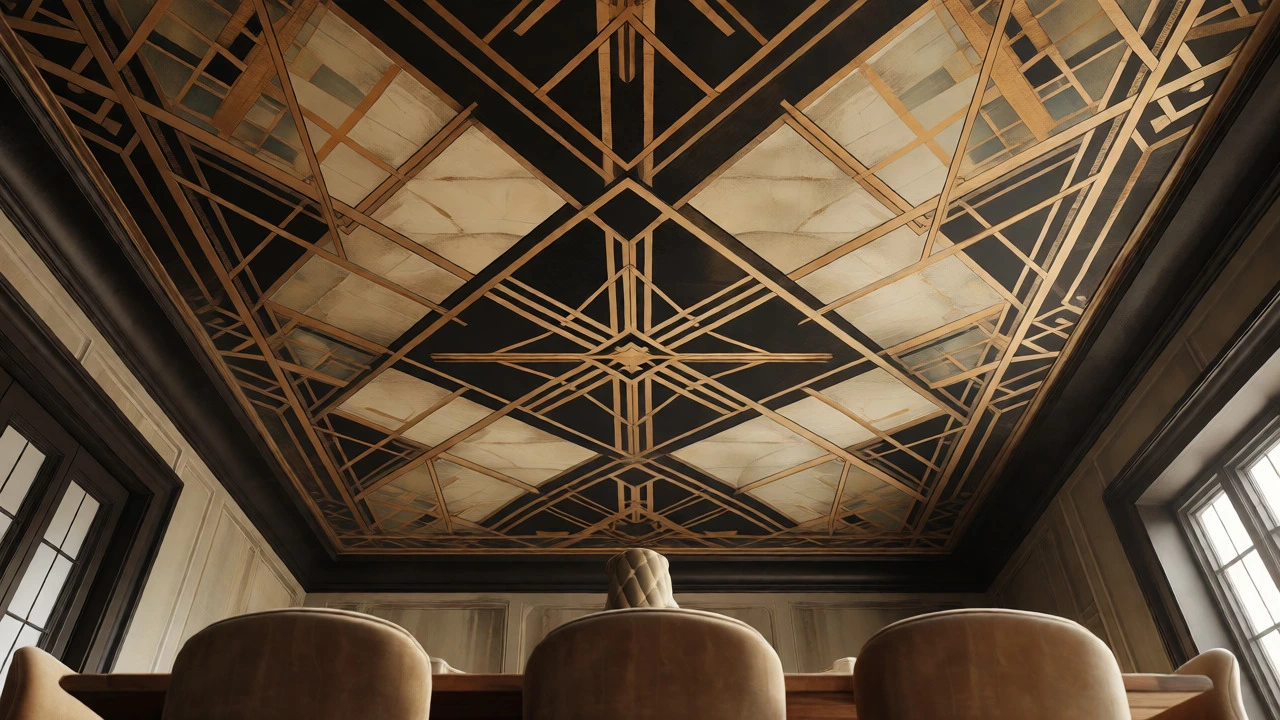
The Ceiling Surprise: This is the pro move that separates amateurs from enthusiasts. Papering the ceiling draws the eye upward, making low ceilings feel taller and adding depth to flat rooms. It works particularly well in bedrooms or dining rooms where you want intimacy. Use a lighter color on the walls and a darker, richer pattern on the ceiling to create a cozy, enveloped feeling.
The Kitchen Backsplash Alternative: With tile prices skyrocketing, many people are swapping subway tiles for heat-resistant, washable wallpaper behind open shelving or above countertops. It adds color without the grout lines. Just ensure you use a scrubbable vinyl option, because grease splatter doesn’t care about aesthetics.
Where to Avoid It: Skip wallpaper in direct sunlight areas unless it’s UV-resistant. Standard papers fade unevenly, creating patchy discoloration within two years. Also, avoid textured wallpaper in bathrooms with poor ventilation. Moisture gets trapped in the crevices, leading to mold growth behind the paper. Flat, smooth surfaces in dry climates are your best friends here.
Comparing Wallpaper Options: Cost vs. Longevity
One reason people hesitate is the perceived hassle and cost. Let’s break down the three main types available in 2026 so you can decide which fits your lifestyle.
| Type | Best For | Lifespan | Removal Difficulty | Average Cost per Roll |
|---|---|---|---|---|
| Peel-and-Stick (Vinyl) | Renters, kids' rooms, accent walls | 3-5 years | Easy (clean removal) | $40-$80 |
| Paste-the-Wall (Non-woven) | Living rooms, bedrooms, permanent installs | 7-10+ years | Moderate (strips wet) | $60-$150 |
| Fabric-Backed Vinyl | High-traffic areas, commercial spaces | 10-15+ years | Hard (may require steaming) | $100-$300+ |
Notice the trade-off: ease of removal often correlates with shorter lifespan. Peel-and-stick is fantastic for testing a look, but it can bubble over time if the wall isn’t perfectly smooth. Paste-the-wall offers a seamless, professional finish that lasts, but removing it requires water and patience. Fabric-backed options are nearly indestructible but are expensive and difficult to take down without damaging the drywall underneath.
The Psychology of Pattern: How to Choose Without Regret
Trends change, but human psychology doesn’t. Certain patterns trigger specific emotional responses. Understanding this helps you pick something you won’t hate in a year.
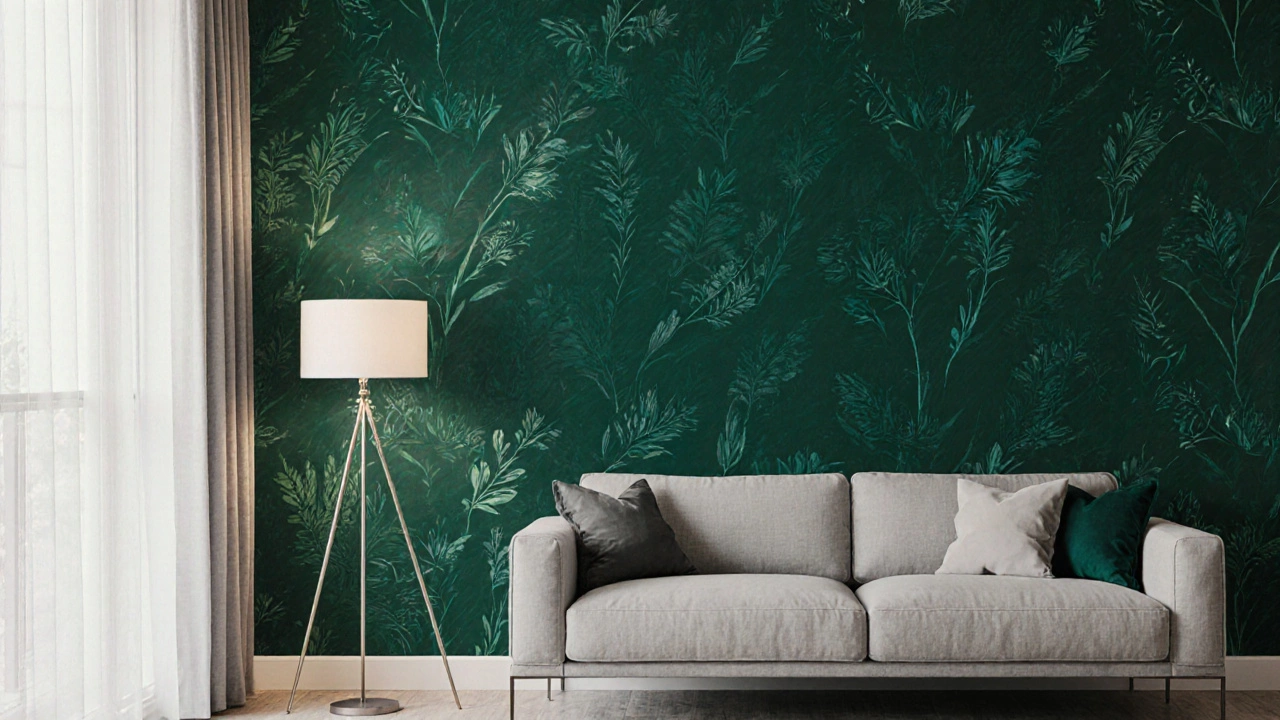
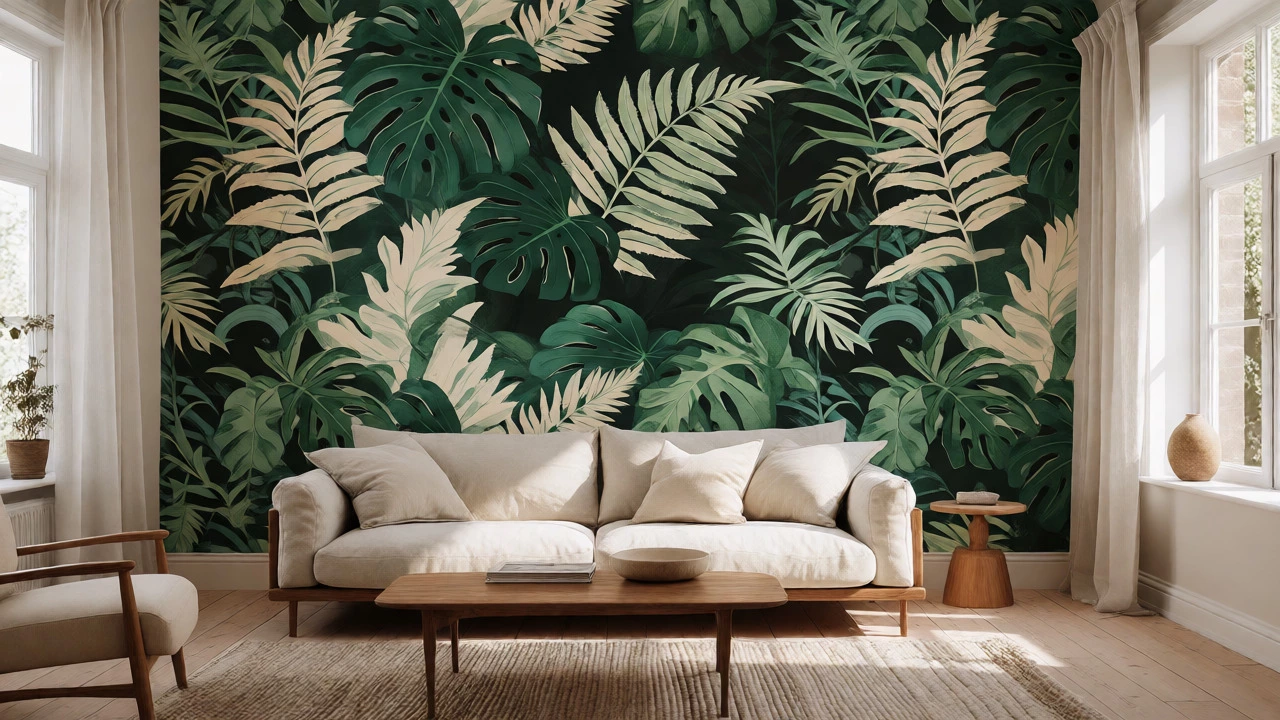
Biophilic Designs: Nature-inspired motifs-ferns, moss, birds-are currently dominating because they reduce stress. Studies in environmental psychology suggest that viewing natural patterns lowers cortisol levels. If you work from home, a leafy green print in your office can genuinely help you focus. Unlike abstract geometrics, nature themes rarely go out of style because our connection to the outdoors is constant.
Geometric and Art Deco: These add structure and sophistication. They work well in modern homes with clean lines. However, they can feel cold if overused. Pair them with warm textiles-velvet cushions, wool rugs-to balance the sharpness. Art Deco is having a resurgence, but stick to muted golds and blacks rather than neon colors to keep it elegant rather than kitschy.
Hand-Painted Murals: The ultimate anti-trend choice. A custom mural feels bespoke and artistic. It’s expensive upfront, but it never looks "off-the-shelf." If you’re worried about trends, this is your safest bet. A hand-painted scene ages like fine wine, gaining character as part of the home’s history.
Installation Mistakes That Make Wallpaper Look Cheap
Nothing ruins a good design faster than bad execution. Even the most expensive Wallpaper decorative paper applied to walls for aesthetic purposes looks amateurish if installed poorly. Here are the top pitfalls to avoid:
- Ignoring Wall Prep: You cannot paper over cracks or rough plaster. The texture will show through, and the adhesive won’t bond evenly. Fill, sand, and prime your walls first. Use a primer specifically designed for wallpaper removal later-it seals the wall and makes stripping easier.
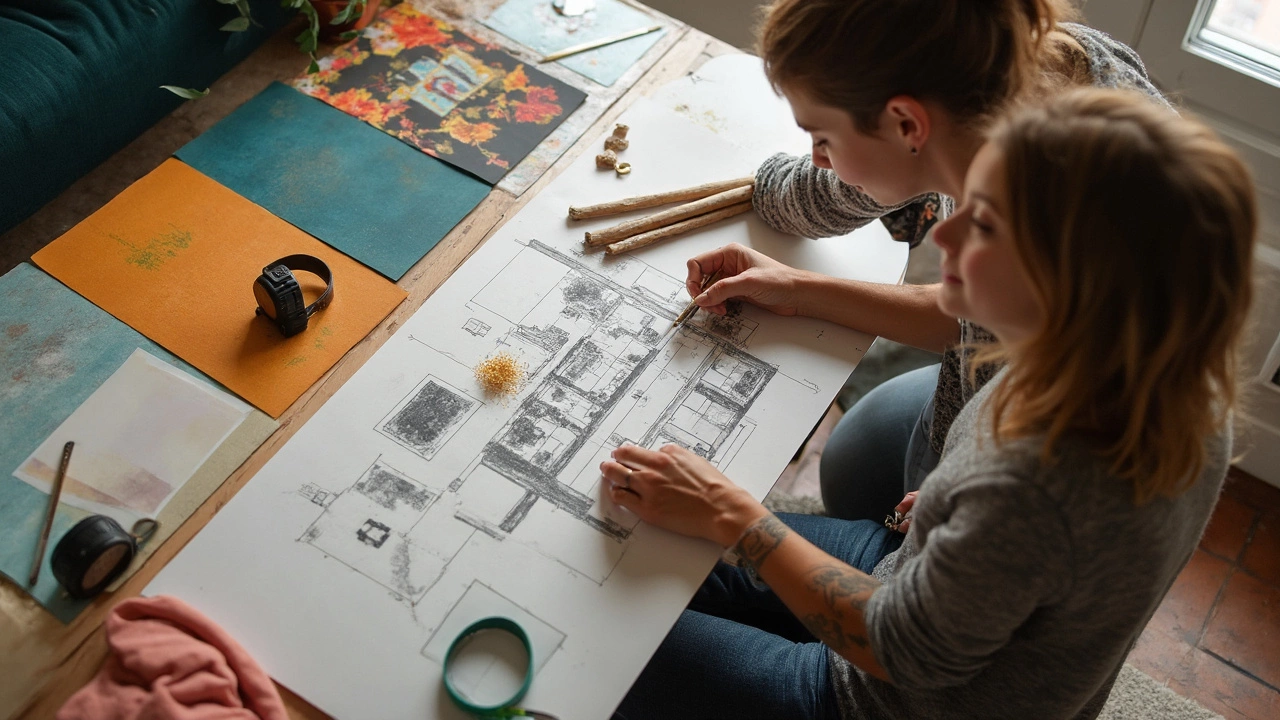
- Skipping the Test Swatch: Never buy full rolls without ordering samples. Lighting changes everything. A blue that looks navy in daylight might look purple under evening lamps. Tape samples to different walls and view them at different times of day.
- Mismatched Patterns: Repeat patterns must align perfectly. If your repeat interval is 20 inches, you need to account for waste when calculating how many rolls you need. Buying exactly enough usually leaves you short after cutting.
- Overloading the Space: If your room already has patterned rugs, striped curtains, and a floral sofa, do not add busy wallpaper. Pick one focal point. Let the wallpaper be the star, or let the furniture be. Trying to compete results in visual noise.
Verdict: Is It Too Trendy?
No, wallpaper isn’t too trendy-it’s too misunderstood. The fear of being "trendy" is really a fear of looking outdated quickly. But if you approach it strategically, wallpaper becomes a timeless tool for customization. It’s not about following the herd; it’s about curating your environment.
If you rent, start with peel-and-stick in a small area. If you own, invest in paste-the-wall non-woven papers in neutral tones with subtle textures. Avoid hyper-specific memes or ultra-niche graphics that scream "2024." Stick to organic shapes, classic florals, or structured geometries. These categories have survived centuries of design shifts for a reason.
Ultimately, your home should reflect who you are, not what Pinterest dictates. If you love the pattern, and it makes you happy every time you walk into the room, then it’s not trendy-it’s personal. And personal style never goes out of fashion.
Does wallpaper lower home value?
Generally, no, provided it’s tasteful and removable. Bold, personalized murals might deter some buyers, but neutral or classic patterns often enhance appeal by showing finished craftsmanship. Using peel-and-stick ensures you can remove it before selling, leaving walls pristine.
How long does wallpaper last?
Quality paste-the-wall or vinyl wallpapers can last 10 to 15 years or more. Peel-and-stick varieties typically last 3 to 5 years depending on humidity and handling. High-traffic areas may see edges lifting sooner, requiring touch-ups with glue.
Can I put wallpaper over existing wallpaper?
It’s possible but risky. You must ensure the old paper is tightly adhered and sealed with oil-based primer. If the old paper lifts, the new layer will fail. Testing a small section first is crucial. Removing old layers is usually safer for long-term durability.
Is wallpaper suitable for kitchens?
Yes, if you choose scrubbable vinyl or washable non-woven options. Avoid porous papers near sinks or stoves where grease and steam accumulate. Ensure seams are tightly sealed to prevent moisture intrusion, which can cause mold.
What is the biggest mistake beginners make?
Underestimating wall preparation. Painting directly over patched holes without proper priming leads to uneven absorption and visible flaws. Also, failing to check level lines causes crooked seams, which are glaringly obvious in patterned designs.