Wallpaper Material Selector
Not sure which wallpaper material is best for your space? Answer a few quick questions about your room and lifestyle to get a personalized recommendation.
Recommended Material:
Why this choice?
Best For:
Durability:
You probably remember the beige, textured rolls that covered every hallway in your childhood home. Or maybe you recall the heavy, patterned papers from the 1970s that your parents spent weekends scraping off. For a long time, wallpaper was seen as a relic of bad taste or rental property desperation. But if you’ve walked into a trendy Melbourne café or scrolled through Pinterest recently, you might have noticed something different. Bold prints, tactile textures, and murals are everywhere. So, is wallpaper out of date? The short answer is no. In fact, it’s having a massive resurgence, but not the way you remember.
This isn’t about covering every wall in a busy floral print anymore. Today’s approach to wallpaper is intentional, strategic, and surprisingly easy to manage. Whether you’re renting, selling, or just refreshing your living space, understanding how modern wallpaper works can save you money and stress. Let’s break down why this trend is sticking around and how you can use it without making your room look like a grandma’s attic.
The Evolution of Modern Wallpaper
To understand where we are, we need to look at what changed. Traditional wallpaper was difficult to install, hard to remove, and often damaged drywall. This reputation stuck for decades. However, the industry shifted dramatically with the introduction of non-woven materials and removable adhesives. These innovations turned wallpaper from a permanent commitment into a flexible design tool.
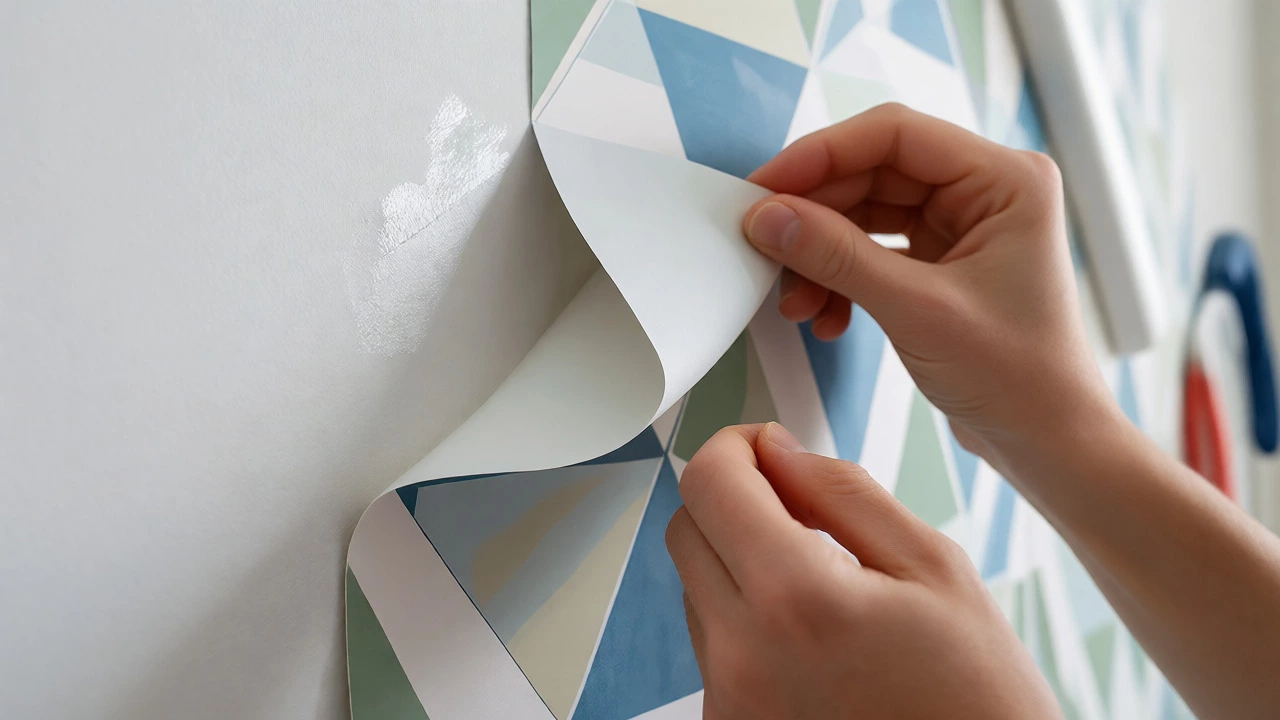
Peel-and-stick wallpaper is a type of self-adhesive paper that allows users to apply and remove designs without water or paste. Unlike traditional vinyl, it leaves no residue on painted walls. This technology opened the door for renters and DIY enthusiasts who previously avoided wallpaper entirely. You can now change your bedroom accent wall for a weekend project and remove it when you move out. That flexibility is a huge part of why wallpaper remains relevant in 2026.
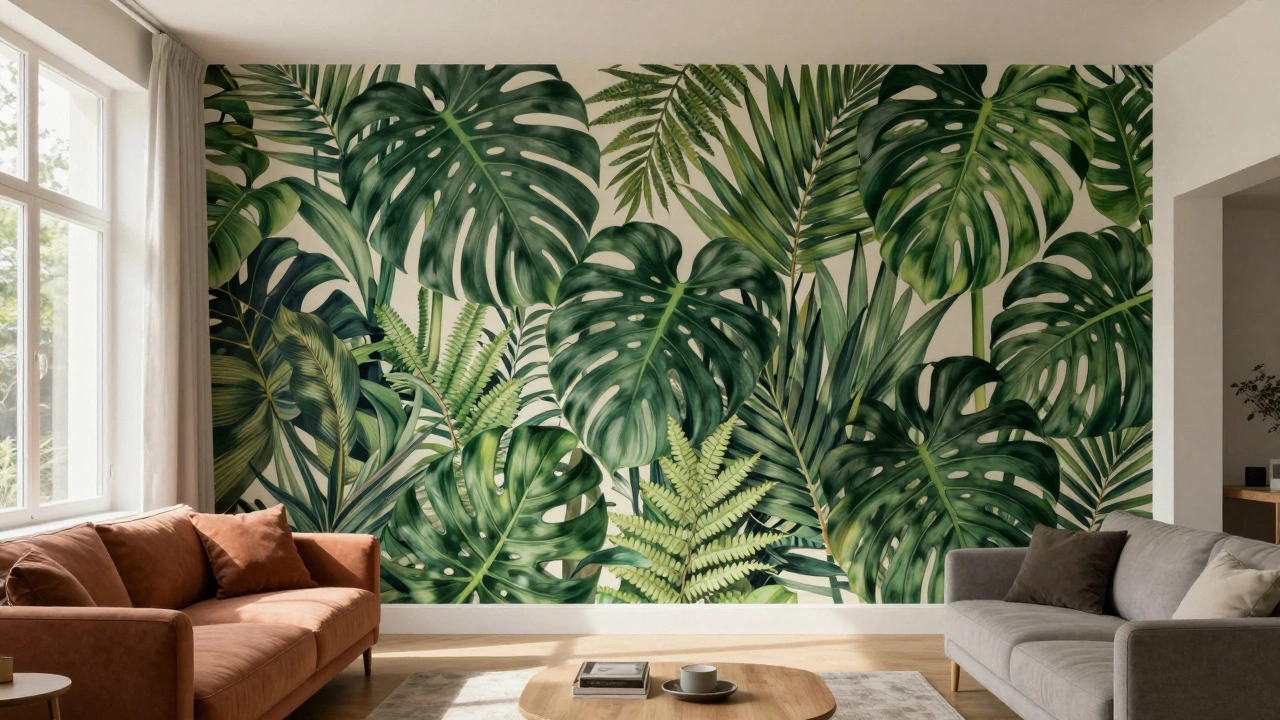
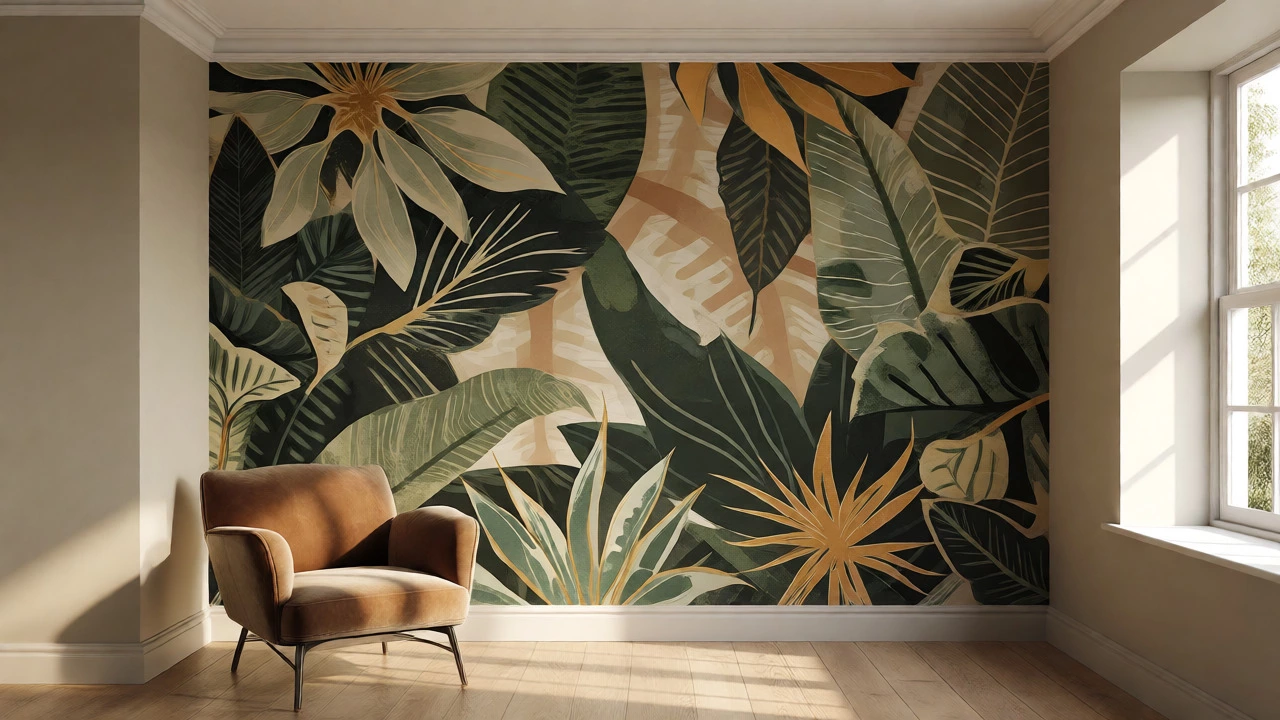
Beyond ease of use, the aesthetics have evolved too. Designers are moving away from small, repetitive patterns toward large-scale murals and abstract art. Think less "chintz" and more "gallery wall." Brands like Wallshoppe and Spoonflower offer custom prints that turn a single wall into a focal point. This shift aligns with current interior design trends that prioritize personality over uniformity.
Why Wallpaper Is Trending in 2026
If you’re wondering why designers are pushing wallpaper again, look at the broader context of home interiors. After years of minimalism and stark white walls, people are craving warmth and character. Wallpaper adds texture and depth in ways that paint simply cannot. A flat white wall feels clean but cold; a textured grasscloth or a subtle geometric print feels inviting and layered.
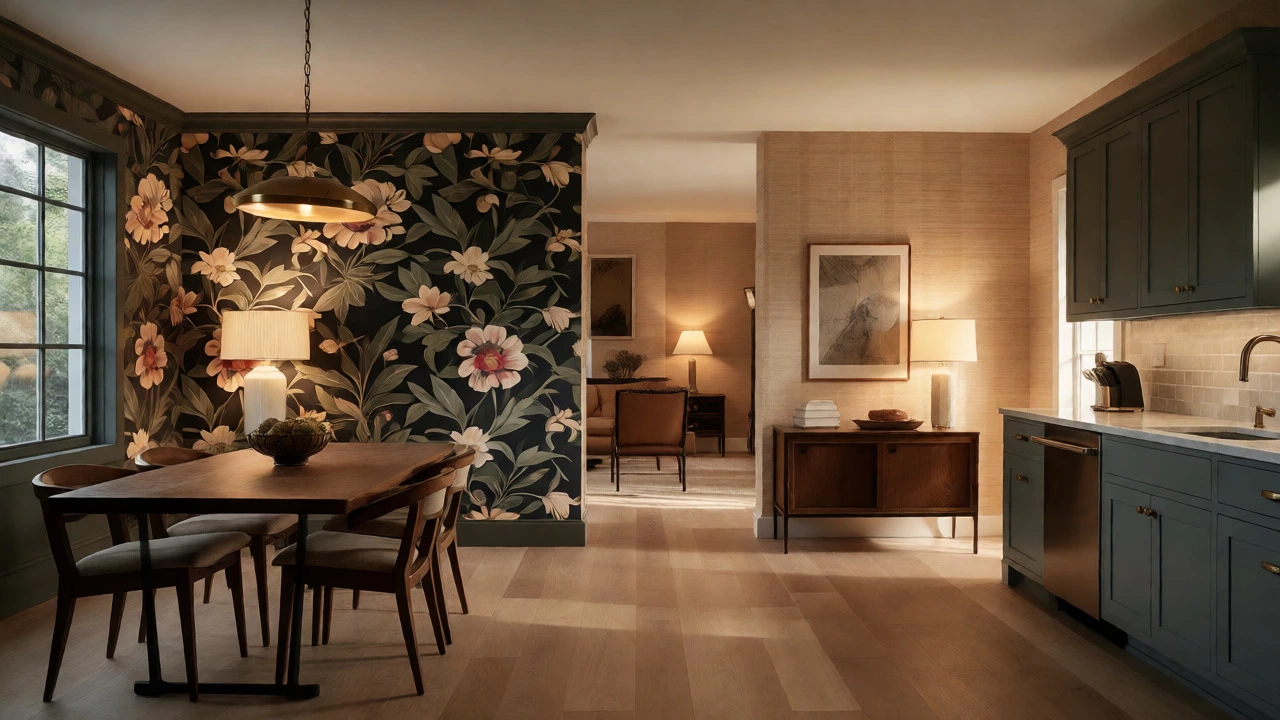
Another driver is the desire for distinct spaces within open-plan homes. With many houses featuring combined kitchen-living areas, defining zones becomes tricky. Wallpaper helps visually separate a dining area from a lounge without building a physical wall. It creates an immediate psychological boundary. For example, using a bold botanical print behind a dining table signals "this is where we eat," while neutral tones in the adjacent lounge keep things calm.
Sustainability also plays a role. Many modern wallpapers are made from recycled materials or sustainable wood pulp. As consumers become more eco-conscious, they prefer durable, long-lasting decor over fast-furniture trends. High-quality wallpaper lasts ten to fifteen years, offering better value than cheap throw pillows or temporary accessories that end up in landfill after two seasons.
| Feature | Paint | Modern Wallpaper |
|---|---|---|
| Installation Difficulty | Low (DIY friendly) | Medium (requires precision) |
| Removability | Repaint required | High (if non-pasted/non-woven) |
| Texture Options | Limited (mostly flat) | Vast (grasscloth, vinyl, fabric) |
| Pattern Complexity | Single color only | Intricate designs, murals |
| Cost per sqm | $15 - $40 AUD | $30 - $150+ AUD |
Where to Use Wallpaper Now
Knowing where to put wallpaper is just as important as choosing the right one. The old rule of "wallpaper the whole house" is dead. Instead, think of wallpaper as an accessory, like a rug or artwork. It should enhance the room, not overwhelm it.
Accent walls remain the most popular choice. Placing a striking design behind a bed headboard or a TV unit draws the eye and anchors the furniture. If you’re hesitant, start small. A powder room is a perfect testing ground. These small spaces allow for dramatic, high-impact designs without the risk of dominating a large living area. Imagine a tiny bathroom covered in black-and-white fern prints-it feels luxurious and unexpected.
Ceilings are another underrated canvas. Most people ignore them, leaving them blank white. Adding a subtle metallic or soft pastel wallpaper overhead can make a room feel taller and more finished. It’s a sophisticated trick used by interior architects to add interest without cluttering vertical sightlines. Just ensure the pattern is light enough not to feel oppressive.
Wardrobes and built-ins benefit greatly from wallpaper linings. Lining the inside of a closet with a cheerful pattern brings joy every time you open the doors. It’s a hidden detail that elevates the perceived quality of your joinery. Since these surfaces aren’t exposed to sunlight or wear, cheaper papers work well here.
Common Mistakes to Avoid
Even though wallpaper is back, mistakes happen. The biggest error is ignoring scale. A busy pattern looks great on a phone screen but can feel chaotic on a large wall. Always order a sample before buying full rolls. Tape it to your wall and live with it for a few days. See how the light hits it in the morning versus at night. Does it still feel good? If not, swap it out.
Another pitfall is mismatching styles. Mixing too many patterns requires skill. If you have a patterned sofa, avoid a loud wallpaper unless you’re confident in balancing the visual noise. A safe bet is pairing a patterned wall with solid-colored furniture and textiles. Let the wallpaper be the star of the show.
Preparation matters, especially with older homes. In Australia, many pre-war houses have uneven plaster. Wallpaper shows imperfections more than paint does. Ensure walls are smooth and primed correctly. Skipping primer can lead to peeling edges or visible seams later on. If you’re renting, check your lease agreement. Some landlords require professional reinstatement costs if you damage the paint underneath.
How to Choose the Right Material
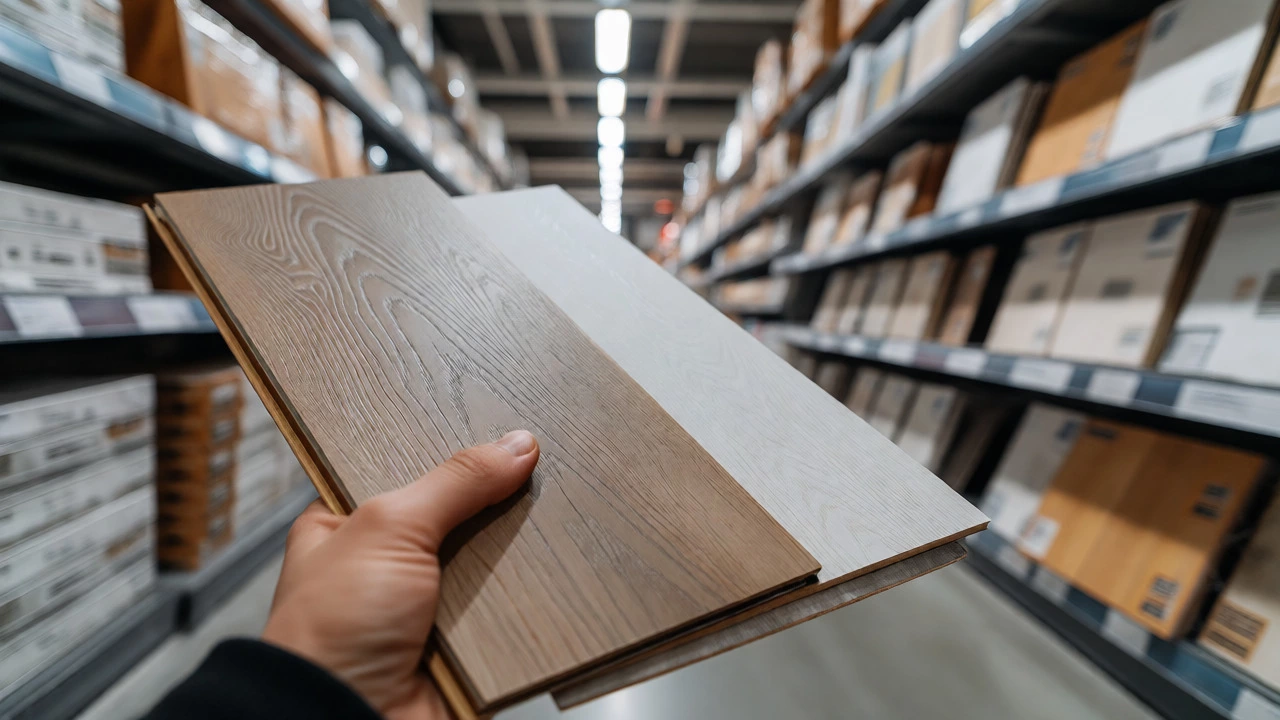
Not all wallpaper is created equal. Your choice depends on the room’s function and your lifestyle. Here’s a quick guide to help you decide:
- Non-Woven: Best for bedrooms and living rooms. It’s breathable, resistant to mold, and easy to strip. This is the standard for most residential projects.
- Vinyl: Ideal for kitchens and bathrooms. It’s washable and moisture-resistant. Look for "scrubbable" labels if you have kids or pets.
- Fabric-Backed: Luxurious and durable. Great for hallways and commercial spaces. It hides minor wall flaws well but comes at a premium price.
- Paper-Backed: Traditional and affordable. Harder to hang because it expands when wet. Best left to professionals or experienced DIYers.
For most homeowners, non-woven is the sweet spot. It balances durability, ease of installation, and cost. Plus, it’s widely available in local hardware stores and online retailers.
Future-Proofing Your Choice
Trends come and go, so how do you pick a design that won’t look dated in five years? Stick to timeless motifs. Geometric shapes, organic textures, and neutral tones tend to age well. Avoid ultra-specific fads, like certain color palettes tied to a specific year’s Pantone selection.
Consider the longevity of your stay. If you plan to sell your home soon, choose broadly appealing designs. Real estate agents often advise against overly personal or controversial patterns. A serene landscape mural or a simple linear print appeals to more buyers than a neon graffiti-style paper. If you’re staying long-term, feel free to experiment. Your home should reflect your personality, not just marketability.
Finally, remember that wallpaper is reversible. If you hate it in two years, you can strip it and repaint. This low-risk nature makes it a safer investment than structural renovations. Don’t let fear of being "out of date" stop you from trying. The real mistake is playing it too safe and ending up with a bland, forgettable space.
Does wallpaper devalue a home?
Generally, no. Modern, tasteful wallpaper can increase perceived value by adding character and finishing details. However, outdated or poorly installed wallpaper can be a negative for buyers who dislike renovation work. Neutral, high-quality installations are usually viewed positively.
Can I use wallpaper in a bathroom?
Yes, but you must choose the right material. Vinyl or scrubbable wallpaper is necessary to withstand humidity and steam. Ensure the room has adequate ventilation to prevent mold growth behind the paper.
Is peel-and-stick wallpaper durable?
It is durable for normal household use but may not last as long as pasted wallpaper. Expect 3-5 years of lifespan depending on traffic and sunlight exposure. It is best suited for low-traffic areas like bedrooms or accent walls rather than busy hallways.
How much does wallpaper cost compared to painting?
Wallpaper is typically more expensive upfront. While paint might cost $20-$40 per square meter including labor, wallpaper ranges from $50 to $150+ per square meter. However, wallpaper lasts longer and doesn't require frequent repainting, which can offset costs over time.
What is the best place to start with wallpaper?
Start with a small, enclosed space like a powder room, entryway, or reading nook. These areas allow for bold choices without overwhelming the entire home. It’s a low-risk way to test your tolerance for pattern and color.