Foundation Coverage Checker
Not sure if your foundation issue is covered? Select the scenario below to see how standard insurers typically classify it.
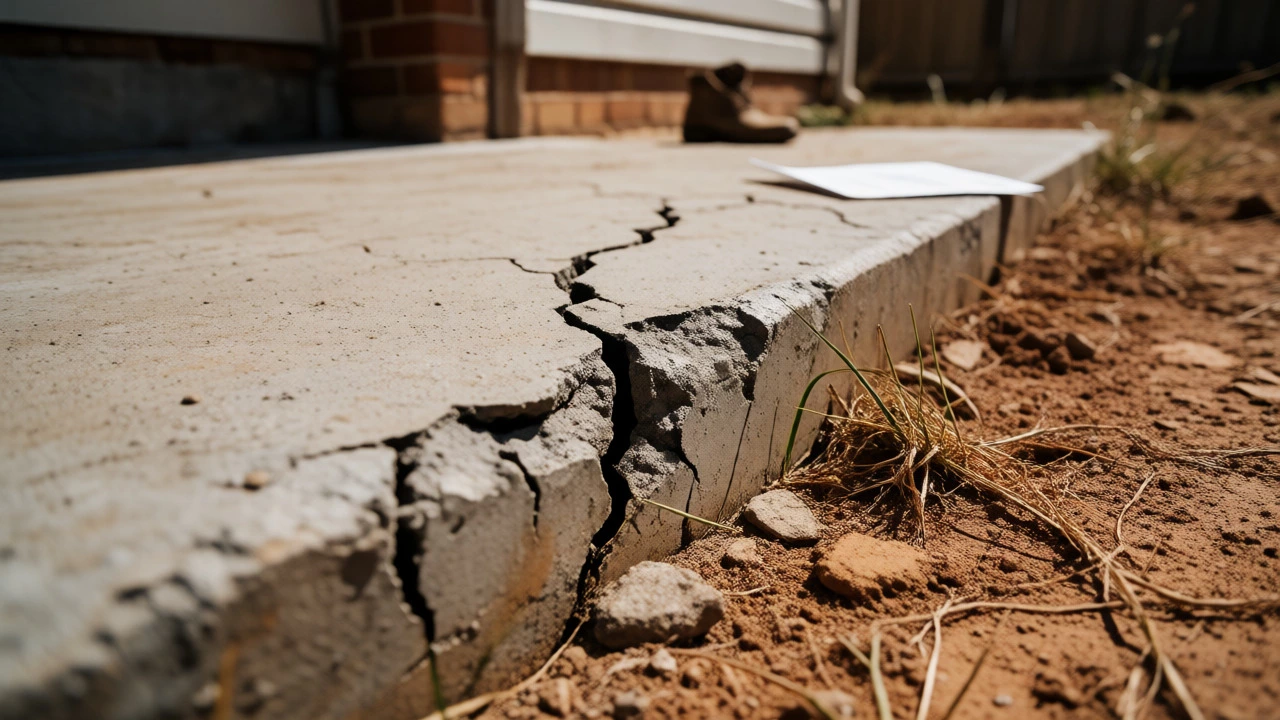
You just spent $15,000 fixing a cracked slab in your Melbourne suburb. You file a claim with your insurer, expecting a cheque to cover the damage. Instead, you get a polite rejection letter stating that foundations are structural elements typically excluded from standard home insurance policies due to their classification as permanent fixtures subject to gradual wear and soil movement. It feels like a scam. Why would you pay premiums for years only to be told the most critical part of your house isn't covered?
The answer isn't about loopholes or sneaky fine print. It comes down to how insurers calculate risk versus how homeowners perceive damage. Insurance is designed for sudden, accidental events-like a burst pipe or a storm-damaged roof. Foundations fail slowly, often due to environmental factors that change over decades. This distinction creates a massive gap in coverage that leaves many homeowners exposed when the ground beneath them starts shifting.
The Core Principle: Sudden vs. Gradual Damage
To understand why your policy says "no," you have to look at what insurance actually covers. Standard home insurance is built on the principle of indemnity for unexpected losses. Think of it like car insurance. If you hit a tree, that's an accident. If your engine seizes because you never changed the oil, that's maintenance. Insurers will pay for the tree collision, but they won't pay for the neglected engine.
Foundations fall into the "engine" category. They don't usually break suddenly unless there is a catastrophic event like a sinkhole or a major earthquake (which often requires separate cover). Most foundation issues stem from soil movement, such as clay shrinkage during droughts or expansion during heavy rains. This process happens over months or years. Because it is predictable and progressive, insurers classify it as a maintenance issue rather than an insurable peril.
This logic frustrates homeowners because the result looks the same: a broken wall. But the cause dictates the payout. A fallen branch cracking a window is covered. The slow settling of a house causing that same crack is not. Understanding this "sudden vs. gradual" rule saves you from filing doomed claims and wasting time.
What Exactly Is Considered a Foundation?
Not everything touching the ground is excluded. There is a specific legal and technical definition of what constitutes the foundation in an insurance context. Generally, the foundation includes the concrete slab, footings, stumps, piers, and beams that support the structure. These are considered permanent parts of the property.
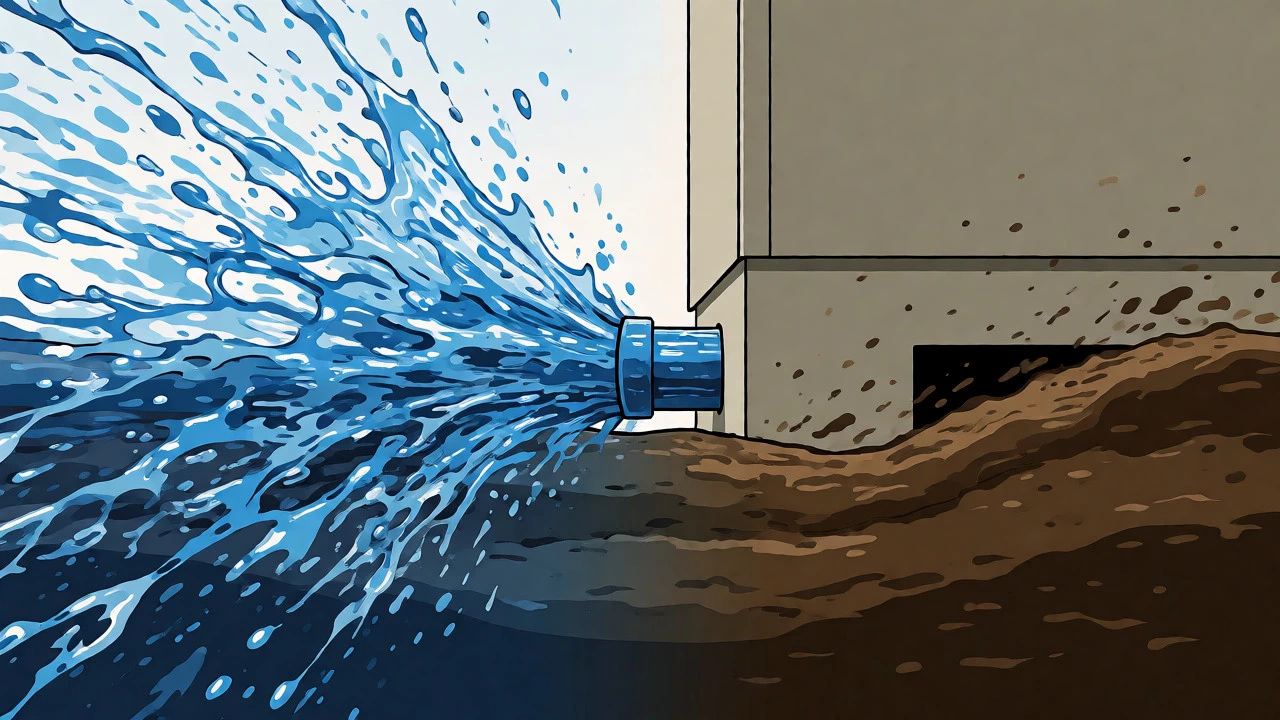
However, other below-ground elements might have different rules. For example, if a water main bursts under your driveway, the excavation to fix the pipe might be covered under certain plumbing clauses, even though it involves digging near the foundation. But if the water leak causes the soil to shift and cracks your slab? That structural damage is likely excluded.
| Element | Coverage Status | Reasoning |
|---|---|---|
| Concrete Slab | Excluded | Permanent fixture; susceptible to gradual soil movement. |
| Stumps/Piers | Excluded | Structural support system; considered part of the building frame. |
| Burst Water Main | Partially Covered | Sudden event; excavation costs may be covered if specified. |
| Earthquake Damage | Separate Cover | Requires specific natural disaster endorsement. |
The Role of Soil and Climate in Australia
If you live in Melbourne or other parts of Australia, soil type is your biggest enemy. Many suburbs sit on reactive clay soils. These soils swell when wet and shrink when dry. In recent years, extreme weather patterns have accelerated this cycle. When the ground moves, it pushes against your footings. Over time, this stress causes cracks.
Insurers know this. They see high claim rates for structural movement in specific postcodes. To manage this risk, they exclude foundations entirely from standard policies. If they covered every crack caused by seasonal soil changes, premiums would skyrocket for everyone. By excluding it, they keep base premiums lower, forcing homeowners to budget for long-term structural maintenance separately.
This doesn't mean you're helpless. Some specialized policies offer "subsidence" cover, but these are rare and expensive. More commonly, you need to rely on home warranty schemes for new builds or proactive maintenance for older homes.
New Builds vs. Established Homes
Your coverage situation depends heavily on the age of your house. If you bought a brand-new home in a development estate, you aren't relying on insurance for foundation problems. You are relying on the Domestic Building Warranty. In Victoria, for example, builders must provide six years of structural warranty cover. This protects you against defective workmanship and materials, including foundation failures caused by poor construction.
Once that six-year period expires, the warranty ends. Now, you are in the same boat as owners of established homes. Your home insurance will not step in. This transition point is where many owners get caught out. They assume their ongoing insurance premiums replace the builder's warranty. They don't. The warranty covers defects; insurance covers accidents. Once the defect liability period ends, the responsibility for structural integrity shifts entirely to you.
When Might Insurance Actually Pay?
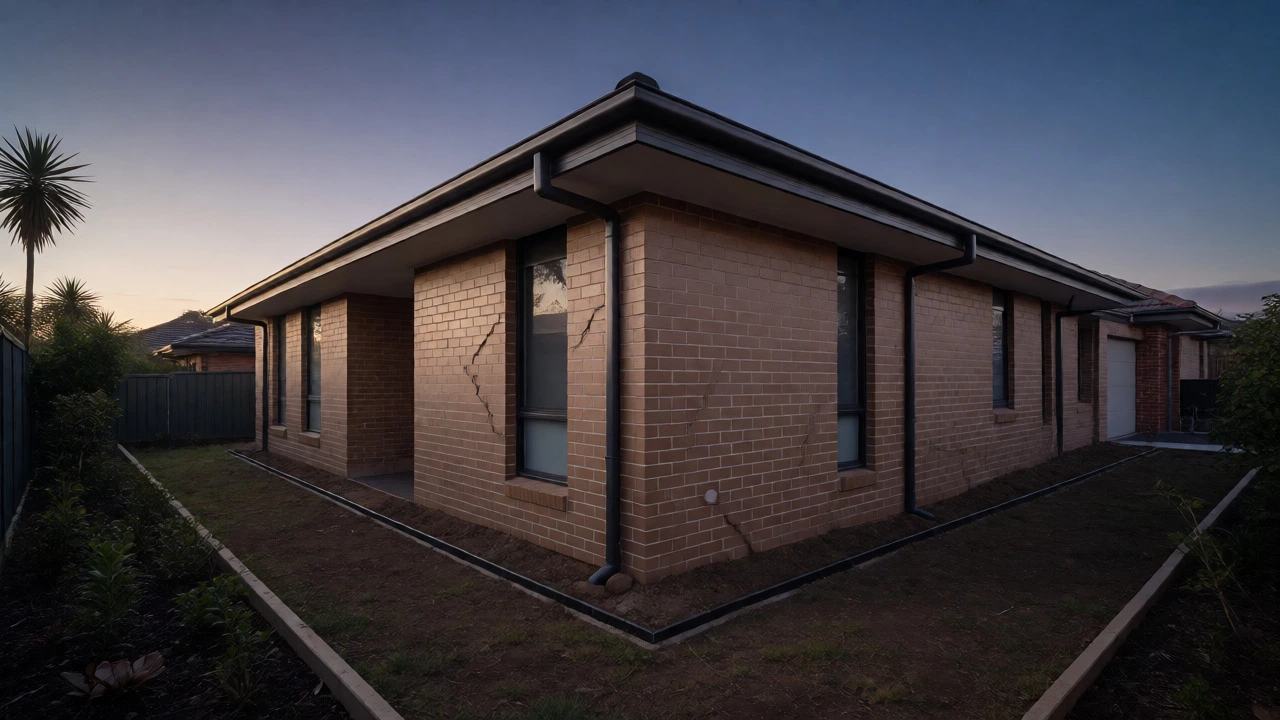
Are there any exceptions? Yes, but they are narrow. If a covered peril directly damages the foundation, you might get paid. Let's say a large tree falls on your house during a storm. The impact cracks the footing. Here, the tree fall is the insured event. The repair of the footing is necessary to restore the house. In this case, the insurer pays for the access and repair, not because they cover foundations, but because they cover storm damage.
Another exception involves utility leaks. If a sewer line breaks under your slab, causing the soil to wash away and the slab to settle, some policies cover the cost of accessing the leak. However, they rarely cover the cost of leveling the slab itself. Always check your specific policy wording regarding "access costs." This is a common area of dispute.
How to Protect Yourself Without Insurance
Since you can't insure your foundation, you have to maintain it. This is the most practical advice you'll find. Regular inspections can catch small issues before they become $20,000 repairs. Keep trees trimmed back. Large trees extract moisture from the soil, increasing shrinkage risks. Ensure your drainage systems work correctly. Standing water near footings leads to erosion and instability.
Consider setting up a sinking fund specifically for structural maintenance. Treat it like a mandatory bill. Every month, put aside money for potential future repairs. This financial buffer reduces the shock when a structural engineer finally recommends underpinning or pier replacement.
Also, document everything. Take photos of your walls annually. If a crack appears, note the date. If it grows, measure it. This history helps prove whether damage was sudden or gradual if you ever try to argue a claim based on a specific incident.
Does home insurance cover subsidence?
Generally, no. Standard home insurance policies exclude subsidence (the gradual sinking of the ground supporting the building) because it is considered a maintenance issue. However, some comprehensive policies or specific endorsements may cover sudden subsidence caused by a covered peril, such as a burst water main washing away soil. Always check your policy exclusions list for terms like "ground movement" or "settlement."
Can I add foundation cover to my existing policy?
It is difficult to add standalone foundation cover to a standard home insurance policy. Most mainstream insurers do not offer it as an optional extra. You may need to look for specialist structural warranty providers or consider a self-insured approach by saving for repairs. Some premium-tier policies might include limited structural cover, but read the fine print carefully for caps and exclusions.
Who pays for foundation repairs in a rental property?
The landlord is responsible for structural repairs, including foundations, as part of maintaining the property in a habitable condition. Since insurance usually excludes this, the cost falls on the owner. Tenants should report cracks or sticking doors early so the landlord can address minor issues before they become major structural failures.
Does earthquake insurance cover foundations?
Yes, if you have specific earthquake cover. Earthquake policies typically cover structural damage, including foundations, caused by seismic activity. However, they often have higher excesses (deductibles) compared to standard fire and theft policies. Note that earthquake cover does not automatically include subsidence from non-seismic soil movement.
What is the difference between settlement and heave?
Settlement occurs when the soil compresses, causing the foundation to sink. Heave occurs when the soil expands (often due to increased moisture), pushing the foundation upward. Both are forms of ground movement typically excluded from standard home insurance. Heave can sometimes cause more severe cracking than settlement because it lifts the structure unevenly.