

Construction Salary & Career Explorer
Select a trade below to view detailed salary ranges, risk factors, and training duration based on industry data.
Elevator Installer
Highest Steady Pay
High Risk SpecializedPowerline Installer
Hazard Pay Heavy
Extreme Risk OutdoorStructural Ironworker
Union Stronghold
High Risk HeightsBoilermaker
Industrial Focus
Explosion Risk Heat StressNuclear Decon Tech
Regulatory Heavy
Radiation CertifiedWind Turbine Tech
Emerging Niche
Growing Demand Hybrid SkillsTrade Details
Skill scarcity and safety responsibility drive these premium wages.
Click on any trade card above to see detailed compensation insights.
You might picture a construction worker as someone swinging a hammer or laying bricks, but that image misses the high-stakes, high-skill reality of the industry’s top earners. The person making the most money on a job site isn’t always the one doing the heaviest lifting; often, it’s the specialist solving the most dangerous or complex problems. If you’re wondering who actually takes home the biggest paycheck in this sector, the answer shifts depending on risk, skill scarcity, and union strength.
The Elevator Installer consistently ranks as the highest-paid trade in construction across many developed markets, including Australia and the United States. This role combines extreme physical demands with specialized technical knowledge, creating a perfect storm for high compensation. But they aren’t alone at the top. Powerline installers, nuclear decontamination technicians, and structural ironworkers also command six-figure incomes, though their paths to those paychecks look very different.
Why Elevator Installers Lead the Pack
Let’s start with the undisputed champion: the elevator installer. According to data from the U.S. Bureau of Labor Statistics (BLS) and Australian equivalent bodies like Jobs and Skills Australia, elevator mechanics and installers typically earn between $80,000 and $100,000+ annually, with senior specialists exceeding $120,000. In Melbourne, where I live, the demand for high-rise residential buildings keeps these rates competitive.
Why so high? It’s not just about installing a box that goes up and down. These professionals handle hydraulic systems, electrical wiring, safety brakes, and computerized control panels-all while working in tight, vertical shafts. One mistake can drop an elevator car, risking lives. The training is rigorous, often requiring a four-year apprenticeship followed by years of on-the-job specialization. You’re dealing with heavy machinery in confined spaces, which limits supply. Not everyone can handle the claustrophobia and the precision required. That scarcity drives the wage.
Also, consider the maintenance aspect. Elevators don’t just get installed; they need constant servicing. This creates a recurring revenue stream for firms, allowing them to pay higher wages to retain skilled techs who can diagnose electronic faults quickly. If you’re looking for stability plus high pay, this trade checks both boxes.
The Danger Premium: Powerline and Nuclear Specialists
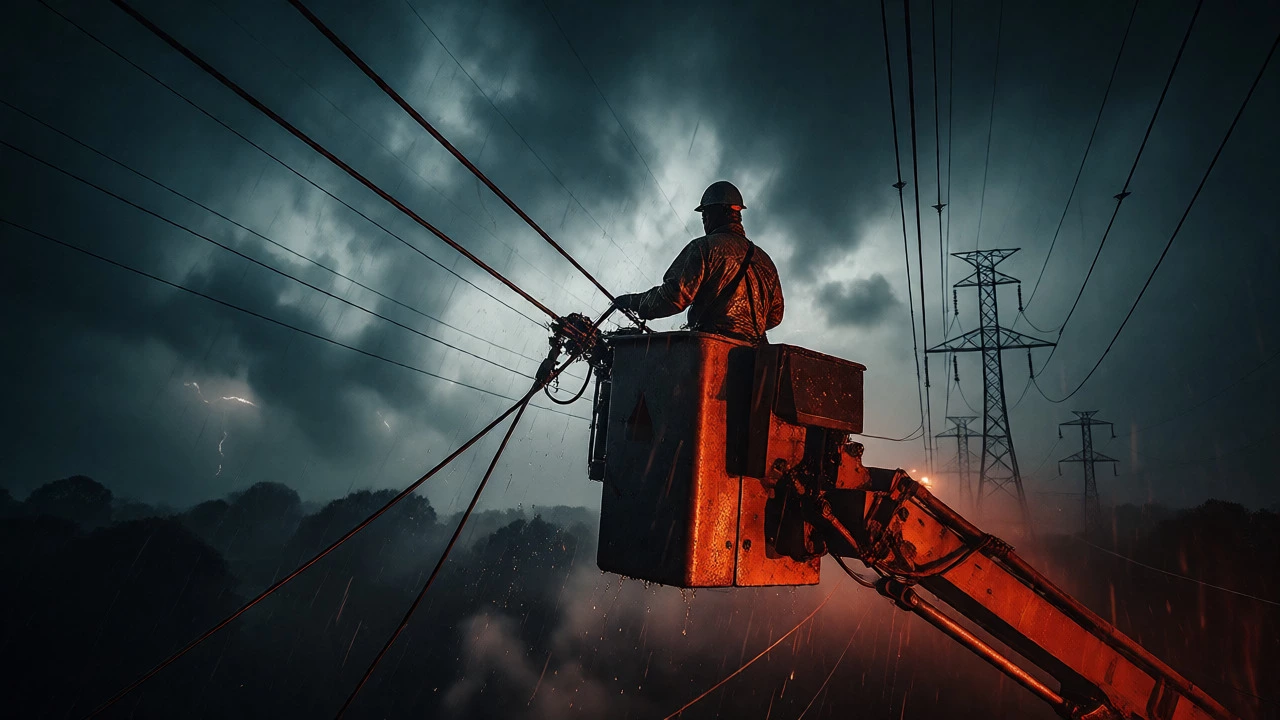
If we move beyond standard building sites, two roles stand out for sheer earning potential tied to hazard pay: Powerline Installer and Nuclear Decontamination Technician. These jobs aren’t for the faint-hearted. Powerline workers climb poles or operate bucket trucks near high-voltage lines, often in bad weather. A slip here isn’t just a bruise; it’s potentially fatal.
Because of this risk, powerline installers often earn $75,000 to $95,000 starting out, with overtime pushing annual totals well over $100,000. In remote areas of Australia, such as the Pilbara or Outback Queensland, fly-in-fly-out (FIFO) workers can make even more due to isolation allowances. The key here is that you’re being paid partly for your willingness to work when storms hit and everyone else stays inside.
Nuclear decontamination technicians take danger to another level. They clean radioactive materials from equipment and structures. While fewer in number than elevator installers, their pay reflects the specialized health risks and strict regulatory compliance. In countries with active nuclear sectors, these specialists can earn upwards of $100,000. However, the barrier to entry is steep-you need specific certifications and often pass medical screenings that regular tradespeople don’t face.
Structural Ironworkers and Boilermakers
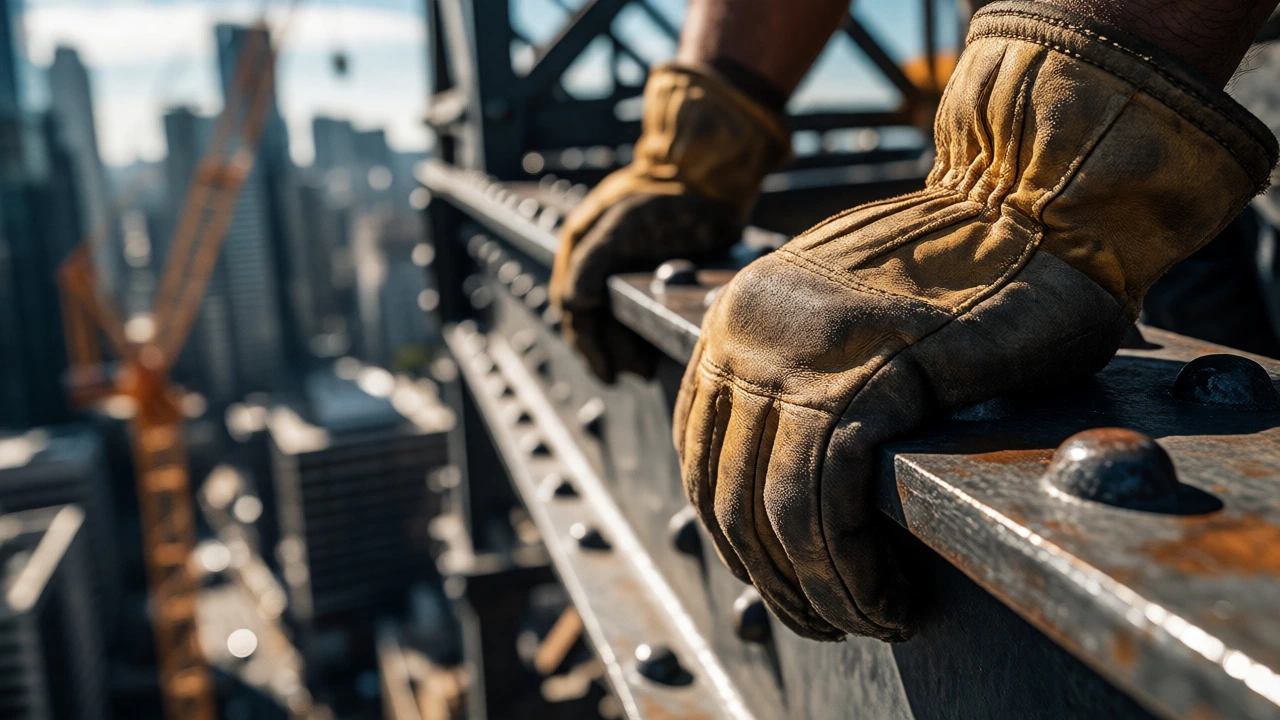
You’ve seen them: the people walking on steel beams hundreds of feet in the air without much protection. Structural Ironworkers are highly compensated for their fearlessness and skill. They assemble frameworks for skyscrapers, bridges, and stadiums. Like elevator installers, they require long apprenticeships and strong union representation, which historically drives wages up.
In major metropolitan areas like New York or Sydney, experienced ironworkers can earn $90,000 to $110,000. The work is seasonal in some climates, meaning winters might slow things down, but summer crunches lead to massive overtime pay. This volatility is a double-edged sword: you might make bank in June but struggle in July if projects dry up.
Boilermakers also rank high, particularly in industrial settings. They fabricate and repair large containers that hold liquids and gases under pressure. Think oil refineries, power plants, and shipyards. Because boiler failures can cause catastrophic explosions, the margin for error is tiny. This responsibility translates into salaries ranging from $70,000 to $95,000. Unlike residential builders, boilermakers often work on fixed-term contracts in industrial hubs, offering lump-sum payments that can be lucrative if you manage your finances wisely during downtime.
How Location and Unions Impact Pay
Geography matters massively. A crane operator in rural Kansas earns differently than one in downtown Manhattan or central Melbourne. High-cost-of-living areas naturally have higher wages to offset housing and living expenses. But beyond cost of living, union density plays a huge role. In regions with strong unions, such as parts of Victoria in Australia or the Northeastern US, collective bargaining ensures minimum wage floors and benefits packages that non-union shops can’t match.
For example, an electrician in a unionized environment might earn 20% more than a peer in a non-union state, simply because the union negotiates better rates and pension contributions. When evaluating "who is the highest paid," you must ask: are they unionized? Are they in a city or a rural area? These factors can swing earnings by tens of thousands of dollars.
| Trade Role | Average Base Salary | Key Risk Factor | Training Duration |
|---|---|---|---|
| Elevator Installer | $85k - $120k+ | Confined space, mechanical failure | 4-5 Years Apprenticeship |
| Powerline Installer | $75k - $100k+ | High voltage, heights, weather | 3-4 Years + Certification |
| Structural Ironworker | $70k - $110k | Falls from height, heavy loads | 3-4 Years Apprenticeship |
| Boilermaker | $65k - $95k | Explosion risk, heat stress | 3-4 Years Apprenticeship |
| Nuclear Tech | $80k - $100k+ | Radiation exposure | Specialized Certifications |
Management vs. Trade: The Ceiling Problem
Here’s a common misconception: people assume managers always out-earn tradespeople. While project managers and superintendents can earn $120,000 to $150,000+, they often work longer hours and carry immense administrative stress. Meanwhile, a senior elevator mechanic or a specialized welder might out-earn a mid-level manager without ever touching a spreadsheet.
Trades offer a clearer path to high income without necessarily needing a university degree. You spend time learning hands-on skills rather than sitting in meetings. However, the ceiling for trades is lower than for executives. A CEO of a major construction firm will always out-earn a bricklayer. But for the average worker wanting financial security, mastering a niche trade like elevator installation or underwater welding offers a faster route to six figures than climbing corporate ladders.
Emerging High-Pay Niches
The industry is changing. Renewable energy projects are creating new high-pay opportunities. Wind turbine technicians, for instance, are seeing rising wages as wind farms expand globally. They combine climbing skills with electrical expertise, similar to powerline workers but focused on rotating machinery. Starting salaries are around $50,000, but experienced techs on offshore platforms can exceed $90,000.
Similarly, automation and robotics integration in construction are demanding new skills. Workers who can operate and maintain robotic bricklayers or automated surveying drones are becoming valuable. These aren’t traditional trades yet, but early adopters are commanding premiums because few people possess the hybrid skill set of manual dexterity and digital literacy.
Quick Summary / Key Takeaways
- Elevator Installers generally hold the title for highest steady salary due to complexity and safety requirements.
- Hazard pay significantly boosts earnings for Powerline and Nuclear specialists.
- Union membership can increase base wages by 15-20% compared to non-union roles.
- Location matters: Urban centers and remote industrial zones (like mining regions) offer higher pay than suburban areas.
- Skill scarcity drives wages: rarer skills like underwater welding or nuclear decon pay more than general carpentry.
Frequently Asked Questions
Do all construction workers earn high salaries?
No. Entry-level laborers and general helpers often earn modest wages, typically between $35,000 and $50,000 annually. High earnings are reserved for skilled tradespeople with specialized certifications, extensive experience, or those working in hazardous conditions.
Is a college degree required for the highest-paid construction jobs?
Generally, no. Most high-paying construction roles require vocational training, apprenticeships, or specific technical certifications rather than a four-year university degree. For example, elevator installers undergo rigorous on-the-job training and licensing exams.
How does overtime affect construction salaries?
Overtime can significantly boost annual income, sometimes adding 20-30% to base pay. Trades like powerline installation and emergency repairs often involve irregular hours and weekend work, which are compensated at higher hourly rates.
Are women represented in the highest-paid construction roles?
Representation is growing but still low. Women are increasingly entering trades like electrical work and plumbing, and some are reaching leadership positions. However, physical demands and workplace culture have historically favored male-dominated fields, though diversity initiatives are improving access.
What is the difference between gross and net pay in construction?
Gross pay is your total earnings before taxes and deductions. Net pay is what hits your bank account. In construction, especially for contractors, you may receive higher gross pay but bear additional costs like insurance, tools, and vehicle expenses, reducing your net take-home amount.
Next Steps for Career Seekers
If you’re eyeing these high-paying roles, start by researching local apprenticeship programs. Contact unions directly-they often have waiting lists that open periodically. Consider getting certified in multiple skills; an electrician who also knows HVAC or solar installation becomes more versatile and valuable. Finally, prioritize safety records. Employers pay more for reliable workers who don’t cause costly accidents. Your reputation for reliability is as valuable as your technical skill.