Commercial Property Classifier
Not sure if your property counts as commercial? Answer these questions to find out.
Property Details
Select options above and click "Classify Building" to see results.
You walk past them every day. The coffee shop on the corner, the office block downtown, the warehouse on the industrial estate. They all look different, but they share one critical trait: they aren't homes. Understanding what is a commercial building in construction isn't just about labeling real estate; it's about understanding the rules that govern how these structures are built, maintained, and used.
If you're an investor, a developer, or even a homeowner considering converting your garage into a rental unit, this distinction matters. It dictates insurance costs, tax implications, and safety codes. Let's break down exactly what makes a building "commercial" and why the line between residential and commercial can sometimes get blurry.
The Core Definition of a Commercial Building
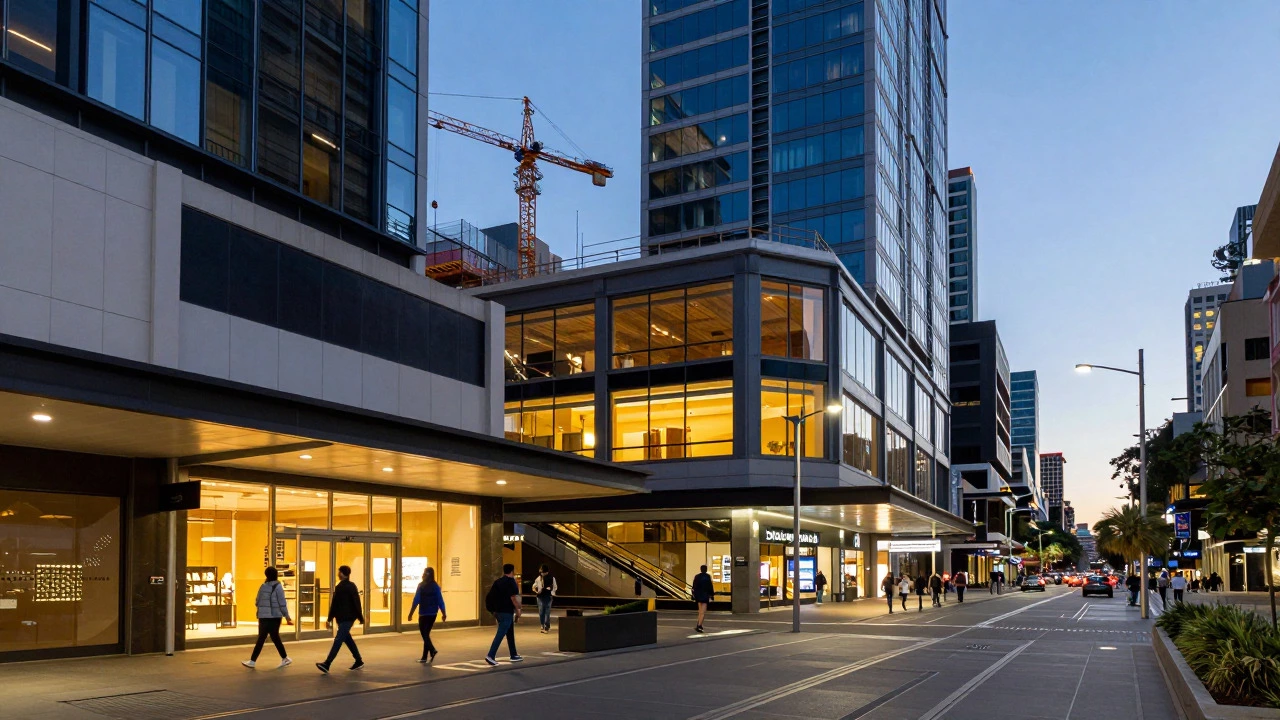
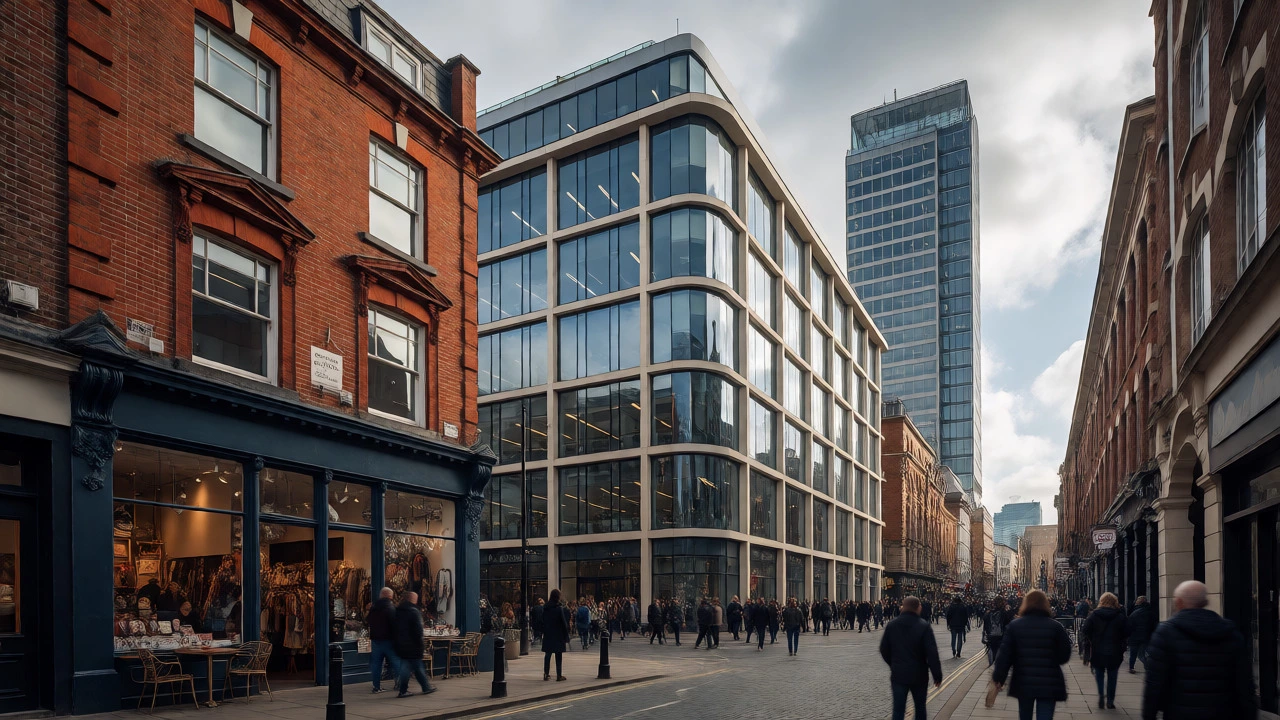
A commercial building is a structure designed primarily for business purposes rather than residential living. This definition seems straightforward, but the legal and practical realities are more nuanced. In construction terms, if the primary use of the space generates income or facilitates business operations, it falls under the commercial umbrella.
This includes everything from massive skyscrapers to small retail shops. The key factor isn't size; it's function. A single-story brick building housing a local bakery is just as "commercial" as a thirty-story corporate headquarters. The International Building Code (IBC), which many jurisdictions adapt, categorizes buildings based on their occupancy group. If the occupancy group is not R-1 through R-4 (which cover various residential uses), it is likely commercial.
Why does this label matter so much? Because the stakes are higher. More people move through a commercial building daily than a typical house. Therefore, the structural requirements, fire safety measures, and accessibility standards are significantly stricter.
Major Types of Commercial Buildings
Not all commercial spaces are created equal. Developers and investors classify them by their specific utility and tenant profile. Here are the most common categories you'll encounter in the market:
- Retail Spaces: These include shopping malls, standalone stores, and restaurants. The design focuses on foot traffic flow, visibility, and customer experience.
- Office Buildings: Designed for professional work, these range from Class A high-rises with premium amenities to smaller suburban office parks. Layouts prioritize natural light, connectivity, and meeting spaces.
- Industrial Facilities: Warehouses, factories, and distribution centers fall here. They require heavy-duty flooring, high ceilings for storage racks, and large loading docks for logistics.
- Mixed-Use Developments: These combine residential units with ground-floor retail or office space. They are increasingly popular in urban planning because they create vibrant, walkable neighborhoods.
- Hospitality Structures: Hotels, motels, and resorts are commercial properties dedicated to lodging. They have unique operational needs, such as extensive laundry facilities and 24/7 maintenance capabilities.
Key Differences Between Residential and Commercial Construction
Many people assume a commercial building is just a bigger house. That’s a dangerous misconception. The construction process differs fundamentally in materials, regulations, and timelines.
| Feature | Residential Construction | Commercial Construction |
|---|---|---|
| Primary Purpose | Living space for individuals/families | Business operations and profit generation |
| Building Codes | Focus on comfort and basic safety | Strict adherence to IBC, ADA, and fire codes |
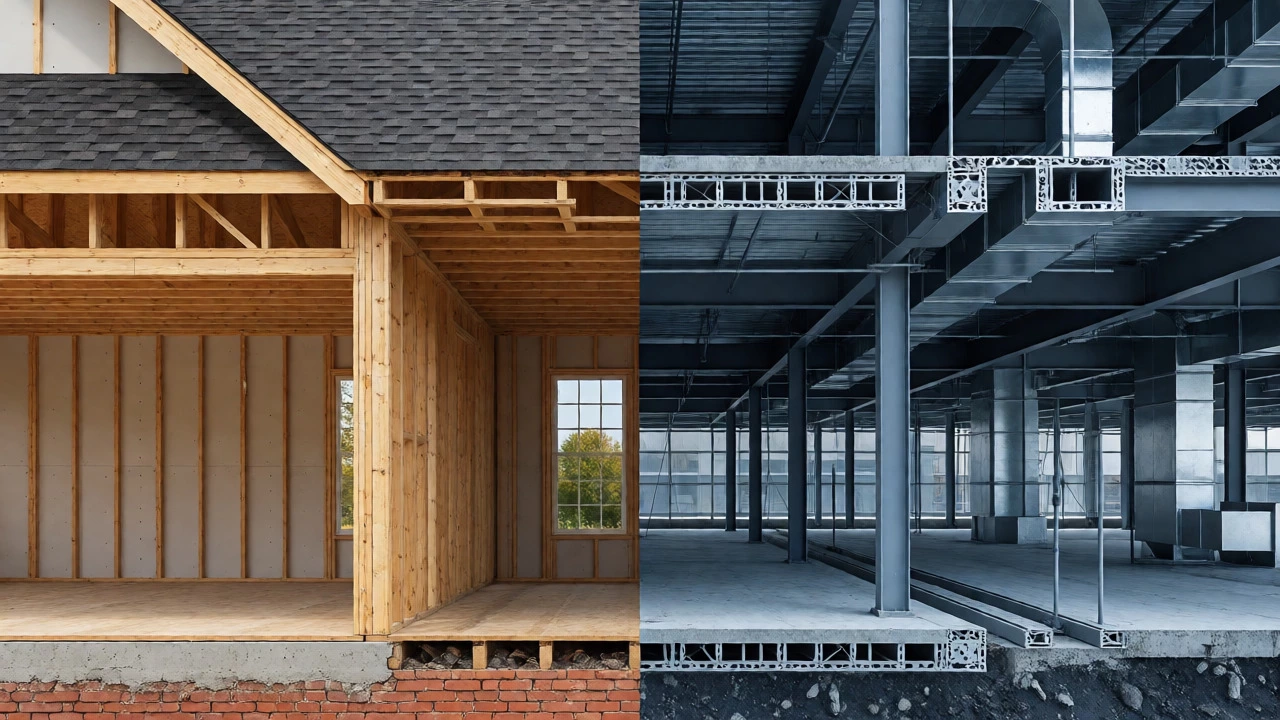
| Materials | Wood framing, drywall, asphalt shingles | Steel, concrete, glass, metal roofing |
| Insurance Costs | Generally lower, standard home policies | Higher, requires specialized commercial liability |
| Tax Implications | Property taxes only | Depreciation benefits, business expense deductions |
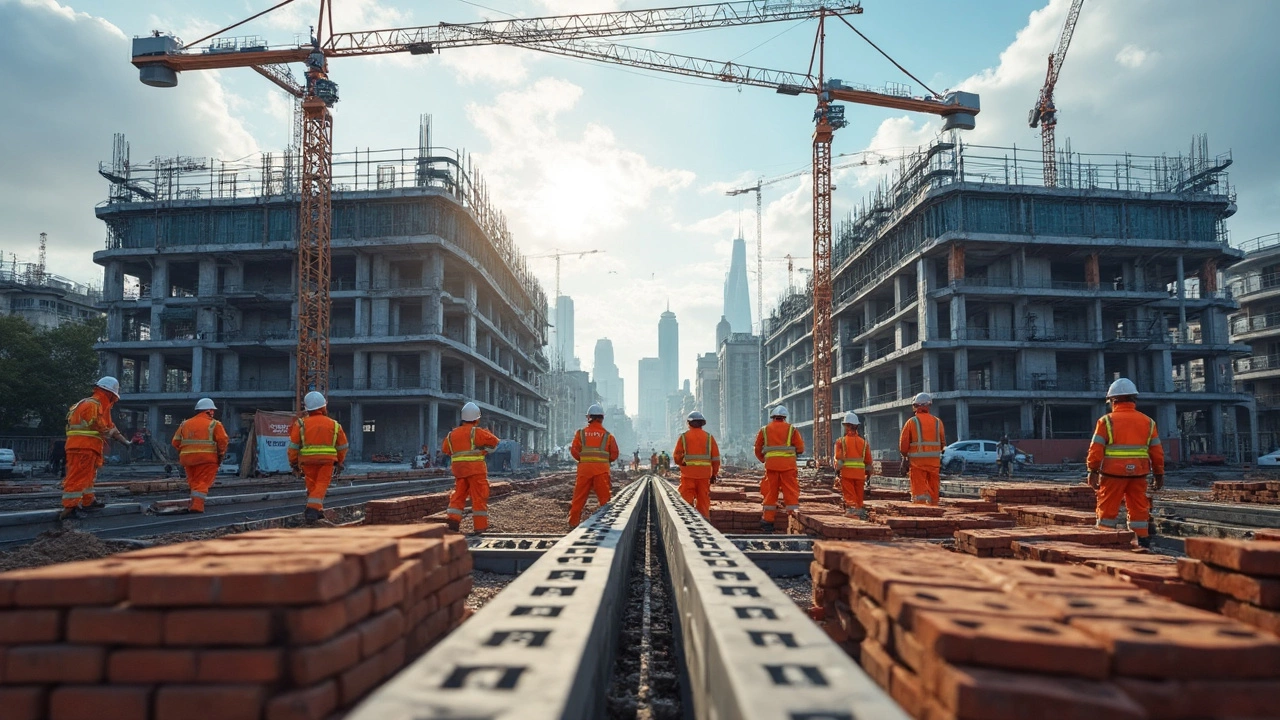
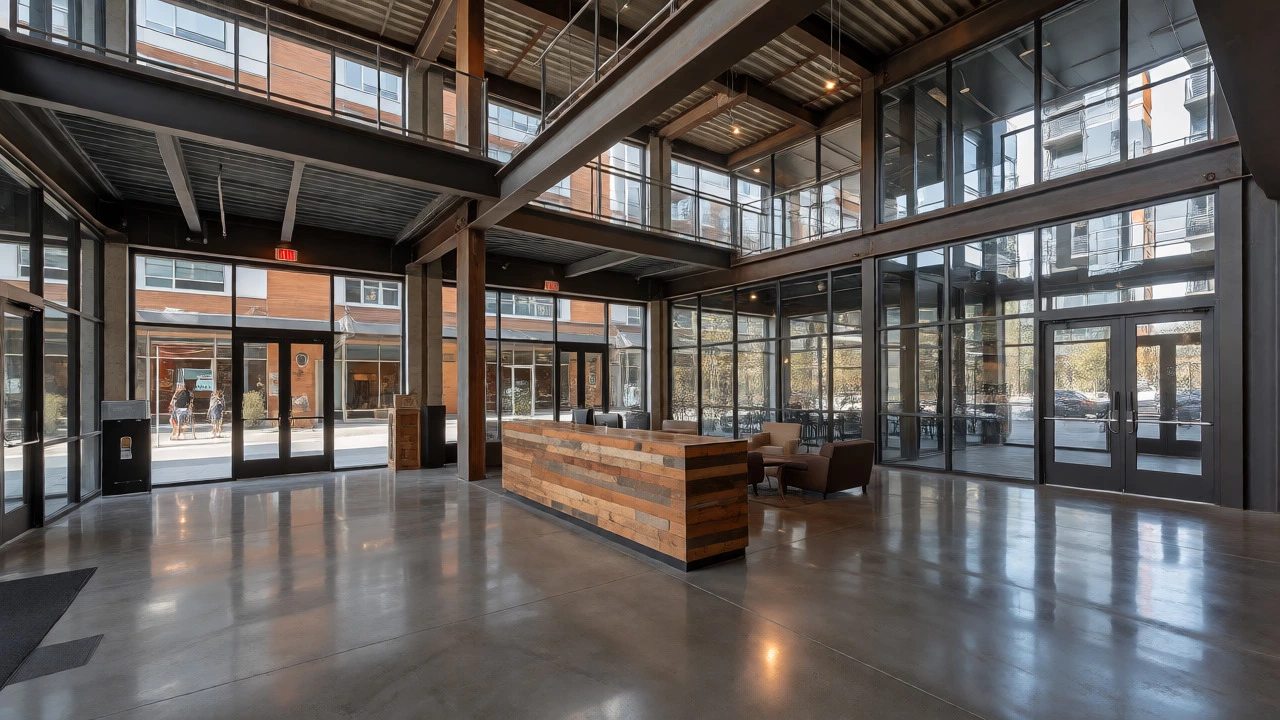
Notice the material difference. While a house might use timber framing, a commercial building often relies on steel beams and reinforced concrete. Why? Durability and load-bearing capacity. Commercial buildings must support heavier equipment, larger crowds, and longer lifespans without significant degradation.
Zoning Laws and Property Classification
You can’t just decide your building is commercial. Local government zoning laws dictate where commercial activities can take place. In Melbourne, for instance, the Planning Scheme specifies zones like Commercial 1 Zone (C1Z) or Industrial 1 Zone (IN1Z). Each zone has specific rules about height limits, setbacks, and permitted uses.
If you own a residential property and want to run a business from it, you might need a conditional use permit. Without proper zoning approval, your "commercial" activity could be deemed illegal, leading to fines or forced cessation of business. Always check the local council’s zoning map before starting any conversion project.
Furthermore, the assessment of property value changes. Commercial properties are often valued based on their income-generating potential (cap rate) rather than just comparable sales like residential homes. This shifts the entire financial strategy for owners and lenders.
Safety and Accessibility Requirements
Public access drives strict compliance. Under the Disability Discrimination Act (DDA) in Australia and similar laws globally, commercial buildings must ensure accessibility for people with disabilities. This means ramps, wide doorways, accessible restrooms, and elevators are mandatory, not optional extras.
Fire safety is another major differentiator. Commercial buildings require sophisticated sprinkler systems, emergency lighting, clearly marked exit routes, and regular inspections. A small fault in a residential smoke detector is a nuisance; in a crowded theater, it’s a lawsuit waiting to happen. Regular audits by certified professionals are part of the ongoing cost of owning commercial real estate.
Common Misconceptions About Commercial Properties
Let’s clear up some myths that trip up new investors.
Misconception 1: All big buildings are commercial. False. Large apartment complexes are residential. Size doesn’t determine category; usage does.
Misconception 2: You can live in any commercial building. Not usually. Most commercial leases prohibit permanent residence unless specifically zoned for mixed-use or live-work units. Living in a warehouse without proper plumbing and ventilation upgrades can lead to code violations.
Misconception 3: Maintenance is cheaper. Actually, it’s often more expensive per square meter. HVAC systems in office blocks run constantly, and facade cleaning for high-rises is a costly recurring expense.
How to Determine Your Building’s Status
If you’re unsure whether a property counts as commercial, follow these steps:
- Check the Certificate of Occupancy: This document states the approved use of the building.
- Review the Lease Agreement: If you’re a tenant, the lease will specify permitted uses.
- Consult the Local Council: Ask for the zoning classification of the address.
- Analyze Income Source: Is the revenue coming from rent/business operations or personal savings?
Understanding what is a commercial building helps you navigate these questions with confidence. It’s not just about semantics; it’s about aligning your expectations with legal and financial realities.
Can I convert my home into a commercial building?
Yes, but it requires rezoning and possibly a change of use permit. You must also meet commercial building codes, which may involve upgrading electrical systems, adding accessible bathrooms, and improving fire exits. Check with your local planning authority first.
Are warehouses considered commercial buildings?
Yes, warehouses are classified as industrial commercial buildings. They are designed for storage and distribution rather than retail or office work, but they still fall under the broader commercial property category for investment and regulatory purposes.
What is the difference between commercial and mixed-use buildings?
A commercial building is exclusively for business use. A mixed-use building combines commercial spaces (like shops or offices) with residential units in the same structure. Mixed-use properties offer diversification for investors but come with complex management challenges regarding noise and privacy.
Do commercial buildings have higher insurance premiums?
Generally, yes. Because of higher foot traffic, greater liability risks, and more complex systems, commercial insurance policies are typically more expensive than residential ones. Premiums vary based on the type of business conducted within the building.
Who regulates commercial building codes?
Local councils enforce building codes, which are often based on national standards like the National Construction Code (NCC) in Australia or the International Building Code (IBC) in the US. Inspections occur at various stages of construction and periodically thereafter for safety compliance.