Commercial Project Classifier & Risk Assessor
Project Details
Analysis Result
Please enter your project details to see the classification and risk assessment.
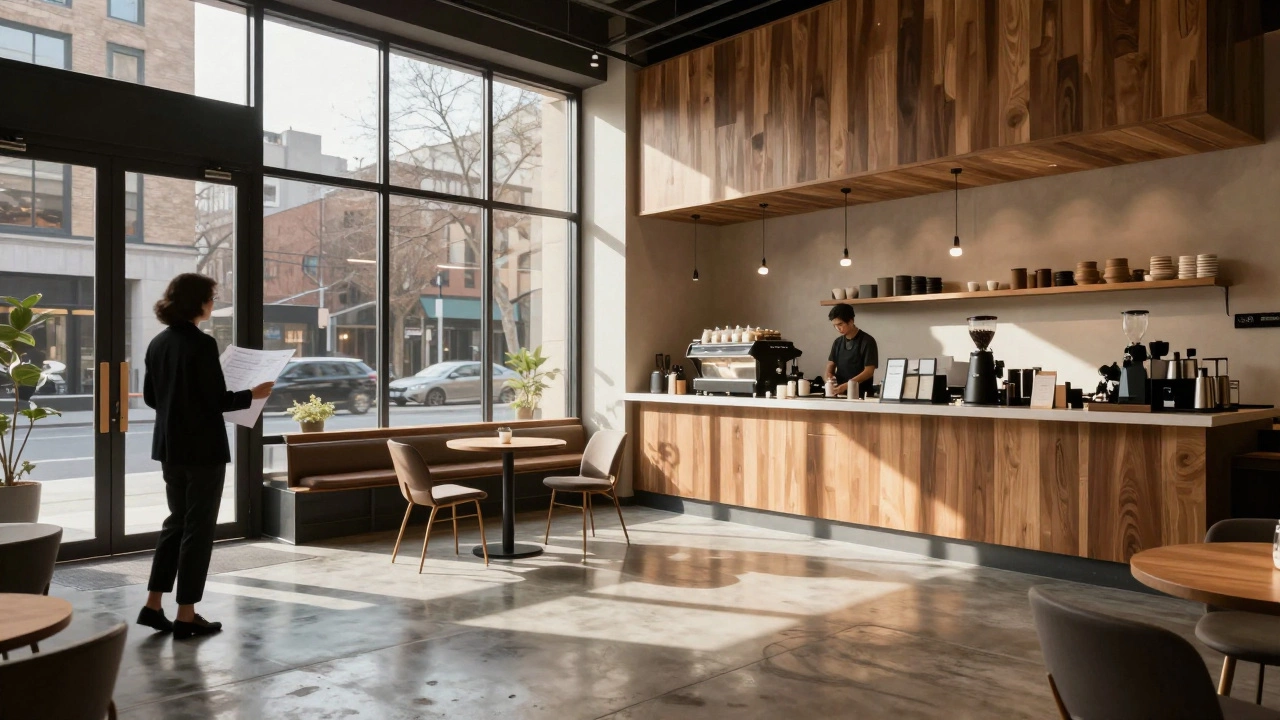
You have a vision. Maybe it’s a sleek coffee shop in the heart of Melbourne, a sprawling logistics warehouse on the outskirts, or a modern office fit-out in the CBD. You call it your "project." But when you pick up the phone to call a builder, an architect, or an insurance agent, they ask one specific question: "Is this a commercial project?"
If you hesitate, you’re not alone. The term sounds official, but it rarely comes with a clear definition. In the world of commercial construction, understanding what makes a project "commercial" is the first step toward getting permits, hiring the right team, and avoiding costly fines.
This isn’t just about semantics. It’s about safety, zoning, and money. Getting this label wrong can mean your building fails inspection, your insurance doesn’t cover a fire, or your contractors walk away because the scope was misunderstood. Let’s break down exactly what constitutes a commercial project, how it differs from residential work, and why that distinction matters more than you think.
The Core Definition: Purpose Over Structure
At its simplest, a commercial project is any construction activity designed to generate income or support business operations. It is not defined by the size of the building, nor by whether it has walls or a roof. It is defined by its purpose.
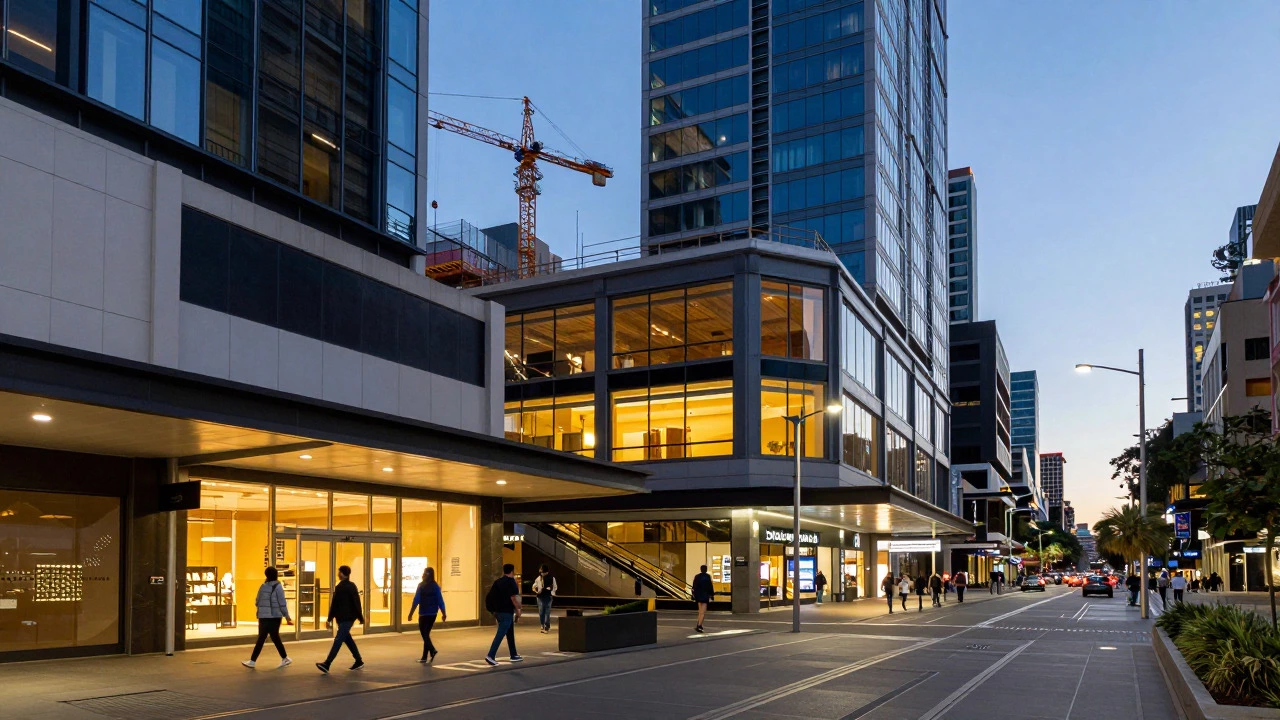
If people are coming into the space to buy something, receive a service, or work for someone else, you are likely looking at a commercial venture. This includes everything from single-story retail shops to multi-level skyscrapers. It covers new builds, major renovations, and even interior fit-outs where the layout changes significantly.
Consider these common scenarios:
- Retail Spaces: Shops, malls, and showrooms where goods are sold directly to consumers.
- Office Buildings: Spaces leased to companies for administrative work, including co-working hubs.
- Hospitality Venues: Restaurants, hotels, bars, and cafes. Even if you live above the restaurant, the dining area is commercial.
- Industrial Facilities: Warehouses, factories, and distribution centers focused on production or storage.
- Healthcare and Education: Clinics, dental offices, private schools, and training centers.
The key takeaway here is intent. If the primary function of the structure is economic activity involving the public or employees, it falls under the commercial umbrella.
Commercial vs. Residential: Why the Line Matters
Most people understand what a house is. It’s a place to sleep, cook, and raise a family. But the line blurs when you start mixing uses. This is where confusion sets in, and where mistakes happen.
Residential construction is building or renovating spaces intended for human habitation as a primary residence. This includes detached homes, apartments, townhouses, and condominiums. The rules governing these projects focus heavily on livability, energy efficiency for occupants, and basic safety.
Commercial projects, however, deal with higher foot traffic, different fire risks, and stricter accessibility requirements. Here is how they differ in practice:
| Feature | Residential Project | Commercial Project |
|---|---|---|
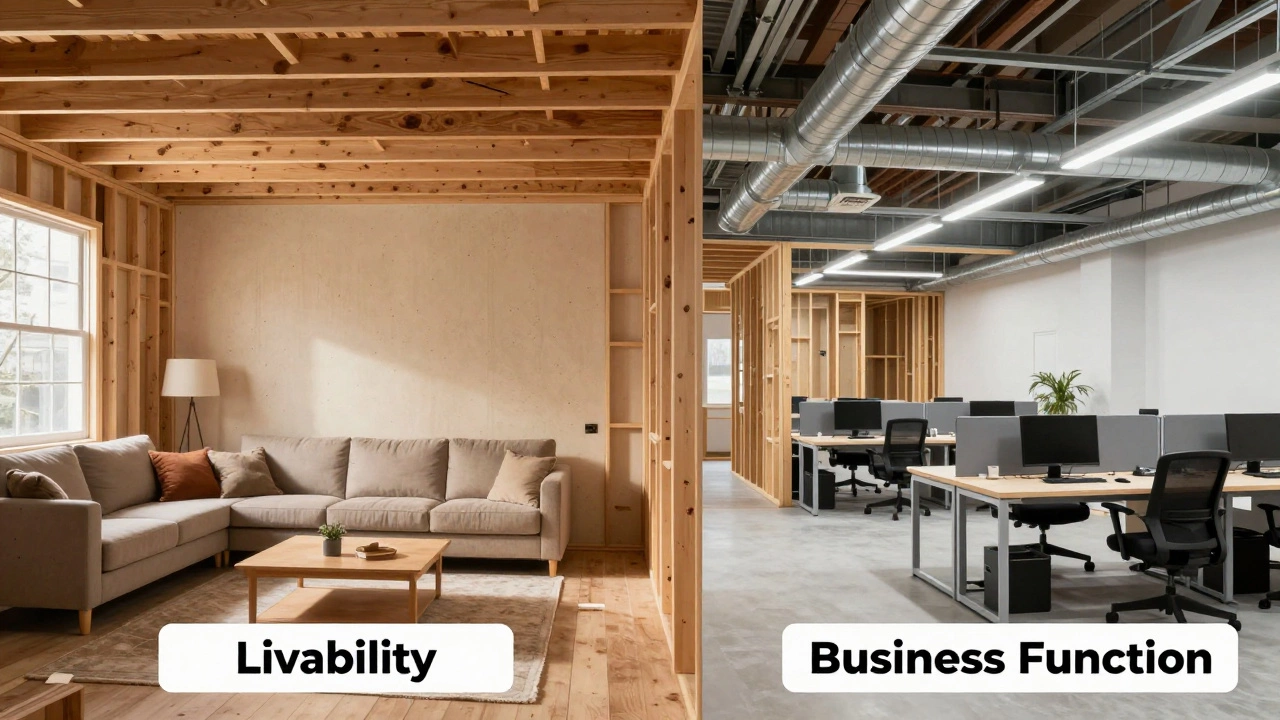
| Primary Goal | Livability and comfort | Profit generation and business function |
| Building Codes | National Construction Code (NCC) Vol 1/2 (Class 1-10) | NCC Vol 1 (Class 2-9), stricter fire/egress rules |
| Materials | Wood framing, standard drywall, residential-grade fixtures | Steel/concrete, fire-rated assemblies, heavy-duty HVAC |
| Permitting | Simpler, often faster approval process | Complex, requires engineers, architects, and council review |
| Accessibility | Minimal requirements (private dwelling) | Mandatory compliance with Disability Discrimination Act (DDA) |
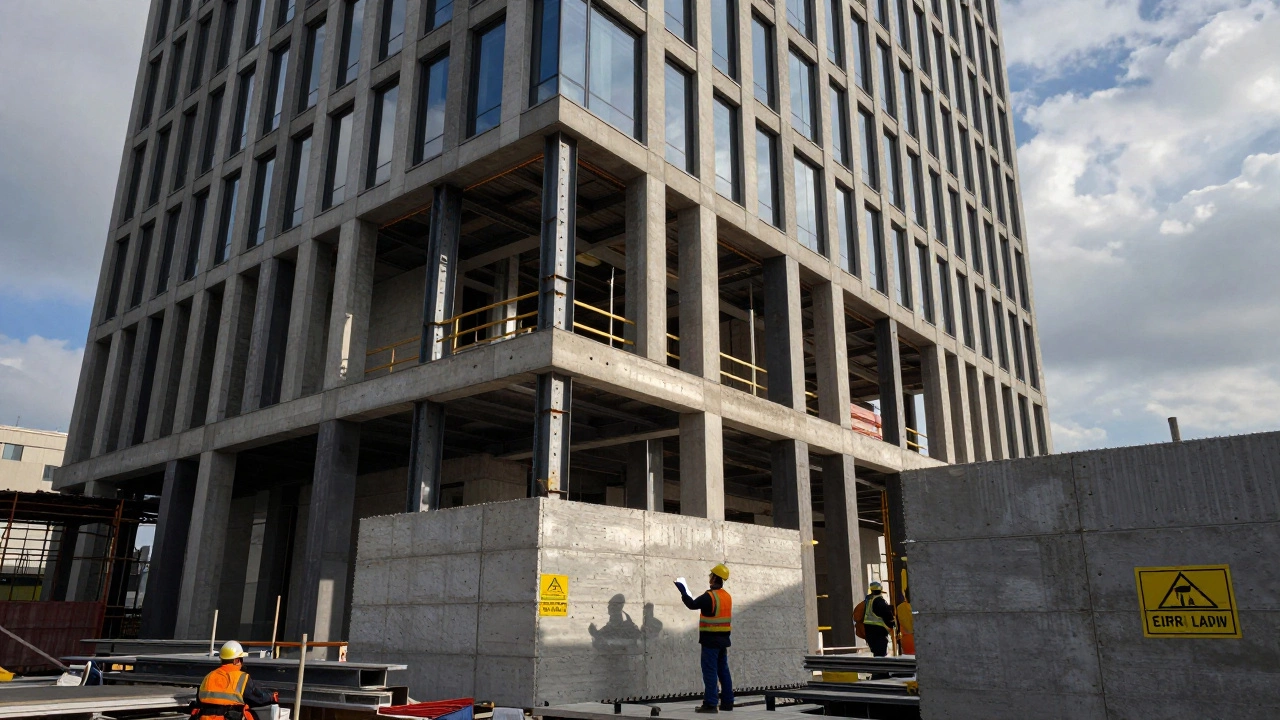
Notice the difference in materials? Residential builders might use wood studs because they are easy to cut and cheap. Commercial builders often use steel or concrete because these materials resist fire better and handle heavier loads. If you try to build a cafe using residential-grade electrical wiring, you will fail inspection immediately. The load is simply too high.
The Gray Area: Mixed-Use and Home-Based Businesses
Life isn’t always black and white. Many property owners in cities like Melbourne operate in the gray zone. What happens if you run a bakery out of your garage? Or if you convert the ground floor of your apartment building into a boutique?
In Australia, the National Construction Code (NCC) categorizes buildings into classes. Understanding these classes helps clarify the "commercial" label.
- Class 1: Detached dwellings (houses). Purely residential.
- Class 2: Multi-unit dwellings (apartments). Still residential, but with shared corridors.
- Class 6: Assembly or recreation (shops, restaurants, theaters). Definitely commercial.
- Class 7: Storage or trade (warehouses, workshops). Commercial.
- Class 8: Factories (manufacturing). Commercial.
- Class 9: Institutions (hospitals, schools, prisons). Commercial/Public.
If you turn part of your Class 1 home into a Class 6 shop, that section becomes a mixed-use development. Suddenly, the entire building may need to be upgraded to meet commercial standards. You can’t have a fire-safe office next to a non-fire-rated bedroom wall without separating them properly. This is why local councils are strict about zoning. They want to ensure that the residential neighbors aren’t disturbed by commercial noise, traffic, or waste.
Even small changes matter. Installing a commercial kitchen hood system in a former living room triggers commercial plumbing and ventilation codes. It’s no longer just a renovation; it’s a change of use.
Why Classification Impacts Your Budget and Timeline
Knowing whether your project is commercial affects your wallet in three major ways: labor costs, material costs, and regulatory fees.
Labor Specialization
Commercial contractors charge differently than residential handymen. A commercial electrician needs to know how to install three-phase power systems, complex lighting controls, and data cabling for hundreds of devices. These skills command higher rates. However, commercial teams also work faster due to standardized processes. You pay more per hour, but the job gets done quicker.
Material Durability
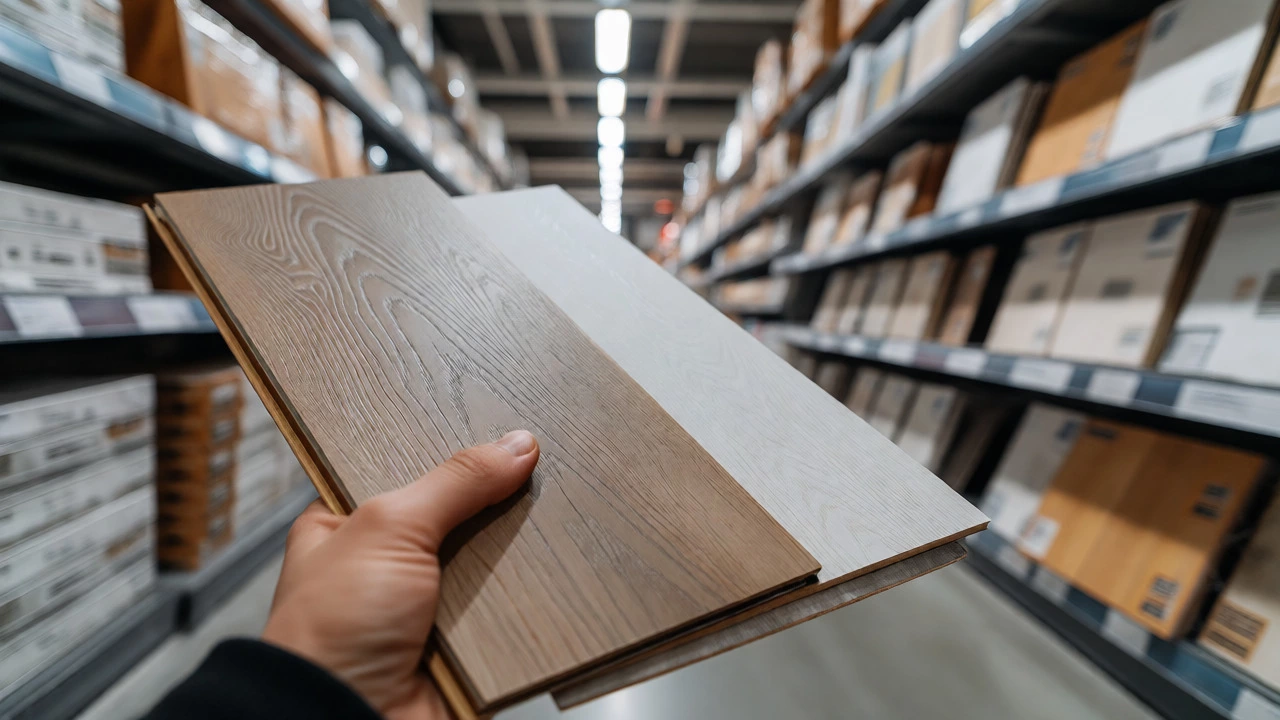
Commercial floors take a beating. Think about a busy cafe where tables are dragged across the surface all day. You can’t use standard laminate. You need polished concrete, terrazzo, or heavy-duty vinyl. Walls need to withstand impact. Doors need automatic openers for accessibility. These materials cost significantly more upfront but save money on repairs later.
Regulatory Fees and Inspections
Commercial projects require more eyes on them. You will likely need structural engineers, fire consultants, and acoustic specialists to sign off on plans before you lay a single brick. Each consultant charges a fee. Council inspections are more frequent and rigorous. In Melbourne, for example, a commercial building permit application involves detailed documentation that a simple deck extension does not.
Common Pitfalls to Avoid
When starting a commercial project, inexperienced owners often make assumptions that lead to delays. Here are the most frequent errors:
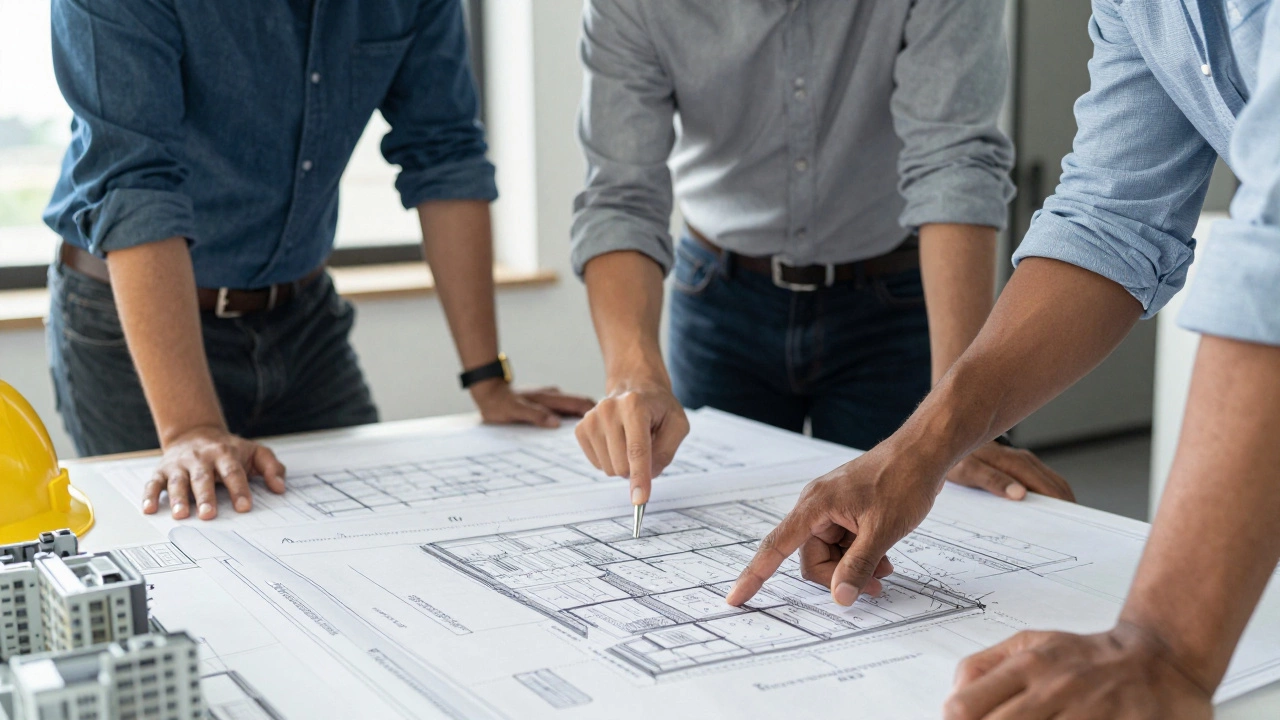
- Underestimating Design Time: Residential designs can be sketched quickly. Commercial designs require coordination between multiple disciplines. Allow extra time for architectural and engineering drawings.
- Ignoring Accessibility Laws: Failing to include wheelchair ramps, accessible toilets, or tactile paths can result in legal action under the Disability Discrimination Act. Fixing this after construction is exponentially expensive.
- Assuming Zoning Allows Use: Just because a building looks like a shop doesn’t mean it’s zoned for retail. Check your local planning scheme (e.g., Yarra Planning Scheme or City of Melbourne Planning Scheme) before buying or renovating.
- Skipping Pre-Construction Surveys: Older commercial buildings may contain asbestos or outdated electrical systems. A thorough survey prevents health hazards and budget shocks during demolition.
How to Start Your Commercial Project Correctly
Ready to move forward? Follow this logical path to ensure your project is classified and executed correctly.
Step 1: Define the Use
Be precise. Are you selling food? Storing goods? Providing professional services? Write down the exact activities that will happen inside the space. This determines the building class.
Step 2: Check Zoning
Contact your local council or hire a town planner. Verify that your intended use is permitted in the current zoning. If not, you may need a planning permit, which adds months to the timeline.
Step 3: Hire the Right Team
Look for architects and builders with specific commercial experience. Ask for case studies of similar projects. A residential builder who tries to tackle a commercial fit-out will likely struggle with the code compliance issues.
Step 4: Engage Consultants Early
Bring in a fire engineer and an accessibility consultant during the design phase. Their input now prevents costly redesigns later.
Step 5: Secure Financing
Commercial loans differ from home loans. Lenders assess the viability of the business plan, not just the property value. Ensure your financial model accounts for higher construction costs and potential downtime during renovations.
Is a duplex considered a commercial project?
Generally, no. A duplex is typically classified as Class 1a or Class 2 under the National Construction Code, making it residential. However, if you rent out individual rooms to transient guests (like a hostel), it may shift to Class 3 (boarding houses), which has different regulations but is still primarily residential-focused rather than commercial retail.
Do I need a commercial license to build my own shop?
In Australia, owner-builders can construct residential homes but are generally prohibited from constructing commercial buildings without appropriate licenses. Commercial construction requires licensed professionals due to the complexity of codes and safety risks. Attempting DIY commercial work can void insurance and lead to severe legal penalties.
How long does it take to get permits for a commercial project?
Timeline varies by location and complexity. In Melbourne, a straightforward commercial fit-out might take 4-8 weeks for permit approval. Larger new builds or complex mixed-use developments can take 3-6 months or more, depending on council workload and community consultation requirements.
Can I convert a warehouse into apartments?
Yes, this is a common adaptive reuse strategy. However, it requires changing the building class from Class 7 (storage) to Class 2 (residential). This involves significant upgrades to insulation, natural light, plumbing, and fire safety systems to meet residential habitability standards.
What is the biggest cost driver in commercial construction?
Labor and specialized MEP (Mechanical, Electrical, Plumbing) systems are usually the largest cost drivers. Unlike residential homes, commercial buildings require complex HVAC systems for large spaces, advanced fire suppression systems, and robust data infrastructure, all of which require skilled tradespeople.