Civil Construction Cost Estimator
Project Parameters
Total Estimated Cost
Based on current market rates for metropolitan areas
Cost Breakdown
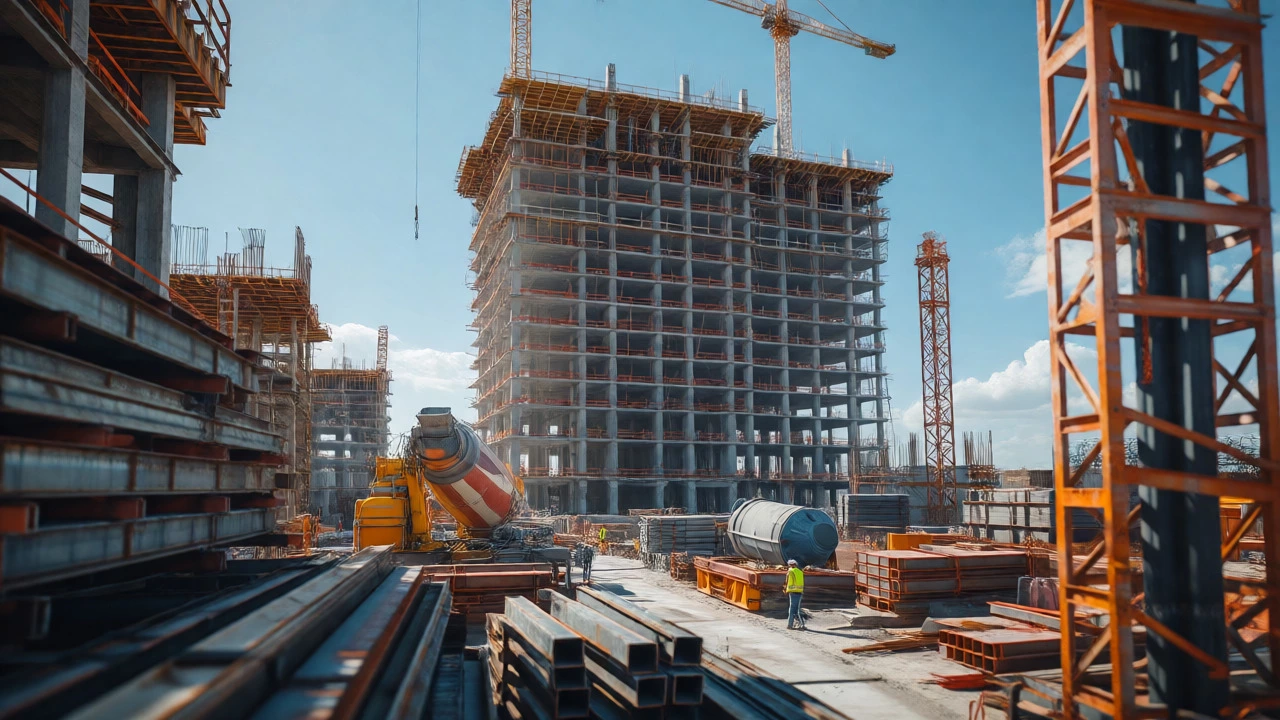
You see the crane on the horizon. You hear the rumble of heavy machinery at dawn. But before that first brick is laid for a new shopping center or hospital, someone has to build the world around it. That’s where civil construction comes in. It is the invisible backbone of modern life. Without it, your roads would be mud, your water wouldn’t run, and your electricity might not reach your home.
Civil construction isn’t about building the structure you walk into; it’s about building the foundation-literally and figuratively-that makes the structure possible. It covers everything from digging trenches for pipes to paving highways. If you are planning a commercial project, understanding what falls under this umbrella is critical for budgeting, scheduling, and avoiding costly delays.
The Core Components of Civil Construction
When people ask what civil construction includes, they often think only of roads. The reality is much broader. It encompasses any construction activity that improves the natural environment for human use. We can break this down into three primary buckets: earthworks, utilities, and surface infrastructure.
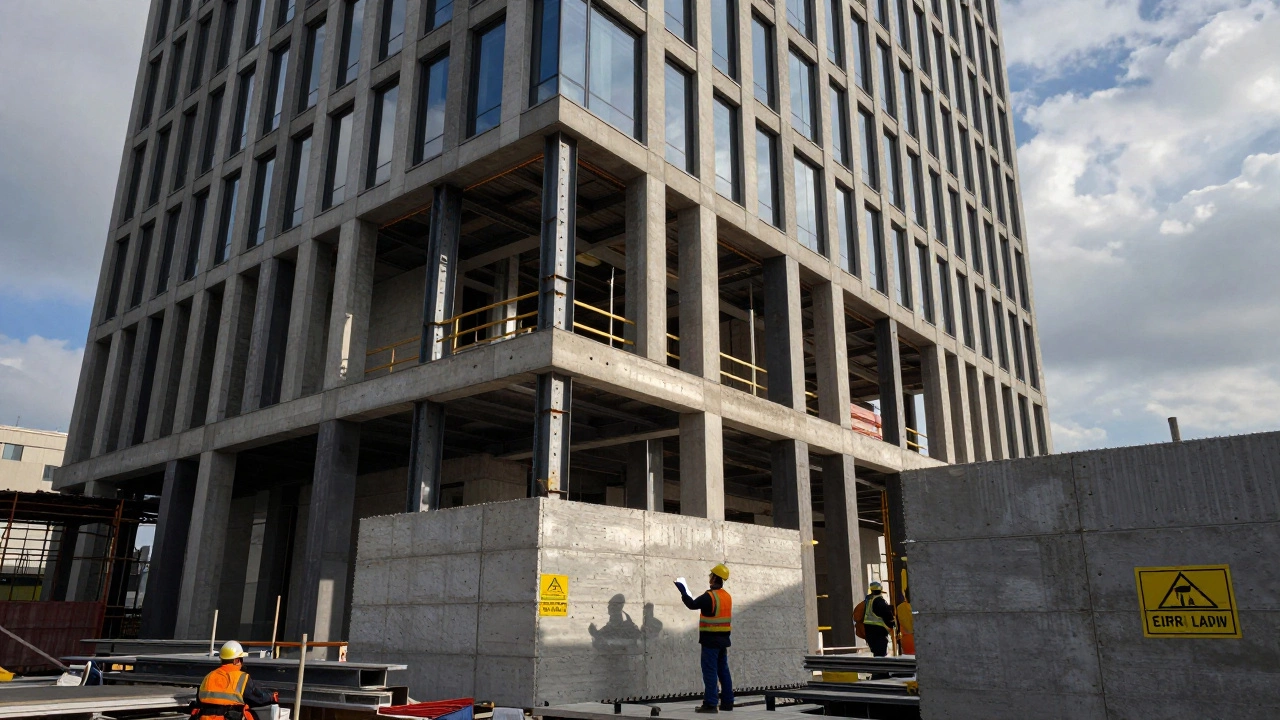
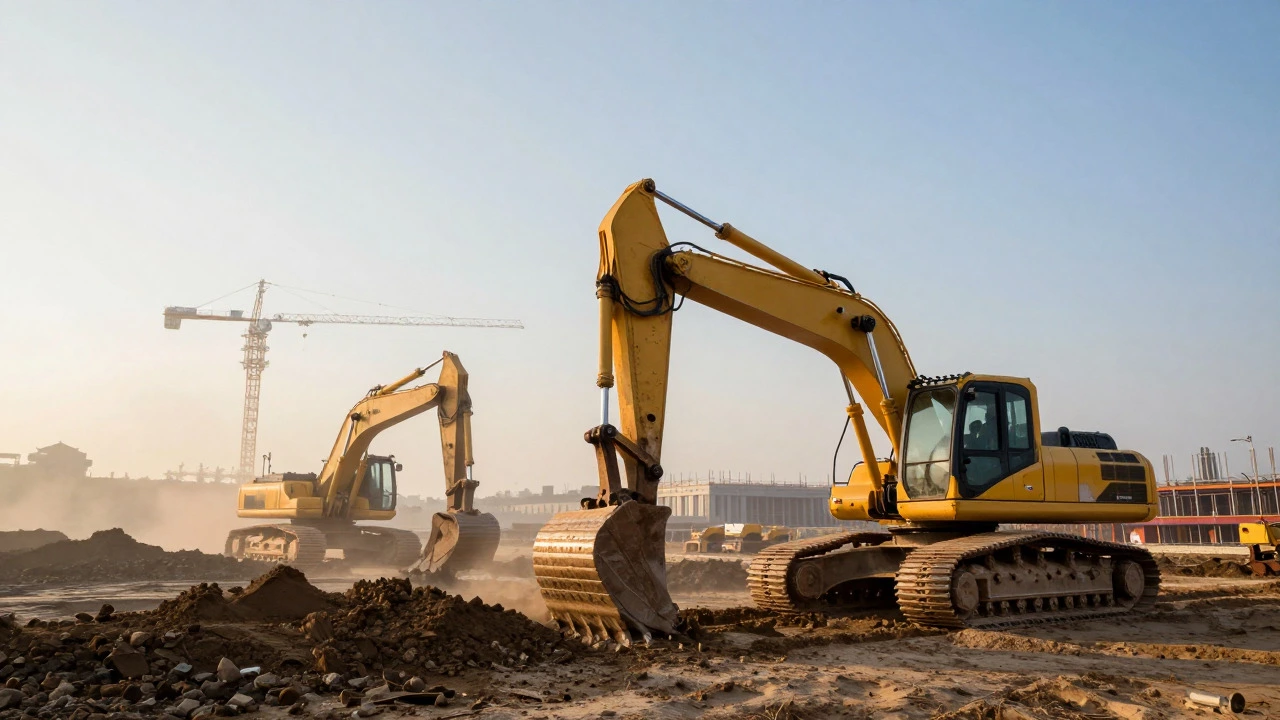
Earthworks are the starting point for almost every major project. This involves moving massive amounts of soil, rock, and gravel. Think of leveling a hill to create a flat pad for a warehouse or cutting through a ridge to make way for a highway. It requires precision. If the ground isn't compacted correctly, the buildings sitting on top will sink or crack over time. Engineers calculate load-bearing capacities to ensure the soil can support the weight of future structures.
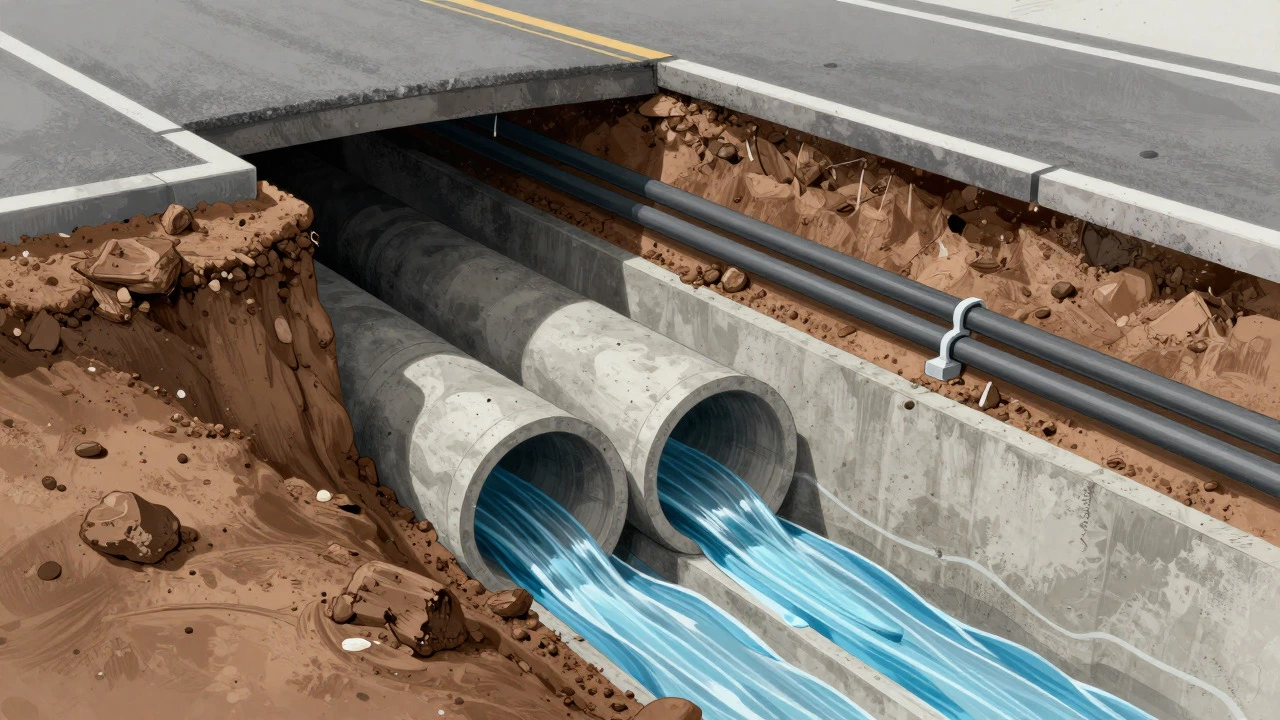
Next come the utilities. These are the underground lifelines. This includes laying sewer lines, stormwater drainage systems, and potable water mains. In Melbourne, where we deal with both heavy rainfall and occasional droughts, designing efficient stormwater management is a huge part of civil engineering. You also have telecommunications conduits and electrical ducts buried deep below the surface. These networks must be mapped meticulously to avoid accidental strikes during excavation.
Finally, there is the surface infrastructure. This is what you see and interact with daily. It includes roadways, bridges, tunnels, and sidewalks. Paving isn't just dumping asphalt; it involves layers of base material, sub-base, and wearing course designed to handle specific traffic loads. A residential driveway needs different specifications than a busy arterial road like the M1.
Civil vs. Building Construction: Knowing the Difference
Confusion between civil and building construction is common, but the distinction matters for contracts and liability. Building construction focuses on the vertical structure-the walls, roof, and interior finishes of a house or office block. Civil construction focuses on the horizontal and subsurface elements that connect those buildings to the wider world.
| Feature | Civil Construction | Building Construction |
|---|---|---|
| Primary Focus | Infrastructure, land shaping, utilities | Structures, interiors, exteriors |
| Typical Projects | Roads, bridges, sewers, dams | Houses, offices, retail stores |
| Key Materials | Concrete, asphalt, steel rebar, soil | Brick, glass, timber, drywall |
| Regulatory Oversight | Local council, transport departments | Building codes, fire safety regulations |
| Timeline | Often precedes building works | Follows site preparation |
In many large commercial developments, these two disciplines overlap. A developer might hire a general contractor who manages both the civil team (digging the footings and laying drains) and the building team (erecting the frame). However, they are distinct trades with different skill sets and equipment.
Site Preparation and Earthmoving
Before any concrete is poured, the land itself must be tamed. Site preparation is arguably the most labor-intensive phase of civil construction. It starts with clearing vegetation and removing topsoil. Topsoil is usually stripped and stored because it is valuable for landscaping later, while the underlying clay or rock is worked with directly.
Grading is the process of reshaping the land to direct water away from future structures. Poor grading leads to flooding basements and eroding foundations. Contractors use laser-guided graders to achieve millimeter-level accuracy across acres of land. Compaction follows, using heavy rollers to squeeze air out of the soil, increasing its density and stability. If you skip proper compaction, you risk differential settlement, where one part of a building sinks faster than another, causing structural damage.
Utility Installation: The Hidden Network
Underground utility installation is a high-stakes game. One wrong move with an excavator can sever a fiber optic cable or burst a gas main, costing thousands of dollars per hour in downtime and repairs. Before digging begins, contractors call services like "Dial Before You Dig" to mark existing lines.
Trenching is the method used to install pipes and conduits. Trenches are dug to specific depths based on local codes and frost lines. In Australia, we worry less about frost heave but more about root intrusion and soil pressure. Pipes are laid, tested for leaks, and then backfilled with selected materials that won't damage the pipe joints. Stormwater systems are particularly complex, often involving retention tanks that hold rainwater during storms and release it slowly to prevent overwhelming local creeks and rivers.
Roads, Pavements, and Traffic Management
Constructing access roads and internal driveways is a key deliverable of civil works. Asphalt pavement construction involves multiple layers. First, a geotextile fabric might be laid to separate soil from aggregate. Then, a crushed rock base is compacted. Finally, hot-mix asphalt is applied in layers, each rolled smooth and dense. Concrete pavements are used for heavier industrial loads, such as truck depots or airports.
During construction, managing traffic flow is essential. If you are widening a road while cars still drive on it, you need temporary lanes, signage, and barriers. Safety is paramount here. Civil contractors must comply with strict occupational health and safety regulations to protect workers and the public. This includes dust control measures, noise mitigation, and spill prevention plans.
Bridges, Retaining Walls, and Drainage Structures
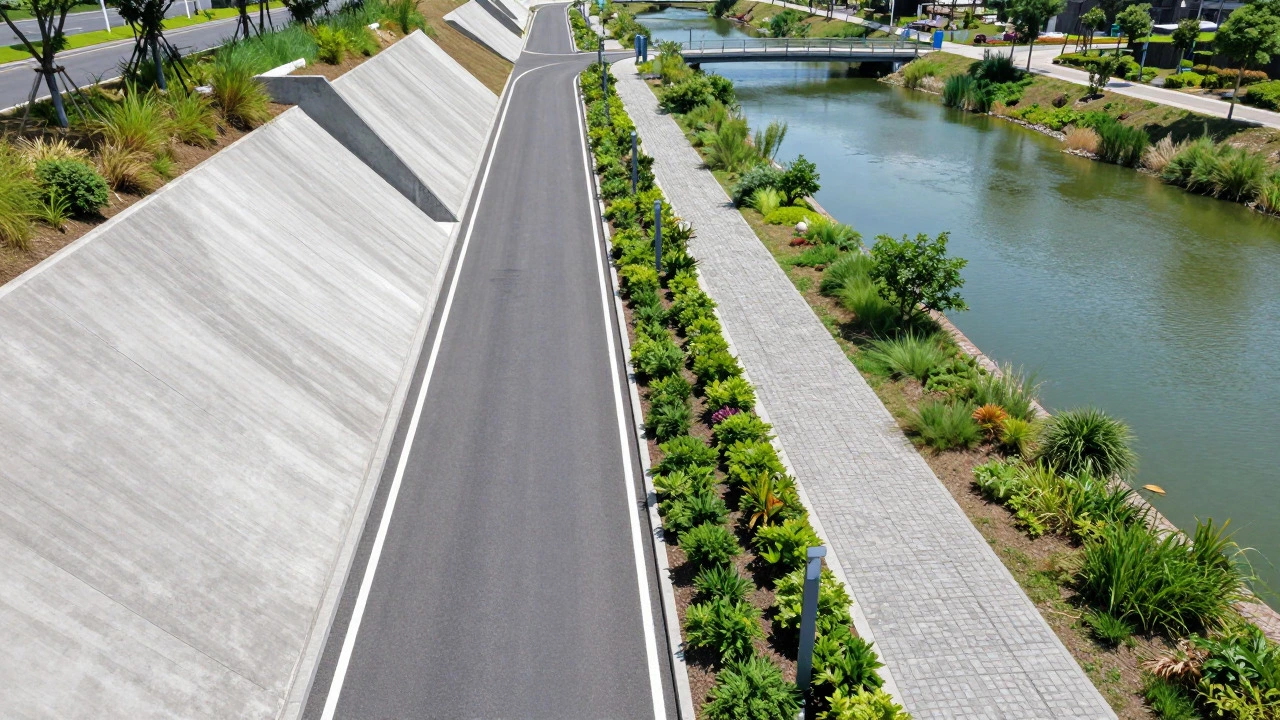
Not all civil work is flat. Bridges span obstacles like rivers, railways, or other roads. Their construction involves deep foundations, often driven piles that go tens of meters into the ground to reach stable bedrock. Retaining walls hold back soil on sloped sites, preventing landslides and creating usable flat areas. These walls must withstand immense lateral pressure from the earth behind them.
Drainage structures include culverts (pipes under roads), box drains, and catch basins. They collect runoff and channel it safely away. In urban environments, green infrastructure is becoming popular. Bioswales and permeable pavements allow water to infiltrate the ground naturally, reducing strain on sewage systems and filtering pollutants. This approach aligns with sustainable design goals and is increasingly required by city councils.
Permits, Regulations, and Environmental Compliance
Civil construction is heavily regulated. You cannot just start digging. You need development approvals, building permits, and environmental impact assessments. In Victoria, for example, you must comply with the Planning and Environment Act. Local councils have specific requirements for stormwater discharge rates, tree protection zones, and heritage overlays.
Environmental compliance is no longer optional. Contractors must manage sediment controls to prevent soil from washing into nearby waterways. Noise and vibration monitoring may be required if working near sensitive receptors like hospitals or schools. Failure to adhere to these rules can result in stop-work orders, hefty fines, and damaged reputations.
Why Understanding Civil Construction Matters for Developers
If you are investing in commercial real estate, ignoring the civil component is a recipe for disaster. Civil works often represent 20-40% of the total project cost for greenfield sites. Delays in obtaining permits or unexpected ground conditions (like finding contaminated soil) can blow out budgets quickly.
Engaging experienced civil engineers early in the design phase helps identify potential issues. They can suggest alternative alignments for roads or drainage paths that save money and time. Clear communication between the civil contractor and the building contractor ensures seamless handover. When the site is ready, the building team can move in without waiting for last-minute trenching or grading fixes.
How long does typical civil construction take?
The timeline varies widely depending on project scale. A simple residential subdivision might take 6-12 months for full infrastructure completion. Large commercial sites with extensive earthworks and utility connections can take 12-24 months. Weather, permit approvals, and unforeseen ground conditions are major factors influencing duration.
Who is responsible for civil works on a new build?
Usually, the property developer hires a specialized civil contractor. In some cases, a general contractor manages the entire process, subcontracting the civil portion. For large public projects, government agencies oversee the work through competitive tender processes.
What are the biggest risks in civil construction?
Unforeseen ground conditions, such as rock pockets or contaminated soil, are significant risks. Other challenges include regulatory delays, extreme weather events disrupting schedules, and accidents involving heavy machinery. Proper site investigation and insurance mitigate these risks.
Does civil construction include landscaping?
Basic earthforming and grading are part of civil works. Detailed landscaping, including planting trees, lawns, and decorative features, is typically handled by landscape architects and specialists after the main civil infrastructure is complete. However, some contracts bundle basic softscaping with civil delivery.
How much does civil construction cost per square meter?
Costs fluctuate based on location, terrain, and complexity. In metropolitan areas like Melbourne, basic site preparation and utility connection might range from $50 to $150 per square meter. Complex projects involving bridges, deep retaining walls, or extensive stormwater systems can exceed $300 per square meter. Always get detailed quotes tailored to your specific site.