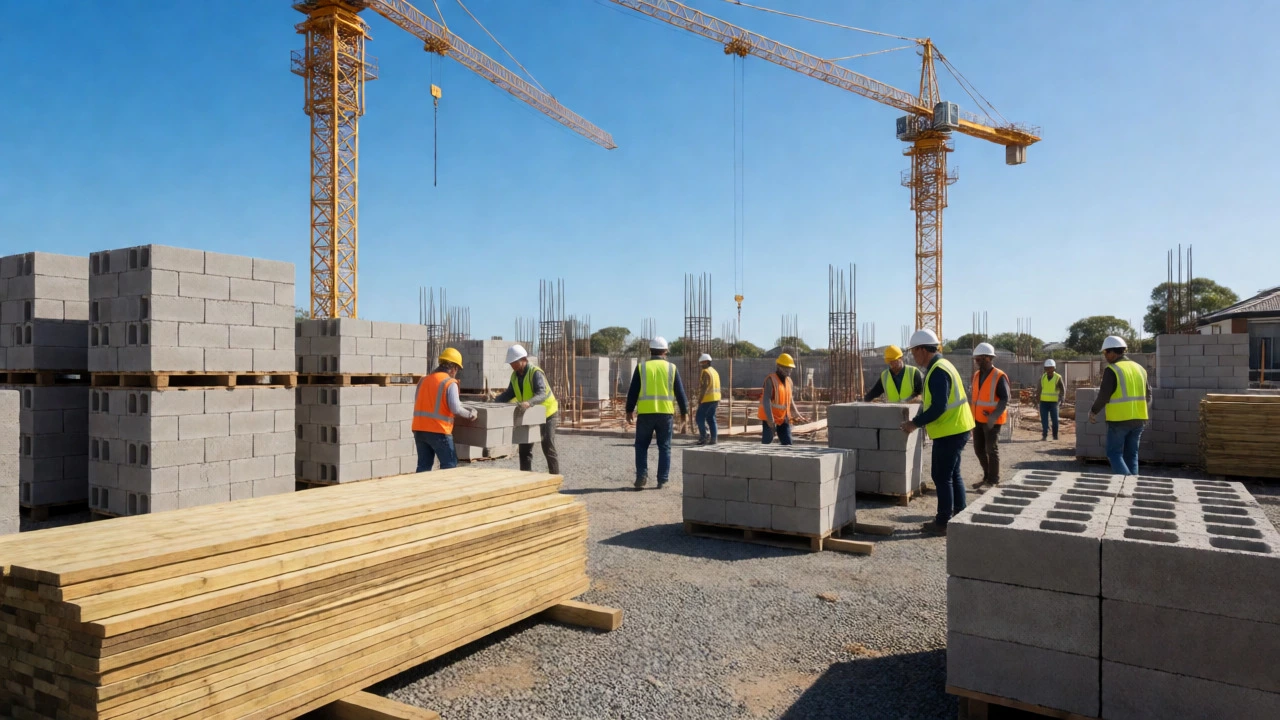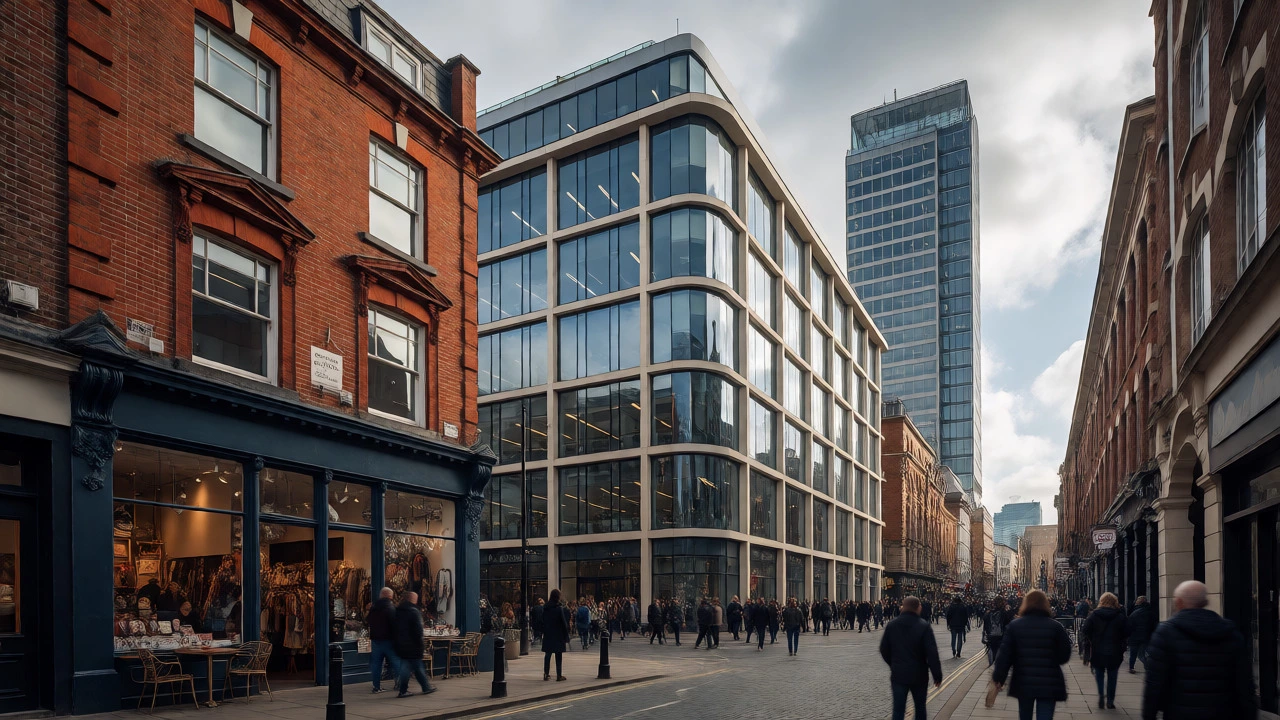
Commercial Construction Type Selector
Answer the questions below to find the best construction type for your commercial project.
You walk into a shopping center, an office block, or a warehouse. You see glass, steel, and concrete. But what is actually holding those structures up? It’s rarely just one material. Commercial construction is a mix of methods chosen for cost, speed, and durability. Most people assume everything big is made of steel. That’s not entirely true. While steel dominates high-rises, other types like reinforced concrete and heavy timber play huge roles in mid-sized buildings. Knowing the difference helps you understand why your local office tower looks different from the new retail park down the road.
The Dominance of Steel Frame Construction
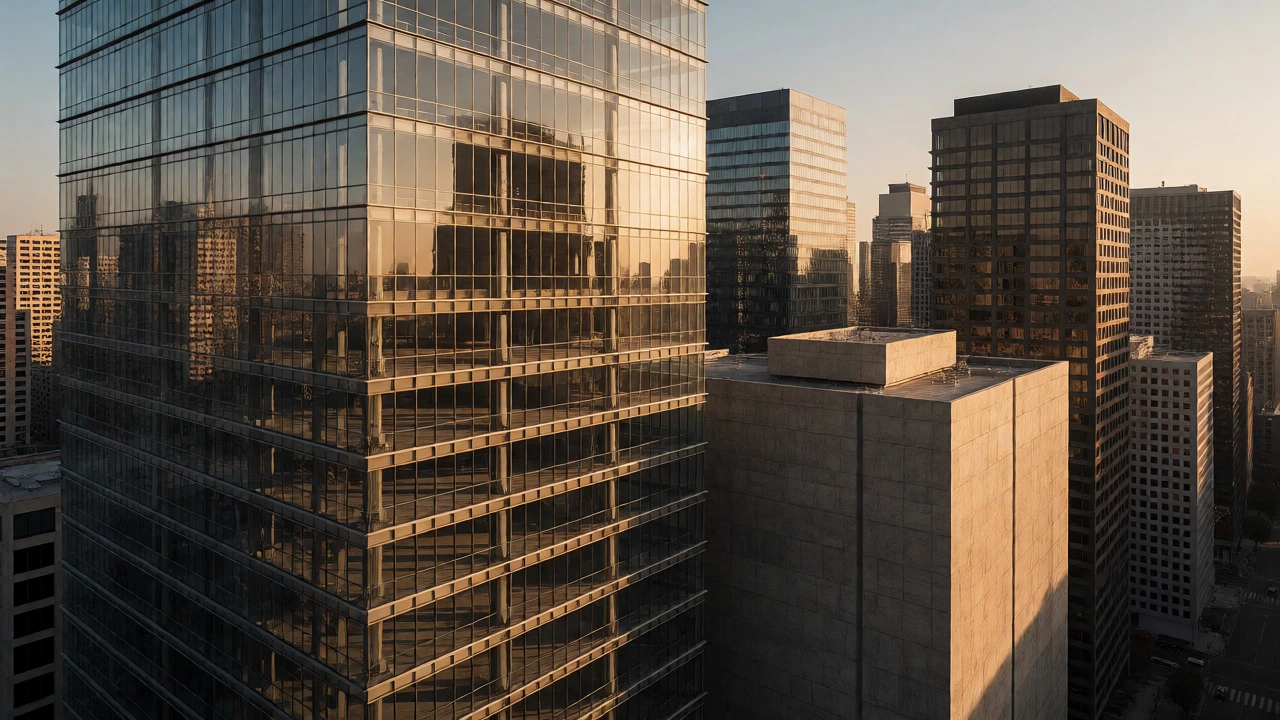
If you look at the skyline of any major city, steel frame construction is likely the backbone of the tallest structures. Why? Because steel has an incredible strength-to-weight ratio. It allows builders to create vast open spaces without cluttering the interior with thick load-bearing walls. This method involves erecting a skeleton of steel columns and beams, which are then clad in metal, glass, or stone.
Steel frames are favored for their speed. Components are often prefabricated off-site and bolted together quickly. This reduces labor costs and minimizes weather delays. However, steel has a weakness: heat. In a fire, unprotected steel can lose its structural integrity rapidly. That’s why modern codes require fireproofing measures, such as spraying intumescent paint or encasing beams in concrete. If you’re planning a multi-story office complex, steel is usually the go-to choice for its flexibility and height potential.
Reinforced Concrete: The Heavyweight Champion
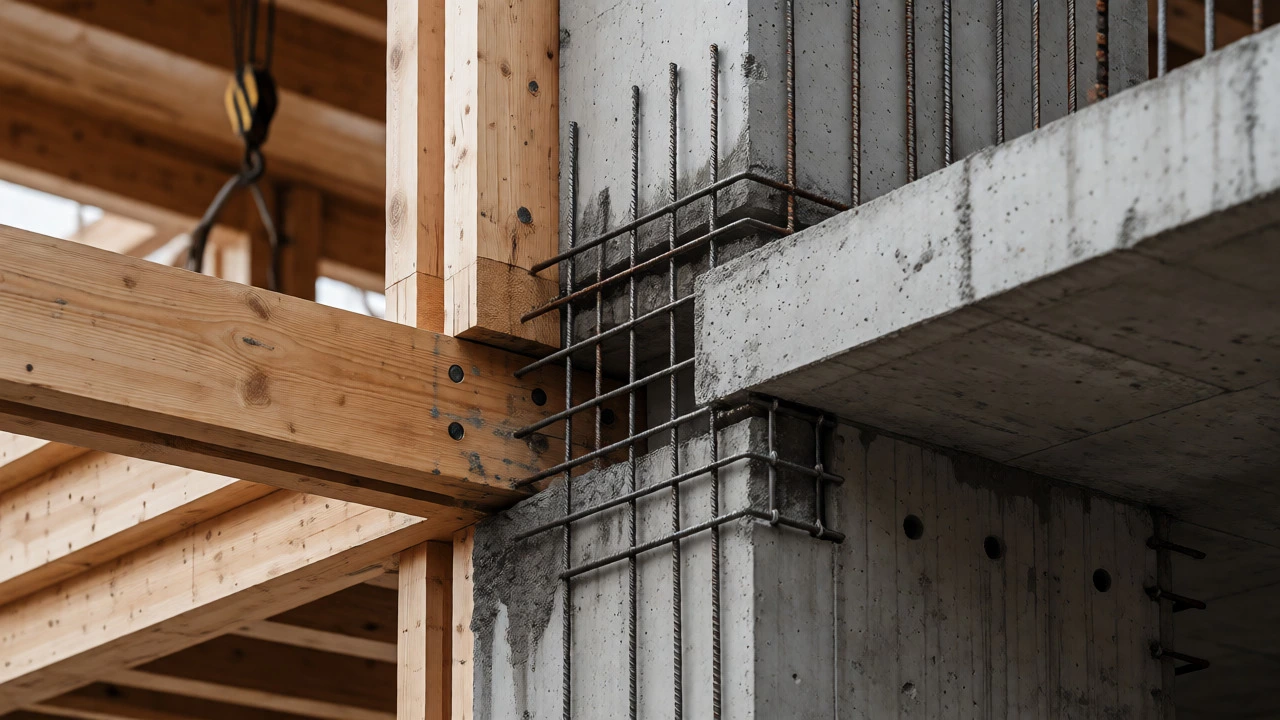
While steel handles the tall stuff, reinforced concrete construction is the workhorse for mid-rise buildings, parking garages, and foundations. Concrete is strong under compression (when you push it) but weak under tension (when you pull it). To fix this, engineers embed steel bars, known as rebar, inside the wet concrete. Once cured, this composite material resists both forces effectively.
Concrete offers excellent thermal mass, meaning it absorbs heat during the day and releases it slowly at night. This can lower energy bills for heating and cooling. It also provides superior sound insulation and fire resistance compared to steel or wood. The downside? It’s slow. Formwork must be built, concrete poured, and then left to cure for weeks before removing supports. This timeline makes it less ideal for projects with tight deadlines unless precast concrete panels are used. Precast elements are cast in a factory and shipped to the site, speeding up assembly significantly.
Wood Frame: Not Just for Houses Anymore
Think wood is only for suburban homes? Think again. Light wood frame construction is increasingly common for low-rise commercial buildings like hotels, motels, and small retail strips. Advances in engineered wood products, such as cross-laminated timber (CLT), have allowed wood to compete with steel and concrete in larger applications.
Wood is cheaper than steel and easier to modify on-site. Contractors can cut and adjust beams with standard tools, reducing waste. It’s also lighter, which means smaller foundations and lower transportation costs. However, wood is vulnerable to moisture, pests, and fire. Building codes strictly limit the height of wood-frame commercial buildings, typically capping them at four or five stories depending on local regulations. For a boutique hotel or a two-story office plaza, wood offers a warm aesthetic that appeals to customers while keeping construction budgets manageable.
Masonry and Load-Bearing Walls
In older cities, you’ll often find buildings constructed using masonry construction. This involves stacking bricks, blocks, or stones to form walls that support the roof and floors above. Unlike frame construction, where a skeleton holds the building up, masonry relies on the weight and strength of the walls themselves.
This method is durable and requires little maintenance. Brick facades, for instance, can last over a century with minimal care. Masonry also provides good security against break-ins due to the thickness of the walls. The main drawback is labor intensity. Laying bricks is slow and skilled work, driving up costs. Additionally, masonry walls take up more floor space because they need to be thicker to bear loads. Modern commercial projects rarely use pure load-bearing masonry for large spans, preferring it as a veneer over steel or concrete frames for aesthetic purposes.
| Feature | Steel Frame | Reinforced Concrete | Wood Frame | Masonry |
|---|---|---|---|---|
| Best For | High-rises, warehouses | Parking garages, mid-rises | Hotels, small offices | Low-rise retail, historic restorations |
| Cost | High initial, low long-term | Medium to High | Low to Medium | Medium to High (labor) |
| Speed | Fast | Slow (unless precast) | Fast | Slow |
| Fire Resistance | Requires protection | Excellent | Poor (needs treatment) | Excellent |
| Flexibility | High (open plans) | Low (fixed layout) | High | Low |
Choosing the Right Method for Your Project
Selecting the right construction type isn’t just about preference; it’s a strategic decision driven by several factors. First, consider the building height and span. If you need clear spans of 20 meters or more, steel or concrete is mandatory. Wood struggles beyond shorter distances without expensive engineering solutions.
Next, look at your budget and timeline. Steel might have higher material costs, but its speed can offset labor expenses if you’re paying rent elsewhere while waiting for completion. Conversely, if you have time but limited cash flow, masonry or traditional concrete might spread costs differently, though they risk schedule overruns.
Finally, factor in local climate and codes. In hurricane-prone areas, concrete’s wind resistance is a major plus. In seismic zones, ductile steel frames often perform better than brittle masonry. Melbourne, for example, sees a mix of steel-framed towers and concrete podiums, reflecting a balance between urban density requirements and geological stability.
Emerging Trends in Commercial Building Materials
The industry is shifting toward sustainability. Mass timber, particularly Cross-Laminated Timber (CLT), is gaining traction as a carbon-neutral alternative to steel and concrete. CLT panels act like solid wood slabs rather than sticks, offering strength comparable to concrete in some applications. This trend is pushing the boundaries of how high wooden buildings can go, with "plyscrapers" appearing in cities worldwide.
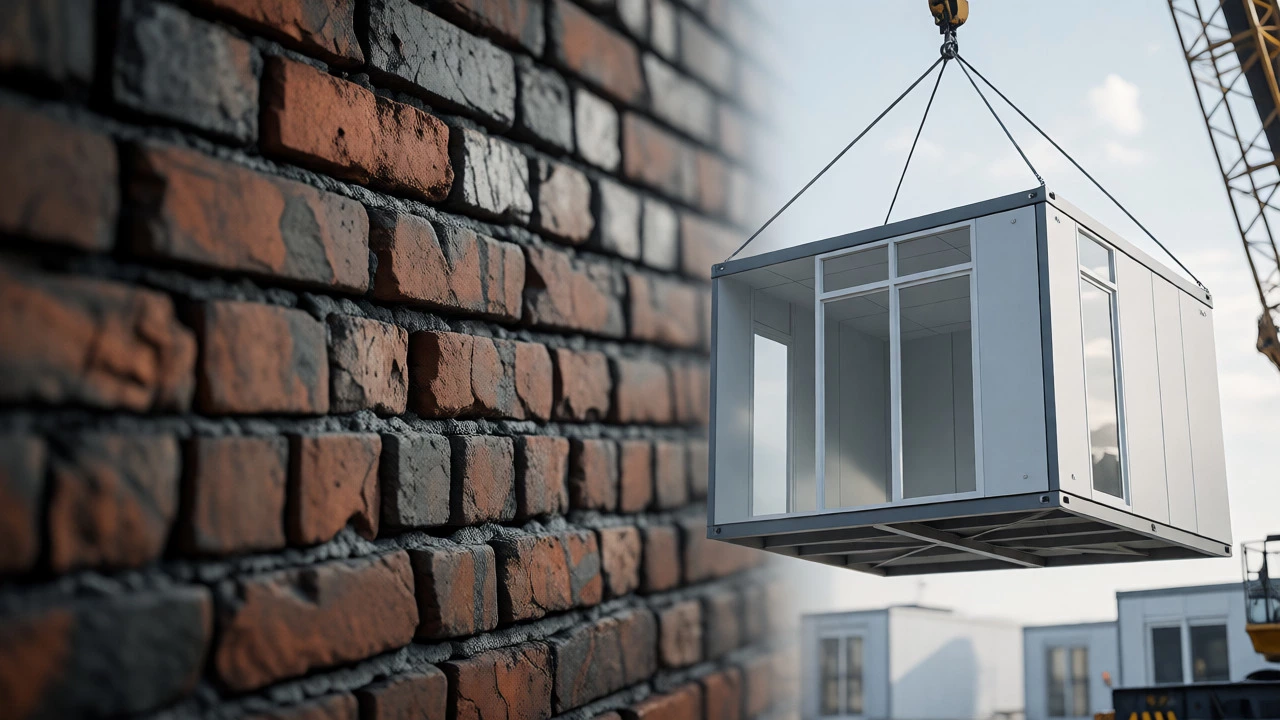
Another trend is modular construction. Entire rooms or units are built in factories and craned into place. This method works well for hotels and student housing, combining the speed of prefab with the precision of industrial manufacturing. It reduces waste and noise pollution on-site, making it popular in dense urban environments where neighbor complaints are a real concern.
Frequently Asked Questions
Why is steel preferred for skyscrapers?
Steel is preferred for skyscrapers because of its high strength-to-weight ratio. It allows for taller structures with thinner columns, maximizing usable floor space. Its ductility also helps buildings sway safely during high winds or earthquakes without collapsing.
Is concrete stronger than steel?
It depends on the force. Concrete is very strong under compression (pushing forces) but weak under tension (pulling forces). Steel is strong in both tension and compression. That’s why reinforced concrete uses steel bars to handle tension, creating a composite material that leverages the strengths of both.
Can commercial buildings be made of wood?
Yes, especially low-rise commercial buildings like hotels and offices. Engineered wood products like Cross-Laminated Timber (CLT) allow for larger spans and greater heights than traditional lumber. However, strict fire codes usually limit wood-frame commercial buildings to four or five stories.
Which construction type is cheapest?
Light wood frame construction is generally the cheapest for low-rise buildings due to lower material costs and faster construction times. However, for large warehouses or high-rises, steel or concrete becomes more cost-effective per square meter due to economies of scale and structural requirements.
How does construction type affect insurance?
Insurance premiums vary by construction type. Non-combustible materials like steel and concrete often qualify for lower rates because they resist fire spread. Wood-frame buildings may face higher premiums due to greater fire risk, unless they include significant fire suppression systems.