Construction Material Selector
Select your project constraints below to see which structural or finishing materials are recommended based on durability, cost, and performance.
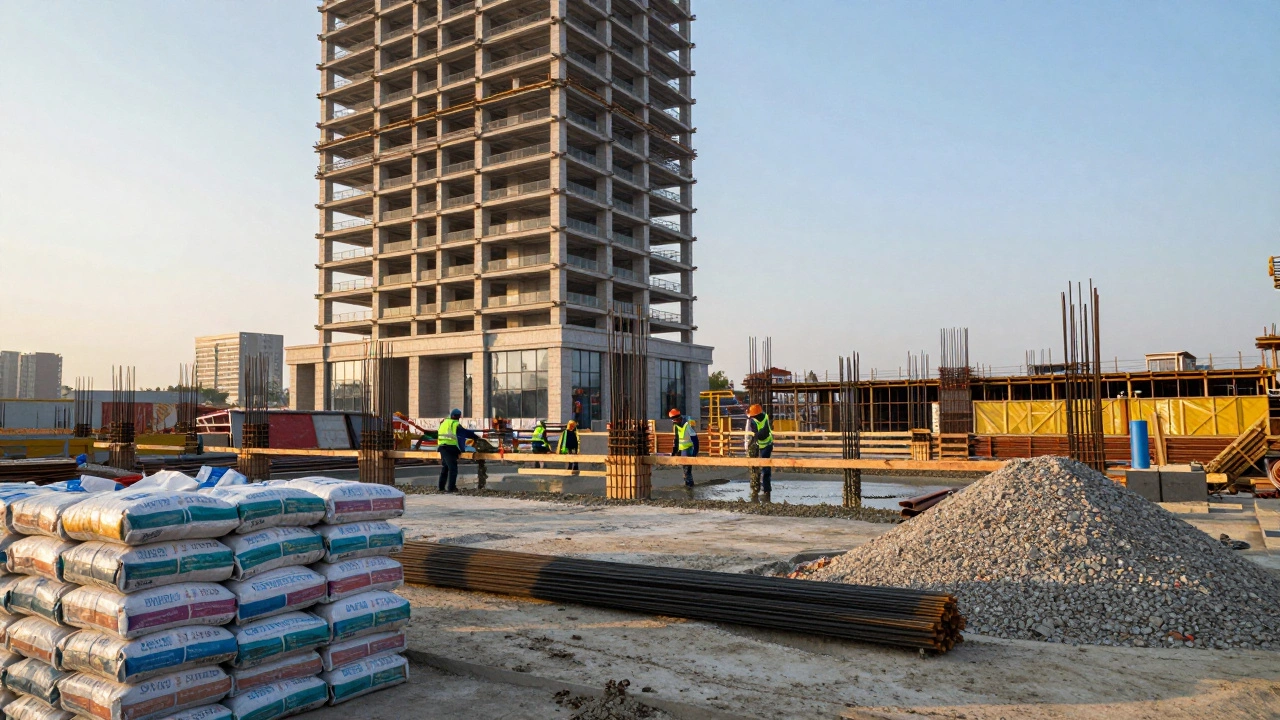
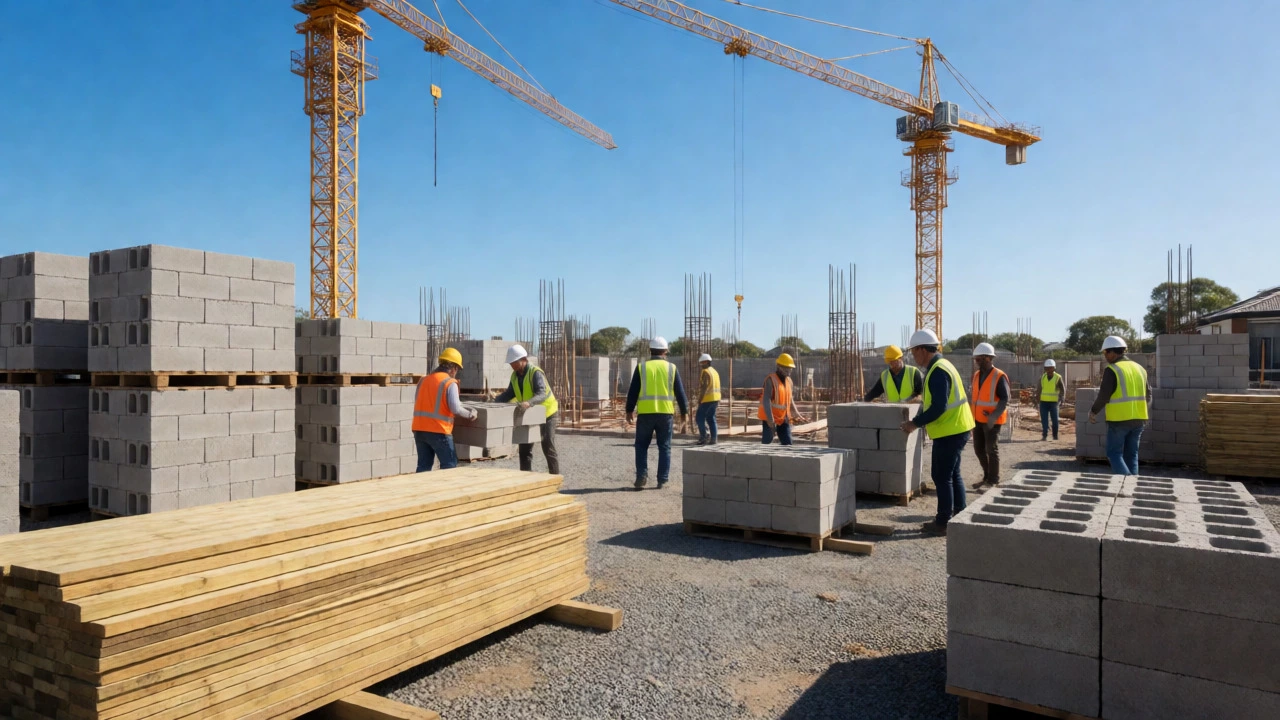
You walk past a new development site in Melbourne’s suburbs. You see cranes, piles of grey blocks, and stacks of yellowish boards. But what exactly are you looking at? When people ask, "What is construction material?", they’re usually asking about the physical substances used to build structures. It sounds simple, but the answer is surprisingly complex because it covers everything from the dirt under your feet to the glass in your windows.
Think of construction materials as the ingredients in a recipe. If you get the flour wrong, the cake collapses. In building, if you pick the wrong material for the climate or load, the house might crack, rot, or just cost way more than it should. This guide breaks down the core categories, how they work together, and why choosing the right one matters for your project.
The Core Definition: What Counts as Construction Material?
At its simplest, construction material is any substance used in the construction process. It includes raw natural resources like clay, sand, wood, and stone, as well as manufactured products like cement, plastic, asphalt, and reinforced concrete. The distinction between "raw" and "manufactured" is crucial because it affects cost, durability, and environmental impact.
Why does this definition matter? Because not all materials are created equal. A pile of gravel on a driveway is a construction material, but so is the specialized fire-resistant drywall in a hospital. The term encompasses a massive range of applications. Some materials are structural-they hold the building up. Others are non-structural-they provide comfort, insulation, or aesthetics. Understanding which is which helps you budget correctly and avoid expensive mistakes later.
The Big Three: Structural Materials That Hold Buildings Up
Most buildings rely on three main pillars: concrete, steel, and timber. These are the heavy lifters. Let’s look at each one closely.
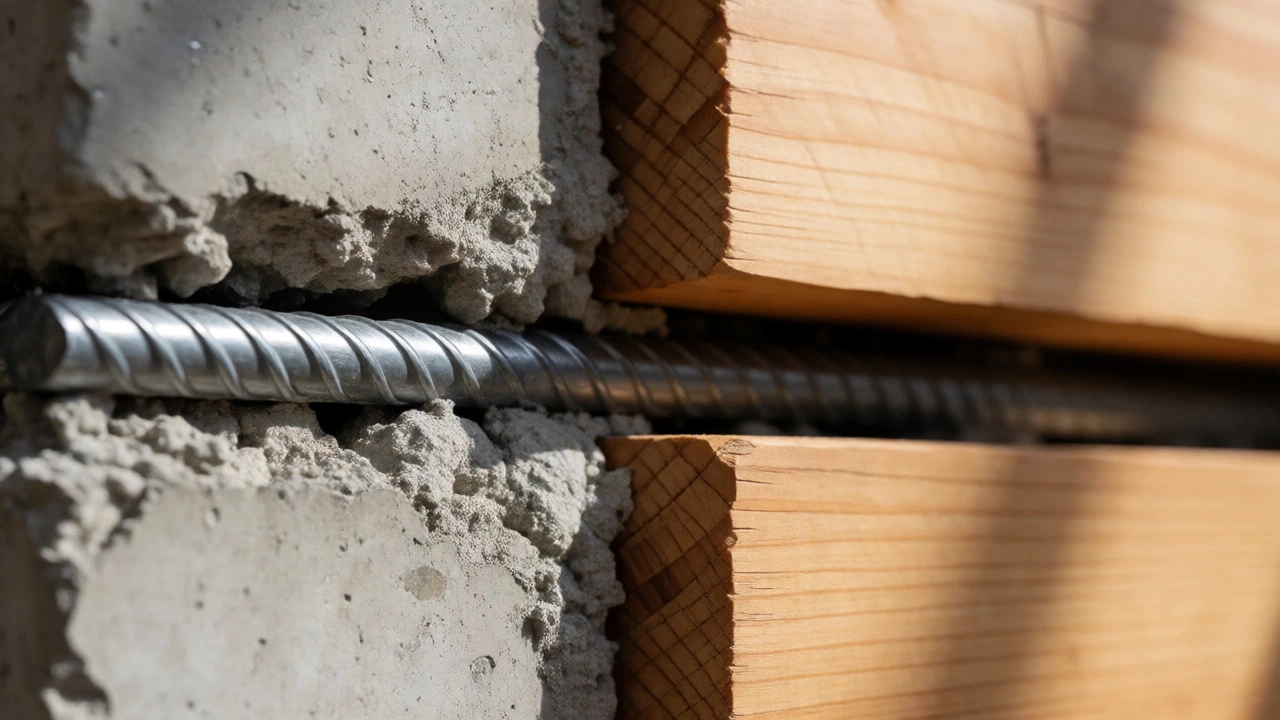
Concrete is arguably the most widely used construction material on Earth. It’s a composite made from water, aggregate (sand and gravel), and cement. Once mixed, it behaves like a liquid that hardens into rock-like strength over time. Its biggest advantage is compressive strength-it handles heavy loads pushing down on it incredibly well. However, concrete is weak when pulled apart (tension). That’s why we add steel bars inside it, creating reinforced concrete. This combination allows us to build skyscrapers, bridges, and dams that last for centuries.
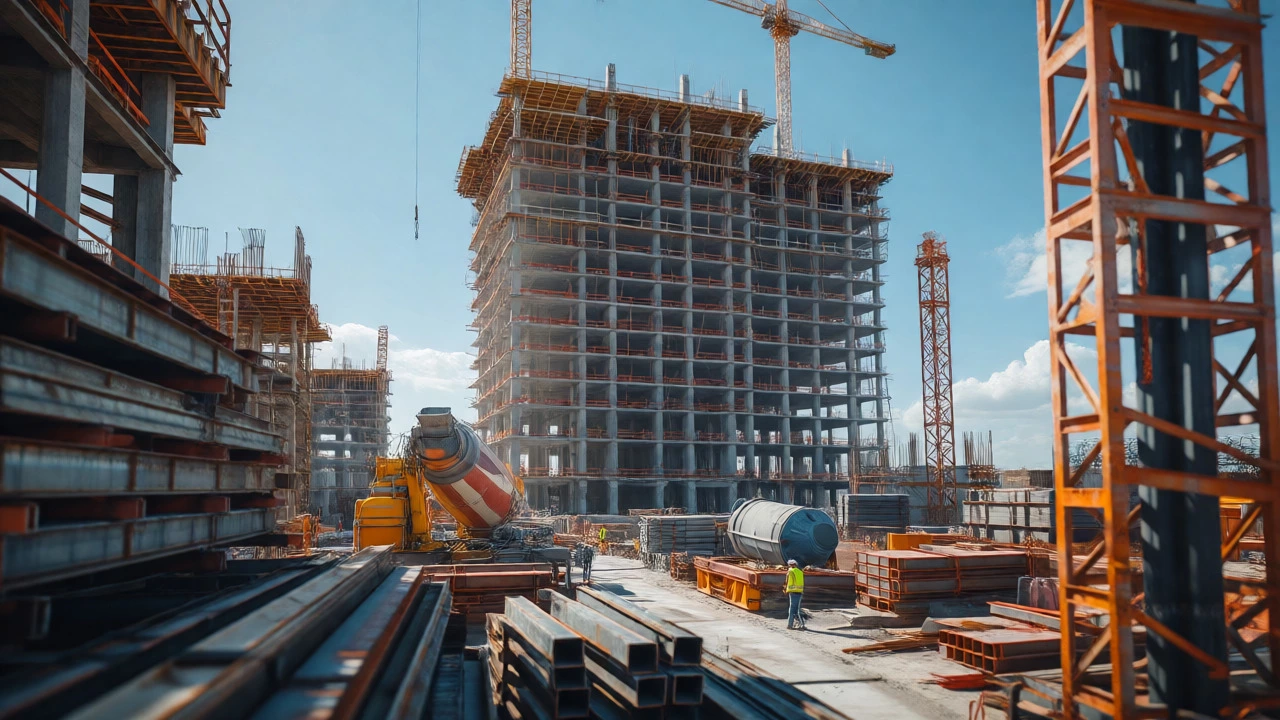
Steel is the skeleton of modern high-rises. Unlike concrete, steel has high tensile strength, meaning it can stretch and bend without snapping. This makes it perfect for framing tall buildings where wind loads are significant. Steel is also prefabricated, which means components are cut and welded in factories before being shipped to the site. This speeds up construction time significantly compared to pouring concrete on-site. The downside? Steel conducts heat easily, which can lead to energy loss if not properly insulated, and it can rust if exposed to moisture without protection.
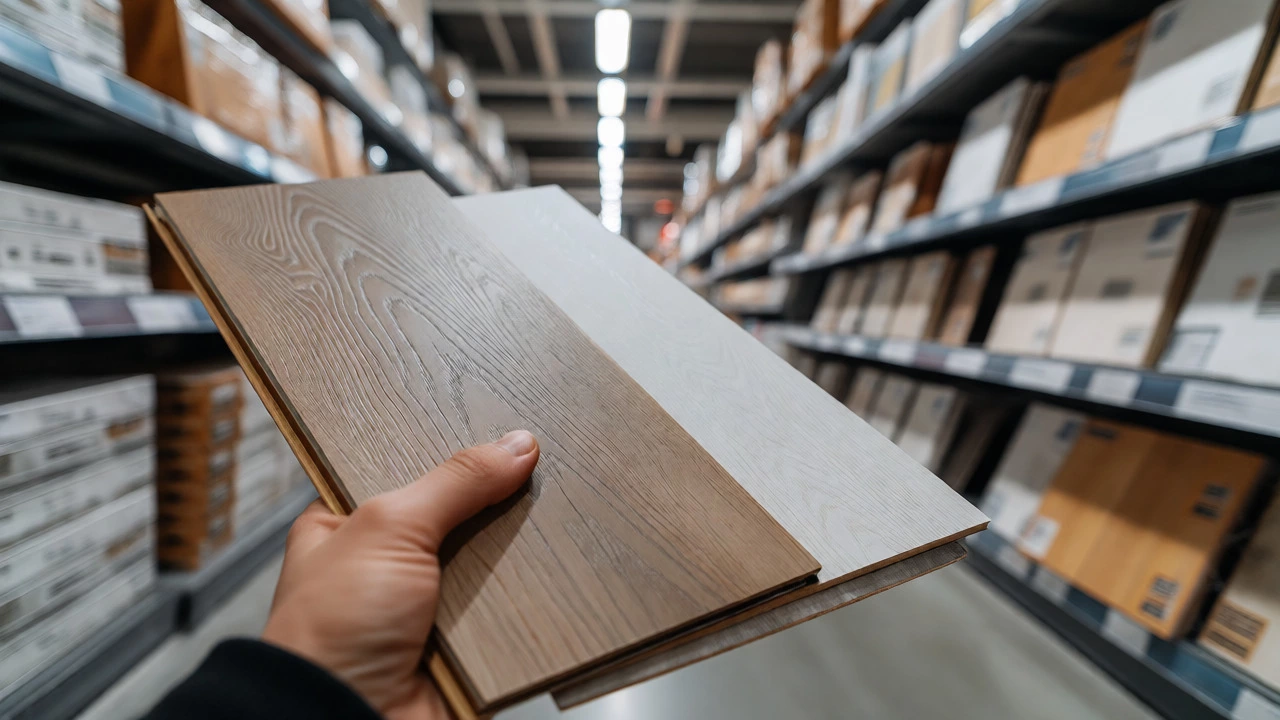
Timber remains a favorite for residential homes, especially in Australia. Wood is renewable, relatively lightweight, and easy to work with using basic tools. It provides natural insulation, keeping homes cooler in summer and warmer in winter compared to concrete or steel. However, timber is vulnerable to termites, rot, and fire. Modern treatments help mitigate these risks, but maintenance is still required. Engineered wood products, like cross-laminated timber (CLT), are now allowing builders to construct mid-rise apartment buildings with wood, challenging the dominance of concrete in urban areas.
| Material | Primary Strength | Weakness | Best For | Lifespan |
|---|---|---|---|---|
| Concrete | Compression | Tension (needs steel) | Foundations, slabs, basements | 50-100+ years |
| Steel | Tension & Compression | Corrosion, heat conductivity | High-rises, industrial frames | 75-100+ years |
| Timber | Tension (lightweight) | Moisture, pests, fire | Residential framing, interiors | 30-80 years (maintained) |
Masonry and Blockwork: The Wall Builders
If you’ve ever seen a brick wall, you’ve seen masonry. Masonry involves building structures by stacking individual units bound together with mortar. Common materials include bricks, concrete blocks, and natural stones like granite or limestone.
Bricks are fired clay blocks. They offer excellent thermal mass, meaning they absorb heat during the day and release it slowly at night. This keeps indoor temperatures stable. Concrete blocks, often called breeze blocks or cinder blocks, are larger and cheaper than bricks. They are faster to lay but less aesthetically pleasing unless rendered or painted. Natural stone is durable and beautiful but expensive and labor-intensive to install.
A key consideration here is weight. Masonry is heavy. This requires strong foundations, which adds to the overall project cost. In earthquake-prone areas, engineers must design special reinforcement systems to keep masonry walls from cracking or collapsing during seismic activity. Despite this, masonry remains popular for exterior walls because it requires little maintenance and resists weathering better than wood or metal siding.
Finishing and Functional Materials: Beyond Structure
Once the skeleton is up, you need materials to make the building livable. These don’t hold the roof up, but they determine how comfortable and safe the space feels.
Glass is essential for windows and curtain walls. Modern glazing technology has transformed glass from a fragile barrier into a high-performance insulator. Double-glazed or triple-glazed units trap gas layers between panes to reduce heat transfer. Low-emissivity (Low-E) coatings reflect infrared light, keeping solar heat out in summer and retaining interior warmth in winter.
Insulation comes in many forms: fiberglass batts, rigid foam boards, spray foam, and mineral wool. Its job is to slow down heat flow. Without proper insulation, your heating and cooling bills skyrocket. In Melbourne’s variable climate, choosing the right R-value (thermal resistance rating) for your insulation is critical. Spray foam, for example, creates an air seal that prevents drafts, while fiberglass relies on trapped air pockets within its fibers.
Roofing materials vary wildly based on local weather. In bushfire zones, metal roofing is preferred because it doesn’t catch embers easily. In coastal areas, corrosion-resistant metals like aluminum or treated steel are necessary to withstand salt spray. Traditional terracotta tiles offer longevity and aesthetic appeal but are heavy and brittle if walked on incorrectly.
Sustainable and Emerging Construction Materials
The industry is shifting toward greener options. Traditional concrete production releases significant CO2. To combat this, researchers and builders are turning to alternative materials.
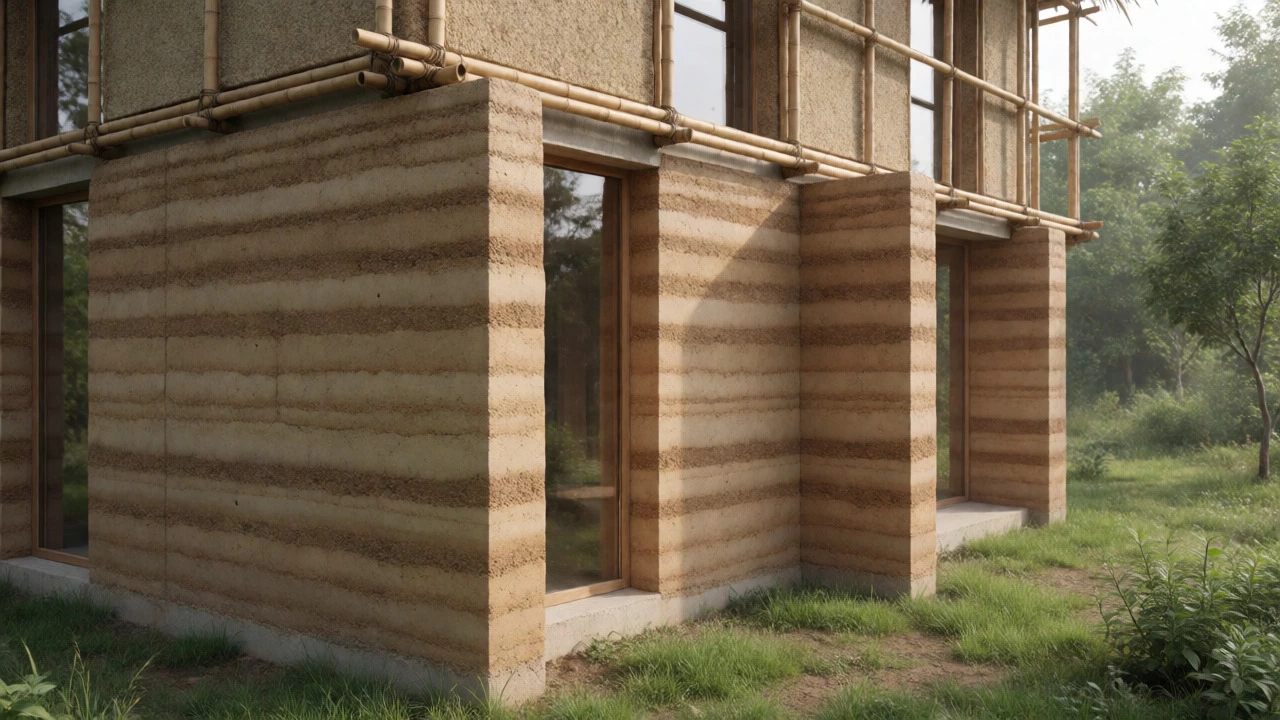
Rammed Earth uses soil compacted into forms to create thick, solid walls. It’s low-carbon, highly durable, and offers exceptional thermal mass. Rammed earth buildings stay cool in hot climates and warm in cold ones, reducing energy needs.
Bamboo is another rising star. It grows rapidly-some species mature in three to five years compared to decades for trees. Bamboo has a higher tensile strength than many steels and is lightweight. It’s increasingly used in scaffolding, flooring, and even structural beams in tropical regions.
Hempcrete is a bio-composite material made from hemp fiber and lime binder. It’s breathable, mold-resistant, and carbon-negative (it absorbs more CO2 during growth than is emitted during production). While not suitable for load-bearing walls in high-rises yet, it’s gaining traction for infill panels and insulation in sustainable housing projects.
How to Choose the Right Material for Your Project
Selecting materials isn’t just about preference; it’s about performance and constraints. Here’s a practical checklist:
- Climate Compatibility: Will the material expand in heat or contract in cold? Does it resist local pests like termites or borers?
- Budget Constraints: Timber is often cheaper upfront than steel, but steel may require less maintenance over 50 years. Calculate life-cycle costs, not just initial price tags.
- Local Availability: Sourcing materials locally reduces transport emissions and costs. In rural Australia, shipping large quantities of specialty glass can blow your budget.
- Regulatory Compliance: Check local building codes. Some councils restrict certain materials due to noise reflection, visual amenity, or fire safety ratings.
- Maintenance Requirements: Do you want a "set and forget" facade like brick, or are you willing to repaint timber every few years?
For example, if you’re building a beach house in Queensland, avoiding untreated timber is wise due to humidity and cyclones. Instead, you might opt for fiber-cement cladding, which looks like wood but resists rot and insects. Conversely, in a dry inland area, rammed earth or stone might be more appropriate for their thermal benefits.
Frequently Asked Questions
Is cement the same as concrete?
No. Cement is an ingredient in concrete. Think of cement as the flour and concrete as the baked bread. Concrete is a mixture of cement, water, sand, and gravel. Cement alone is a fine powder that binds other materials together when wet.
Which construction material is the cheapest?
It depends on location and application. Generally, concrete blocks and standard timber framing are among the most affordable for residential builds. However, land clearing and foundation costs can outweigh material savings. Always get local quotes.
Are steel houses prone to condensation?
Yes, steel conducts temperature quickly, which can lead to condensation if not insulated properly. Using vapor barriers and adequate insulation layers solves this issue effectively.
What is the most durable construction material?
Natural stone and reinforced concrete are among the most durable, often lasting over 100 years with minimal maintenance. Metal roofs can also last 50+ years if coated against corrosion.
Can I use recycled materials in my build?
Absolutely. Recycled steel, reclaimed timber, and crushed concrete aggregate are common. Many councils encourage this through sustainability bonuses or reduced permit fees.