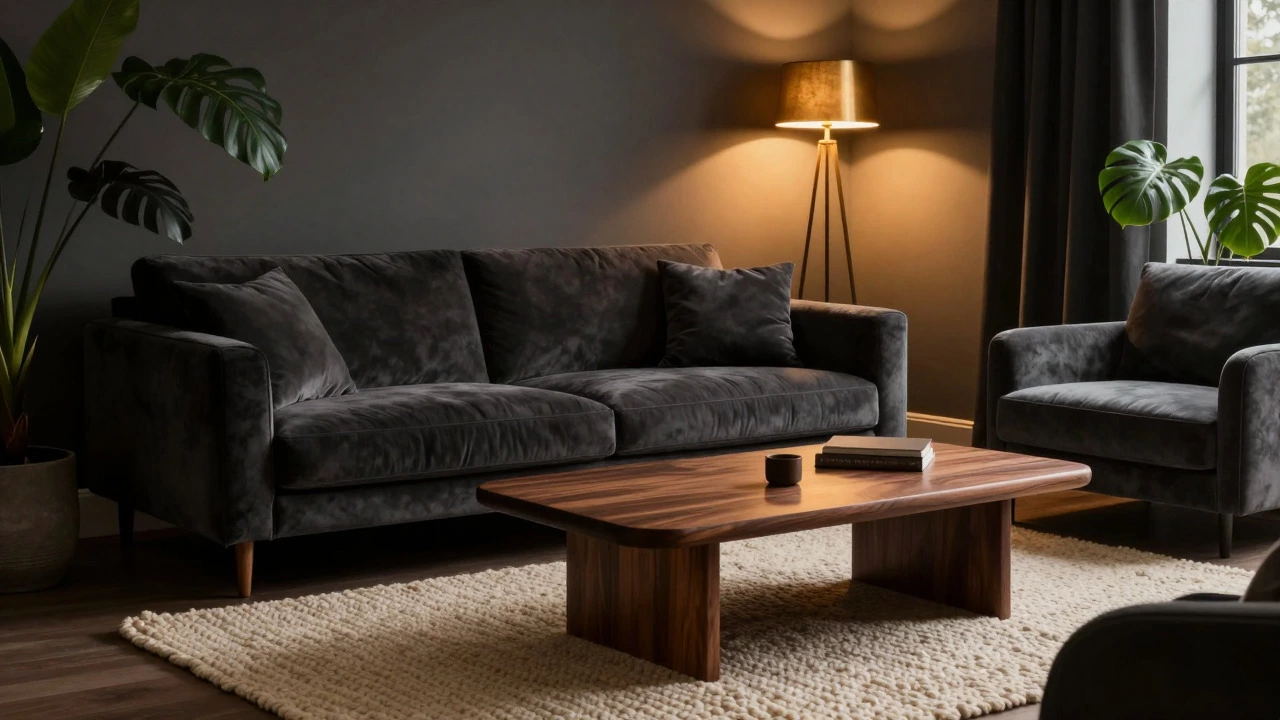
Moody Interior Style Calculator
Is Your Space Ready for the Shift?
Answer these questions to get a personalized recommendation.
Why use this tool?
Dark furniture creates visual weight and anchors a space. However, it requires specific conditions like good lighting and texture balance to avoid feeling oppressive. This calculator helps assess compatibility.
- ● Lighting analysis
- ● Spatial assessment
- ● Style matching
Personalized Recommendations:
For the better part of a decade, we’ve been told that light is right. Scandinavian minimalism, with its pale woods, white walls, and airy spaces, dominated our feeds and our living rooms. But if you walked through any major design market or scrolled through high-end interior portfolios in late 2023 and throughout 2024, you’d notice a distinct shift. The air got heavier. The tones got deeper. Dark furniture isn’t just making a comeback; it’s leading a quiet revolution in home aesthetics.
You might be wondering if this is just a fleeting Instagram trend or a genuine stylistic pivot. The answer lies in how people are using their homes post-pandemic. We stopped treating our houses as sterile showrooms and started treating them as sanctuaries. And for many, sanctuary doesn’t look like a hospital waiting room. It looks like a cozy library, a richly paneled study, or a moody lounge. This desire for warmth, texture, and character has propelled dark furniture back into the spotlight.
The Psychology of Dark Tones: Why We Crave Depth
Why do we gravitate toward lighter colors initially? Often, it’s because they make small spaces feel larger and require less visual effort. They are safe. But safety can sometimes feel cold. Dark furniture introduces what designers call "visual weight." When you place a heavy, dark walnut dining table or a deep charcoal sofa in a room, it anchors the space. It gives the eye something substantial to rest on.
This shift reflects a broader psychological need for grounding. In an increasingly digital and fast-paced world, physical environments that feel solid, permanent, and intimate become more valuable. Dark woods like ebony, mahogany, and stained oak evoke a sense of history and craftsmanship. They suggest permanence. Unlike trendy pastels that fade quickly, a dark leather Chesterfield or a blackened steel sideboard feels like it will last decades. This durability appeals to the growing anti-fast-furniture movement, where quality outweighs quantity.
From Minimalism to Maximalism: The Aesthetic Shift
To understand why dark furniture is returning, we have to look at what it replaced. The "Millennial Gray" era and the subsequent rise of Japandi (Japanese-Scandinavian hybrid) styles prioritized neutrality. While beautiful, these styles often lacked personality. Enter Maximalism. This design philosophy embraces excess, pattern, and bold color choices. Dark furniture serves as the perfect canvas for maximalist expression.
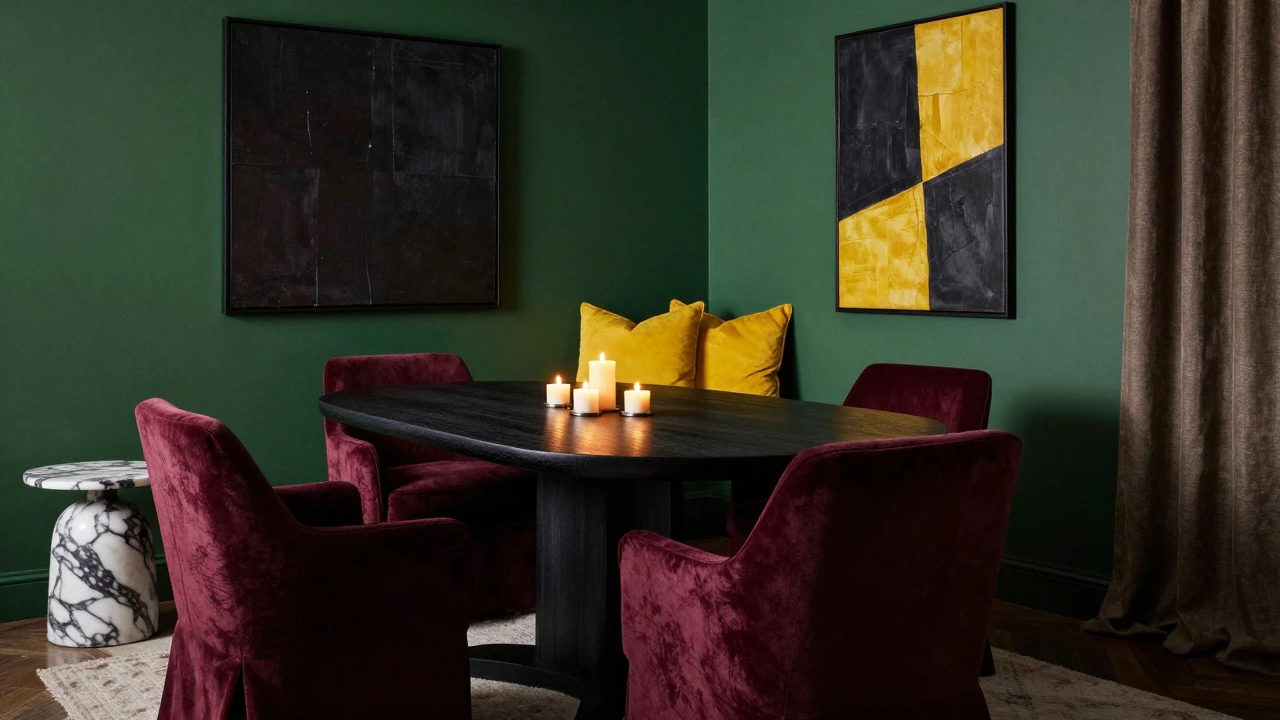
Think about it: a bright yellow throw pillow pops against a cream sofa, but it sings against a deep navy one. Artwork stands out dramatically against dark green or burgundy walls. Dark furniture allows other elements in the room-textiles, art, plants-to take center stage without competing for attention. It creates contrast. Without darkness, light loses its impact. By introducing darker pieces, you create a dynamic interplay that makes the entire room feel more curated and intentional.
| Feature | Light/Neutral Furniture | Dark/Rich Furniture |
|---|---|---|
| Visual Effect | Makes spaces feel larger and airier | Anchors the room; creates intimacy |
| Maintenance | Shows dust and spills easily | Hides wear, stains, and pet hair better |
| Style Association | Minimalism, Scandinavian, Coastal | Maximalism, Gothic Revival, Industrial, Traditional |
| Emotional Tone | Calm, clean, detached | Cozy, dramatic, grounded |
| Longevity | Trend-dependent; can feel dated quickly | Timeless; often associated with heirloom quality |
Key Materials Driving the Trend
Not all dark furniture is created equal. The resurgence isn't about cheap, black-laminated particle board. It’s about materiality. Homeowners are seeking authentic textures that absorb light rather than reflect it. Here are the materials defining this trend:
- Walnut is a premium hardwood known for its rich brown hues and straight grain. Walnut has always been a favorite among mid-century modern enthusiasts, but its popularity surged again in 2024 due to its versatility. It pairs beautifully with both brass hardware and matte black finishes.
- Ebony and Blackened Oak are very dark woods used for dramatic, high-contrast furniture pieces. These woods offer a near-black finish that feels luxurious and modern. They are particularly popular in industrial-chic apartments and contemporary lofts.
- Leather is a durable upholstery material that develops a patina over time. Dark brown and cognac leathers are staples. They age gracefully, developing cracks and variations in color that add character. A dark leather sectional becomes more beautiful with use, unlike fabric sofas that often look worn when dirty.
- Cast Iron and Powder-Coated Steel are metal materials used for sturdy, industrial-style furniture frames. Matte black metal accents provide a sharp, graphic element to soft furnishings. Think iron bed frames or steel shelving units.
How to Incorporate Dark Furniture Without Overwhelming Your Space
If the idea of filling your home with dark pieces feels intimidating, you’re not alone. Many fear that dark furniture will make their home feel cave-like. However, with the right techniques, you can achieve a sophisticated, moody aesthetic that feels inviting rather than oppressive.
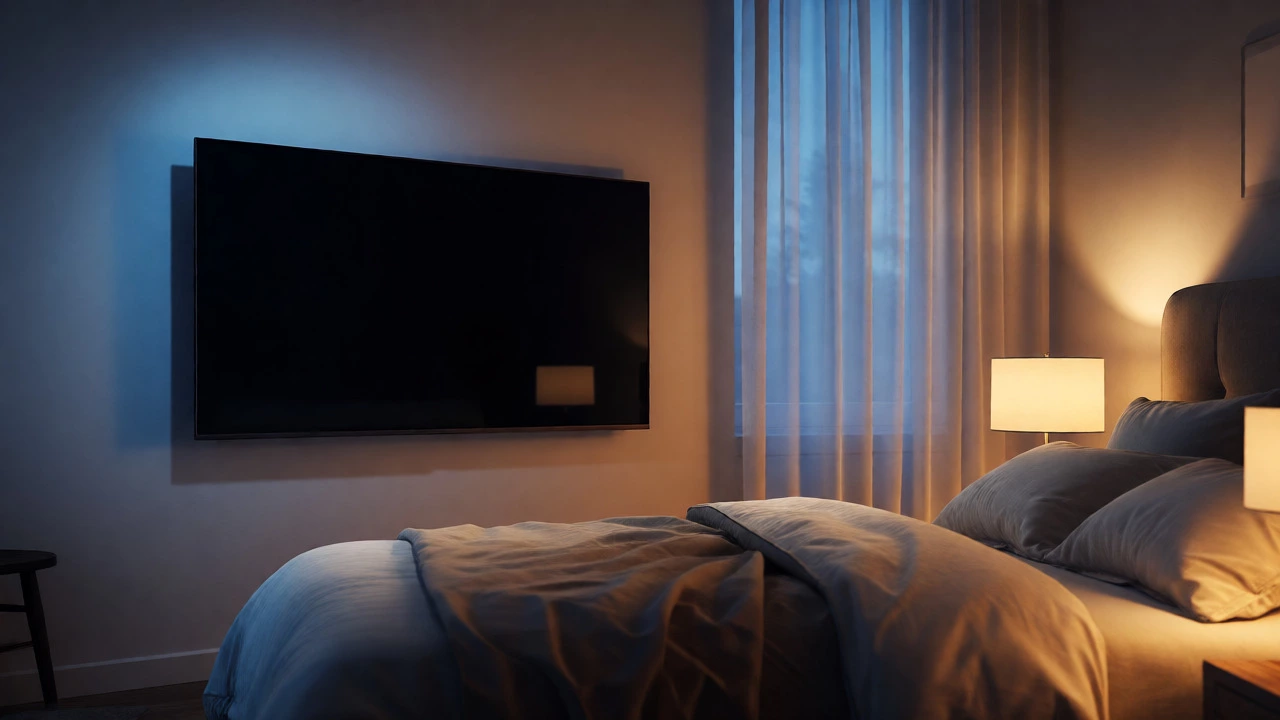
- Layer Your Lighting. This is non-negotiable. Dark surfaces absorb light, so you must compensate with ample illumination. Use a mix of ambient, task, and accent lighting. Warm-toned bulbs (2700K-3000K) are essential. Avoid cool white lights, which can make dark wood look dull and gray. Floor lamps, table lamps, and recessed lighting should work together to highlight the textures of your furniture.
- Balance with Texture. A room full of smooth, dark surfaces can feel flat. Introduce varied textures to break up the monotony. Pair a sleek dark wood coffee table with a chunky knit wool rug. Place velvet cushions on a leather sofa. Mix linen curtains with polished marble side tables. Texture adds depth and prevents the room from looking one-dimensional.
- Use the 60-30-10 Rule. This classic design principle applies perfectly here. Let 60% of the room be your dominant color (perhaps neutral walls), 30% be your secondary color (your dark furniture), and 10% be an accent color (bold textiles or art). This ensures the dark furniture acts as a statement piece rather than overwhelming the entire space.
- Incorporate Greenery. Plants are the ultimate antidote to gloom. The vibrant green of houseplants contrasts sharply with dark browns and blacks, creating a fresh, organic feel. Fiddle leaf figs, monstera deliciosa, and snake plants thrive in corners next to dark bookshelves or cabinets, bringing life to heavy structures.
- Don’t Forget Mirrors. Mirrors reflect light and visually expand space. Placing a large mirror opposite a window, framed in dark wood or black metal, helps bounce natural light around the room while complementing the dark furniture theme.
Sustainability and the Appeal of Vintage Dark Pieces
One of the strongest drivers behind the dark furniture trend is sustainability. Fast furniture, often made from light-colored engineered woods and cheap fabrics, ends up in landfills within a few years. In contrast, vintage and antique dark furniture represents durability. Finding a solid oak dresser or a teak cabinet from the 1970s or earlier means you’re buying a piece built to last generations.
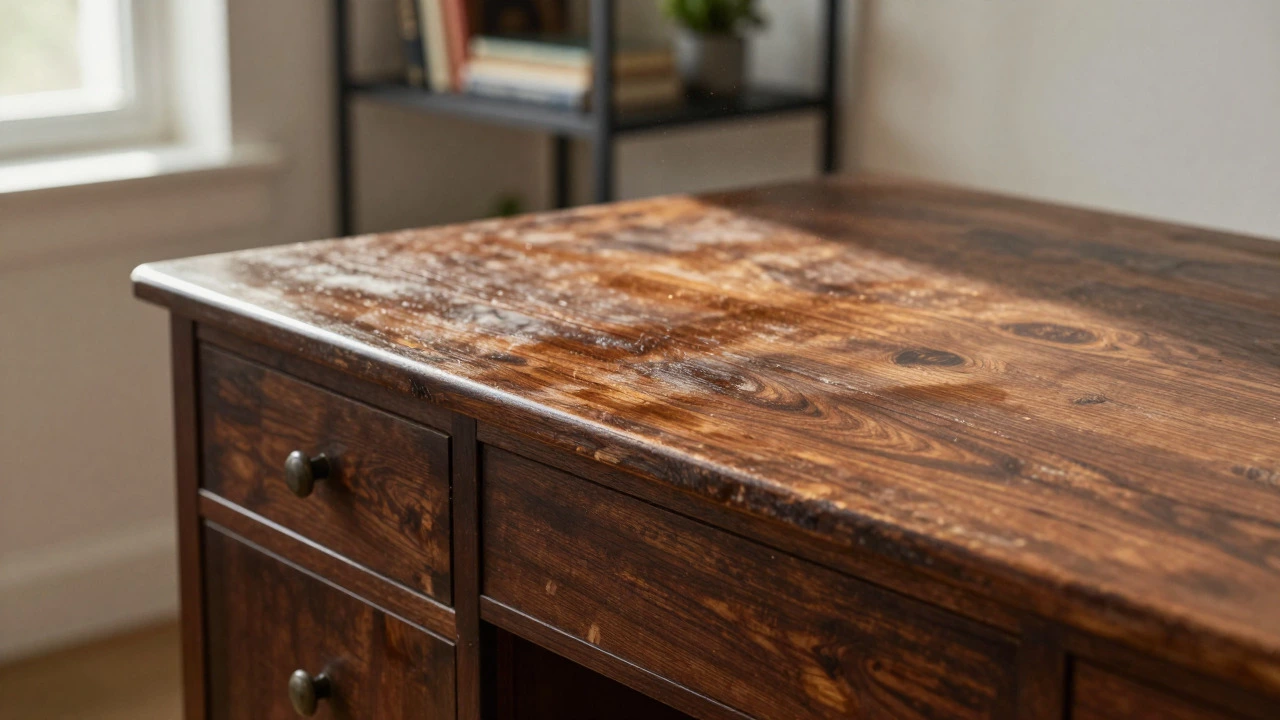
Refurbishing old dark furniture is also a huge part of this movement. Sanding down a scratched dark cherry desk and re-oiling it reveals the beauty of the original wood. This process connects homeowners with the history of the object. It’s a rejection of disposable culture. As consumers become more environmentally conscious, the choice to buy second-hand dark wood pieces aligns with values of conservation and resourcefulness.
Regional Variations: How Climate Influences Color Choices
It’s worth noting that the adoption of dark furniture varies by region. In colder climates like Scandinavia or Northern Europe, dark interiors provide psychological warmth during long, dark winters. In contrast, in hotter regions like Southern California or Australia, there’s traditionally been a preference for light, breezy aesthetics to keep spaces feeling cool.
However, even in warmer climates, dark furniture is gaining traction. Why? Because modern architecture emphasizes cross-ventilation and natural light. Large windows allow sunlight to flood in, preventing dark rooms from feeling stifling. Additionally, air conditioning has reduced the need for passive cooling strategies like reflective surfaces. People now prioritize mood over thermal perception, allowing them to embrace richer palettes regardless of the weather outside.
Future Outlook: Will It Last?
Design trends rarely disappear completely; they cycle. While extreme minimalism may return eventually, the pendulum seems to be swinging toward balanced eclecticism. Dark furniture isn’t going anywhere because it offers flexibility. It works in traditional settings, modern lofts, and transitional homes. Its association with quality and timelessness protects it from being labeled as a "fad."
We are likely to see continued innovation in dark finishes. Expect to see more sustainable staining processes, low-VOC paints in deep jewel tones, and mixed-material designs that combine dark wood with light stone or glass. The key takeaway is that dark furniture is no longer a niche choice for goths or historians. It’s a mainstream option for anyone seeking a home that feels personal, grounded, and visually interesting.
Does dark furniture make a room look smaller?
Technically, yes, dark colors recede less than light ones, which can make walls feel closer. However, this effect is manageable. By using proper lighting, mirrors, and keeping ceilings and floors light, you can maintain a sense of spaciousness while enjoying the coziness of dark furniture. The trade-off is usually worth it for the added warmth and character.
What colors go best with dark wood furniture?
Dark wood pairs exceptionally well with warm neutrals like cream, beige, and taupe. For a bolder look, try jewel tones such as emerald green, navy blue, or mustard yellow. Metallic accents in brass, gold, or copper also complement dark woods beautifully, adding a touch of luxury and brightness.
Is dark furniture harder to maintain?
Actually, dark furniture can be easier to maintain in some ways. It hides dust, pet hair, and minor scratches better than light-colored furniture. However, water rings and sun damage can be more visible on dark wood finishes. Using coasters, placemats, and UV-protective window films can help preserve the finish.
Can I mix dark and light furniture in the same room?
Absolutely. Mixing dark and light furniture creates visual interest and balance. For example, pair a dark sofa with a light wood coffee table, or use a dark bookshelf against a wall with light-colored chairs nearby. Just ensure there’s a unifying element, such as consistent leg styles, matching metals, or coordinated textiles, to tie the look together.
Where can I find affordable dark furniture?
Vintage stores, flea markets, and online resale platforms are excellent sources for affordable dark wood furniture. Look for solid wood pieces that can be refinished. Big-box retailers also carry budget-friendly options in dark stains, though check the material composition to ensure it’s not just veneer over particle board if longevity is a priority.