Construction Type Classifier
Answer the following questions to identify the correct construction category and the specialized expertise you'll need.
Your Project Category:
The Core Focus: Public Utility vs. Private Enterprise
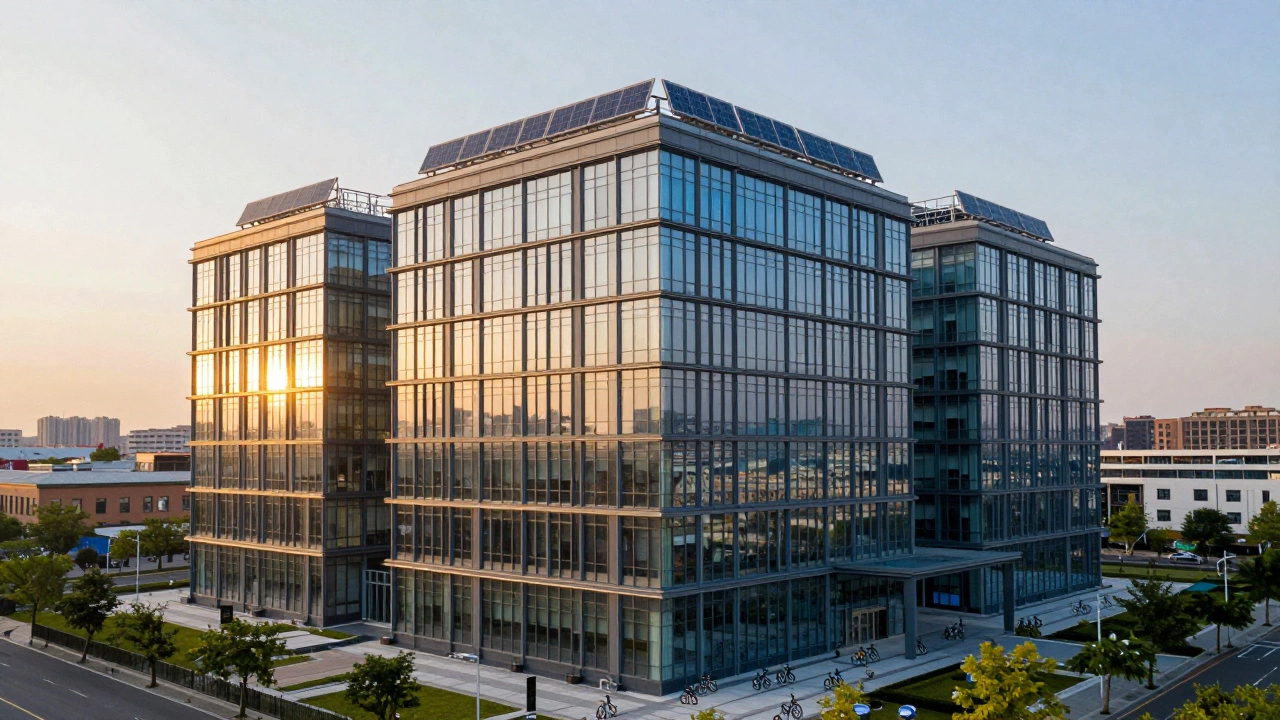
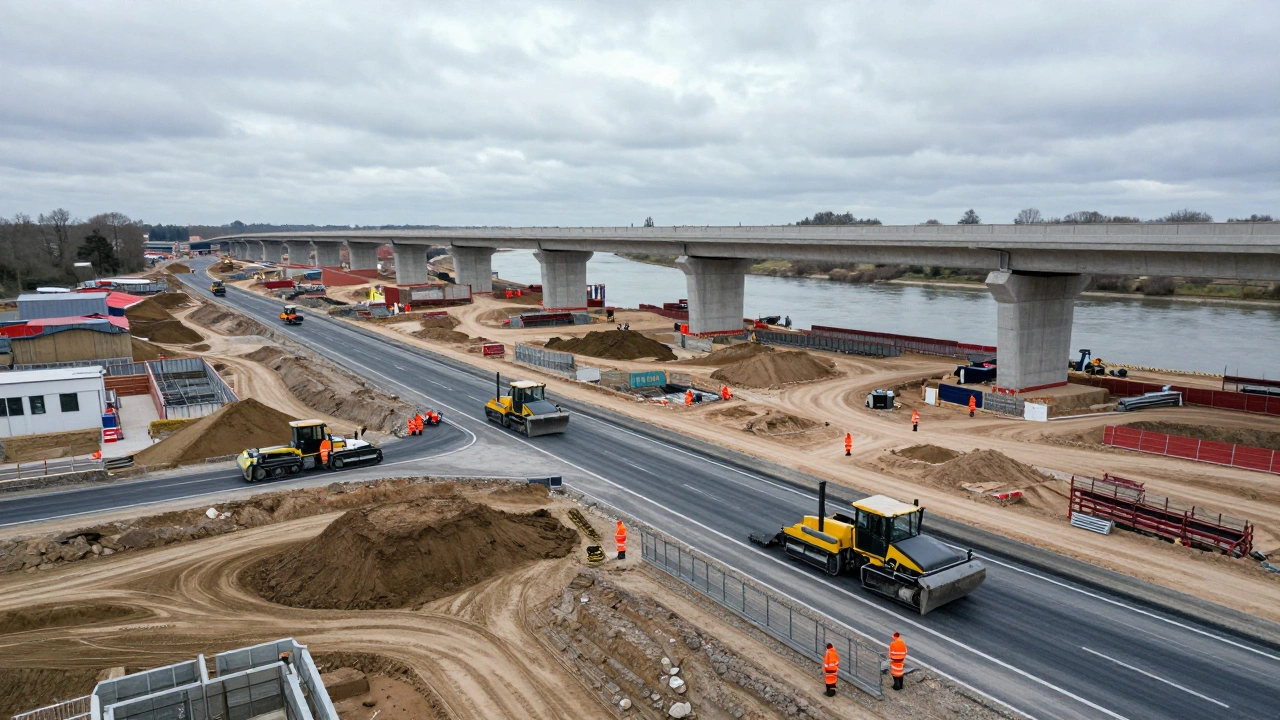
Think of it this way: civil construction is the "stage" and commercial construction is the "building on the stage." If you're building a bridge across the Yarra River in Melbourne, you're doing civil work. If you're building a high-rise office block in the CBD, that's commercial. Commercial Construction is the building of structures intended for business use, such as retail stores, hotels, hospitals, and office buildings. These projects are typically designed for people to work in or visit. The goal is usually profit-driven or service-oriented, whereas civil work is about accessibility and safety for the general public. One major difference is who pays the bills. Civil projects are almost always funded by the government-think local councils or state departments. Commercial projects, however, are usually funded by private developers or corporations. This changes everything from the timeline to the materials used. A government project might move slower due to bureaucratic approvals, while a commercial developer is often racing against a lease agreement deadline.Comparing the Scope and Scale
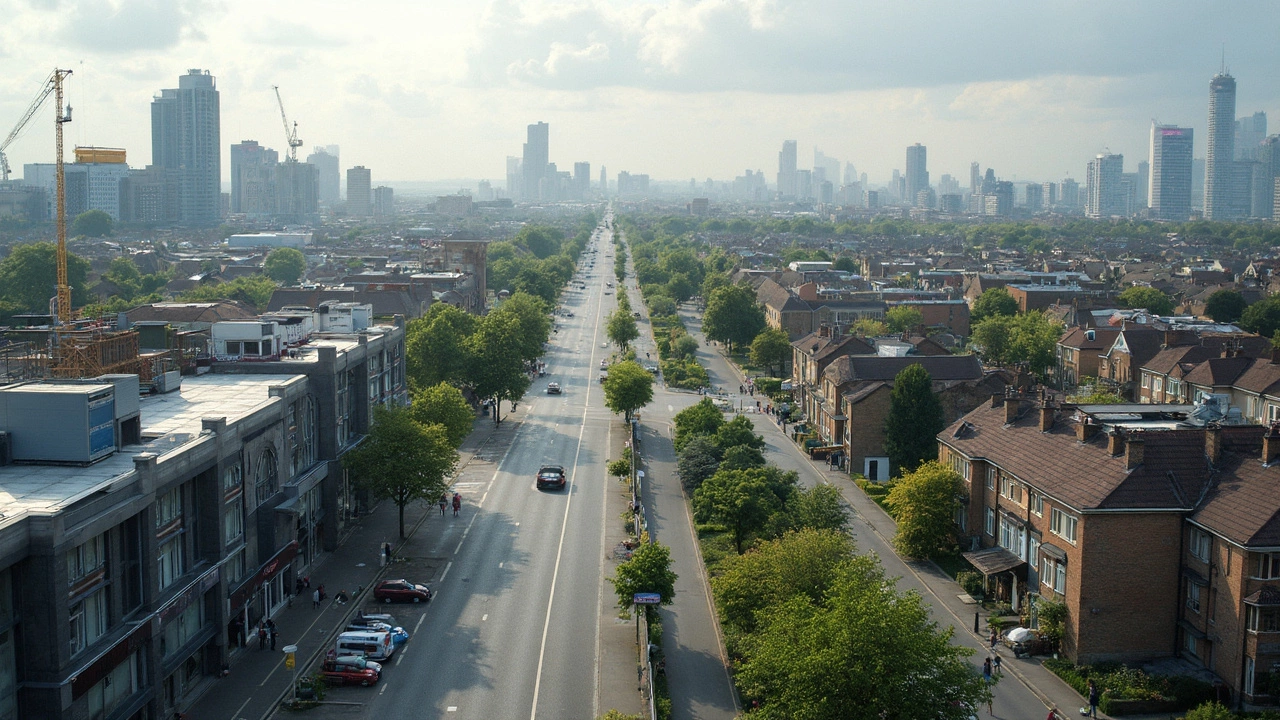
When we talk about scale, civil construction usually wins by a landslide. We aren't just talking about size, but the impact on the environment. A road expansion project affects the soil, the local water table, and thousands of commuters daily. Commercial builds are more contained. Even a massive warehouse has a defined footprint and a set boundary.| Attribute | Civil Construction | Commercial Construction |
|---|---|---|
| Primary Goal | Public Infrastructure | Business Operation |
| Main Funding Source | Government/Public Tax | Private Investment/Loans |
| Common Entities | Bridges, Dams, Railways | Malls, Offices, Hospitals |
| Risk Focus | Environmental & Geotechnical | Zoning & Tenant Needs |
| Typical Scale | Massive (Kilometers/Miles) | Localized (Acres/Square Feet) |
Materials and Technical Requirements
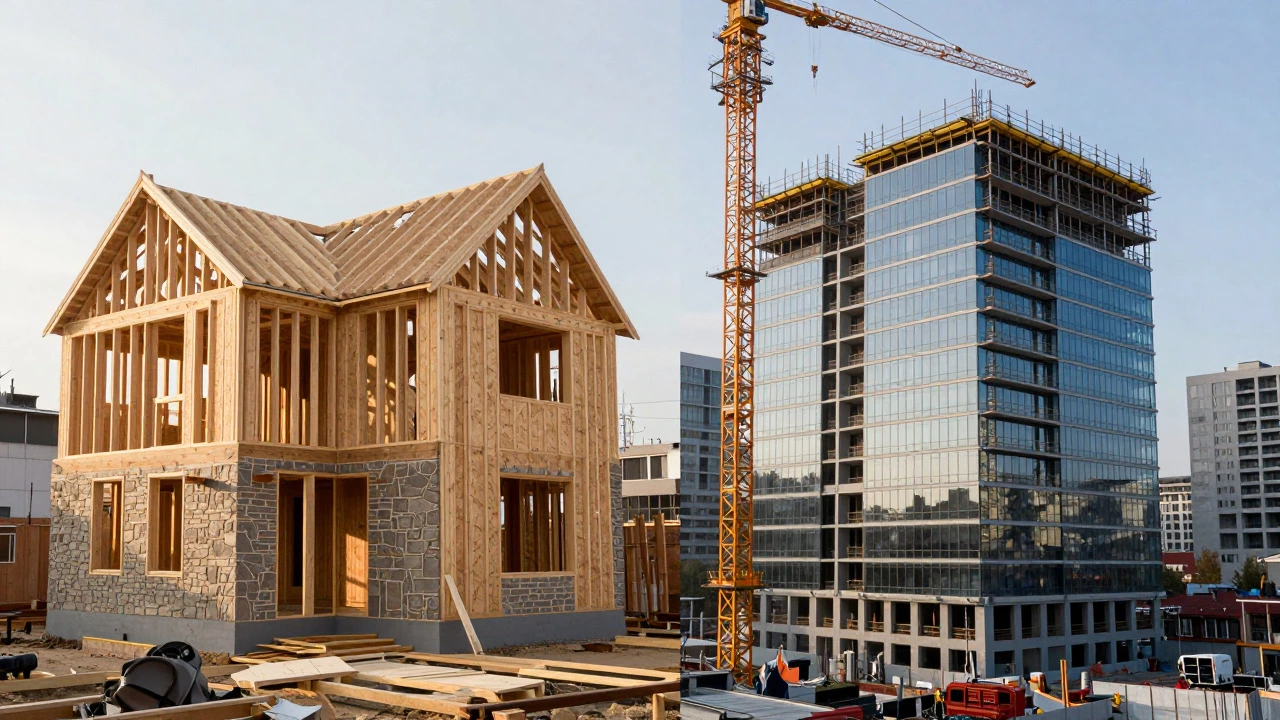
If you walk onto a civil site, you'll see a staggering amount of Concrete and heavy-duty asphalt. The focus here is on durability and load-bearing capacity. A bridge needs to withstand the weight of thousands of cars and the pressure of wind and water for 50 to 100 years. There is very little "decorating" in civil work; it's all about structural integrity. Commercial construction is a different beast. While the bones are often steel and concrete, the "skin" of the building is where the complexity lies. You have to deal with HVAC Systems, electrical grids, plumbing for hundreds of bathrooms, and interior finishes. A commercial builder cares about energy efficiency (like LEED certification) and aesthetic appeal to attract tenants. You won't find a commercial builder worrying about how a road behaves during a flood, but you'll find a civil engineer obsessed with it.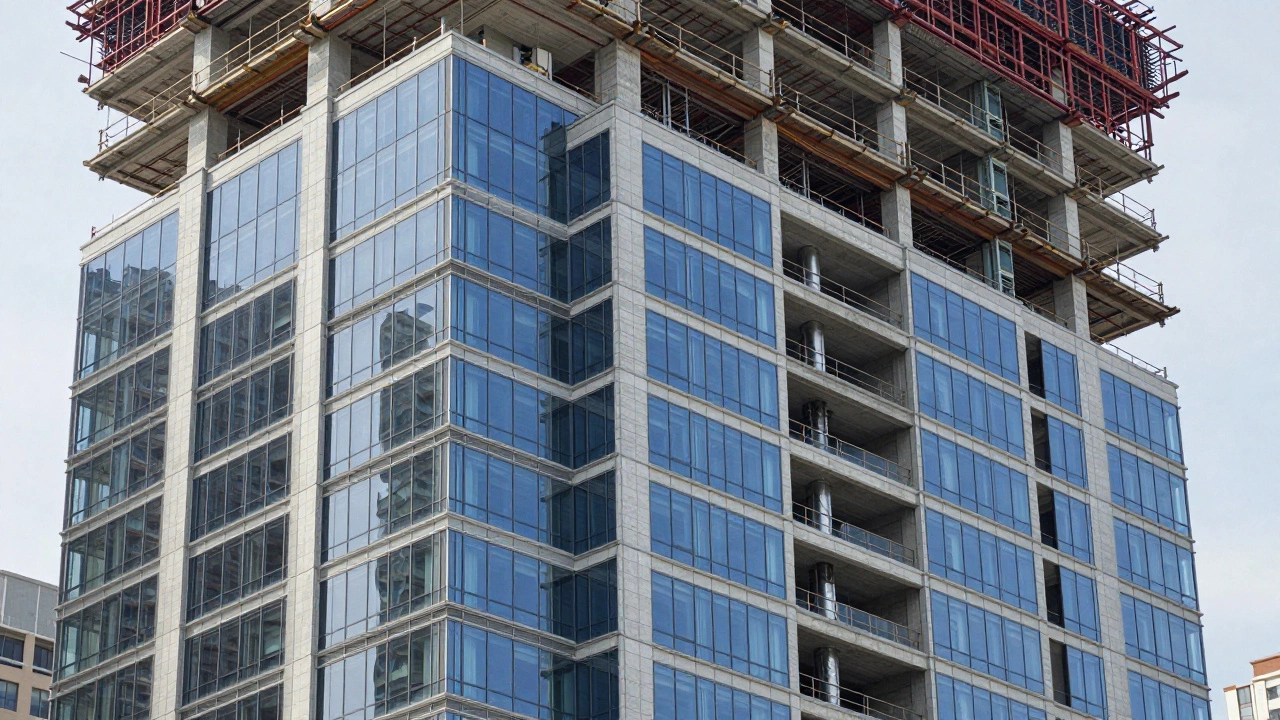
The Role of Planning and Regulation
Regulations are where these two worlds diverge sharply. Commercial projects have to follow strict Zoning Laws and building codes. These rules dictate how tall a building can be, where the parking must go, and how many fire exits are required. If a developer wants to build a hotel in a residential zone, they have to fight for a variance. Civil construction deals more with Environmental Impact Assessments. Before a new highway is laid, the government has to study how it affects local wildlife, air quality, and noise pollution. They also have to deal with land acquisition and easements, which involves legal battles over who owns the dirt the road is sitting on.Who Does the Work? Different Skill Sets
While both use heavy machinery, the specialists are different. In civil construction, you'll find a lot of Geotechnical Engineers who study the earth to make sure a dam doesn't leak or a road doesn't sink. They use tools like boring rigs to sample soil from deep underground. In the commercial world, the stars are the Architects and interior designers. They focus on the human experience. How does a customer move through a retail store? How does natural light enter an office? The engineering is still there, but it's focused on the verticality of the structure and the ability to move people safely and comfortably inside it.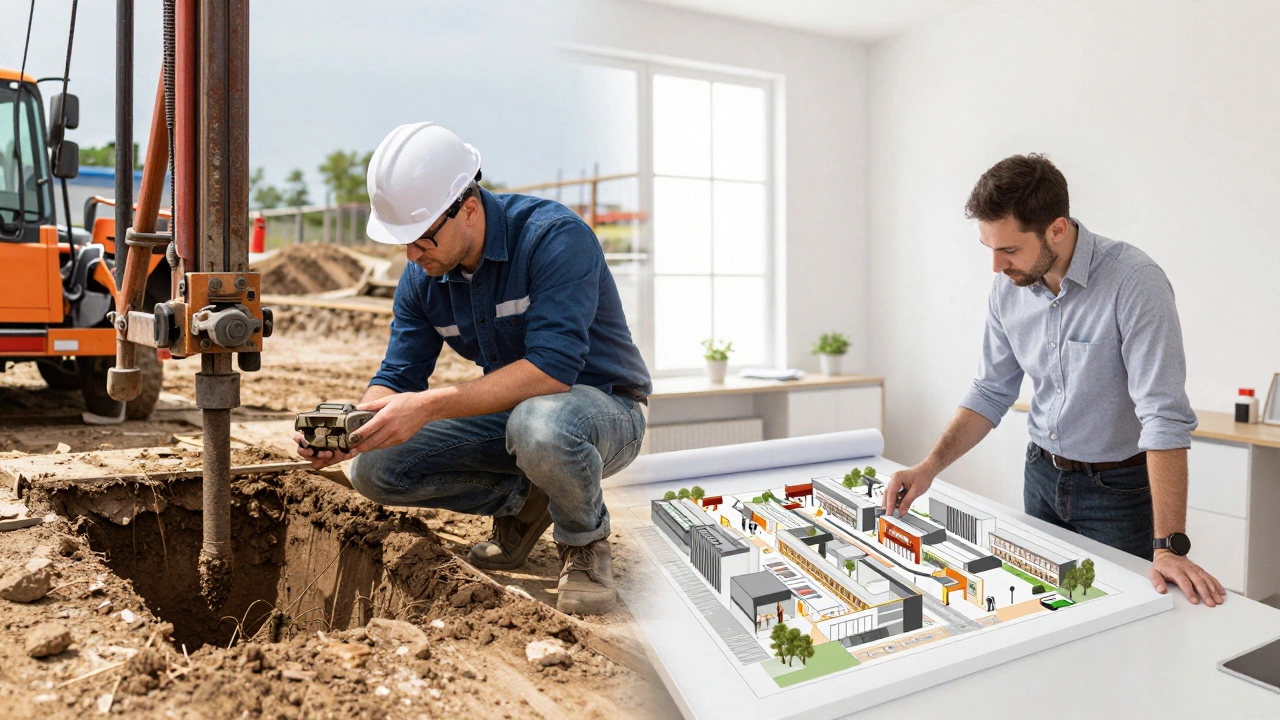
Common Pitfalls and Risks
Both types of construction have a habit of going over budget, but for different reasons. Civil projects often run into "unforeseen ground conditions." You start digging for a tunnel and find a prehistoric swamp or a massive rock formation that wasn't in the survey. Suddenly, your budget doubles because you need specialized blasting equipment. Commercial projects usually blow their budget on "scope creep." The client decides midway through that they want a glass curtain wall instead of standard windows, or they want to add a rooftop garden. Because these projects are tied to market trends, the design can change while the building is already going up.Which One Is Right for Your Project?
If you are a developer looking to build a new medical center or a retail hub, you need a commercial contractor. They understand the nuances of tenant improvement (TI) and how to navigate city building permits. You want someone who can manage a variety of subcontractors, from electricians to flooring experts. If you are working with a municipality to improve a local drainage system or build a new parking garage that serves as public infrastructure, you need a civil firm. They have the heavy equipment-like scrapers, graders, and pavers-and the expertise to move thousands of cubic meters of earth without causing a landslide.Can one company do both civil and commercial construction?
Yes, some large-scale construction firms have both divisions. However, they usually operate as separate departments because the equipment, insurance, and specialized labor required for a bridge are completely different from those needed for an office building.
Is residential construction considered commercial?
No. Residential construction is its own category. However, high-density residential projects like large apartment complexes often blur the line because they use commercial-grade materials and follow similar zoning laws as commercial builds.
Which type of construction is more dangerous?
Both have high risks, but the types differ. Civil construction often involves larger machinery and unstable ground, whereas commercial construction has a higher frequency of falls from heights and electrical hazards during the finishing phases.
What is the most common material used in both?
Reinforced concrete. Whether it's the foundation of a skyscraper or the pier of a bridge, concrete is the go-to because of its compressive strength and versatility.
Do civil projects take longer than commercial ones?
Generally, yes. Civil projects like dams or interstate highways can take a decade or more to complete due to the sheer volume of work and the complex public approval processes involved.