Commercial Construction Type Checker
Find Your Commercial Construction Type
This tool helps you identify the most appropriate type of commercial construction based on your building's purpose and requirements. Answer these questions to determine your building type.
Your Commercial Construction Type
Answer the questions above to see your result
When you walk into a shopping mall, an office tower, or a warehouse, you’re not just seeing space-you’re seeing a very specific kind of construction. Commercial construction isn’t just about putting up walls and roofs. It’s about building for function, efficiency, and profit. Unlike homes or apartments, commercial structures are designed to support business operations, serve customers, and meet strict regulatory demands. So what exactly makes a building commercial?
Commercial construction is built for business, not living
The biggest difference between commercial and residential construction is the purpose. Residential buildings are made for people to live in-bedrooms, kitchens, bathrooms. Commercial buildings are made for people to work, shop, eat, learn, or receive services. That changes everything: the layout, the materials, the permits, and even the way utilities are sized.
A typical office building might have 12 floors of open-plan workspaces, shared restrooms on every level, high-capacity elevators, and HVAC systems that run 24/7. A retail store needs wide aisles, strong flooring for heavy foot traffic, large display windows, and back-of-house areas for inventory. A hospital or clinic requires specialized rooms for medical equipment, infection control systems, and ADA-compliant access. None of these are priorities in a house.
Common types of commercial construction
Not all commercial buildings are the same. There are several major categories, each with its own rules and challenges:
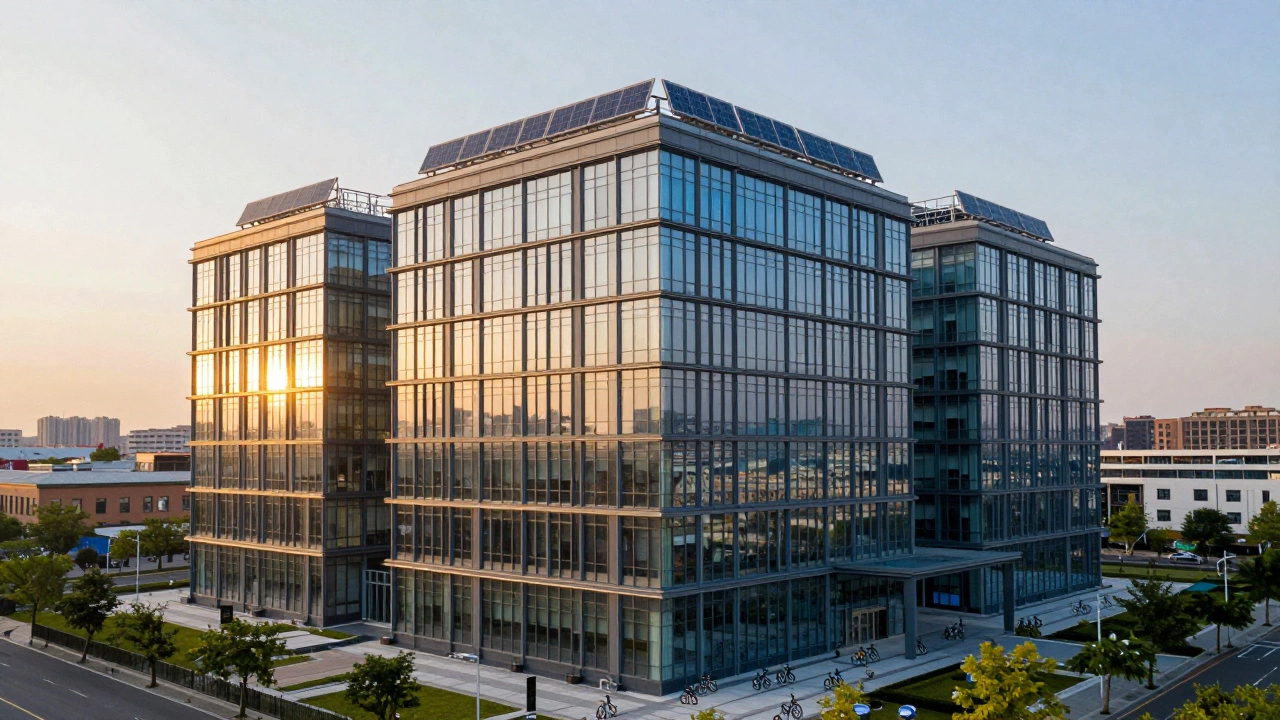
- Office buildings - These range from single-story corporate campuses to 50-story skyscrapers. They need strong structural frames, high-speed internet infrastructure, and energy-efficient lighting. Many now include green roofs, bike storage, and wellness rooms.
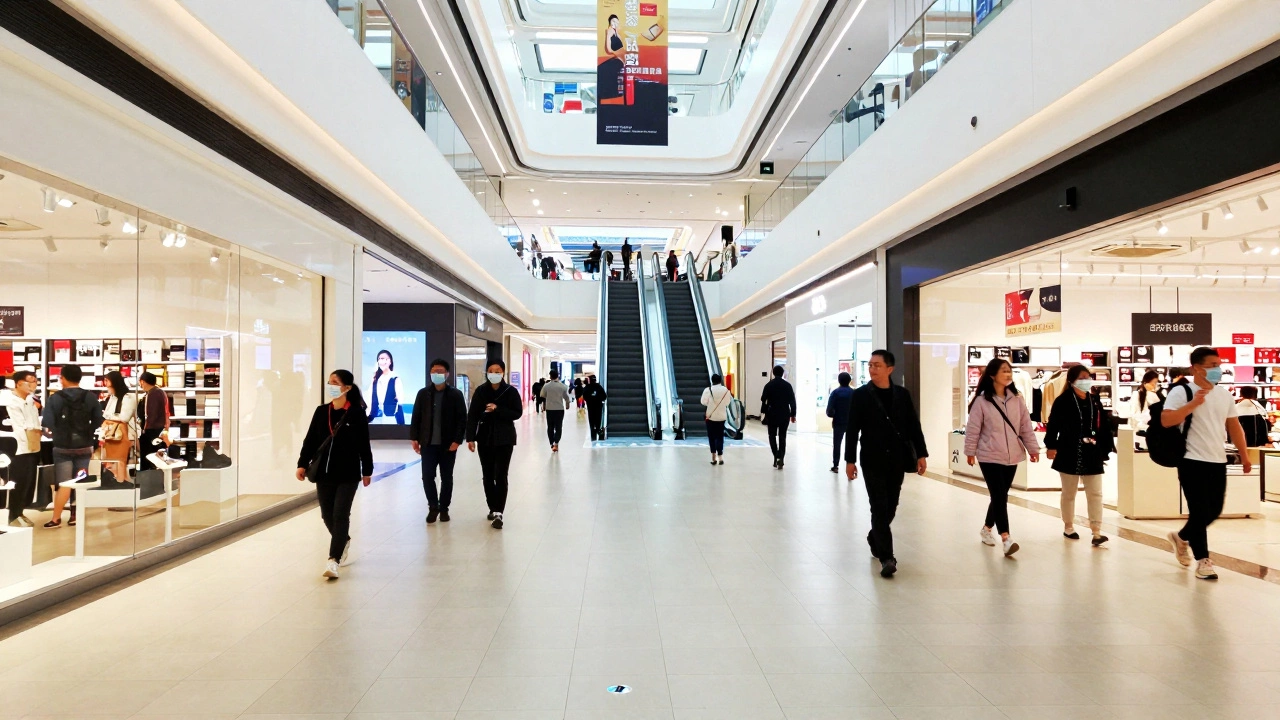
- Retail spaces - From small strip malls to giant shopping centers, these buildings focus on customer flow, visibility, and durability. Flooring must handle thousands of footsteps daily. Lighting is designed to highlight products, not just illuminate.
- Industrial facilities - Warehouses, factories, and distribution centers. These are built for heavy machinery, large doors, high ceilings, and reinforced concrete floors. They often have loading docks, crane systems, and specialized ventilation.
- Hospitality structures - Hotels, motels, resorts. These need soundproofing between rooms, multiple HVAC zones, laundry facilities, and kitchens that meet health codes. Guest experience drives the design, not just cost.
- Healthcare facilities - Clinics, outpatient centers, and hospitals. These require sterile environments, emergency power backups, radiation shielding, and strict waste disposal systems. Codes here are among the most demanding in construction.
- Educational buildings - Schools, universities, training centers. These need classrooms with good acoustics, flexible layouts, safety exits, and tech-ready wiring. Fire safety and child accessibility are major concerns.
Each type has its own set of building codes, zoning rules, and contractor specialties. You won’t hire the same team to build a bank branch that you’d hire for a data center.
Materials and systems differ from residential builds
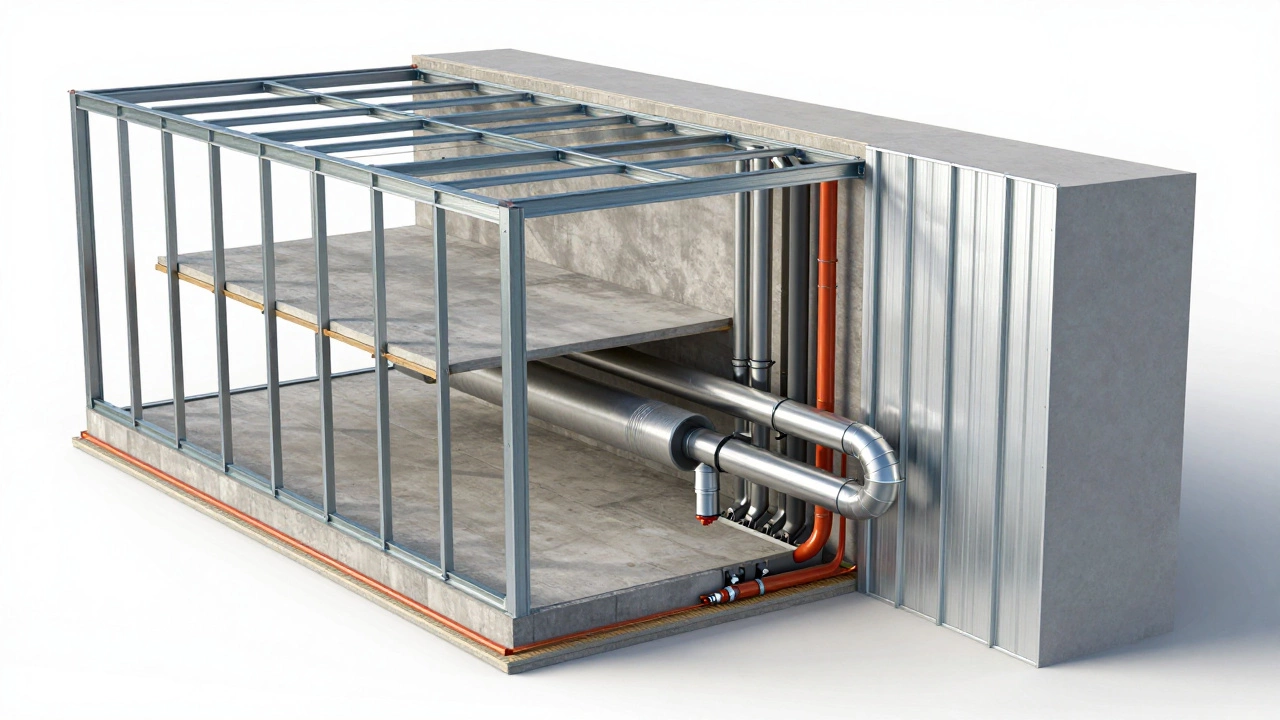
Commercial buildings use heavier, more durable materials. You won’t find drywall and wood framing as the main structure in most commercial projects. Instead, you’ll see:
- Steel frames for high-rise buildings
- Concrete slabs and shear walls for load-bearing strength
- Insulated metal panels for warehouses and retail
- Glass curtain walls for modern office towers
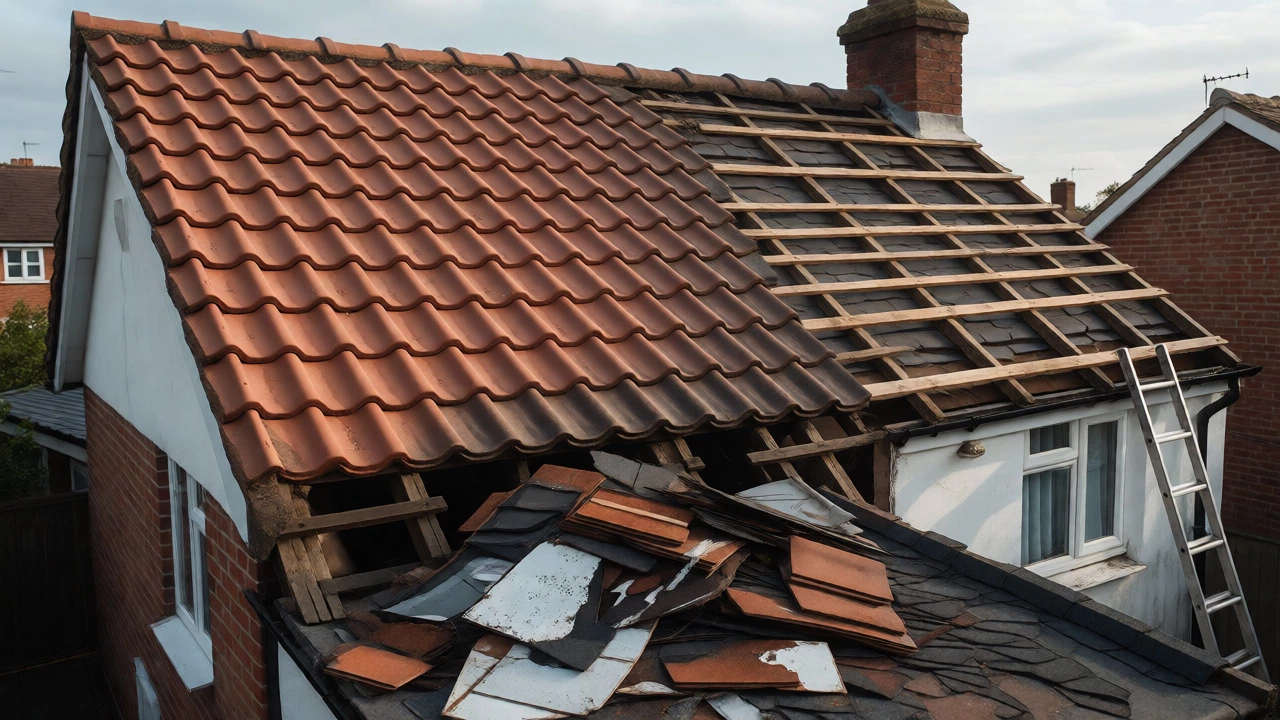
- Commercial-grade roofing systems with membrane layers, not shingles
Electrical systems are three-phase instead of single-phase. Plumbing lines are larger to handle multiple restrooms and kitchens running at once. HVAC systems are designed for constant operation, not just daytime use. Fire suppression includes sprinklers throughout, not just in the kitchen.
And it’s not just about strength-it’s about scalability. A residential home might have one water heater. A commercial building might have five, plus a backup. One electrical panel? Try six. One HVAC unit? Maybe 20, zoned by floor or department.
Regulations and permits are stricter
Building a house requires permits, yes-but commercial construction is a different beast. You’re dealing with federal, state, and local codes that change constantly. In Australia, for example, the National Construction Code (NCC) governs everything from fire safety to accessibility.
Commercial buildings must meet:
- AS 1684 for structural design
- AS 1428 for accessibility (wheelchair access, signage, ramps)
- AS 1851 for fire protection systems
- Local council zoning laws that limit height, setbacks, and parking ratios
There are also environmental requirements. New commercial projects in Melbourne often need to meet Green Star ratings for energy use, water efficiency, and materials sourcing. Some cities require solar panels or rainwater harvesting systems just to get approval.
Inspections happen more often and are more detailed. You won’t just get a final sign-off-you’ll have progress inspections for framing, electrical rough-ins, plumbing, fire systems, and more. Missing one can delay your opening by weeks.
Cost and timeline are much higher
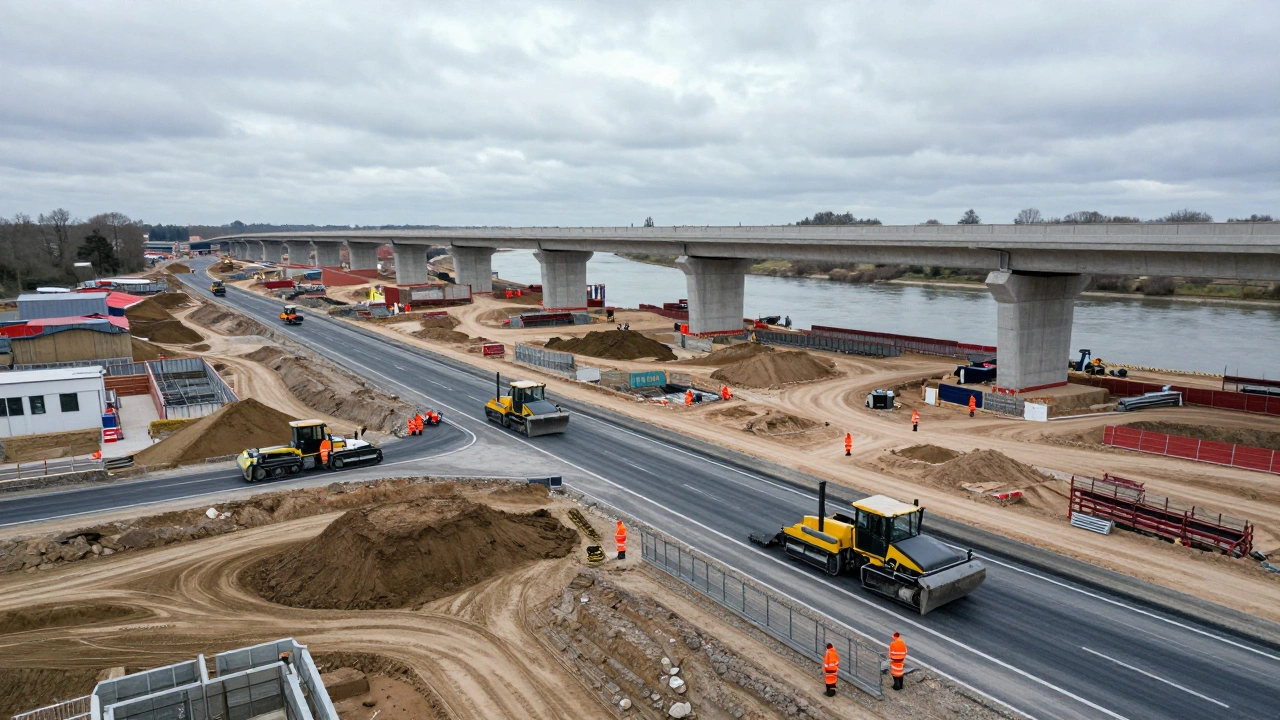
A typical house might take 6-8 months to build and cost $400,000-$800,000 in Melbourne. A small commercial building-say, a 2,000 sqm retail space-can cost $4-$8 million and take 12-18 months. Why the jump?
- More materials: steel, concrete, specialized glass
- More labor: engineers, project managers, specialized trades
- More permits and inspections
- Higher insurance and bonding requirements
- Longer procurement times for custom systems
Delays are common. Weather affects outdoor work. Supply chain issues hit harder when you need 500 windows or 100 elevators. And if you’re building on a tight urban site, you’re dealing with traffic control, noise restrictions, and neighbors who don’t want dust in their apartments.
Who builds commercial structures?
You don’t just hire a handyman or a local builder for this. Commercial projects need:
- General contractors with experience in commercial builds
- Architects who specialize in commercial design
- Structural and MEP engineers (mechanical, electrical, plumbing)
- Specialized subcontractors for fire systems, elevators, security
Many commercial builders work with project managers who track timelines down to the hour. Budgets are tight, and change orders cost more than in residential work. One wrong decision on HVAC placement can add $100,000 to the bill.
What happens after construction?
Commercial buildings don’t stop being built when the last nail is driven. They need ongoing maintenance. HVAC filters change monthly. Fire alarms get tested weekly. Elevators need quarterly inspections. Landscaping must stay neat for customer perception. Cleaning crews work overnight. All of this is factored into the building’s operating costs.
That’s why many businesses lease space instead of owning it. They let property managers handle the upkeep. But even then, the original construction quality determines how much they’ll pay in repairs down the line.
Commercial construction isn’t glamorous. You won’t see it on home renovation shows. But it’s the backbone of every city. Without it, there are no offices, no stores, no hospitals, no schools. It’s complex, expensive, and heavily regulated-but it’s also what keeps the economy moving.
Is a warehouse considered a commercial building?
Yes, a warehouse is a type of commercial construction. It falls under the industrial category and is designed for storage, distribution, and logistics. Warehouses need reinforced concrete floors, high ceilings, large loading doors, and often specialized HVAC systems for temperature control. They’re built to handle heavy machinery and high volumes of goods, not people.
Can a building be both commercial and residential?
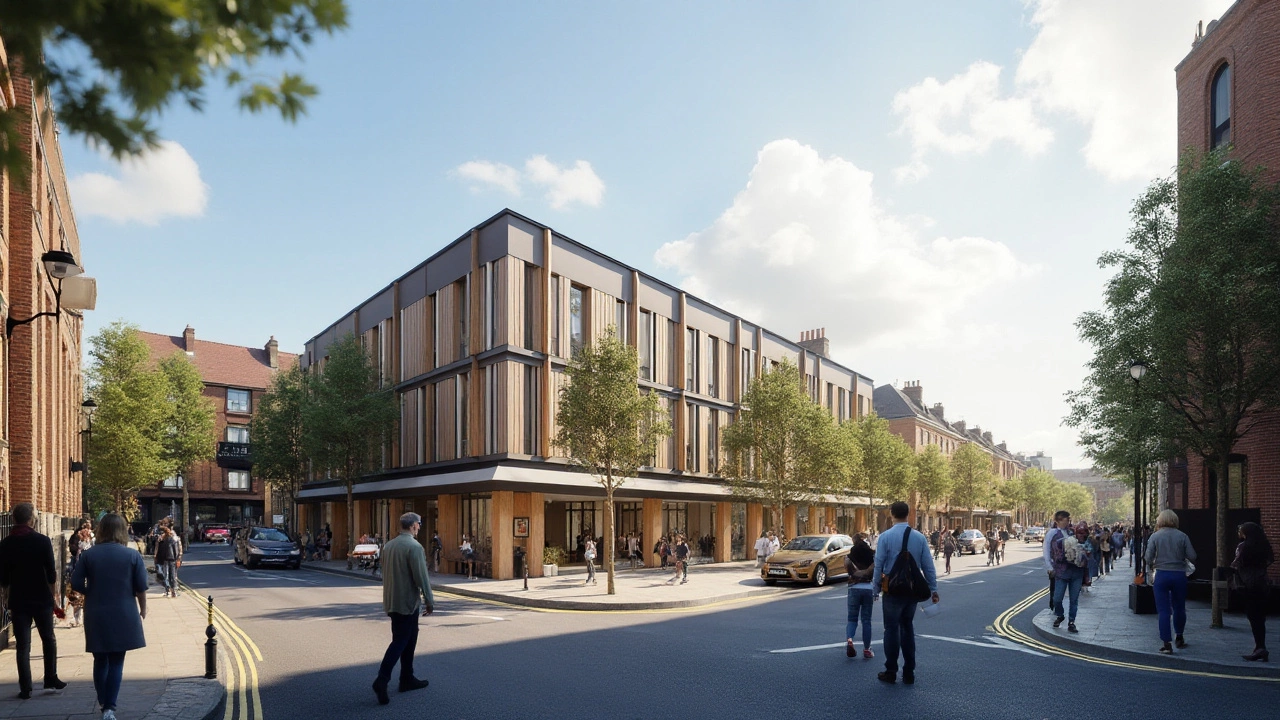
Yes, mixed-use buildings combine commercial and residential spaces. A common example is a ground-floor retail store with apartments above. These require careful planning to separate utilities, noise, and access points. Fire codes are stricter because you’re dealing with two different occupancy types in one structure. They’re popular in urban areas where space is limited.
Do commercial buildings need more permits than homes?
Absolutely. Commercial buildings require more permits because they serve the public and involve higher risks. You’ll need permits for structural work, electrical systems, plumbing, fire suppression, accessibility, and often environmental impact assessments. Each system may require separate inspections. A home might need three or four permits. A commercial project can need 15 or more.
Why are commercial buildings more expensive to build?
Commercial buildings cost more because they use heavier materials like steel and concrete, require complex systems (three-phase power, large HVAC units), and need specialized labor. They also face stricter regulations, more inspections, longer timelines, and higher insurance costs. A single office tower can involve dozens of subcontractors and months of coordination just to get the permits approved.
What’s the difference between commercial and industrial construction?
Commercial construction focuses on buildings where people interact with services-offices, stores, hotels. Industrial construction is for manufacturing, production, and heavy storage-factories, power plants, refineries. Industrial buildings prioritize durability, heavy loads, and specialized machinery integration. They often have fewer windows, thicker walls, and higher ceilings. The safety and environmental standards are also more extreme.
What to consider before starting a commercial project
If you’re thinking about building or leasing commercial space, here are three things you can’t afford to ignore:
- Location and zoning - Is the land zoned for your type of business? Some areas allow retail but not manufacturing. Others require a minimum number of parking spaces.
- Future-proofing - Will your space still work in five years? Tech changes fast. Flexible layouts, extra power outlets, and fiber-ready wiring save money later.
- Operating costs - A cheaper build today can mean higher utility bills, maintenance, and repairs tomorrow. Invest in energy-efficient windows, LED lighting, and smart HVAC systems. They pay for themselves.
Commercial construction isn’t just about bricks and steel. It’s about creating spaces where business thrives. Get it right, and your building becomes an asset. Get it wrong, and it becomes a liability.