Bathroom Renovation Cost Calculator
Realistic Budget Calculator
Follow the 50/30/20 rule: 50% for materials, 30% for labor, 20% for surprises.
Material Choices
Estimated Budget Breakdown
Renovating a bathroom doesn’t have to break the bank - but most people overspend because they don’t know where to cut corners without cutting quality. I’ve seen too many homeowners in Melbourne shell out $20,000 for a remodel that could’ve been done for under $8,000 with smarter choices. The key isn’t to skip essentials. It’s to redirect your budget where it matters most.
Start with a Realistic Budget - Then Stick to It
Too many people begin a bathroom renovation by looking at Pinterest and thinking, “I want all of this.” Then they get a quote from a contractor and panic. The fix? Set a hard budget before you even pick a tile sample. Use the 50/30/20 rule: 50% for materials, 30% for labor, 20% for surprises. That last 20% isn’t optional. Plumbing leaks, old pipes, or hidden mold will show up. If you don’t plan for them, you’ll be stuck paying double later.
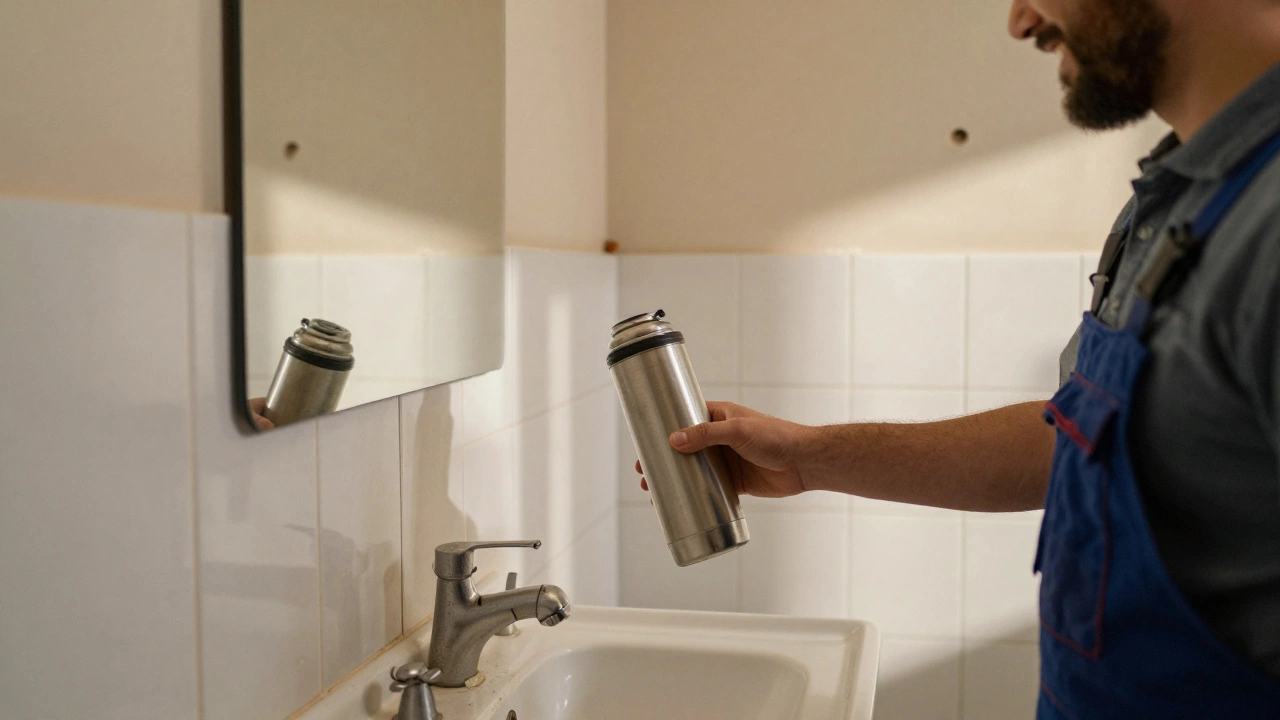
Track every expense in a simple spreadsheet. Include delivery fees, disposal costs, and even coffee runs for the tradespeople. You’d be surprised how much $5 lattes add up over a two-week job. I’ve had clients save $1,200 just by bringing their own thermos.
Keep the Layout the Same
Moving plumbing is the single biggest cost killer in a bathroom remodel. Relocating a toilet, shower, or sink means new pipes, new drains, new floor framing, and possibly new flooring throughout the whole room. That can add $3,000-$7,000 to your bill.
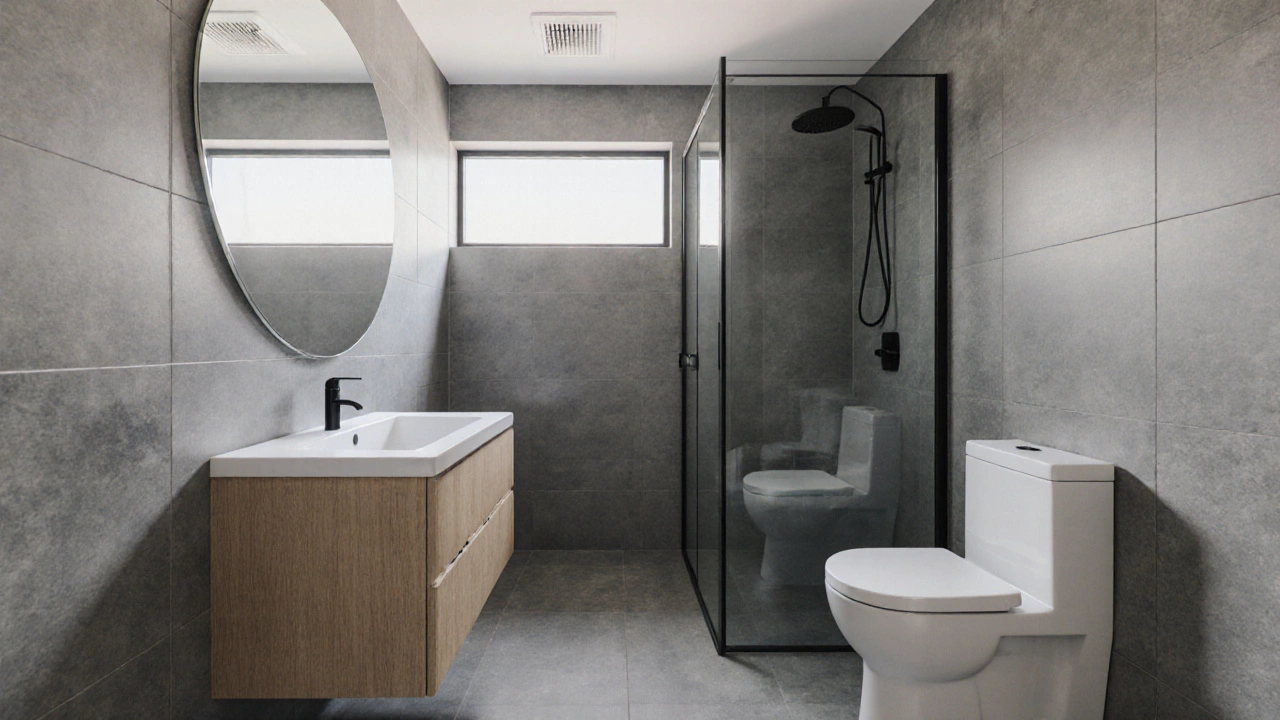
Instead of repositioning fixtures, work with what’s there. A standard 1.6-meter-wide bathroom can still look modern if you swap out an old tub for a sleek walk-in shower - without moving the drain. Or keep the vanity in its original spot and just replace the cabinet and countertop. You’ll save hours of labor and avoid structural headaches.
Pro tip: If you’re replacing a bathtub with a shower, keep the drain location. Most shower bases are designed to fit standard drain positions. You don’t need to re-pipe unless you’re moving the shower to a completely different wall.
Shop Smart on Fixtures and Finishes
You don’t need to buy brand-name faucets or designer tiles to get a luxury look. Many Australian suppliers sell the same products under different labels. A $1,200 Kohler faucet might be identical to a $450 one from a warehouse distributor like Bunnings Warehouse or Trade Secrets. Ask the salesperson: “Is this made by the same factory as the premium brand?” If yes, go for the cheaper label.
For tiles, skip the expensive imported porcelain. Australian-made ceramic tiles from manufacturers like Marley or Cera have the same durability, come in modern designs, and cost 40% less. A 10m² bathroom with premium tiles might cost $2,800. With local ceramic, it’s $1,600. That’s $1,200 back in your pocket.
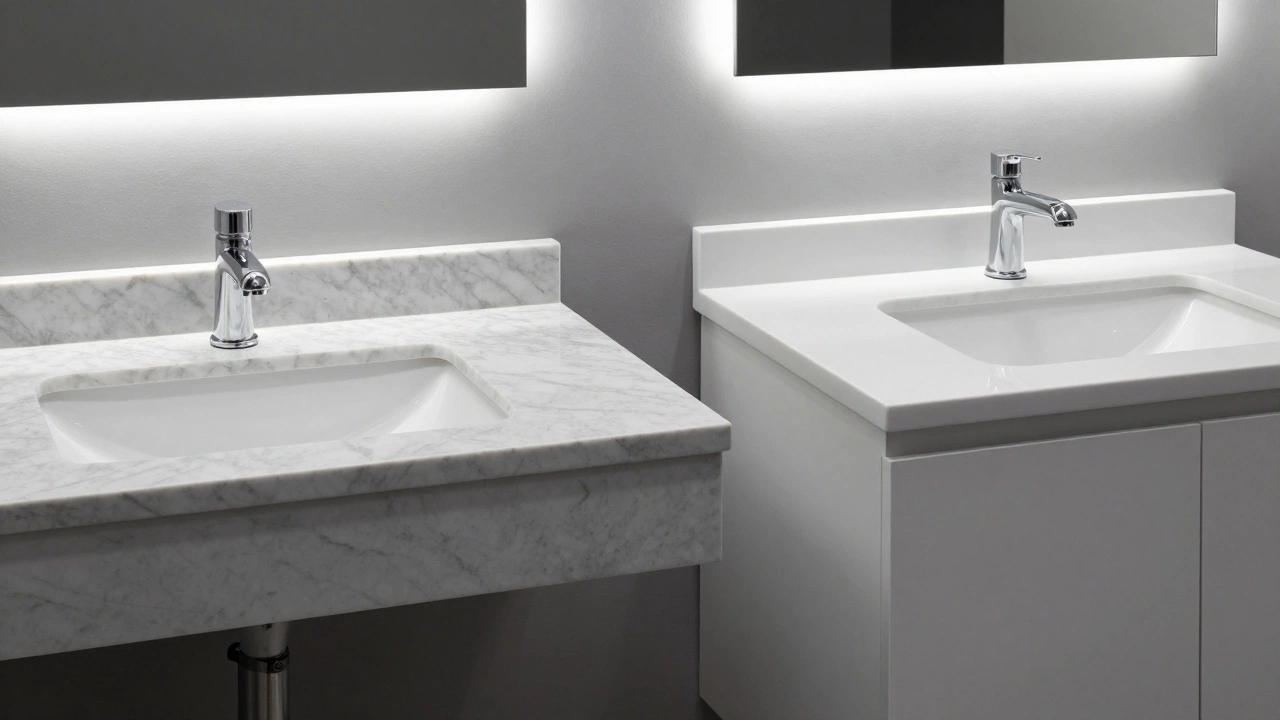
Consider secondhand or reclaimed fixtures. Antique stores, Habitat for Humanity ReStores, and Facebook Marketplace often have like-new vanities, sinks, and even toilets in great condition. I once installed a $300 vintage vanity from a local auction that looked like it cost $2,500. The only downside? You need to clean it thoroughly - and maybe replace the plumbing connections.
Do Some Work Yourself
You don’t need to be a licensed plumber to save money. There are plenty of tasks you can handle safely:
- Removing old cabinets, tiles, and fixtures
- Painting walls and ceilings
- Installing new lighting fixtures (if wiring stays the same)
- Putting down vinyl flooring or peel-and-stick tiles
- Assembling and mounting vanity units
Just avoid anything involving gas, water supply lines, or electrical panels unless you’re certified. One bad connection and you’re looking at water damage, mold, or worse. But if you’re handy with a drill and a level, you can easily do 20-30% of the work yourself. That’s easily $2,000-$4,000 saved on labor.
Watch YouTube tutorials from trusted sources like Home Renovation DIY or Plumbing Australia. They show exactly how to shut off water valves, remove old grout, or seal a shower base without leaks.
Choose Affordable Yet Durable Materials
Here’s what actually lasts - and what doesn’t:
| Material | Cost (per m²) | Lifespan | Why It Works |
|---|---|---|---|
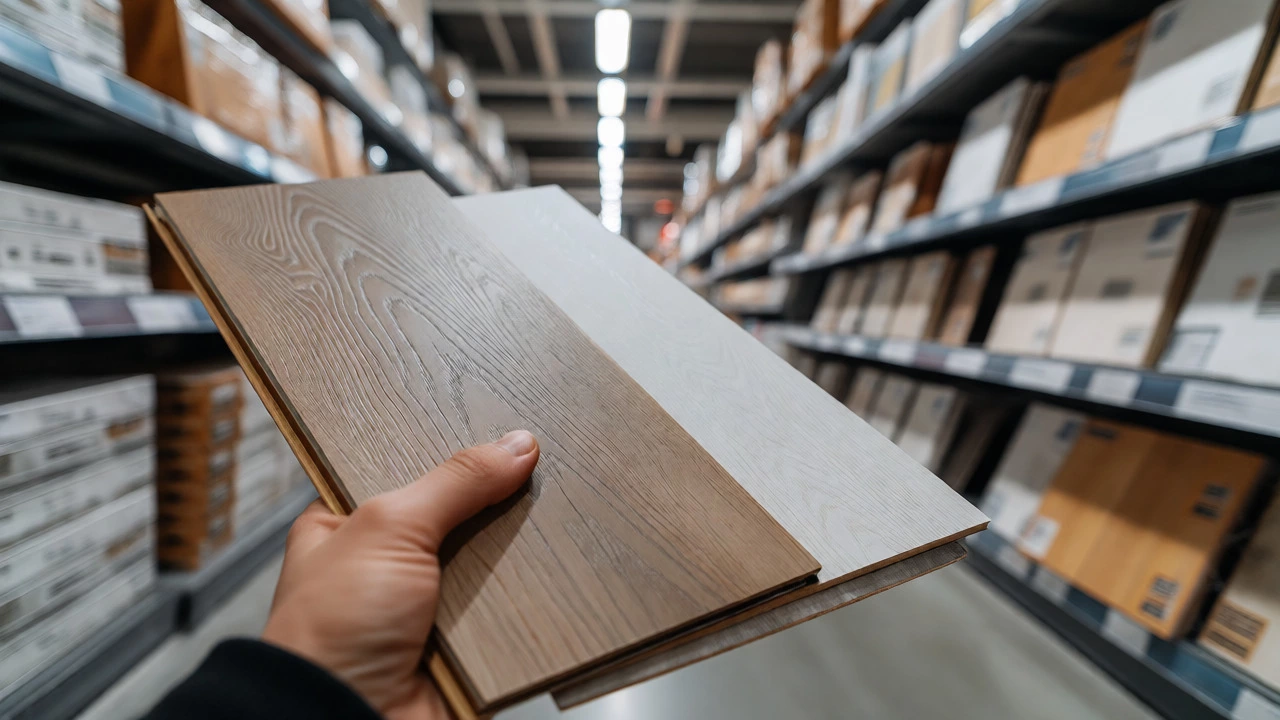
| Vinyl plank flooring | $25-$40 | 15-20 years | Waterproof, easy to install, mimics wood or stone |
| Engineered quartz countertops | $80-$120 | 20+ years | No sealing needed, resists stains, looks like marble |
| Ceramic wall tiles (Australian-made) | $15-$25 | 30+ years | Low maintenance, durable, wide range of colors |
| Acrylic shower bases | $300-$600 | 15+ years | One-piece design, no grout lines, easy to clean |
| Painted MDF vanities | $400-$800 | 10-15 years | Looks custom, cheaper than solid wood, easy to repaint |
Avoid natural stone like marble or granite for bathroom floors or countertops. They look amazing, but they stain easily, need sealing every year, and cost 2-3 times more than quartz or engineered stone. In a humid environment like a bathroom, they’re high-maintenance nightmares.
Buy During Sales - Timing Matters
Don’t buy your fixtures in January. Wait for the big sales. In Australia, the best deals happen in:
- March - End of financial year clearance
- July - Winter clearance
- October - End of financial year for some retailers
Many bathroom suppliers offer 20-40% off during these months. I’ve seen people score a $1,800 vanity for $950 just by waiting. Set up price alerts on Bunnings, Reece, or Trade Secrets. Even if you’re not ready to install yet, lock in the price. Fixtures don’t expire.
Also, check out trade-only suppliers. You don’t need to be a contractor to shop there. Places like Plumbing Supplies Australia or Tile Warehouse offer wholesale pricing if you ask. Bring your plans and say you’re doing a personal renovation - most will give you the same rate as a pro.
Don’t Over-Do the Lighting
Everyone wants recessed LED downlights, dimmers, and mood lighting. But you don’t need five separate light zones in a small bathroom. One good ceiling light + a simple mirror light is enough for daily use.
Upgrade to LED bulbs - they last 25,000 hours and use 80% less energy than incandescents. A $15 LED strip for your mirror is smarter than a $300 smart lighting system with an app. You’ll still get bright, even light without the tech headaches.
And skip the fancy heated towel rails unless you live in a cold climate. A basic towel rack costs $60. A heated one? $600. Is it nice? Sure. Is it worth it? Not unless you’re using it daily in winter.
What Not to Skip
Even when saving money, don’t cut corners on these three things:
- Waterproofing - Hire a licensed waterproofing specialist. A $500 mistake here can turn into a $15,000 repair later.
- Extraction fan - Install a quiet, high-CFM fan. Moisture causes mold, which damages walls, ceilings, and your health.
- Quality sealant - Use 100% silicone around the tub, shower, and sink. Cheap acrylic sealant cracks in months.
These aren’t glamorous. But they’re the difference between a bathroom that lasts 15 years and one that starts peeling after two.
Final Tip: Plan It Like a Project, Not a Wish List
Think of your bathroom renovation like a road trip. You don’t just hop in the car and drive until you run out of gas. You map your route, check the fuel, pack snacks, and know where the next service station is.
Write down your must-haves: “I need storage,” “I want a walk-in shower,” “I hate cold floors.” Then rank them. If your budget gets tight, you drop the luxury items - not the essentials.
Most people who save money on renovations don’t do it by being cheap. They do it by being smart. They choose where to spend, where to save, and when to wait. And they don’t let emotion drive their decisions.
With the right plan, you can get a bathroom that feels high-end - without the high-end price tag.
Can I renovate a bathroom for under $5,000?
Yes - but only if you keep the layout unchanged, do most of the labor yourself, and choose budget-friendly materials. A $5,000 renovation typically includes a new vanity, toilet, shower base, tiles, paint, and lighting. You’ll skip high-end finishes and may reuse existing plumbing. It’s tight, but doable if you’re willing to sweat a bit.
Is it cheaper to re-tile or paint bathroom walls?
Painting walls is far cheaper - about $100-$200 for materials versus $1,500-$3,000 for tiling. But painting only works if you’re not replacing the shower or tub surround. For wet areas, tile is still the only safe option. Use paint on dry walls, not behind the shower.
Should I replace my toilet or just refurbish it?
If your toilet is less than 15 years old and flushes well, just replace the internal parts. A new flapper, fill valve, and handle cost under $50. If it’s leaking, cracking, or uses 13 liters per flush, replace it. Modern dual-flush toilets use 4.5 liters or less - saving water and money long-term.
How long does a budget bathroom renovation take?
A simple renovation - keeping the layout, doing DIY prep, and using pre-made fixtures - can be done in 7-10 days. If you’re hiring tradespeople and doing custom work, expect 3-4 weeks. Rushing it leads to mistakes. Plan for at least two weekends of work, even if you’re doing it yourself.
What’s the most expensive part of a bathroom renovation?
Labor and plumbing. Moving pipes, rewiring, or removing old structures takes hours. A good plumber charges $80-$120/hour. Fixtures like faucets or tiles are cheaper than you think - but labor adds up fast. That’s why keeping the layout the same saves the most money.