Copyright Risk Calculator
Step 1: Where did you find the image?
Select the most accurate description of your source.
Step 2: How will you use the print?
Be honest about your intentions.
Step 3: Did you modify the image?
This affects 'Fair Use' considerations.
Your Legal Risk Assessment
Based on current US Copyright Law interpretations
Why this rating?
Explanation goes here.
Recommendation:
- Loading recommendations...
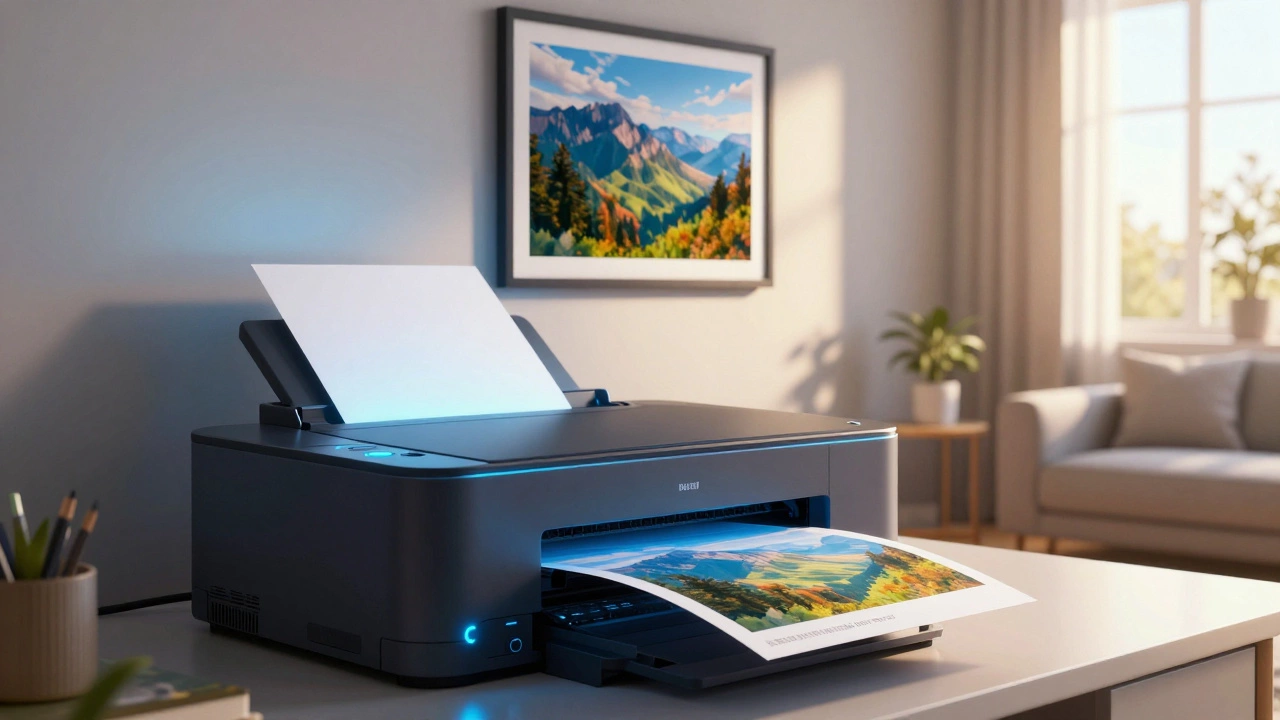
You find the perfect image online-a striking landscape, a whimsical illustration, or a vintage poster that matches your living room vibe perfectly. You download it, pop it into your home printer, and hang it on the wall. It looks great. But then a nagging thought creeps in: is it illegal to print art for yourself?
The short answer is yes, technically it can be. The longer answer involves understanding how copyright law works, what "personal use" actually means in a legal context, and where the gray areas lie. Most people don't realize that downloading an image and printing it is considered a reproduction of copyrighted material. While you likely won't get a cease-and-desist letter for one framed photo in your bedroom, understanding the rules protects you if you ever decide to share, sell, or display that art publicly.
Understanding Copyright Basics
To understand why printing might be an issue, we first need to look at what copyright actually protects. When an artist creates a piece of work-whether it's a photograph, a painting, or a digital illustration-they automatically hold the exclusive rights to that work. This includes the right to reproduce it, distribute it, and create derivative works.
Copyright Law is a legal framework that grants creators exclusive rights over their original works. In the United States, this protection lasts for the life of the author plus 70 years. In many other countries, similar terms apply. This means that almost any artwork you see online today is under active protection unless explicitly stated otherwise.
When you download an image file from a website, you are creating a copy. When you send that file to your printer, you are creating another physical copy. Both actions fall under the umbrella of "reproduction." Without permission from the copyright holder, these acts are technically infringements, regardless of whether you make money from them.
The Myth of "Personal Use"
A common misconception is that there is a broad "personal use" exception in copyright law. People often assume that if they aren't selling the item, they are safe. However, U.S. copyright law does not have a general exemption for personal, non-commercial use.
This differs from some other countries. For example, Germany has a specific provision allowing private copies for personal use, though even there, limitations exist regarding how the copy was obtained (e.g., bypassing DRM is still illegal). In the U.S., the concept of "fair use" is sometimes cited by individuals, but it is a legal defense used in court, not a blanket permission slip.
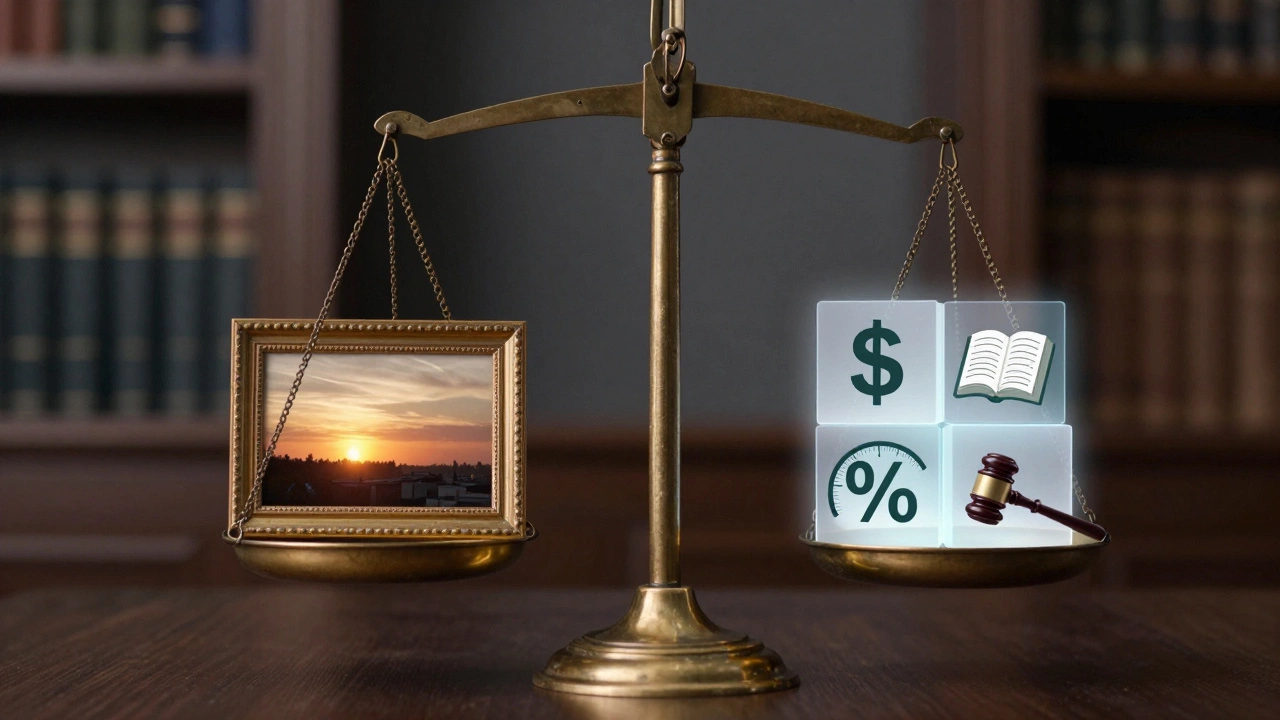
Fair use considers four factors:
- The purpose and character of the use (commercial vs. nonprofit educational).
- The nature of the copyrighted work.
- The amount and substantiality of the portion used.
- The effect of the use upon the potential market for the original.
Printing a high-resolution image for your wall fails the fourth factor significantly. If everyone printed professional photos instead of buying prints, artists would lose income. Therefore, courts rarely view personal printing as fair use.
Why Artists Don't Sue Everyone
If printing art for personal use is technically illegal, why isn't everyone getting sued? The answer lies in enforcement priorities and practicality.
Copyright holders, especially individual artists, focus their efforts on commercial infringement. They want to stop websites selling their work without license, companies using their images in ads, or mass-production printers offering unauthorized prints. Chasing down an individual who printed one picture for their kitchen is cost-prohibitive and yields little financial return.
However, the risk increases if your "personal use" becomes visible to the public. Posting a photo of your printed art on social media, displaying it in a business, or selling it later can trigger automated detection systems or draw the attention of rights management agencies. These organizations scan the internet for unauthorized reproductions and may issue takedown notices or demand payments.
Public Domain and Creative Commons
Not all art is under strict copyright. There are two main categories of art that you can legally print for yourself without worrying about infringement: Public Domain works and Creative Commons licensed content.
| License Type | Can Print for Home? | Can Sell Prints? | Attribution Required? |
|---|---|---|---|
| Standard Copyright | No (Technically) | No | N/A |
| Public Domain | Yes | Yes | No |
| Creative Commons (CC BY) | Yes | Depends on version | Yes |
| Creative Commons (CC0) | Yes | Yes | No |
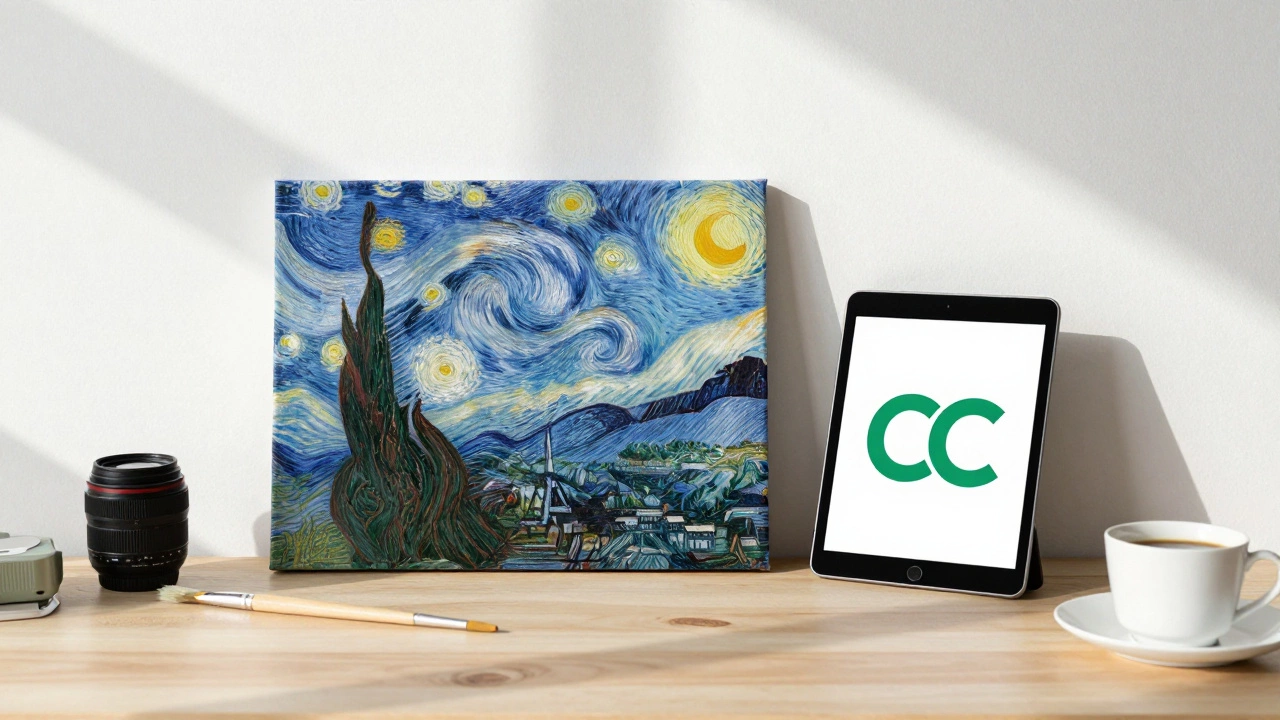
Public Domain works are those where copyright has expired or was never applicable. Classic paintings by Van Gogh, Monet, or Da Vinci are safe to print. Websites like Wikimedia Commons and the Library of Congress offer millions of high-resolution scans of these works. Just ensure the source confirms the work is truly in the public domain, as some museums claim rights over the photographs of the paintings themselves (though this is legally contested).
Creative Commons (CC) licenses allow creators to specify how others can use their work. Look for CC0 (public domain dedication) or CC BY (attribution required). Always check the specific license terms. Some CC licenses prohibit commercial use, which doesn't affect personal printing but restricts selling.
Risks of Digital Downloads and Print-on-Demand
Many people buy "digital downloads" from platforms like Etsy. Sellers often label these as "for personal use only." This is a contractual agreement between you and the seller. By purchasing, you agree not to resell or redistribute the file. Printing it for your home is permitted under this contract.
However, be cautious with third-party print services. If you upload a copyrighted image to a print-on-demand service to make a poster, you are asserting that you have the rights to do so. Most services require you to warrant that you own the copyright or have permission. If the original artist complains, the service will remove your order and may ban your account.
Best Practices for Legal Wall Art
If you love art and want to fill your walls without legal worries, follow these steps:
- Buy Official Prints: Support artists by purchasing prints directly from their websites or authorized galleries. This ensures they are compensated.
- Use Stock Photo Sites: Services like Unsplash, Pexels, and Pixabay offer high-quality images under licenses that generally allow personal and sometimes commercial use. Always double-check the current license terms.
- Commission Original Work: Hire a local artist to create a piece specifically for your space. You own the physical object, and you can negotiate usage rights.
- Explore Public Domain Repositories: Sites like Open Library and Project Gutenberg offer texts and associated illustrations that are free to use.
- Ask Permission: If you find an artist on Instagram whose work you love, send a polite message asking if you can print a small copy for personal use. Many artists will say yes, especially if you credit them.
Conclusion
While the likelihood of facing legal action for printing a single image for your home is low, it is important to recognize that copyright law does not grant a free pass for personal reproduction. Respecting artists' rights encourages creativity and ensures they can continue producing the work you admire. By choosing public domain sources, licensed stock images, or official prints, you can decorate your home beautifully and ethically.
Can I print a song lyric poster for my room?
Lyrics are copyrighted separately from the music. Printing them for personal use is technically infringement, though rarely enforced. For safety, look for lyric posters sold by official merchandise stores or use lyrics from very old songs that may be in the public domain.
Is it okay to print memes for my wall?
Memes often contain copyrighted images or text. While culturally accepted, printing them is legally risky. If the meme uses a movie still or a celebrity photo, those rights belong to studios or photographers. Stick to original meme creations or public domain imagery.
What happens if I accidentally print copyrighted art?
If you discover you've printed something copyrighted, simply remove it from public view. If contacted by the rights holder, apologize and destroy the print. Ignoring demands can lead to legal fees, but cooperation usually resolves the issue.
Can I frame a screenshot from a movie?
Movie frames are copyrighted by the production studio. Framing a screenshot is technically illegal. Studios sell official posters and prints; buying these supports the film industry and avoids legal issues.
Are prints from IKEA or Target legal?
Yes. Retailers like IKEA and Target license art from designers and artists. When you buy a print from them, you are paying for a legal reproduction. You can hang these freely without worry.