Melbourne Bathroom Refresh Budget Planner
Configuration
Estimated Cost Breakdown
Let’s be honest: $5,000 is a tight budget for a bathroom renovation in Melbourne, Australia's capital of culture and construction costs. In 2026, with trade rates climbing and material prices fluctuating, most contractors will quote you double or triple that amount for a full gut-and-refit. But here is the twist: you *can* transform your space for this price if you redefine what "redo" means. It won’t involve knocking down walls or swapping out your shower base. Instead, it requires a surgical approach-focusing on high-impact visual changes while leaving the plumbing and tiles largely intact.
If you are sitting on a savings account with exactly five grand and dreaming of a fresh look, stop scrolling. This guide breaks down exactly where every dollar goes, what you must do yourself, and how to avoid the common traps that blow budgets in Australian homes.
The Reality Check: What $5,000 Actually Buys You
Before we pick up a paintbrush, we need to manage expectations. A professional bathroom renovation in Victoria typically ranges from $15,000 to $30,000+. With $5,000, you are entering the realm of a "cosmetic refresh" rather than a structural renovation.
You are not buying new plumbing fixtures behind the walls. You are not buying a new bathtub or shower screen. You are buying new surfaces, new hardware, and a new atmosphere. Think of it as a deep cosmetic surgery for your room. The skeleton stays; the skin gets a glow-up. If your current bathroom has leaking pipes, mold under the floorboards, or cracked tiles, this budget will not fix those problems. Those require tradespeople, and their time is expensive. For this plan to work, your existing layout and major fixtures must be functional.
| Item | Estimated Cost (AUD) | Notes |
|---|---|---|
| Vanity Unit & Mirror | $800 - $1,200 | Budget-friendly options at Bunnings or IKEA |
| Paint & Prep Supplies | $300 - $500 | High-quality moisture-resistant paint is non-negotiable |
| Lighting Upgrade | $400 - $600 | New fixture + LED bulbs; wiring may require an electrician |
| Hardware & Accessories | $300 - $500 | Towel rails, toilet paper holders, hooks |
| Toilet Seat & Cistern Plate | $150 - $250 | Easy swap for a modern look |
| Grout Cleaning/Recoloring | $100 - $200 | Kit or small contractor job to brighten old tiles |
| Shower Head & Mixer Tap | $300 - $500 | DIY install if connections are standard |
| Miscellaneous/Contingency | $500 - $800 | Always keep cash for unexpected fixes |
Strategy 1: The Vanity Swap
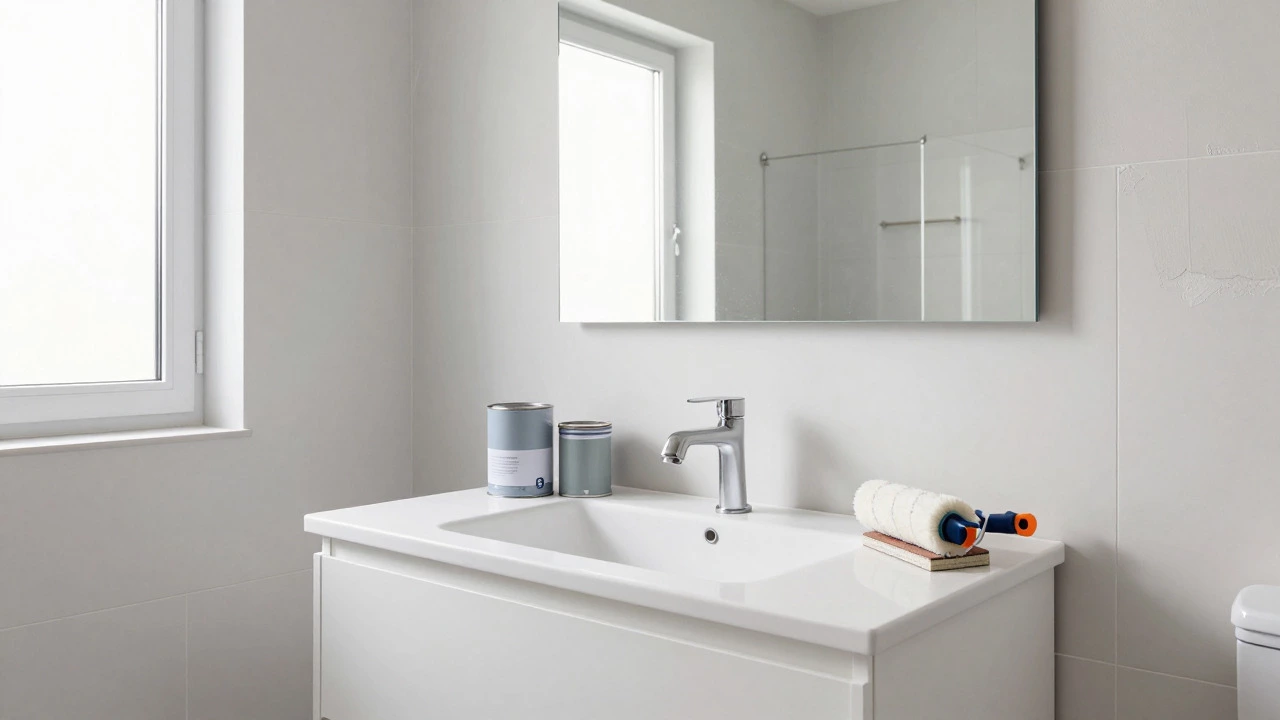
The vanity is the focal point of any bathroom. An old, stained, or dated cabinet can make a whole room feel tired. Swapping it out is one of the highest-return investments you can make. You don't need a custom-made piece. Look for flat-pack options from retailers like IKEA or pre-assembled units from local builders' merchants.
In Melbourne, you can find decent quality vanities for around $800 to $1,000. Make sure to measure your space carefully. Standard widths are often 600mm, 800mm, or 900mm. If your new vanity fits over the old plumbing waste outlet, you save hundreds of dollars in plumber fees. If it doesn't, you might need a flexible waste pipe adapter, which is a cheap DIY fix. Pair the new vanity with a simple, frameless mirror. A large mirror reflects light and makes the space feel bigger, instantly upgrading the aesthetic.
Strategy 2: Paint Over Tiles?
This is the controversial part. Many experts say never paint bathroom tiles. They argue it peels. But technology has changed. There are specific epoxy-based tile paints available in Australia that adhere well to ceramic and porcelain. Brands like Dulux have introduced products designed for high-moisture areas. However, preparation is everything. You must clean the tiles thoroughly with a degreaser, sand them lightly to create a key, and apply a primer before painting.
If you are risk-averse, skip the walls and focus on the ceiling and any painted surfaces. Painting the ceiling white or a soft grey can brighten the room significantly. Use a satin or semi-gloss finish; matte paint will absorb moisture and show mildew quickly. For the walls, if you have plasterboard sections, repaint them. If you have tiled walls, consider grout recoloring instead. Grout pens or sprays can turn dingy grey grout into crisp white or charcoal, making your existing tiles look brand new without the mess of repointing.
Strategy 3: Lighting Makes the Room
Bad lighting ages a bathroom faster than anything else. Fluorescent tubes from the 1990s cast a sickly green hue. Replacing your main light fixture is a game-changer. Look for a modern LED panel or a sleek pendant light. Ensure the new fixture is rated for wet areas if it’s near the shower, but generally, a standard damp-rated fixture works for the center of the room.
Here is a pro tip: add dimmers. A switch with a dimmer allows you to control the mood. Bright light for shaving or makeup, soft light for a relaxing bath. This feature feels luxurious but costs very little. You might need an electrician for this step if your current switchgear isn't compatible, which could run $200-$300. Factor that into your lighting budget. Alternatively, buy smart bulbs that change color temperature via an app, avoiding hardwiring altogether.
Strategy 4: Hardware and Fixtures
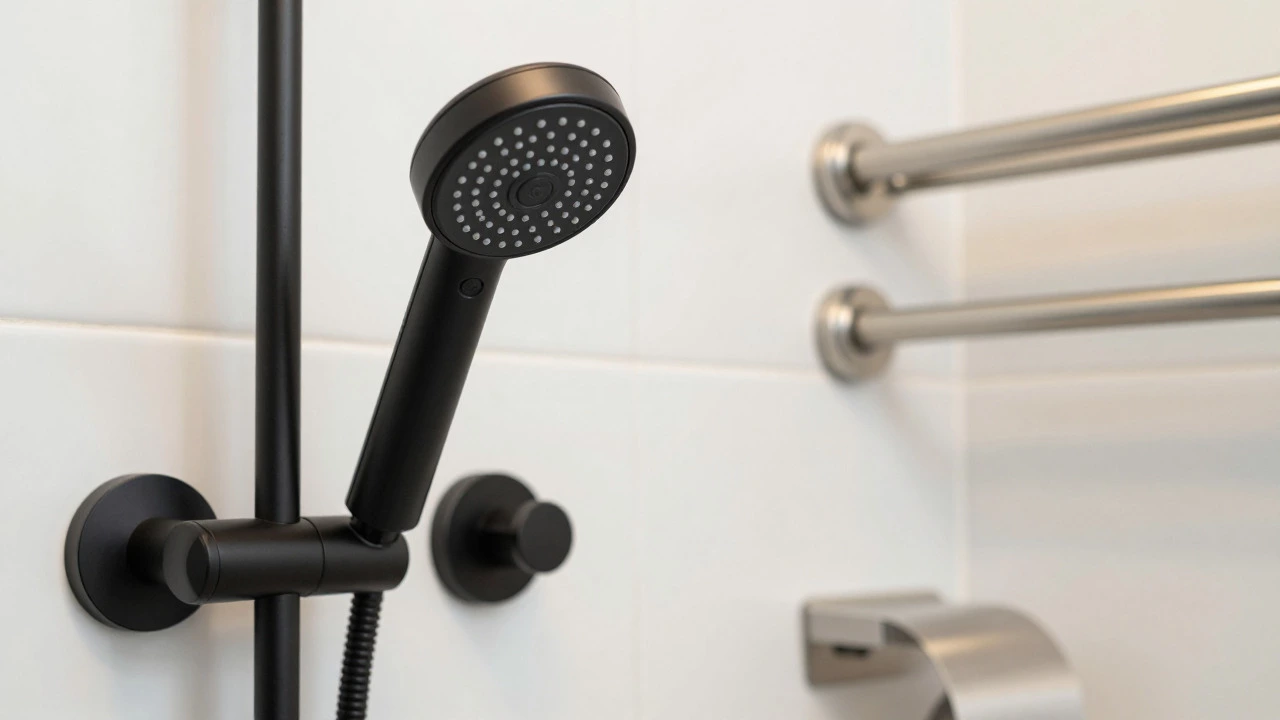
Small details scream luxury. Your current towel bars, toilet roll holder, and robe hook might be rusted or yellowed plastic. Replace them all with matching brushed nickel, matte black, or chrome finishes. Consistency is key. Don't mix gold and silver unless you are doing a deliberate eclectic design, which is hard to pull off in a small space.
Your showerhead and mixer tap also matter. A rain showerhead attached to your existing arm can transform your daily shower experience. Modern mixer taps with a single lever are easier to use and look cleaner than old two-handle knobs. These are usually straightforward DIY jobs if you have basic wrench skills and know how to turn off the water supply. Watch a YouTube tutorial specific to your tap model before starting.
What to Avoid at All Costs
With a limited budget, mistakes are expensive. Here is what you should skip:
- Changing the Layout: Moving the toilet, shower, or sink requires moving pipes. That alone can cost $1,500+ in labor. Keep everything in its current spot.
- New Shower Screens: Custom glass screens are pricey. If your current screen is safe, clean it thoroughly. If it’s broken, consider a high-quality curtain with a nice rod as a temporary or permanent stylish alternative.
- Removing Healthy Tiles: Demolition creates dust, debris, and disposal costs. If the tiles aren't cracked, cover them or paint them. Don't rip them out unless they are loose.
- Buying Cheap Paint: Do not skimp on paint. Bathroom paint needs to resist humidity. Buy the best moisture-resistant paint you can afford within your budget. It lasts longer and looks better.
DIY vs. Hiring Help
To stay under $5,000, you must sweat equity. You will likely need to handle the demolition of old accessories, the painting, the installation of the new vanity (if it’s bolt-on), and the assembly of shelves. However, don't be a hero with electricity or complex plumbing. In Victoria, electrical work must be certified by a licensed electrician. While replacing a lightbulb is fine, rewiring a switch or installing a new circuit requires a pro. Call a local electrician for a quote early. If they charge $300 for a half-day, book them for the lighting and fan upgrade. This ensures safety and compliance with Australian Standards.
For plumbing, changing a showerhead or a tap cartridge is usually DIY-friendly. But if you see corrosion or leaks when you open things up, call a plumber immediately. A small leak today becomes a ceiling collapse tomorrow.
Sourcing Materials in Melbourne
Where you shop matters. Big box stores like Bunnings Warehouse offer competitive prices on basics. IKEA is great for vanities and storage solutions. For unique lighting or hardware, check out local market stalls in Queen Victoria Market or online platforms like eBay and Facebook Marketplace for second-hand premium items. Sometimes you can find a solid timber vanity that just needs sanding and staining for a fraction of the retail price.
Also, consider clearance sections. Retailers often discount end-of-line models by 30-50%. These items are identical in function but might be last season's color. In a bathroom, where you spend minutes a day, last season's color is still beautiful.
Final Thoughts on the $5k Challenge
Can you redo a bathroom for $5,000? Yes, but you have to be smart. It’s about curation, not construction. Focus on what you see every day: the vanity, the lights, the handles, and the cleanliness of the grout. Leave the hidden infrastructure alone unless it’s broken. By combining strategic DIY with selective hiring of professionals for critical tasks, you can achieve a fresh, modern look without breaking the bank. Just remember: measure twice, cut once, and always keep a contingency fund for the unexpected surprises that renovations love to throw at you.
Is it worth renovating a bathroom for only $5,000?
Yes, if your goal is a cosmetic update. A $5,000 budget can significantly improve the aesthetics and functionality through painting, new fixtures, and a vanity swap. It adds value to your home by modernizing the look without the high cost of structural changes. However, if your bathroom has underlying issues like mold or leaks, this budget may not be enough to address root causes.
Can I paint my bathroom tiles myself?
You can, but it requires careful preparation. Use a specialized tile paint designed for high-moisture areas. Clean the tiles thoroughly, sand them to roughen the surface, apply a bonding primer, and then paint with multiple thin coats. Proper ventilation during drying is essential. Note that painted tiles may chip over time compared to glazed originals.
What is the cheapest way to update a bathroom?
The cheapest updates include painting the walls and ceiling, replacing hardware (towel bars, hooks), updating the toilet seat, and deep cleaning grout. Adding new lighting and a fresh coat of paint on the vanity (if wooden) can also drastically change the look for under $1,000.
Do I need a permit for a bathroom renovation in Melbourne?
For a cosmetic refresh involving no structural changes or plumbing alterations, you typically do not need a building permit. However, any electrical work must comply with Australian Standards and may require certification by a licensed electrician. Always check with your local council if you are unsure about specific regulations.
How long does a budget bathroom refresh take?
A DIY-focused refresh can be completed in a weekend or two. Painting may take a couple of days due to drying times between coats. Installing a new vanity and lighting can be done in a few hours if you have the skills. Plan for 3-7 days total to allow for curing times and unexpected delays.