

Construction Project Timeline & Risk Simulator
Project Configuration
Process Overview
Select a Phase
Click on any phase in the timeline above to see detailed insights, potential pitfalls, and key deliverables.
Risk & Cost Analysis
Ever stared at a quote and wondered what you’re actually paying for? It’s not just the bricks, the timber, or the labor hours. You are buying someone else’s headache. When you hire a building contractor is a professional who manages the planning, execution, and completion of construction projects, you are outsourcing the chaos of coordination. But how does that magic happen behind the scenes?
Most homeowners think a contractor shows up with a toolbox and starts hammering. In reality, before a single nail is driven, there is a massive amount of paperwork, logistics, and risk assessment. Understanding this workflow helps you avoid costly delays, budget blowouts, and those awkward moments when you realize your expectations didn’t match the contract.
The Pre-Construction Phase: Where the Real Work Begins
The visible part of construction is only about 30% of the job. The other 70% happens in offices, council chambers, and supply yards long before the digger arrives on your property. This phase is critical because mistakes here cost ten times more to fix later.
It starts with the preliminary consultation. This isn’t just a chat over coffee. A good contractor assesses feasibility. They look at soil conditions, zoning laws, and structural constraints. For example, in Melbourne, clay soils can shrink and swell dramatically, requiring specific foundation designs that a generic quote might miss.
Once you decide to proceed, the contractor moves into design development. If you haven’t hired an architect, they often work with draftspersons to create detailed plans. These aren’t pretty pictures; they are technical instructions. Every window size, electrical outlet location, and plumbing fixture must be mapped out. This stage produces the documentation needed for permits.
Then comes the pricing. There are two main ways contractors price jobs:
- Lump Sum Contracts: You agree on a fixed price upfront. The contractor takes the risk if costs rise. This is common for residential renovations where scope is clear.
- Cost Plus Contracts: You pay for actual materials and labor plus a percentage fee for the contractor’s overhead and profit. This offers transparency but shifts financial risk to you.
Before signing, ensure the quote includes everything. Hidden costs like site cleanup, permit fees, or unexpected waste removal are classic traps. A detailed breakdown protects both parties.
Navigating Permits and Approvals
You cannot legally build without permission. This is where many DIYers stumble. Councils and local government areas (LGAs) have strict rules about setbacks, height limits, and heritage overlays. In Victoria, for instance, you need a Building Permit issued by a private certifier or the council, separate from any planning permit.
The contractor usually handles this legwork, but it’s not instant. It can take weeks for engineers to review structural calculations. During this time, nothing happens on-site. Patience is key. If a contractor promises "instant approval," run. Legitimate processes involve third-party checks to ensure safety standards are met.
This stage also involves securing insurance coverage. Specifically, Home Building Act warranty insurance (often called domestic building insurance) is mandatory for works over $16,000 in Victoria. This protects you if the contractor disappears or goes bankrupt mid-project. Always verify the policy number before handing over a deposit.
Procurement and Logistics: The Supply Chain Puzzle
Imagine trying to assemble a Lego set while blindfolded, but the pieces keep getting delayed. That’s construction without proper procurement. A contractor’s biggest headache today is material availability. Timber, steel, and glass prices fluctuate wildly based on global demand and shipping routes.
A skilled contractor orders materials weeks in advance. They know that ordering windows too early means they sit in a shed risking theft, but ordering them too late stops the entire frame crew. This timing is called just-in-time delivery. It keeps the site clean and cash flow positive.
They also vet their subcontractors. Your contractor rarely does all the work themselves. They hire electricians, plumbers, tilers, and painters. Each sub-specialist has their own schedule. The contractor acts as the conductor of this orchestra. If the plumber is late, the tiler can’t start. If the tiler is late, the painter waits. One delay ripples through the whole timeline.
On-Site Execution: Managing the Chaos
When the site opens, the rhythm changes. The first week is usually demolition and excavation. Dust flies, noise rises, and neighbors complain. This is normal. The contractor ensures waste is removed legally-dumping rubble in random bushland is illegal and costly.
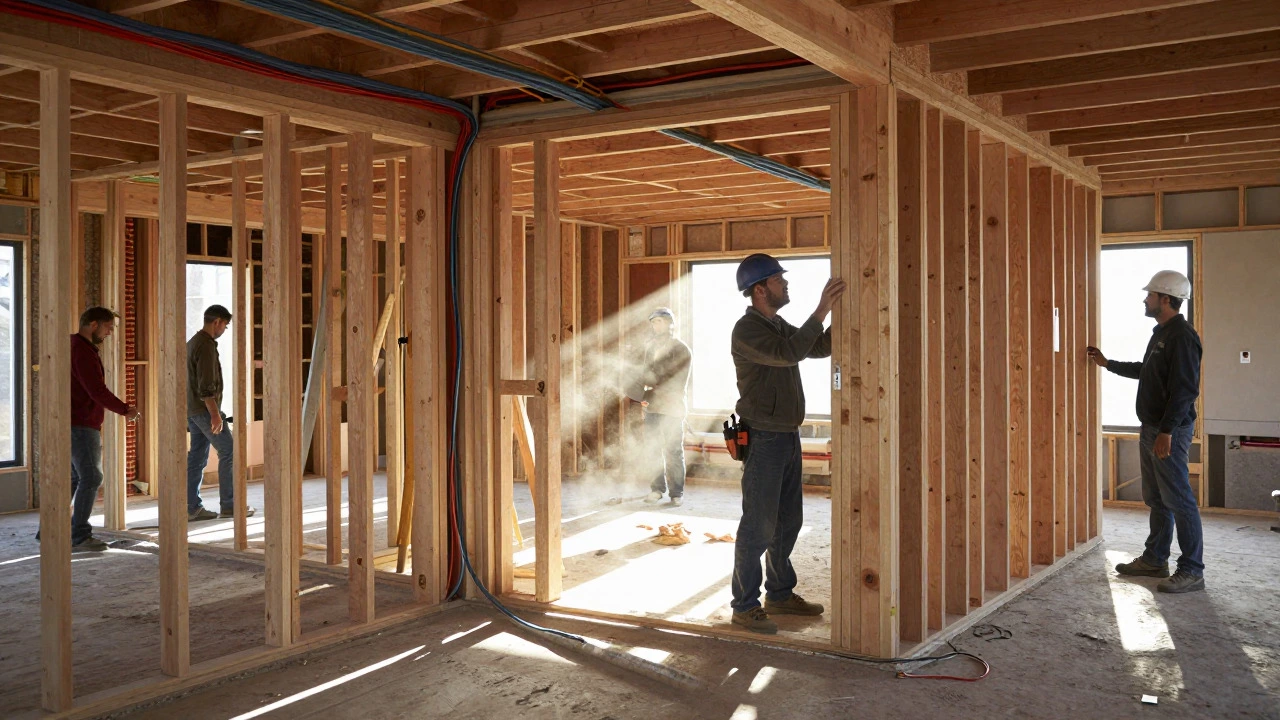
Next comes the rough-ins. Framing goes up, then roofing. After that, services are installed inside the walls: pipes, wires, and ducts. This is the most vulnerable phase because once insulation and plasterboard go up, fixing errors is expensive. Inspections happen here. A building surveyor visits to check foundations, framing, and waterproofing. If something fails, work stops until it’s fixed.
Communication is vital during this stage. Daily briefings with tradespeople prevent mix-ups. For example, if the electrician doesn’t know the cabinet maker changed the kitchen layout, sockets end up behind ovens. Good contractors walk the site every morning, anticipating problems before they occur.
Quality Control and Final Handover
The final stretch is where pride meets detail. Paint touches up, tiles get grouted, and fixtures are installed. This is also when defects appear. Scratches on floors, misaligned doors, or leaky taps. A professional contractor conducts a defects liability period check. Typically lasting three months after handover, this period guarantees that any issues arising from poor workmanship will be fixed free of charge.
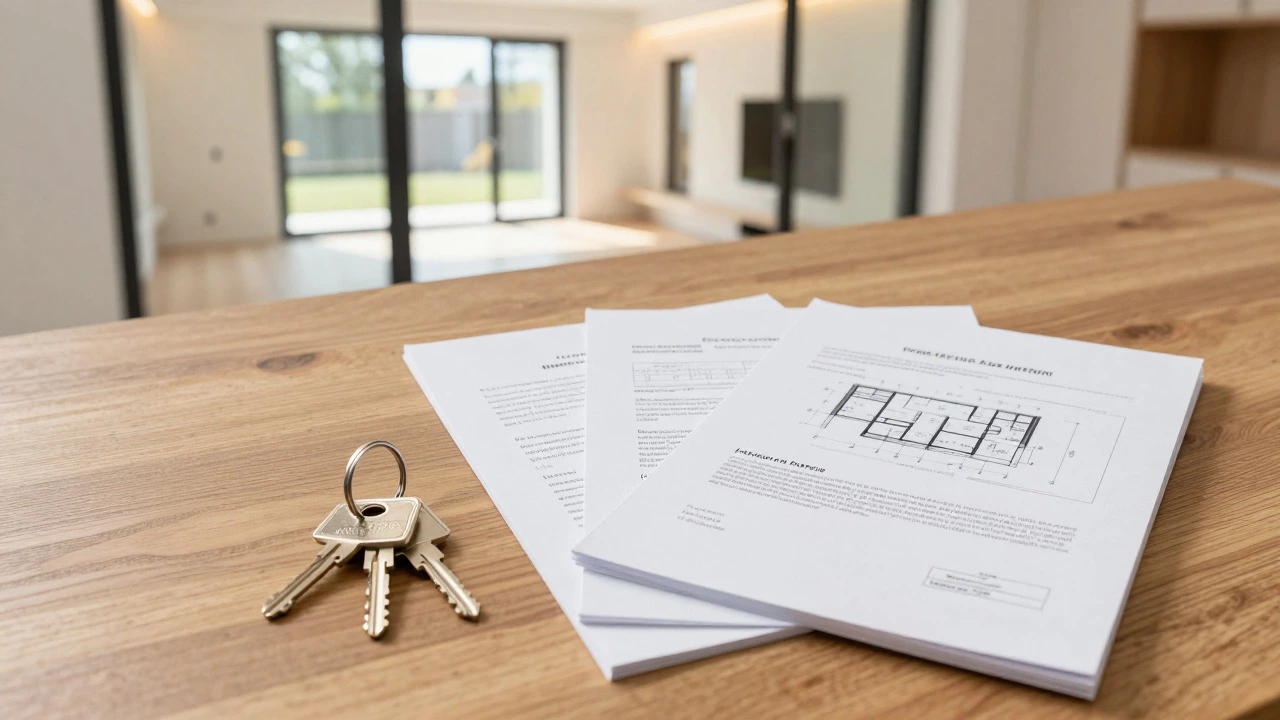
Handover isn’t just giving you keys. It includes:
- Occupancy Permit: Proof the building is safe to live in.
- Warranties: Documents for appliances, roofs, and waterproofing.
- Maintenance Manuals: Instructions for gutters, heating systems, and smart home tech.
- As-Built Drawings: Updated plans showing exactly where pipes and wires are, crucial for future renovations.
Without these documents, selling your home later becomes harder. Buyers’ inspectors will ask for them, and missing paperwork raises red flags.
| Feature | Lump Sum Contract | Cost Plus Contract |
|---|---|---|
| Predictability | High - Fixed price agreed upfront | Low - Final cost depends on actual expenses |
| Risk Bearer | Contractor absorbs cost overruns | Client pays for all variations and increases |
| Transparency | Medium - Detailed quote required | High - Receipts provided for every item |
| Best For | Standard renovations with clear scopes | Complex projects or uncertain sites |
Common Pitfalls to Avoid
Even with a great contractor, things can go wrong. Here are the top three reasons projects fail:
Scope Creep: This happens when you add small changes constantly. "While you’re here, can we move this wall?" Each change requires new drawings, potential re-permitting, and labor adjustments. Small tweaks accumulate into big bills. Stick to the plan unless it’s an emergency.
Poor Communication: Assuming the contractor knows what you want is dangerous. Use visual aids. Point to photos, draw sketches, and confirm decisions in writing. Verbal agreements vanish quickly.
Cash Flow Issues: Contractors need money to buy materials and pay subs. Paying too little upfront stalls progress. Paying too much leaves you with no leverage. Standard payment schedules tie payments to milestones (e.g., 10% deposit, 20% after framing, etc.). Never pay for work not yet done.
How much should I pay a contractor upfront?
In most regions, including Australia, regulations limit initial deposits to protect consumers. Typically, you should never pay more than 10% upfront. Payments should be tied to completed stages of work, such as foundation, framing, and lock-up. This ensures the contractor has cash flow while keeping you secure.
What is a defects liability period?
A defects liability period is a timeframe, usually three to six months after project completion, during which the contractor must fix any faults caused by poor workmanship or materials at no extra cost. It’s your safety net for hidden issues that emerge after moving in.
Do I need a building permit for a renovation?
Yes, if the work involves structural changes, plumbing, electrical upgrades, or exceeds certain value thresholds. Cosmetic updates like painting may not require one, but always check with your local council or a private building surveyor to avoid fines.
Who buys the materials: me or the contractor?
Usually, the contractor purchases materials as part of the contract. This simplifies warranties and ensures compatibility. If you buy materials yourself, clarify who is responsible for damage, theft, or incorrect specifications in the contract.
How do I handle disputes with my contractor?
Start with open communication. Document all issues with photos and written records. If unresolved, refer to your contract’s dispute resolution clause. Many jurisdictions offer mediation services through consumer protection agencies before legal action is necessary.