
Flooring Value Calculator
Enter your project details below to calculate estimated costs and find the most reasonably priced flooring option for your specific situation.
*Includes material, labor, underlay, and waste factor estimates based on Melbourne market rates.
Top Recommendation:
Cost Breakdown by Option
| Flooring Type | Est. Total Cost (AUD) | Suitability Score |
|---|
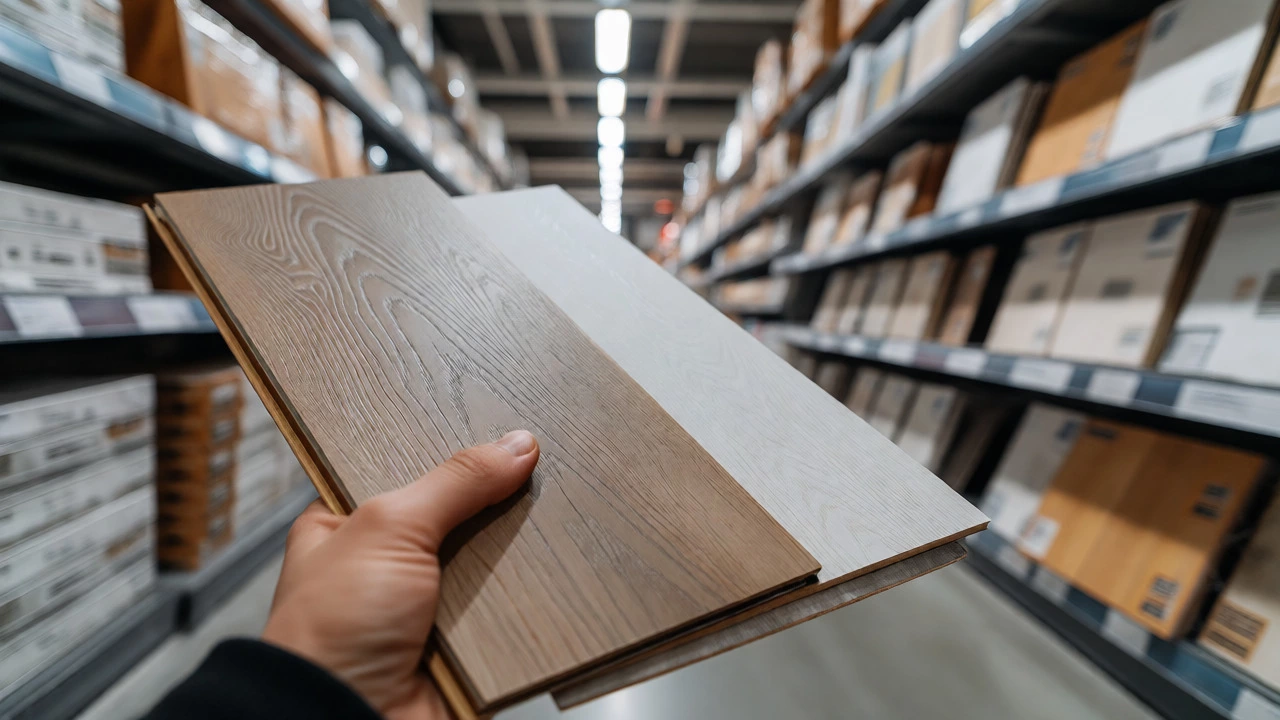
You’re standing in a hardware store aisle, staring at samples that range from $15 to $150 per square meter. The one you love costs three times your budget. Sound familiar? Choosing budget flooring isn’t just about finding the cheapest option; it’s about balancing upfront cost with longevity and resale value. In Melbourne’s current market, where labor costs are high, getting the material right matters even more because installation fees can double your bill if you make a mistake.
Here’s the reality: "Reasonably priced" means different things depending on whether you’re renting out a spare room or renovating your forever home. But generally, we’re looking for materials that offer durability without breaking the bank. Let’s break down what actually delivers the best bang for your buck in 2026.
The Contenders: What Actually Fits the Budget
When people ask for cheap floors, they usually mean one of four categories: Vinyl Plank (SPC/LVT), a rigid or flexible plastic flooring known for water resistance and low cost, Laminate, a multi-layer synthetic flooring fused using a lamination process, Ceramic Tile, a hard, durable surface made from clay and other natural materials, or basic Carpet.
Let’s cut through the noise. Carpet used to be the go-to for budget renovations, but it stains easily and traps allergens. Unless you’re covering a bedroom ceiling-to-floor with thick underlay, it’s rarely the smartest financial move today. Ceramic tile looks great but requires expensive adhesives, grout, and skilled labor. If you hire a tiler in Melbourne, expect to pay $80-$120 per hour. That eats up your savings fast.
This leaves us with the real winners for value: Vinyl and Laminate. They mimic wood or stone, install quickly, and resist damage better than their price tags suggest.
Vinyl Plank: The Current King of Value
If you want the most reasonably priced flooring that also looks expensive, look no further than Stone Plastic Composite (SPC) Vinyl. It’s a type of luxury vinyl plank (LVP) with a rigid core. Unlike older, soft vinyl sheets, SPC doesn’t dent when you drop a heavy tool. It’s waterproof, which makes it perfect for kitchens, bathrooms, and laundries-areas where laminate fails.
Why is it so popular? Because it solves the biggest headache in flooring: moisture. Solid timber swells. Laminate swells. SPC vinyl laughs at spills. You can mop it, steam clean it, and ignore minor floods. For Australian homes, especially those with pets or kids, this resilience saves money on replacements later.
| Flooring Type | Material Cost (AUD) | Labor Cost (AUD) | Total Est. Cost (AUD) | Best For |
|---|---|---|---|---|
| SPC Vinyl Plank | $35 - $60 | $40 - $70 | $75 - $130 | Kitchens, Bathrooms, High-Traffic Areas |
| Laminate | $30 - $55 | $40 - $65 | $70 - $120 | Living Rooms, Bedrooms (Dry Areas) |
| Ceramic Tile | $40 - $90 | $90 - $150 | $130 - $240 | Wet Areas, Outdoor Patios |
| Engineered Timber | $80 - $150+ | $60 - $90 | $140 - $240+ | Premium Living Spaces |
Notice how vinyl and laminate hover in the same price bracket? The difference lies in application. Vinyl wins in wet zones. Laminate often feels warmer and quieter underfoot in dry living areas. If your house has concrete slabs, both work well over an underlay. Just remember: vinyl is softer, so it might show dents from very heavy furniture legs if you don’t use felt pads.
Laminate: Still a Solid Choice for Dry Zones
Don’t dismiss laminate flooring. It’s not dead yet. Modern laminate has improved dramatically. The click-lock systems are tighter, reducing squeaks. The wear layers are tougher against scratches from dog claws.
Laminate shines in bedrooms and hallways. It’s easier to repair than vinyl in some cases-if a plank chips, you can sometimes replace just that board without dismantling the whole floor. However, laminate hates standing water. If you leave a puddle near the dishwasher leak overnight, the edges will swell and bubble. Once that happens, you can’t sand it down like timber. You have to replace the affected planks.
So, if you’re handy and careful, laminate offers a slightly lower entry price than premium SPC vinyl. But factor in the risk. One plumbing mishap could cost you more in repairs than you saved on materials.

Hidden Costs That Blow Your Budget
Here’s where most DIYers get burned. The sticker price on the box isn’t the final cost. You need to account for:
- Underlay: Essential for soundproofing and comfort. Expect to pay $5-$15 per sqm extra.
- Transition Strips: Those metal or plastic trims between rooms add up. Buying them separately at retail prices can cost $10-$20 each.
- Subfloor Prep: If your existing floor is uneven, you’ll need self-leveling compound. This adds time and material costs. A 1mm dip might seem small, but it causes planks to rock and click.
- Waste Factor: Always buy 10% more material than your room size. Cuts and mistakes happen. Returning unused boxes is harder than buying extras.
In Melbourne, labor rates vary by suburb. Inner-city trades charge more than outer suburbs. If you’re doing a full-house reno, negotiate a package deal. Contractors often discount labor if you supply the materials yourself, but check if they warranty the installation. Some won’t guarantee work if you didn’t buy their stock.
How to Choose Based on Your Lifestyle
Forget aesthetics for a second. Ask yourself these three questions:
- Do I have pets or young kids? Go with SPC Vinyl. It’s scratch-resistant and wipes clean instantly.
- Is the area prone to moisture? Kitchen, bathroom, laundry? Vinyl is non-negotiable. Laminate will fail here within five years.
- Am I selling soon? Buyers prefer neutral, modern looks. Light oak or grey-toned vinyl/laminate appeals to the widest audience. Avoid trendy dark colors or bold patterns.
If you rent out properties, durability trumps beauty. Tenants don’t care about grain detail; they care about holes and stains. Cheap carpet gets replaced every 5-7 years. Quality vinyl lasts 15+ years. Over a decade, vinyl is cheaper despite higher upfront costs.
Installation Tips to Save Money
You can save thousands by installing vinyl or laminate yourself. It’s beginner-friendly. Here’s how to avoid rookie mistakes:
- Acclimate the material: Leave boxes in the room for 48 hours before opening. Temperature changes cause expansion. Skipping this leads to gaps or buckling.
- Check for levelness: Use a long straight edge. If there are dips greater than 3mm over 2 meters, fill them first. Don’t try to shim them up.
- Leave expansion gaps: Floors expand and contract. Keep a 10mm gap around walls. Cover it with skirting boards or beading later.
- Stagger joints: Like brickwork, offset the end seams of adjacent rows. This prevents weak points and looks more natural.
If you hate measuring, hire a pro for the perimeter cuts only. These are the hardest parts. Let them do the tricky corners, then finish the middle rows yourself. This hybrid approach cuts labor hours significantly.
Long-Term Value: Why "Cheap" Can Be Expensive
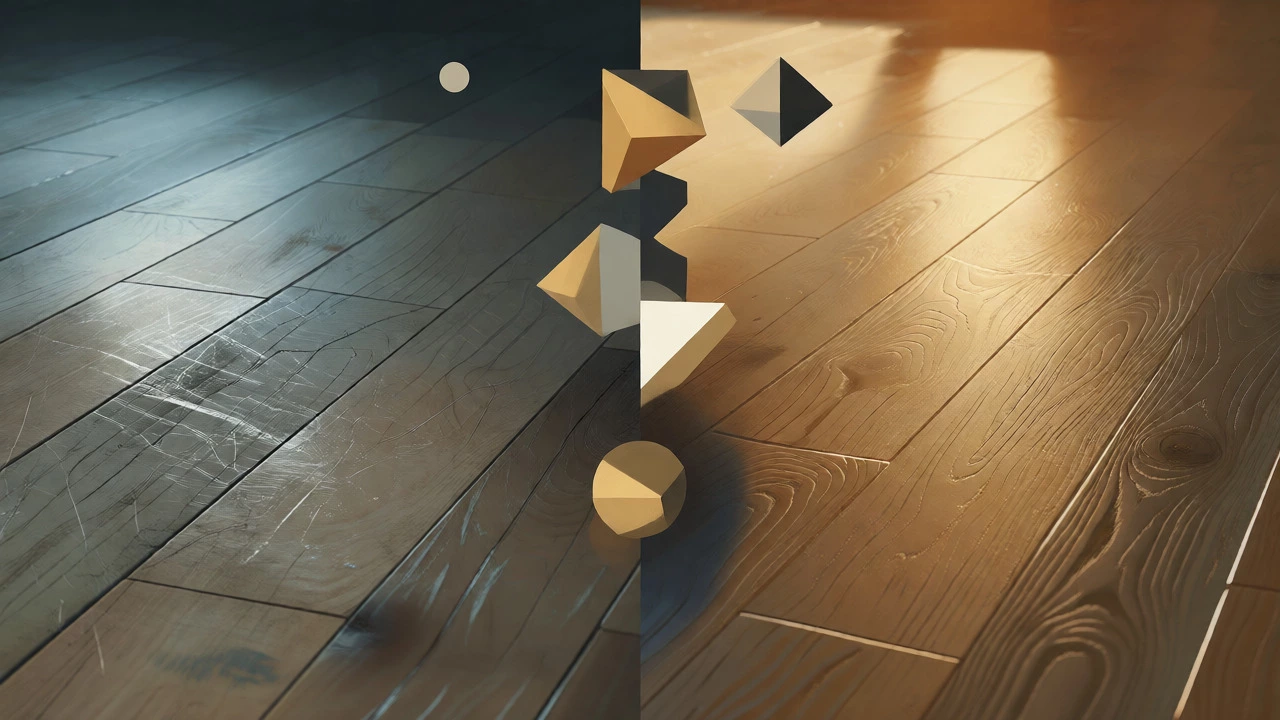
The cheapest option isn’t always the best. Ultra-thin vinyl (under 4mm) wears out faster. It tears easily. Replacing it in two years costs more than buying thicker, mid-range vinyl now. Aim for a wear layer of at least 0.5mm for residential use. For high-traffic commercial spaces, go for 0.7mm or higher.
Similarly, avoid "bargain bin" laminate with thin wear layers. It fades and scratches quickly. Look for AC ratings (Abrasion Class). AC3 is good for homes; AC4 is better for busy households. Spending $5 more per square meter on AC4 instead of AC3 extends life by several years.
Think about energy efficiency too. Dark floors absorb heat; light floors reflect it. In Melbourne’s variable climate, lighter tones keep rooms cooler in summer, potentially lowering cooling costs. It’s a subtle saving, but it adds up.
Final Verdict
For most homeowners in 2026, SPC Vinyl Plank is the most reasonably priced flooring solution. It balances low material cost, easy installation, and extreme durability. It handles Australia’s humidity and temperature swings better than laminate or timber. While laminate remains competitive in dry areas, vinyl’s versatility makes it the safer bet for whole-home renovations.
Start by measuring your space accurately. Set a budget that includes underlay and trim. Visit local suppliers rather than big-box stores for bulk discounts. And remember: prep work is everything. A perfectly installed floor over a bad subfloor will still fail. Invest time in preparation, and you’ll save money on repairs.
Is vinyl flooring really waterproof?
Yes, SPC and LVT vinyl are 100% waterproof. Water sits on top and can be wiped away. However, the seams between planks aren't sealed unless you use glue-down methods or specific sealants. Standing water for days can seep underneath, so prompt cleanup is still wise.
Can I install vinyl flooring over existing tiles?
You can, but it's risky. Tiles create an uneven surface. If the grout lines are deep, the vinyl may crack or feel bumpy. You must use a self-leveling compound to smooth the surface first. Alternatively, remove the tiles entirely for a cleaner result.
Which is better for resale value: laminate or vinyl?
Modern buyers perceive quality vinyl as premium due to its realism and durability. High-end laminate is also acceptable. However, solid timber or engineered timber holds value best. Between the two budget options, vinyl tends to appeal more to families due to ease of maintenance.
How long does budget vinyl flooring last?
With proper care, mid-range SPC vinyl lasts 15-20 years in residential settings. Cheaper versions may last 5-10 years. Factors include foot traffic, sunlight exposure (which can fade colors), and whether furniture pads are used.
Do I need underlay for vinyl flooring?
It depends. Many SPC planks come with attached underlay. If yours don't, adding a separate acoustic underlay reduces noise and provides cushioning. Check manufacturer guidelines-some warranties void if incorrect underlay types are used.