Bathroom Ambiance Simulator
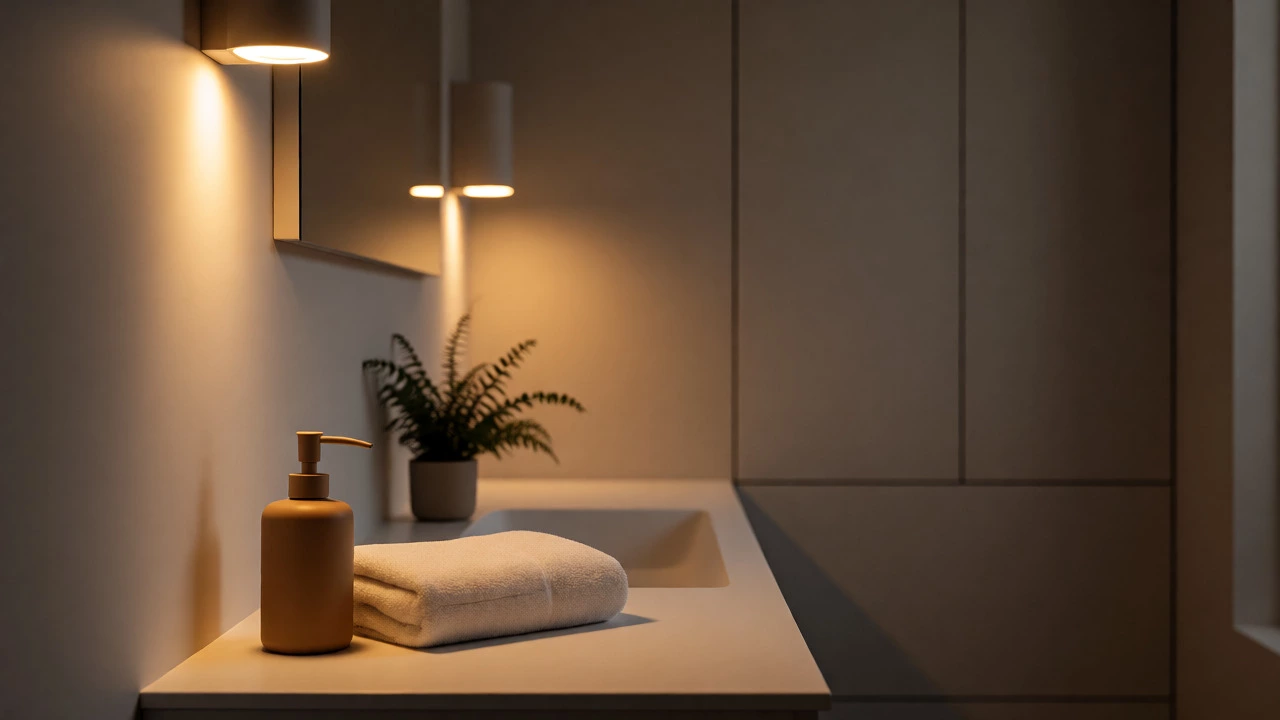
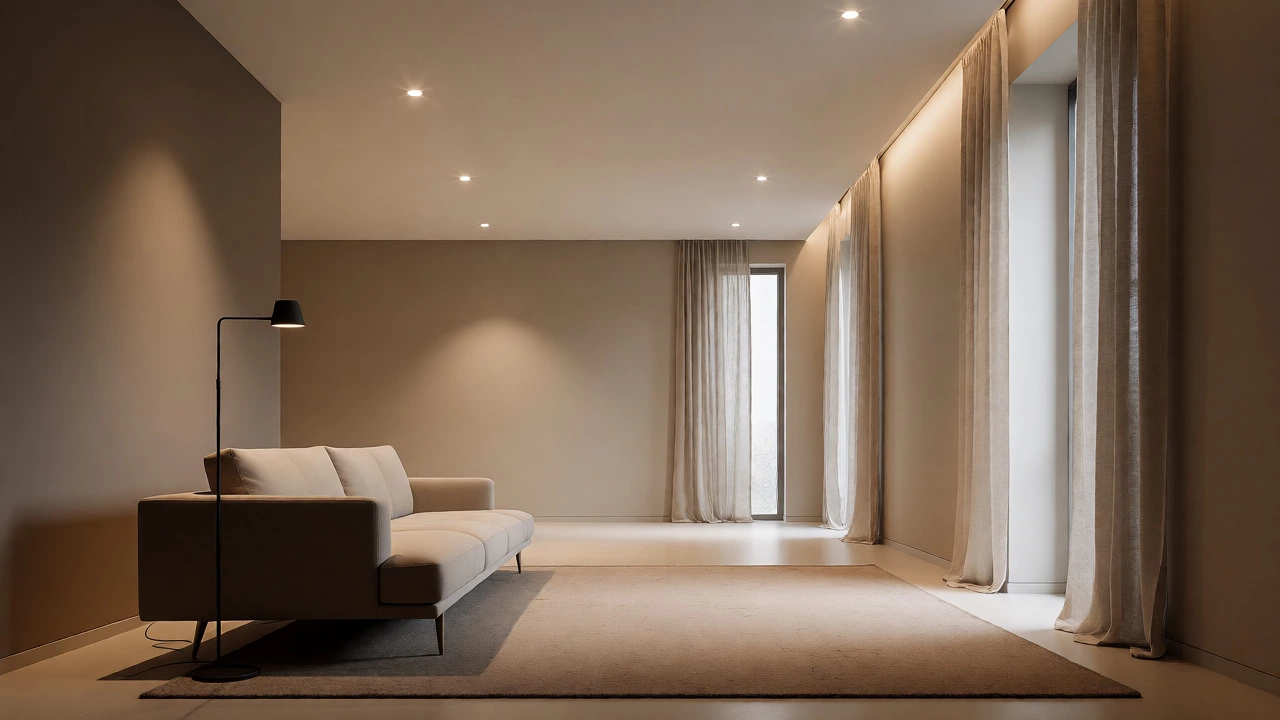
Experiment with the two most critical elements mentioned in the article: Lighting Temperature and Textile Softness. See how they transform a sterile space into a sanctuary.
You walk into your bathroom. It’s clean, sure. The tiles are intact, the toilet works, and the shower drains. But does it feel like a place you want to linger? Probably not. Most bathrooms are treated as purely functional spaces-rooms we rush through before work or use for quick hygiene tasks. Yet, with a few strategic tweaks, you can transform that sterile box into a sanctuary that feels intentional and luxurious.
Here’s the truth: making a bathroom look amazing rarely requires a full gut renovation. You don’t need to rip out every tile or move plumbing walls. Often, it’s about layering texture, fixing lighting, and choosing the right bathroom accessories that serve a purpose while adding visual interest. Whether you’re dealing with a cramped powder room in a Melbourne terrace house or a sprawling ensuite, the principles of good design remain consistent. Let’s break down exactly how to elevate your space without blowing your budget.
Lighting Is Everything (And Most People Get It Wrong)
If your bathroom looks flat, blame the lights. Overhead ceiling fixtures cast harsh shadows under eyes and make skin look gray. It’s the quickest way to kill the vibe. To fix this, you need layered lighting. Start by ditching the single central bulb if possible. Instead, install vanity lights at eye level. This eliminates those unflattering downward shadows and makes applying makeup or shaving significantly easier.
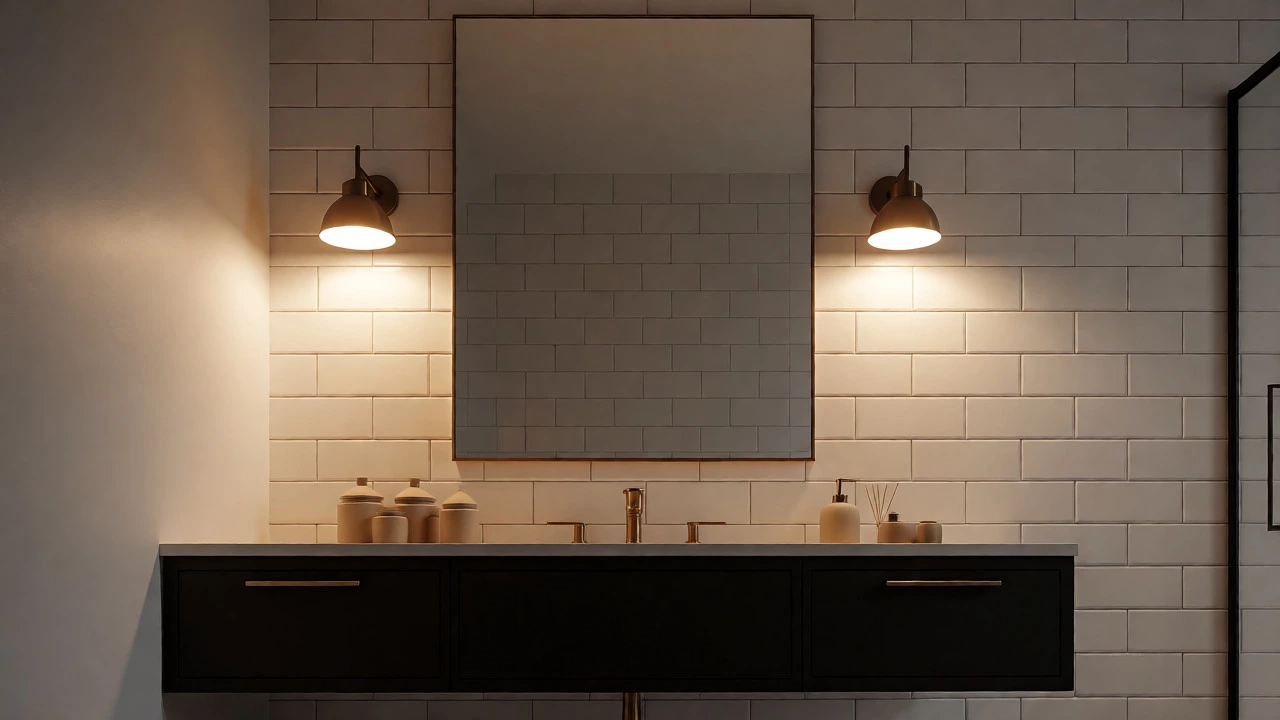
But ambient light matters too. If you have space, add sconces on either side of the mirror. They provide soft, diffused illumination that instantly makes the room feel warmer. For smaller rooms where wall space is tight, LED strips hidden behind mirrors or inside recessed niches create a modern, spa-like glow. Pro tip: switch to bulbs with a color temperature between 2700K and 3000K. Anything higher (like 5000K) feels clinical and cold, like a dentist’s office. You want warmth, not sterility.
The Power of Textiles and Soft Furnishings
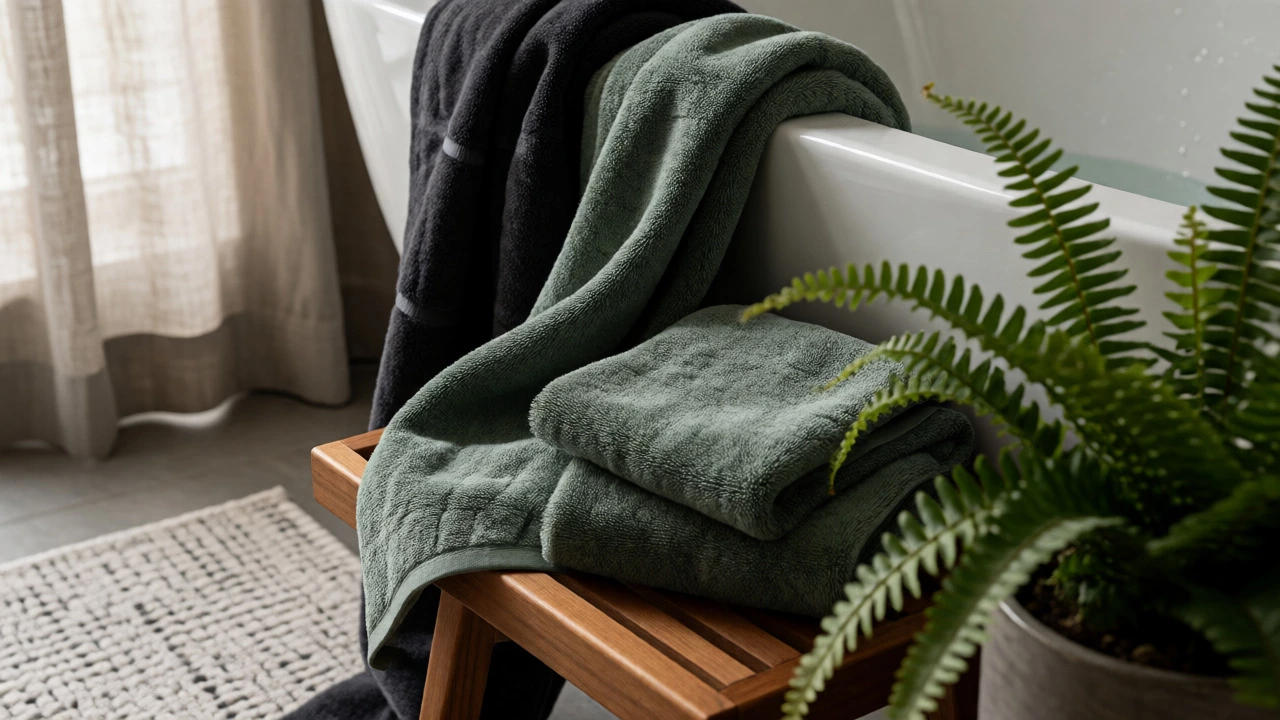
Bathrooms are hard surfaces. Tile, glass, porcelain, metal. All of it reflects sound and light aggressively. To soften the space, you need textiles. Think beyond the basic white towel rack. Invest in high-quality towels-they’re not just for drying off; they’re decor. A set of plush, oversized bath sheets in a deep charcoal, navy, or sage green adds immediate depth and luxury.
Rugs are another game-changer. A small, washable rug in front of the sink or bathtub breaks up the monotony of floor tiles and provides warmth underfoot. Choose materials like bamboo, teak, or high-pile cotton. Just ensure they have non-slip backing because nobody wants to slide across wet porcelain. Curtains also play a role here. If you have a window, swap plastic blinds for water-resistant linen or cotton blends. They filter light beautifully and add a touch of organic softness that hard finishes lack.
Storage Solutions That Double As Decor
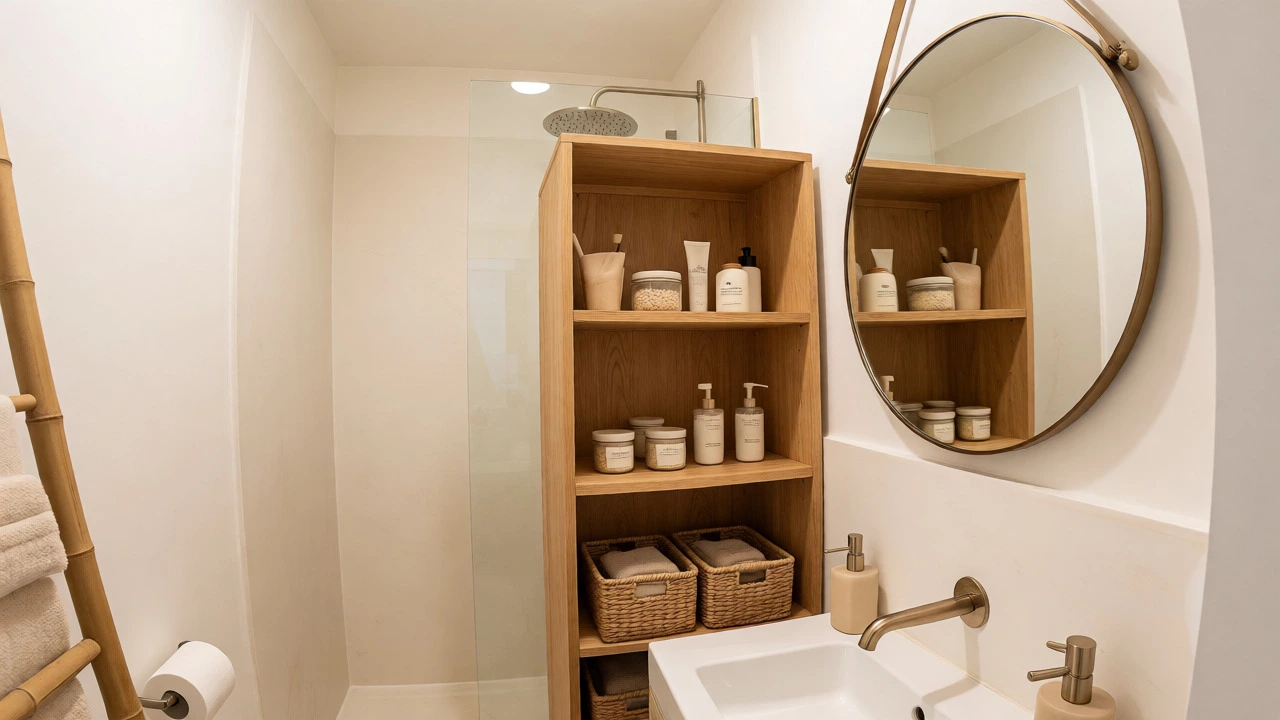
Clutter kills style faster than anything else. If your counter is covered in half-empty shampoo bottles and toothpaste tubes, no amount of expensive faucets will save the look. You need smart storage. Open shelving is trendy, but only if you’re disciplined. Use uniform jars or baskets to hold cotton balls, swabs, and skincare products. This turns everyday items into a curated display rather than a mess.
For closed storage, look at mirrored cabinets. They reflect light, making small rooms appear larger, and hide the chaos inside. Floating vanities are another excellent option. By lifting the cabinet off the floor, you expose more floor area, which tricks the brain into thinking the room is bigger. Plus, cleaning underneath becomes infinitely easier. Remember, the goal is visible calm. Every item on display should earn its spot.
Upgrading Hardware and Fixtures
You don’t need to replace the entire sink or tub to update the look. Swapping out hardware is one of the highest-ROI moves you can make. Replace builder-grade chrome handles on drawers and cabinets with matte black, brushed brass, or nickel options. These finishes feel more substantial and modern. Similarly, updating the faucet can change the entire personality of the sink area.
Consider the showerhead too. Rainfall showerheads aren’t just a marketing gimmick; they provide a superior experience and look sleeker against tiled walls. If your grout is stained or outdated, consider regrouting instead of retiling. It’s cheaper, faster, and dramatically cleans up the appearance. White grout brightens a dark room, while grey grout hides dirt better in high-traffic areas. Small details accumulate to create a cohesive, high-end feel.
Adding Greenery and Natural Elements
Nothing livens up a sterile bathroom like plants. Humidity from showers actually helps many tropical varieties thrive. Snake plants, pothos, and ferns love the moisture and low light typical of most bathrooms. Place them on shelves, hang them in macramé holders, or sit a potted plant on the edge of the tub. The contrast between living green leaves and hard stone or ceramic creates visual balance.
Natural materials also bridge the gap between indoors and outdoors. Wooden accents, such as a teak stool or a bamboo ladder for towels, introduce warmth. Stone elements, like a marble tray for soap or a pebble-filled bowl, add tactile interest. These organic touches prevent the room from feeling like a laboratory and start feeling like a retreat.
Mirrors: More Than Just Reflection
A mirror is the focal point of almost every bathroom. Don’t settle for a plain rectangular slab glued to the wall. An interesting frame changes everything. A round mirror softens angular architecture. A large framed mirror leans against the wall or sits on a console table adds a chic, boutique-hotel vibe. If you’re renting or can’t drill holes, adhesive-backed mirrors or freestanding options work wonders.
Size matters, too. One large mirror often looks better than several small ones. It amplifies light and opens up the space visually. If you have a narrow wall, a tall vertical mirror draws the eye upward, emphasizing height. Conversely, in a wide room, a horizontal mirror expands the perceived width. Experiment with placement before committing to drilling.
| Upgrade Area | Budget Option | Premium Option | Visual Impact |
|---|---|---|---|
| Lighting | LED Vanity Strip | Designer Sconces + Dimmer | High |
| Hardware | Brushed Nickel Handles | Solid Brass Custom Pulls | Medium-High |
| Textiles | Standard Cotton Towels | Turkish Peshtemals / Egyptian Cotton | Medium |
| Storage | IKEA-style Baskets | Custom Joinery / Floating Shelves | High |
| Decor | Printable Art in Frames | Framed Original Prints / Sculptures | Low-Medium |
Common Mistakes to Avoid
Even with good intentions, people fall into traps. The biggest mistake is over-decorating. Bathrooms are small; clutter accumulates quickly. Stick to a limited color palette-two or three colors max-and let textures do the heavy lifting. Another error is ignoring ventilation. If your fan is loud or ineffective, mold builds up, ruining fresh paint and new accessories. Check your exhaust fan regularly.
Also, avoid matching sets. Buying a "matching" shower curtain, rug, and towel set from the store often looks dated. Mix patterns subtly-a geometric rug with solid towels, for example. And please, stop using fluorescent lighting. It’s the enemy of relaxation. Finally, don’t forget the smell. A pleasant scent completes the sensory experience. Diffusers or natural reed sticks beat aerosol sprays any day.
What is the cheapest way to upgrade a bathroom?
Painting the walls and swapping out hardware (faucet handles, drawer pulls) offers the highest return on investment. Painting costs little and transforms the mood, while new hardware updates the age of fixtures without replacing them entirely. Adding proper lighting, specifically warm-toned LEDs, also makes a massive difference for minimal cost.
How do I make a small bathroom look bigger?
Use large-format tiles to reduce grout lines, which visually expands the space. Install a large mirror to reflect light and create depth. Opt for floating vanities to show more floor area. Keep the color palette light and monochromatic, and ensure lighting is layered rather than relying on a single overhead source.
Are open shelves practical in a bathroom?
They can be, but only if you maintain strict organization. Open shelves require you to keep items neat and use uniform containers for toiletries. If you struggle with clutter, closed storage or mirrored cabinets are better choices. In humid environments, ensure wood shelves are properly sealed to prevent warping.
What plants survive well in bathrooms?
Tropical plants that thrive in humidity and indirect light are best. Pothos, snake plants, peace lilies, Boston ferns, and spider plants are excellent choices. They help purify the air and add life to the space. Ensure they get some natural light or supplement with grow lights if the bathroom has no windows.
Should I match my bathroom accessories?
No, strictly matching sets often look impersonal and dated. Instead, aim for cohesion through a shared color scheme or material finish. For example, mix brushed brass taps with a wooden shelf and neutral linens. Variety in texture and form creates a more curated, designer look than identical matching pieces.