Modern Living Room Style Quiz
Think you know what makes a living room look modern? Take this quick quiz to test your understanding of the key principles discussed in the article.
Loading question...
Quiz Complete!
You scored 0/5.
Great job! You have a strong grasp of modern design principles.
You walk into your living room, and something feels off. Maybe it’s the heavy drapes from 2015 or that bulky beige sofa that swallows half the floor space. You want a modern living room, but you’re stuck between Pinterest perfection and real-life clutter. Here’s the truth: modern doesn’t mean cold or empty. It means intentional. It’s about stripping away the noise so the good stuff-your light, your art, your comfort-can breathe. If you’re ready to ditch the dated vibe without gutting your house, you’ve come to the right place.
What Actually Makes a Room "Modern"?
Modern design is an architectural and interior style that emphasizes simplicity, functionality, and clean lines, originating in the early 20th century but evolving continuously since. Unlike "contemporary," which changes with every passing trend, modern is rooted in specific principles. Think less ornamentation, more form following function. In 2026, we aren’t seeing stark white boxes anymore. The current wave of modernism is warmer. It mixes industrial materials like steel and glass with organic textures like linen, wood, and stone.
The biggest mistake people make? They think modern means expensive. It doesn’t. It means edited. A modern room isn’t defined by how much you spent on the coffee table; it’s defined by what you chose to leave out. If you have three side tables when one would do, remove two. That’s modern. If your TV dominates the wall while your artwork hides behind a plant, rearrange. That’s modern. It’s a mindset shift before it’s a shopping trip.
Start With the Bones: Lighting and Layout
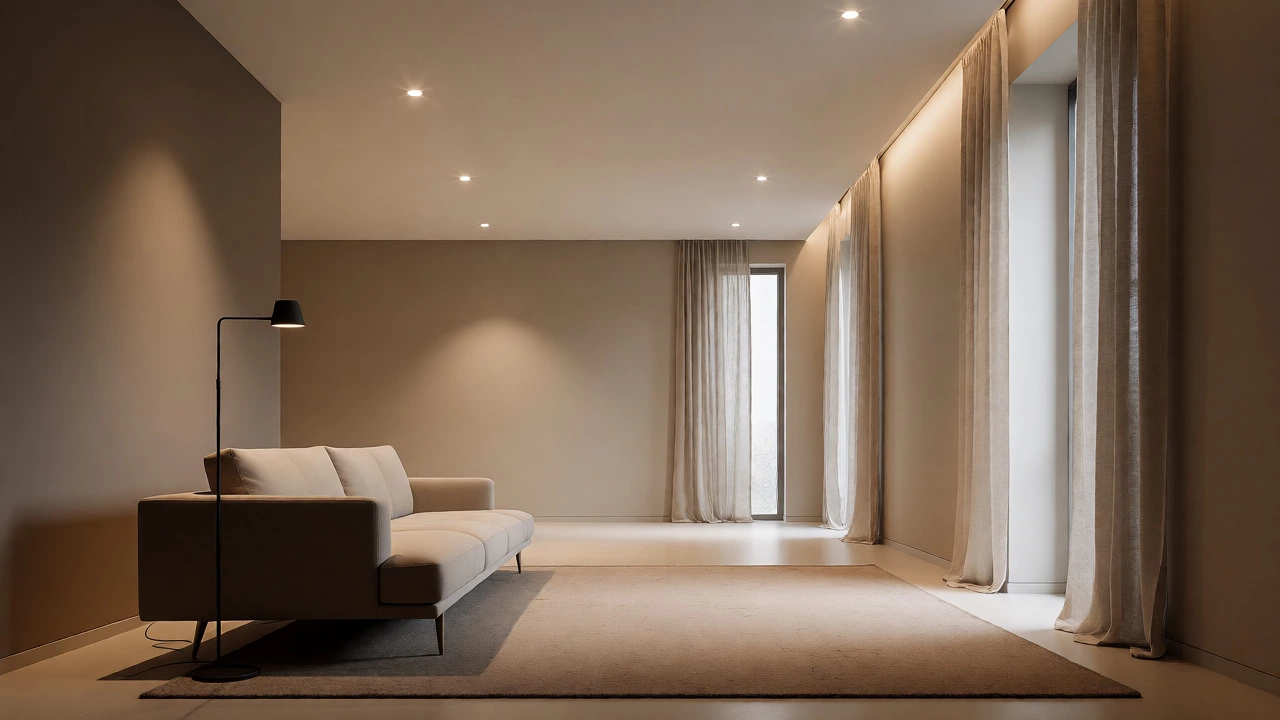
Before you buy a single cushion, look at your lighting. Bad lighting kills modern vibes faster than anything else. Outdated rooms rely on a single overhead fixture-the "big light"-that casts harsh shadows and flattens depth. Modern spaces use layered lighting. This means combining ambient, task, and accent lights.
- Ambient: Replace ceiling-mounted globes with recessed downlights or sleek track lighting. Keep them dimmable.
- Task: Add slim-profile floor lamps next to seating areas for reading. Avoid ornate shades; go for matte black, brushed brass, or clear glass.
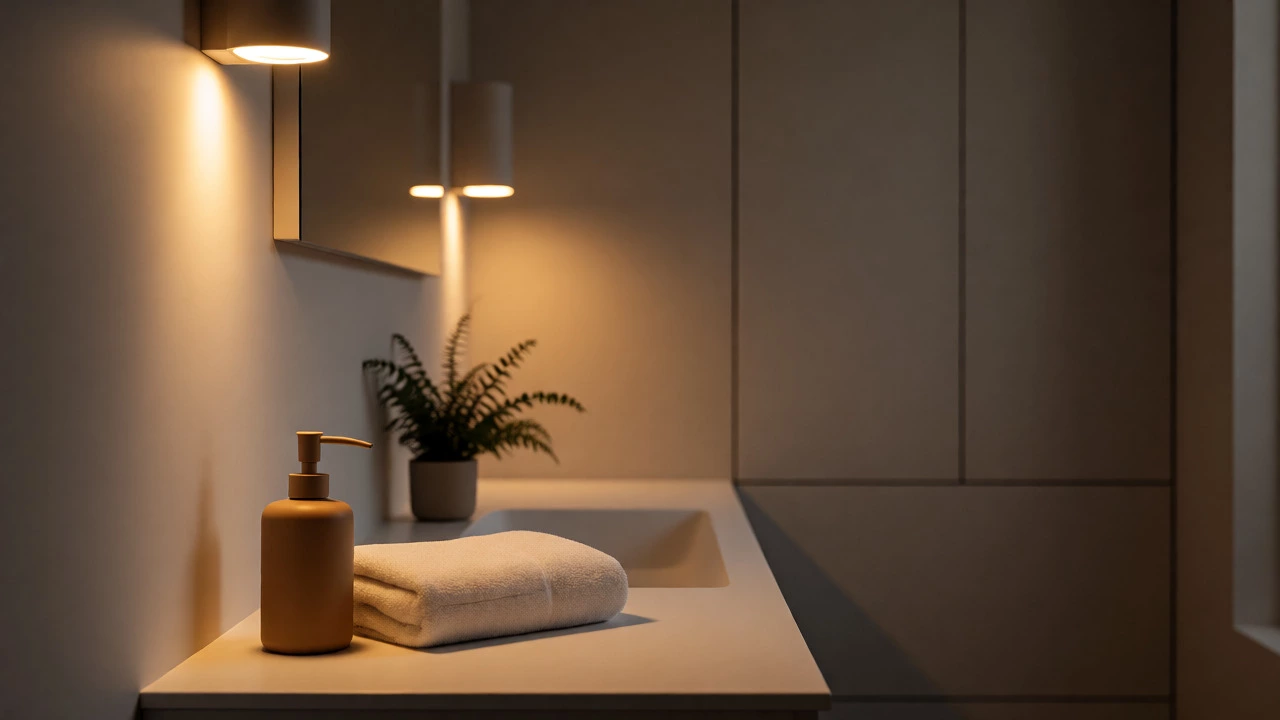
- Accent: Use LED strips behind media units or picture lights above art to create drama.
Layout matters just as much. Modern layouts favor open flow. Pull furniture away from the walls if possible. Floating a sofa in the center of the room (anchored by a rug) creates conversation zones and makes small spaces feel larger. In Melbourne apartments, where square footage is tight, this trick is non-negotiable. It stops the room from feeling like a perimeter fence and starts feeling like a lounge.
Furniture: Low Profiles and Clean Lines
If your furniture has claw feet, floral patterns, or rolled arms thicker than your thigh, it’s fighting the modern aesthetic. Modern furniture sits lower to the ground. Why? Because low profiles enhance vertical space. When eyes travel horizontally across low sofas, ceilings appear higher. Look for sofas with exposed legs-metal or wood-rather than skirts that hide the floor. Exposed legs let light pass underneath, visually expanding the footprint.
| Feature | Traditional Style | Modern Style |
|---|---|---|
| Legs | Hidden by skirts or short stubby legs | Exposed, tapered metal or wood |
| Arms | Roll arms, wingbacks, ornate carvings | Straight arms, track arms, minimal detailing |
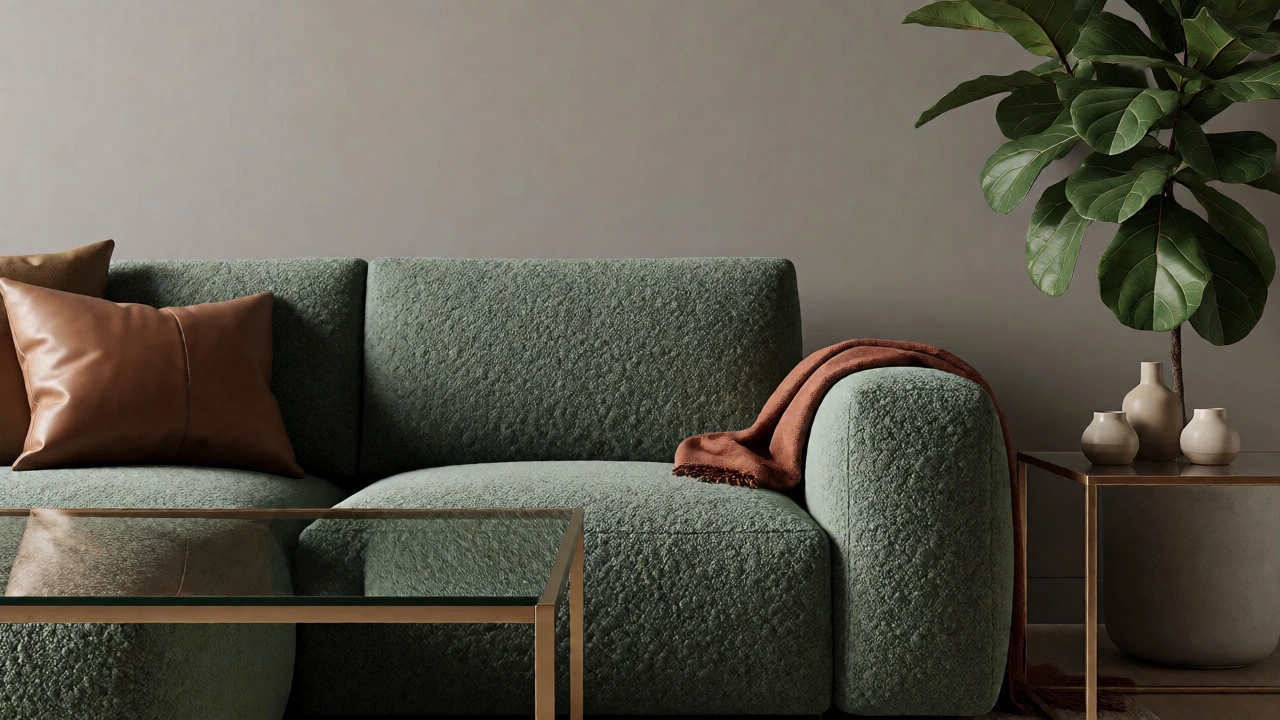
| Upholstery | Patterned fabrics, velvet, damask | Solid neutrals, leather, boucle, linen |
| Shape | Circular, curved, heavy silhouettes | Rectangular, geometric, streamlined |
Don’t replace everything at once. Start with the largest piece: your sofa. If yours is too bulky, consider a slipcover in a neutral tone or simply reorienting it. For smaller pieces, swap out ornate wooden tables for glass or metal alternatives. Glass tops are particularly effective in small rooms because they disappear visually, reducing visual weight.
The Color Palette: Neutral Base, Bold Accents
Forget the idea that modern means all-white. All-white rooms often look clinical unless executed perfectly. Instead, build a neutral base using warm grays, taupes, creams, and soft whites. These colors reflect natural light better than dark hues and provide a calm backdrop. Once your walls and large furniture are neutral, introduce personality through accents.
In 2026, earth tones are huge. Terracotta, sage green, and deep charcoal work beautifully against cream walls. But keep the rule of thirds: 60% dominant color (walls/floor), 30% secondary color (sofa/rug), and 10% accent color (pillows/art). If you love blue, don’t paint the whole room navy. Throw two navy pillows on a gray sofa and hang one blue abstract print. That’s enough impact without overwhelming the eye.
Paint finish matters too. Matte or eggshell finishes absorb light and hide imperfections, giving a sophisticated, velvety look. Glossy paints reflect light but highlight every bump and crack. Unless you have flawless plasterwork, stick to matte.
Textiles and Texture: The Secret Weapon
Here’s where most DIYers fail. They strip a room down to bare walls and hard surfaces, then wonder why it feels cold. Modern doesn’t mean sterile. It needs texture. Since you’re removing visual clutter (like knick-knacks), you must add tactile interest. Layer different materials.
- Rugs: Ditch shaggy carpets. Choose flat-weave wool, jute, or high-pile synthetic rugs with subtle geometric patterns. A rug defines the zone and absorbs sound.
- Curtains: Hang curtains high and wide. Mount the rod close to the ceiling and extend it beyond the window frame. This tricks the eye into thinking windows are taller and wider. Use sheer linen panels for daytime privacy and blackout drapes for night.
- Pillows: Mix fabrics. Pair smooth leather with nubby boucle or soft velvet. Stick to two sizes max to avoid looking messy.
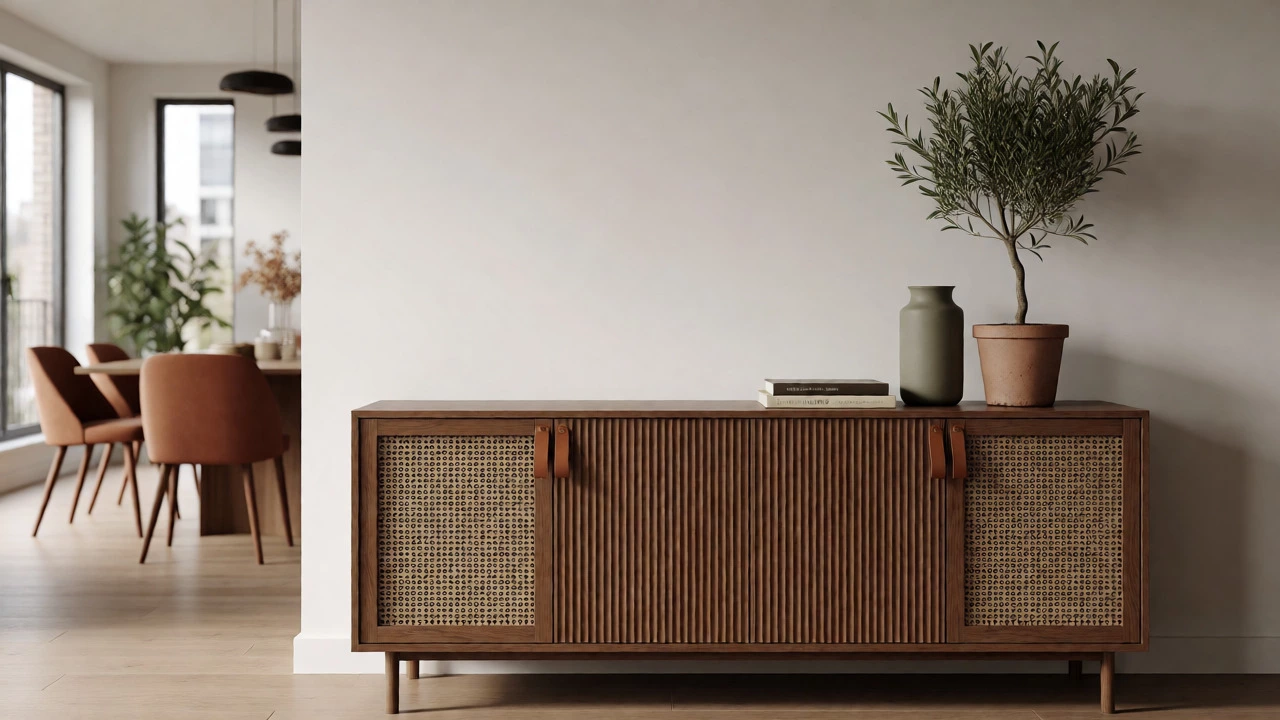
Plants are also part of the textile story. A large fiddle-leaf fig or olive tree adds organic shape and breaks up straight lines. Just ensure pots are simple-matte ceramic or concrete-not decorative pottery with busy patterns.
Decluttering and Storage: Hide the Chaos
You cannot have a modern room if you can see your mail pile. Modern design relies on negative space. Negative space is the empty area around objects. It gives the eye a place to rest. If every surface is covered, there’s no breathing room.
Adopt the "closed storage" rule. Open shelving looks great in magazines but requires ruthless editing. If you can’t keep shelves styled perfectly every day, install cabinets with doors. Media consoles should hide game consoles, remotes, and cables. Use cable management sleeves or zip ties to bundle wires behind TVs. Visible wires are the enemy of modern aesthetics.
For display items, follow the "rule of odd numbers." Group decor in threes. Three vases, three books stacked, three candles. Odd numbers feel dynamic and natural; even numbers feel static and staged. And please, take down the family photo collage from the 90s. Frame one or two high-quality prints instead, or go digital with a sleek tablet stand.
Art and Wall Decor: Less Is More
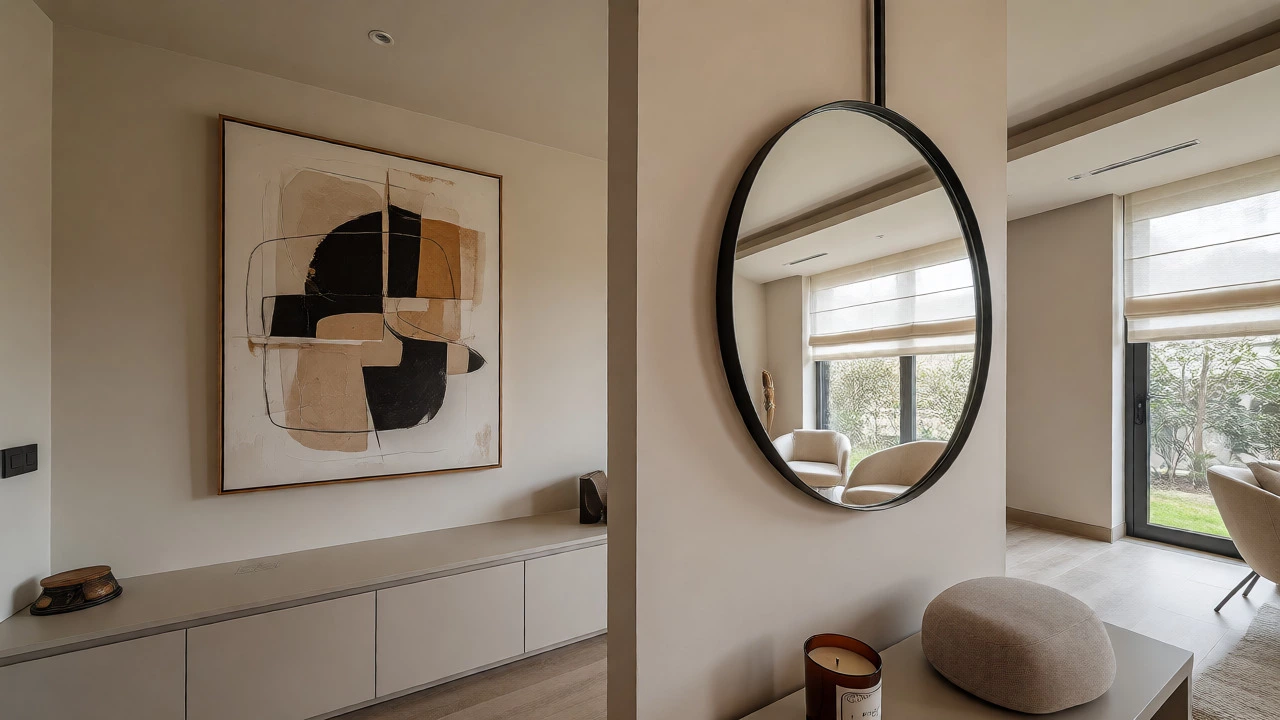
Gallery walls are popular, but they can quickly become cluttered. To keep it modern, curate strictly. Choose one large statement piece rather than ten small ones. Large art anchors the room and draws the eye upward. If you prefer multiple pieces, align them precisely. Use a laser level or painter’s tape to ensure perfect spacing. Misaligned frames scream "amateur" instantly.
Mirrors are functional art. Place a large mirror opposite a window to double natural light. Round mirrors soften angular rooms; rectangular mirrors elongate narrow spaces. Ensure the frame is thin-black metal or gold leaf-avoiding thick wooden borders that add bulk.
Final Touches: Scent and Sound
Modern isn’t just visual. It’s sensory. Cluttered rooms smell like dust and old fabric. Freshen the air with subtle scents. Avoid plug-in air fresheners that smell like chemicals. Opt for soy candles with woody or citrus notes, or an essential oil diffuser. Keep devices hidden. Smart speakers are great, but choose ones that blend in (fabric-covered) rather than plastic bricks.
Finally, check your view. If your window looks onto a brick wall, consider a translucent blind that lets light in but obscures the grit. If you have a nice garden, remove any heavy furniture blocking the sightline. Connect indoors to outdoors. In Australia, this indoor-outdoor flow is key to modern living.
Do I need to replace all my furniture to make my living room look modern?
No, you don't need to replace everything. Focus on the largest pieces first, like the sofa and rug. Often, changing textiles (slipcovers, cushions, throws) and removing visual clutter (cluttered shelves, heavy drapes) achieves 80% of the transformation. Swap out only items that heavily contradict modern lines, such as ornate carved wood or bulky skirted furniture.
What is the best color scheme for a modern living room in 2026?
Warm neutrals are currently trending over stark whites. Think creamy whites, soft greiges, and warm taupes as your base. Add depth with earthy accents like terracotta, sage green, or deep charcoal. Keep the palette cohesive by limiting yourself to three main colors plus metallics like brushed brass or matte black for hardware.
How does lighting affect whether a room looks modern?
Lighting is critical. Modern rooms avoid single overhead fixtures. Instead, they use layered lighting: ambient (recessed lights), task (floor lamps), and accent (picture lights or LEDs). Dimmers are essential to control mood. Warm white bulbs (2700K-3000K) are preferred over cool daylight bulbs, which can feel institutional.
Can small apartments achieve a modern look?
Absolutely. Small spaces benefit greatly from modern design because it emphasizes functionality and visual lightness. Use multifunctional furniture (storage ottomans, nesting tables), light-colored walls to expand space, and mirrors to reflect light. Keeping floors visible by floating furniture helps small rooms feel larger.
Are plants necessary for a modern living room?
While not mandatory, plants are highly recommended. They add organic shapes and life to otherwise rigid geometric spaces. Choose architectural plants like Fiddle Leaf Figs, Monstera, or Olive Trees. Place them in simple, unadorned pots (concrete, matte ceramic) to maintain the clean aesthetic.