Horizontal Foundation Crack Cost Estimator
Enter your specific wall details below to get a realistic budget range for professional repair in 2026.
Estimated Repair Budget
Recommended Method: N/A
Explanation here.
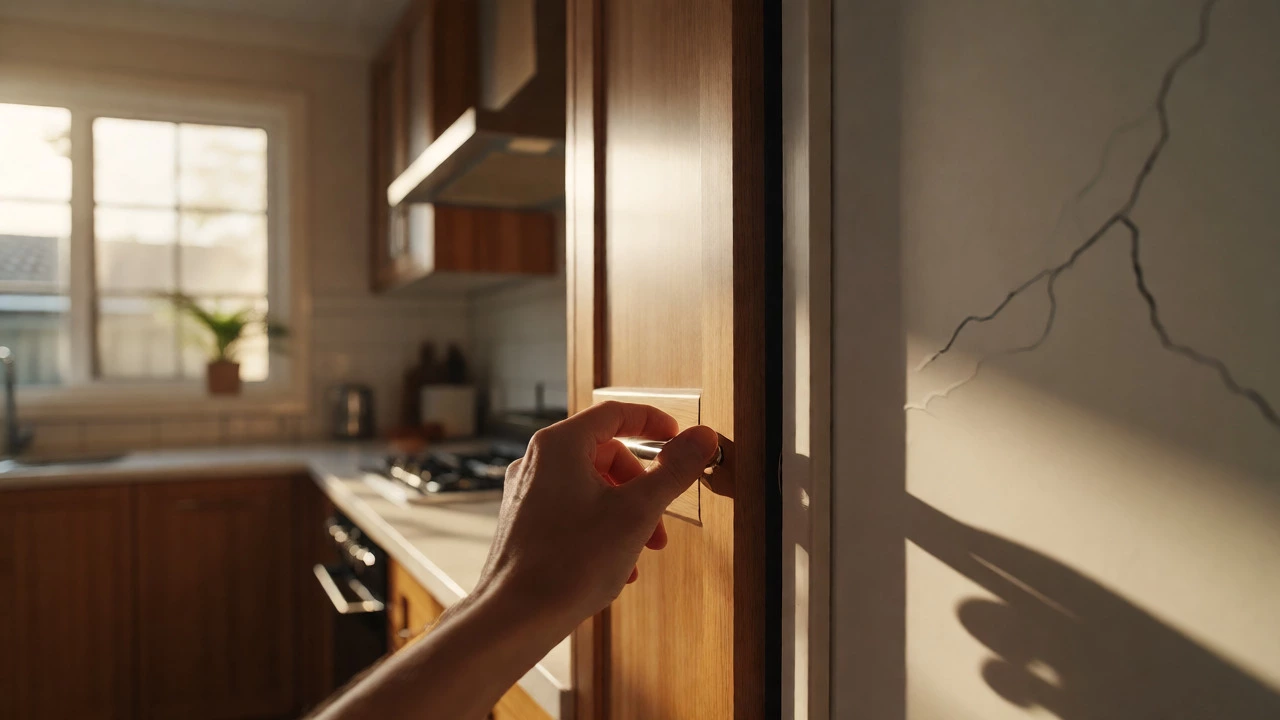
Walking past your garage or basement wall and spotting a horizontal crack can send a chill down your spine. Unlike vertical cracks that often result from simple shrinkage, a horizontal line running across the concrete suggests something more serious is happening underground. You are likely looking at lateral pressure pushing against the structure. The question on every homeowner's mind is immediate: how much will it cost to fix this before it gets worse?
The short answer is that you should budget between $1,500 and $4,500 for standard residential repairs in Australia as of 2026. However, this range fluctuates wildly based on the severity of the bowing, the soil type beneath your home, and whether you need temporary shoring. If the crack is less than 3mm wide and straight, you might be on the lower end. If the wall has bowed inward by more than 25mm, expect to pay significantly more for structural steel support.
Why Horizontal Cracks Are Different
Most people assume all foundation cracks are created equal. They are not. Vertical cracks usually appear because the concrete shrinks as it cures or due to minor settling. These are often cosmetic. Horizontal cracks, however, tell a different story. They indicate that the soil outside the foundation is exerting force against the wall. This is known as lateral earth pressure.
In Melbourne and other parts of Australia with expansive clay soils, this is a common issue. When these clays absorb moisture during wet seasons, they expand and push against your foundation walls. If the soil dries out, it shrinks, but the damage may already be done. A horizontal crack is essentially a warning sign that the wall is failing under this pressure. Ignoring it can lead to severe bowing, water intrusion, or even partial collapse in extreme cases.
Breakdown of Repair Costs
Understanding where the money goes helps you evaluate quotes from contractors. Here is a realistic breakdown of what drives the price tag for repairing a horizontal foundation crack.
| Repair Method | Cost Range (Per Wall/Section) | Best For |
|---|---|---|
| Epoxy Injection | $800 - $1,500 | Hairline cracks (<1mm), no movement |
| Polyurethane Foam Injection | $1,200 - $2,500 | Active leaks, flexible sealing |
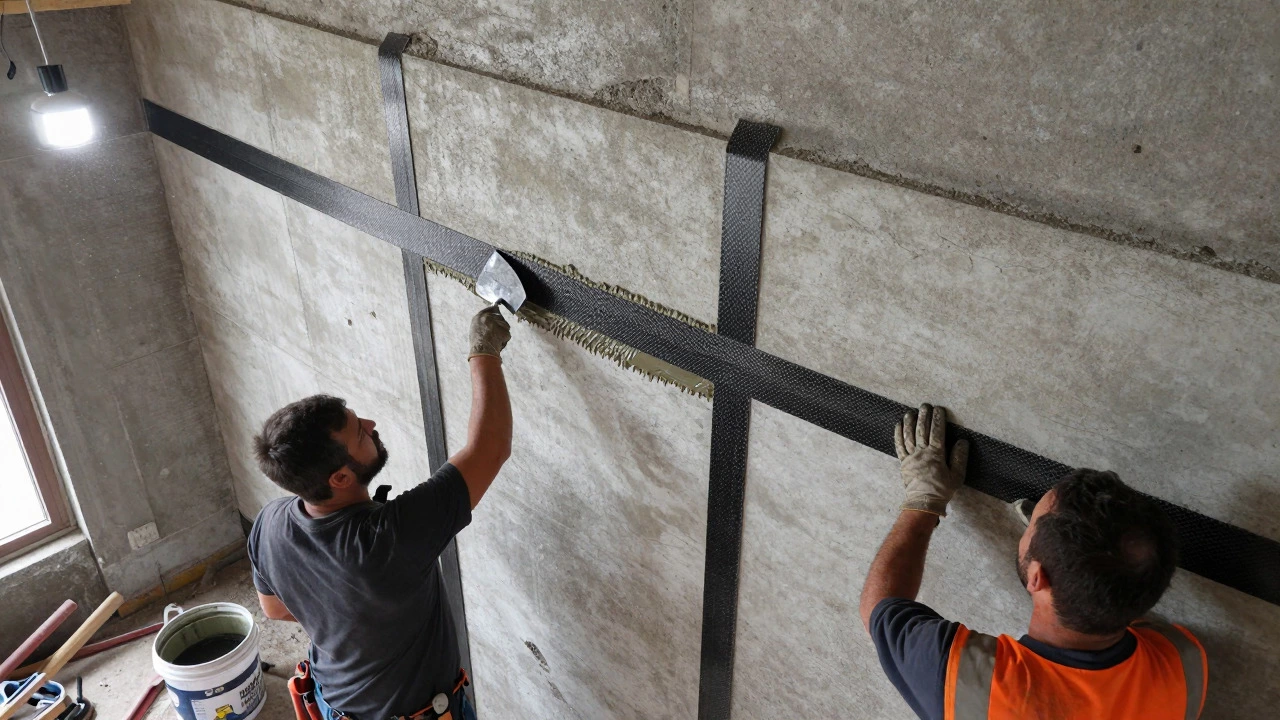
| Carbon Fiber Straps | $2,500 - $4,500 | Mild to moderate bowing (up to 25mm) |
| Steel I-Beams (Wall Bracing) | $4,000 - $8,000+ | Severe bowing (>25mm), active failure |
| Helical Tiebacks | $5,000 - $10,000+ | Extreme lateral pressure, inaccessible sites |
Epoxy Injection is a rigid bonding agent used to seal small, stable cracks. It creates a monolithic bond with the concrete, restoring some structural integrity. However, if the crack continues to move, epoxy can fail because it lacks flexibility. This makes it ideal only for hairline fractures that have stopped moving.
Polyurethane Foam Injection is a two-part chemical system that expands and hardens into a flexible, waterproof seal. Unlike epoxy, it can accommodate minor shifts in the foundation without breaking. This makes it the preferred choice for cracks that are still leaking water or showing signs of slight movement. It is generally more expensive per meter than epoxy but offers better long-term performance in dynamic environments.
Factors That Influence Your Final Bill
Two houses in the same suburb can have vastly different repair costs. Why? Because foundation issues are site-specific. Several key factors determine where you fall within the price ranges mentioned above.
- Crack Width and Length: A 2-meter crack that is 1mm wide costs far less to inject than a 5-meter crack that is 10mm wide. Contractors often charge per linear meter for injection work.
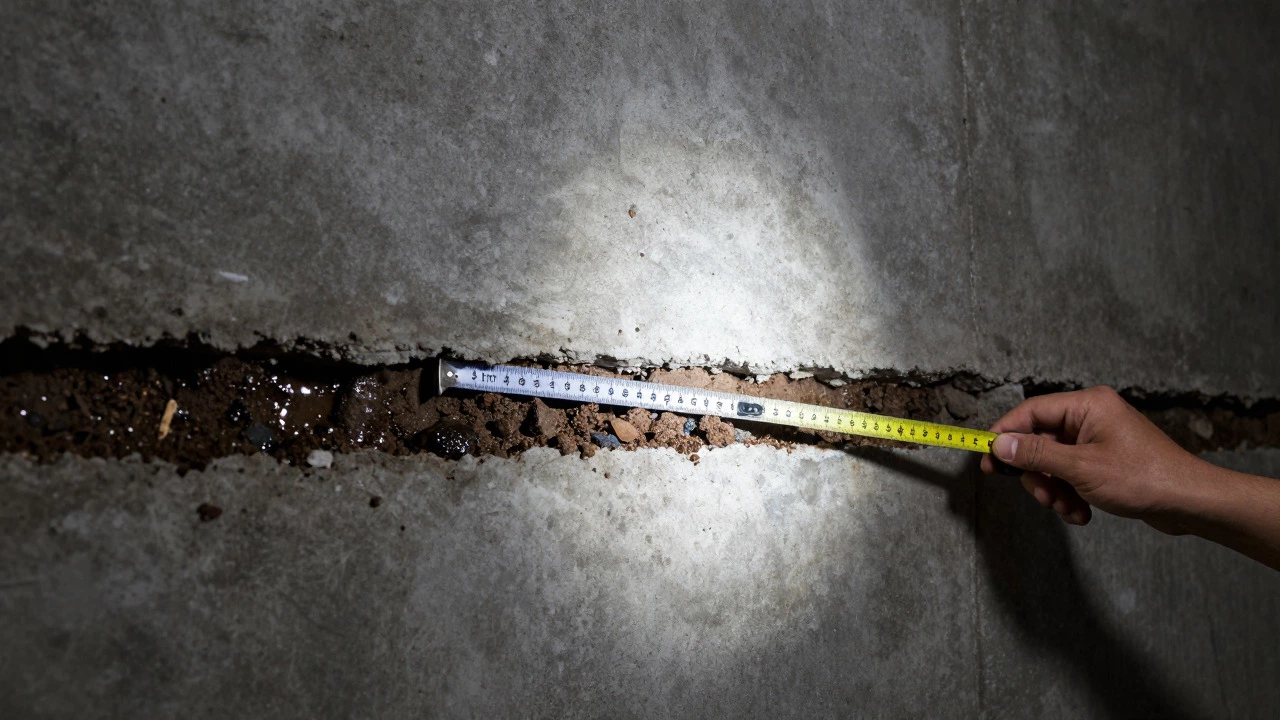
- Bowing Degree: If the wall has bulged inward, you need reinforcement, not just sealing. Measuring the deflection is critical. A ruler and laser level can give you a rough idea, but a professional engineer’s assessment is required for insurance purposes.
- Accessibility: Is the crack in a finished basement, a crawl space, or an exterior wall? Digging up landscaping to access an exterior wall adds labor costs. Working in a tight interior space requires smaller equipment and slower work rates.
- Soil Type: In areas with high-expansion clay, engineers may recommend more robust solutions like tiebacks rather than simple straps, driving up the cost.
- Water Intrusion: If water is actively pouring through the crack, you need drainage solutions (like French drains) installed alongside the repair. This can add $1,000 to $3,000 to the project.
Choosing the Right Repair Method
How do you decide which method is right for your home? It comes down to assessing the stability of the wall. If the crack is static (not getting wider over time) and narrow, injection is sufficient. But if the wall is bowing, you need to stop the movement first, then seal the crack.
Carbon Fiber Straps are high-strength composite materials bonded to the face of the foundation wall to resist bending forces. They are lightweight, require no drilling into the floor, and can be installed quickly. They are a popular middle-ground solution for homes with moderate bowing. The adhesive used must cure properly, so temperature and humidity control during installation is vital.
For severe cases, Steel I-Beams are structural supports anchored to the floor and ceiling joists to hold the wall in place. This is a brute-force solution. It works, but it takes up space inside your home. You lose storage area along that wall. Helical Tiebacks, on the other hand, are driven deep into the ground outside the foundation and connected to the wall via a plate. They transfer the load away from the weak soil to deeper, stable strata. This is the most effective but also the most expensive option, typically reserved for commercial properties or severe residential failures.
Hidden Costs and Pitfalls to Avoid
When comparing quotes, look beyond the headline number. Ask about these hidden costs that often catch homeowners off guard:
- Engineering Inspection Fees: Most reputable contractors include a basic visual inspection, but if you need a formal report for insurance or resale, an independent structural engineer will charge $500 to $1,200.
- Demolition and Restoration: If the crack is behind drywall or flooring, you pay to remove and replace those finishes. This can double the perceived cost of the repair.
- Temporary Shoring: If the wall is unstable, you may need temporary hydraulic jacks to hold it while permanent repairs are made. This adds daily rental fees.
- Warranty Coverage: Cheap repairs often come with no warranty or a short one-year guarantee. Look for companies offering 10-year to lifetime warranties on their workmanship. This protects you if the crack reopens.
Avoid contractors who promise a "one-size-fits-all" solution. If they haven't measured the bowing or tested the soil, they are guessing. Always insist on a written diagnosis that explains why the crack formed, not just how to patch it.
Prevention and Maintenance After Repair
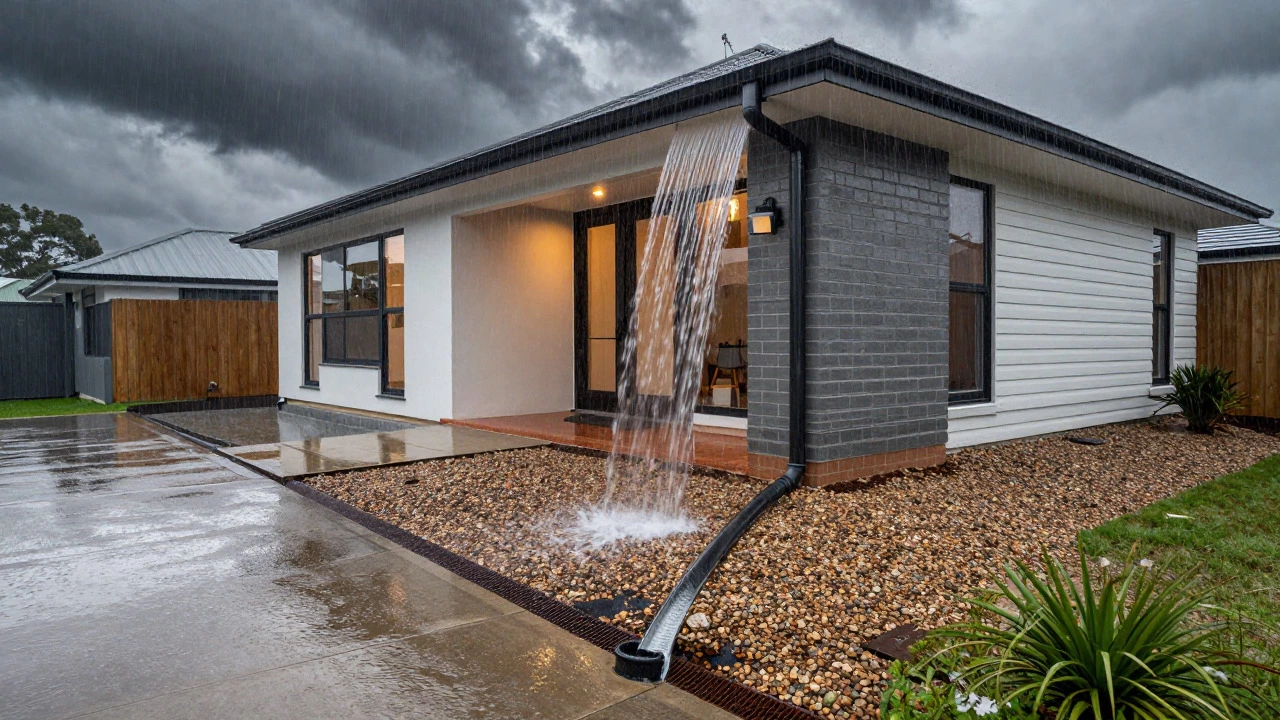
Fixing the crack is only half the battle. If the underlying cause-soil pressure-remains, the problem can return. Proper drainage management is crucial. Ensure gutters direct water at least 2 meters away from your foundation. Grading around your home should slope away from the walls to prevent water pooling.
Monitor the repair regularly. Place a piece of white paper over the crack and mark the edges. Check monthly for any new lines or widening. If you notice movement again, call your contractor immediately. Early intervention saves thousands compared to waiting for major structural failure.
Frequently Asked Questions
Is a horizontal foundation crack always dangerous?
Not always, but it is a red flag. A straight, hairline horizontal crack in a new build might be due to construction shrinkage. However, in older homes or those in expansive soil zones, it almost always indicates lateral pressure. If the crack is stepped, wide, or accompanied by bowing, it is structurally significant and requires immediate attention.
Can I fill a horizontal crack myself with caulk?
You can temporarily stop water leakage with silicone caulk, but it does not fix the structural issue. Caulk is not designed to withstand the tensile strength requirements of a foundation. If the wall moves, the caulk will pop out. Use it only as a stopgap until a professional can assess the situation.
How long does foundation crack repair take?
Injection repairs typically take 1-2 days. Carbon fiber strap installation takes 1-2 days plus curing time. Steel beam or tieback installations can take 3-7 days depending on site access and weather conditions. The process involves excavation, drilling, installation, and finishing.
Will insurance cover horizontal crack repair?
Standard home insurance usually excludes "gradual deterioration" or "settling." However, if the crack was caused by a sudden event like a tree root rupture or a burst pipe washing away soil, it might be covered. Check your policy exclusions carefully. Some specialized foundation warranties offer coverage for specific defects.
What is the difference between slab heave and foundation cracking?
Slab heave refers specifically to the upward movement of a concrete slab-on-grade foundation due to expanding clay soils. Horizontal foundation cracks occur in below-grade walls (basements/crawl spaces). Both are caused by soil expansion, but the repair methods differ. Slabs are often lifted with piers; walls are reinforced with beams or ties.