Bathroom Accessory Style Matcher
Visual Preview of Vibe:
to see preview
palette here.
Your Ideal Bathroom Palette
Walk into a bathroom with clashing fixtures and mismatched towels, and the space instantly feels chaotic. Now imagine walking into one where every towel ring, soap dispenser, and mirror frame works in harmony. The difference isn’t just about cleanliness; it’s about cohesion. Choosing the right bathroom accessories color is often the final step in making a room feel intentional rather than accidental.
You might think this is a minor detail, but accessories act as the punctuation marks of interior design. They define the tone, set the mood, and can either tie a room together or pull it apart. Whether you’re renovating a master suite or updating a guest powder room, getting these small elements right makes a massive impact on the overall aesthetic.
The Power of Neutral Foundations
When in doubt, neutrals are your safest bet. White, cream, beige, and soft gray have dominated bathroom trends for decades because they work. They create a sense of spaciousness and calm, which is exactly what most people want when they step into a bathroom to start their day or unwind at night.
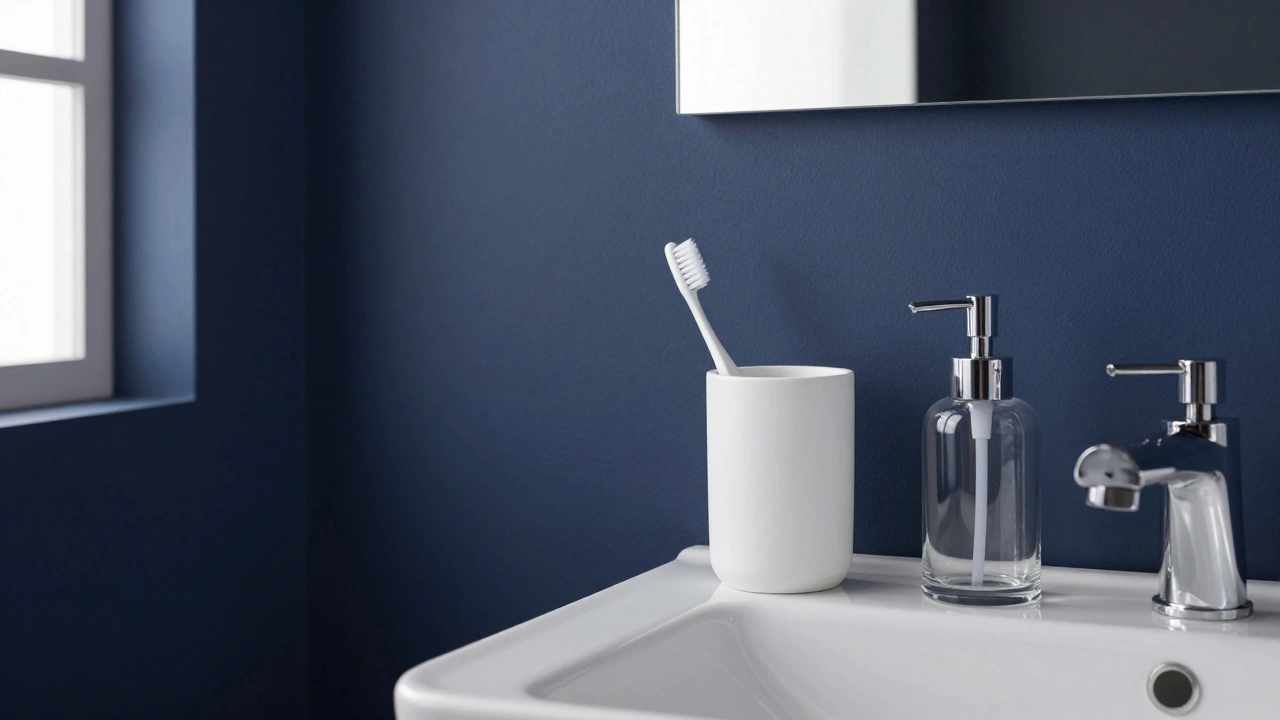
If your walls are painted in a dark shade like navy blue or charcoal, white accessories provide a crisp contrast that keeps the room from feeling heavy. Think of white ceramic toothbrush holders or clear glass dispensers against a deep wall color-they pop without screaming for attention. This high-contrast look is clean, modern, and easy to maintain.
- White: Classic, sterile, and timeless. Works with any tile pattern or wall color.
- Cream/Off-White: Adds warmth and softness. Better for traditional or cottage-style bathrooms.
- Gray: Modern and sophisticated. Pair light gray accessories with darker grays or blacks for a monochromatic look.
However, be careful not to go too stark. Pure bright white can sometimes feel clinical, like a hospital. If you choose white, look for matte finishes rather than glossy ones to add texture and depth.
Metal Finishes: More Than Just Hardware
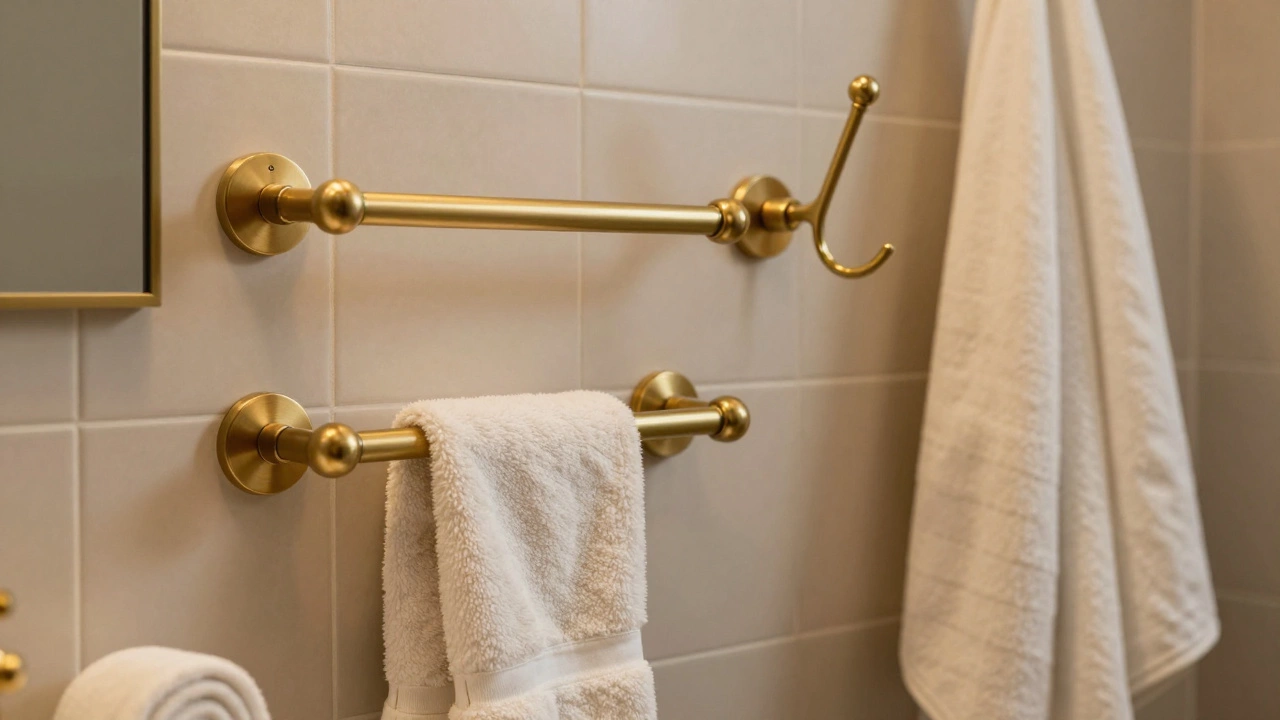
Metallics aren’t just for faucets and showerheads. Towel bars, robe hooks, paper holders, and even decorative trays fall into this category. The metal finish you choose dictates the era and style of your bathroom more than any other accessory group.
| Finish | Best For | Avoid With |
|---|---|---|
| Brushed Nickel | Modern, transitional spaces | Warm brass or antique copper |
| Matte Black | Industrial, moody, contemporary | Light, airy, shabby-chic styles |
| Polished Chrome | Glossy, sleek, mid-century modern | Rustic wood or matte black |
| Brushed Gold/Brass | Luxury, vintage, warm tones | Cool grays or stark whites (unless intentional) |
Consistency is key here. Mixing brushed nickel with polished chrome usually looks like a mistake unless you’re deliberately going for an eclectic, collected-over-time vibe. If you have matte black faucets, stick to matte black towel racks and hooks. It creates a streamlined, custom-built look that elevates the entire room.
For those who love mixing metals, there is a rule of thumb: pick one dominant metal for your major fixtures (faucet, showerhead) and use a secondary metal sparingly for smaller accessories like a jewelry tray or a candle holder. Never mix three different metals in one small space-it becomes visual noise.
Adding Personality with Textiles
Towels and bath mats are the easiest way to inject color without committing to paint or tile changes. Unlike hard accessories, textiles absorb sound and add softness, which is crucial in a room full of hard surfaces like tile and porcelain.
If your bathroom is mostly white and gray, introduce color through your towels. Deep emerald green, burnt orange, or navy blue can transform a bland space into something inviting. The trick is to coordinate these colors with other elements in the room. Does your shower curtain have a subtle stripe? Match your hand towels to that accent color.
Consider the texture as well. Plush cotton terrycloth adds luxury, while waffle weave offers a lighter, more casual feel. If you’re aiming for a spa-like atmosphere, stick to large, fluffy bath sheets in solid, muted tones. Avoid busy patterns on towels if your floor or wall tiles already have a complex design. Let one element be the star.
Natural Materials for Organic Warmth
In recent years, there has been a shift away from purely synthetic materials toward natural textures. Wood, stone, rattan, and bamboo bring warmth and organic beauty to a bathroom that might otherwise feel cold.
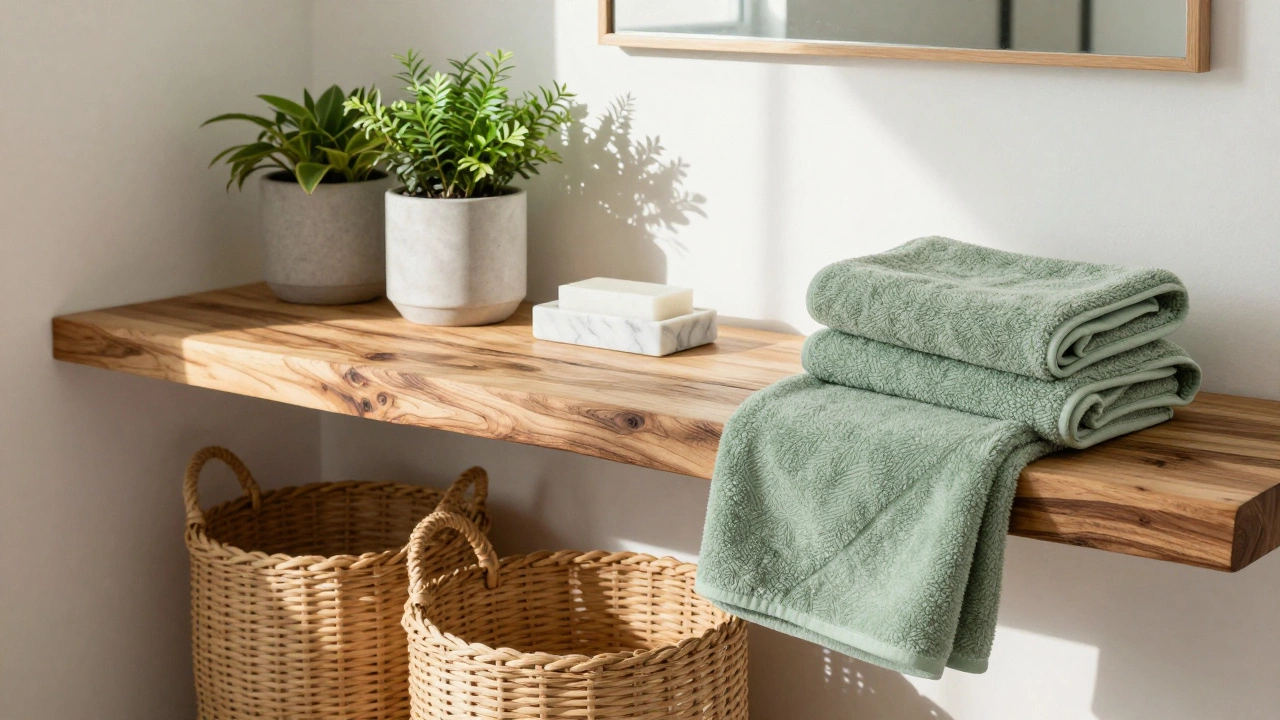
Think about a wooden stool for seating, a marble tray for holding soaps, or a rattan basket for storing extra linens. These items don’t just serve a function; they add visual interest through their grain, pattern, and imperfections. A live-edge wooden shelf above the toilet can become a focal point, especially if you place a few potted plants on it.
When using natural materials, ensure they are treated for moisture resistance. Untreated wood will warp and mold in a humid environment. Look for teak, cedar, or properly sealed oak. Stone should be sealed regularly to prevent water spots and staining. These materials pair beautifully with earthy tones like sage green, terracotta, and sand.
Color Psychology in Small Spaces
Bathrooms are often small, enclosed rooms. The colors you choose can affect how big or small the space feels. Lighter colors reflect light and make the room appear larger, while dark colors absorb light and can make the space feel cozier but smaller.
If you have a tiny half-bath, avoid dark, heavy accessories. Stick to light woods, white ceramics, and silver metals. If you have a large master bathroom, you have the freedom to experiment with darker, richer tones. Dark accessories can create a dramatic, hotel-like ambiance.
Also consider the lighting. Natural light reveals true colors, while artificial light-especially warm yellow bulbs-can alter how colors appear. A teal towel might look vibrant in daylight but dull under incandescent lighting. Test your accessories under the actual lighting conditions of your bathroom before buying them all.
Common Mistakes to Avoid
Even with the best intentions, it’s easy to go wrong. Here are some pitfalls to watch out for:
- Ignoring the Fixtures: Your accessories must complement your permanent fixtures. If you have gold-toned faucets, silver accessories will clash.
- Over-Accessorizing: Less is more. A cluttered counter with ten different bottles and containers looks messy. Use unified containers to store toiletries.
- Mismatched Styles: Don’t mix ultra-modern geometric shapes with rustic farmhouse baskets unless you know how to balance them. Stick to one primary style.
- Forgetting Functionality: Beautiful is good, but functional is better. Ensure towel rings are placed within reach and soap dispensers are easy to pump.
Another common error is buying everything at once. Start with the essentials: towel bars, a robe hook, and a toilet paper holder. Add decorative items like trays, candles, and art later. This allows you to see how the room evolves and adjust your color palette accordingly.
Final Thoughts on Cohesion
Choosing the right color for your bathroom accessories isn’t about following a strict rulebook. It’s about creating a space that feels like home. Whether you prefer the crisp minimalism of all-white ceramics, the industrial edge of matte black metals, or the warm embrace of natural wood, the goal is harmony.
Take your time. Look at your existing tiles, walls, and fixtures. Ask yourself what mood you want to create. Then, select accessories that support that vision. The result will be a bathroom that doesn’t just look good, but feels right every time you walk in.
Should bathroom accessories match the faucet?
Ideally, yes. Matching your towel bars, hooks, and other metal accessories to your faucet finish creates a cohesive, high-end look. If your faucet is brushed nickel, choose brushed nickel accessories. Mixing finishes can work if done intentionally, but matching is safer for beginners.
Can I mix different colors of towels in the same bathroom?
Yes, but keep it coordinated. You can mix shades of the same color family (e.g., light blue and navy) or use a neutral base with one accent color. Avoid mixing too many disparate colors, as it can look cluttered. Stick to a maximum of two or three colors for towels.
What is the best color for a small bathroom?
Light colors like white, cream, or light gray are best for small bathrooms. They reflect light and make the space feel larger and airier. Dark accessories can be used sparingly as accents, but avoid covering large areas with dark hues.
How do I choose accessories for a bathroom with colored walls?
If your walls are colored, choose accessories that either complement or contrast with that color. For example, if your walls are green, gold or brass accessories add warmth, while silver or chrome provides a cool contrast. White accessories always work as a neutral backdrop.
Are wooden bathroom accessories practical?
Wooden accessories can be practical if they are properly sealed or made from moisture-resistant woods like teak or cedar. They add warmth and texture but require maintenance to prevent warping or mold growth. Avoid untreated pine or oak in high-humidity areas.