Wallpaper Project Estimator & Style Matcher
Enter the dimensions of the wall(s) you want to cover.
Your Project Summary
Installation Advice:
Remember when you last saw a room covered in busy, loud, or intricate paper? If it was more than five years ago, you might think the trend died with the mid-century modern revival. But walk into any major home decor store in Melbourne right now, or scroll through Instagram’s #InteriorDesign feed, and you’ll see something different. Wallpaper is back. And it isn’t just a quiet cameo in a powder room anymore.
For nearly a decade, we lived in the era of the "millennial beige" wall. Flat paint, neutral tones, and minimalism ruled. We were told that pattern was risky, that wallpaper felt dated, and that simplicity was sophistication. But by early 2024, the pendulum swung hard. People got tired of sterile spaces. They wanted personality, texture, and drama without renovating their entire house. Enter the wallpaper renaissance.
In 2026, wallpaper isn't just a trend; it's a primary tool for defining space. It’s being used on ceilings, behind kitchen islands, inside wardrobes, and even outdoors. But before you rip up your perfectly good matte white paint, let’s look at why this comeback is happening, what styles are actually working, and how to pull it off without making your home look like a hotel from 1998.
The Psychology Behind the Pattern Revival
Why did we abandon wallpaper in the first place? Largely because installation was a nightmare. Traditional paste-and-hang methods required professional skill, stripped walls during removal, and left homeowners terrified of making mistakes. For years, paint remained the safe, cheap, and reversible option.
But the shift wasn't just about convenience; it was about emotional connection. During the pandemic, people spent unprecedented time indoors. The sterile "gallery white" aesthetic started feeling cold and isolating. Designers noticed clients craving warmth and character. Wallpaper offers an instant layer of depth that paint simply cannot replicate. A textured grasscloth or a deep botanical print adds tactile interest and visual weight, making a room feel cozier and more curated.
Furthermore, social media accelerated this change. Platforms like TikTok and Pinterest thrive on visual impact. A flat white wall doesn't stop the scroll. A wall covered in dramatic, oversized palm leaves or geometric art deco lines does. This digital pressure pushed physical design choices toward higher contrast and bolder statements.
What’s Actually Trending in 2026?
If you’re looking to buy wallpaper today, you need to know what’s selling versus what’s stuck in the past. The trends of 2025 carried over strongly into 2026, but they’ve evolved. Here is what is dominating showrooms and rental listings alike:
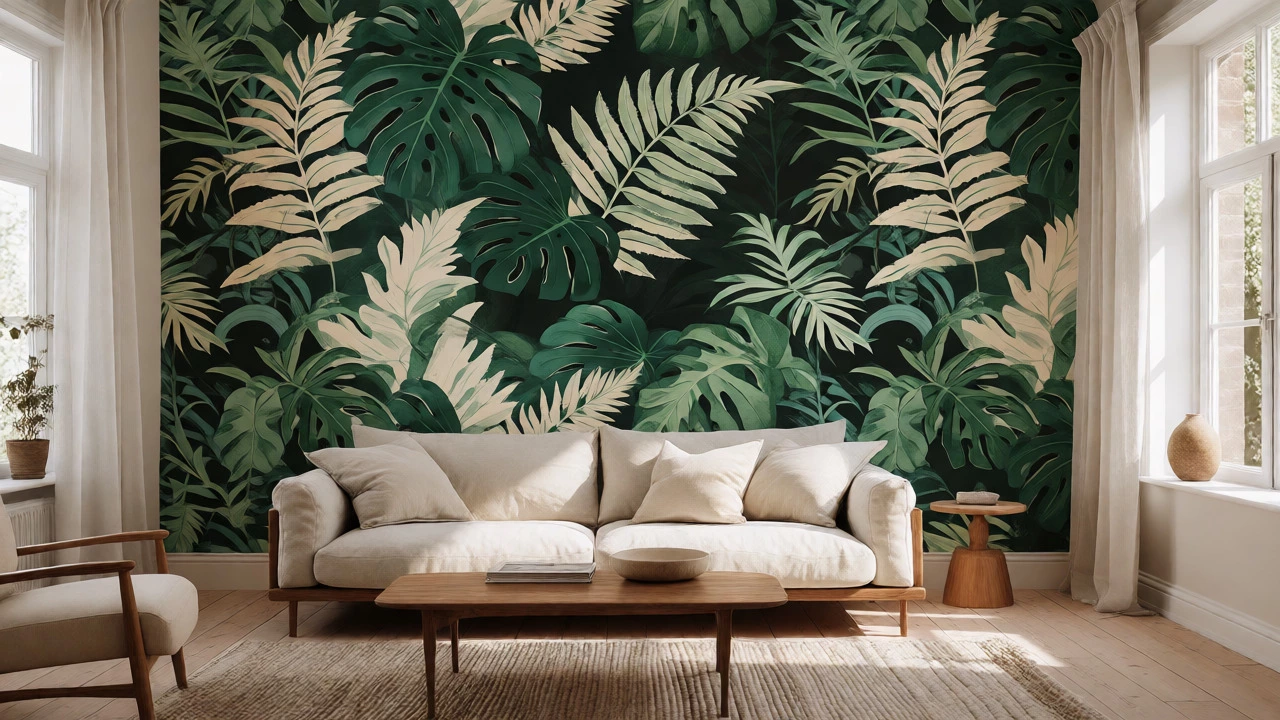
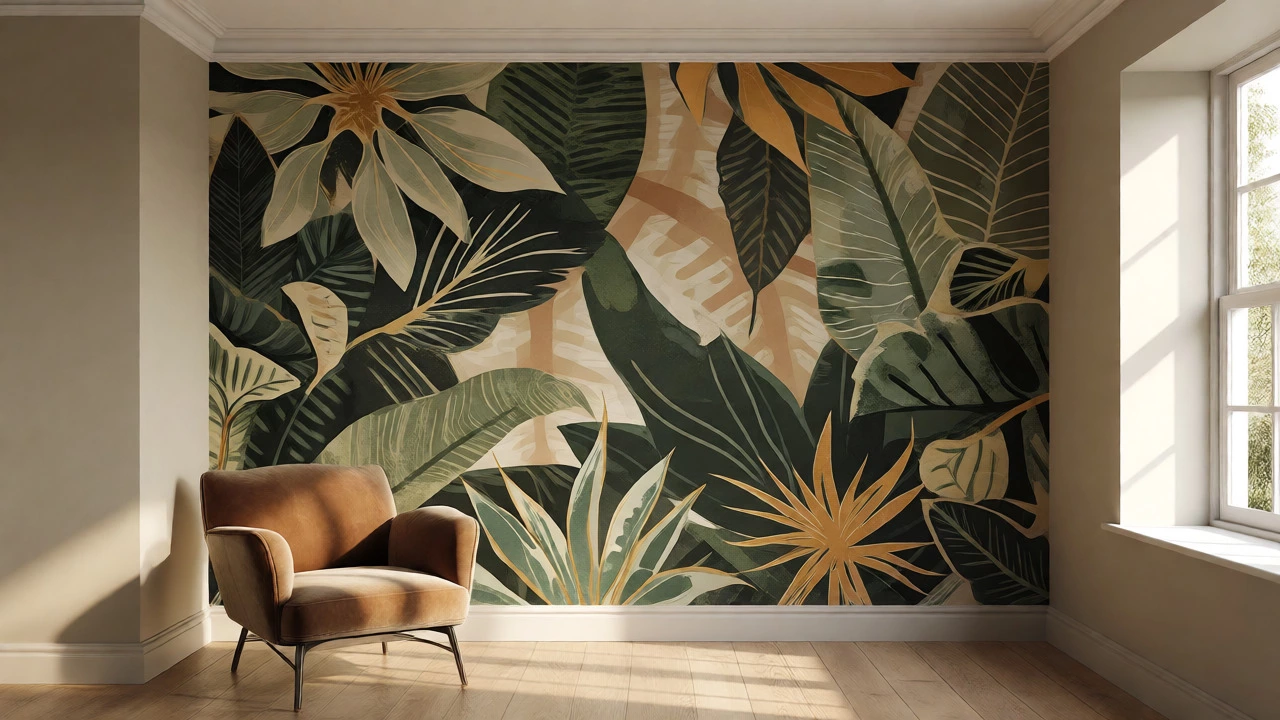
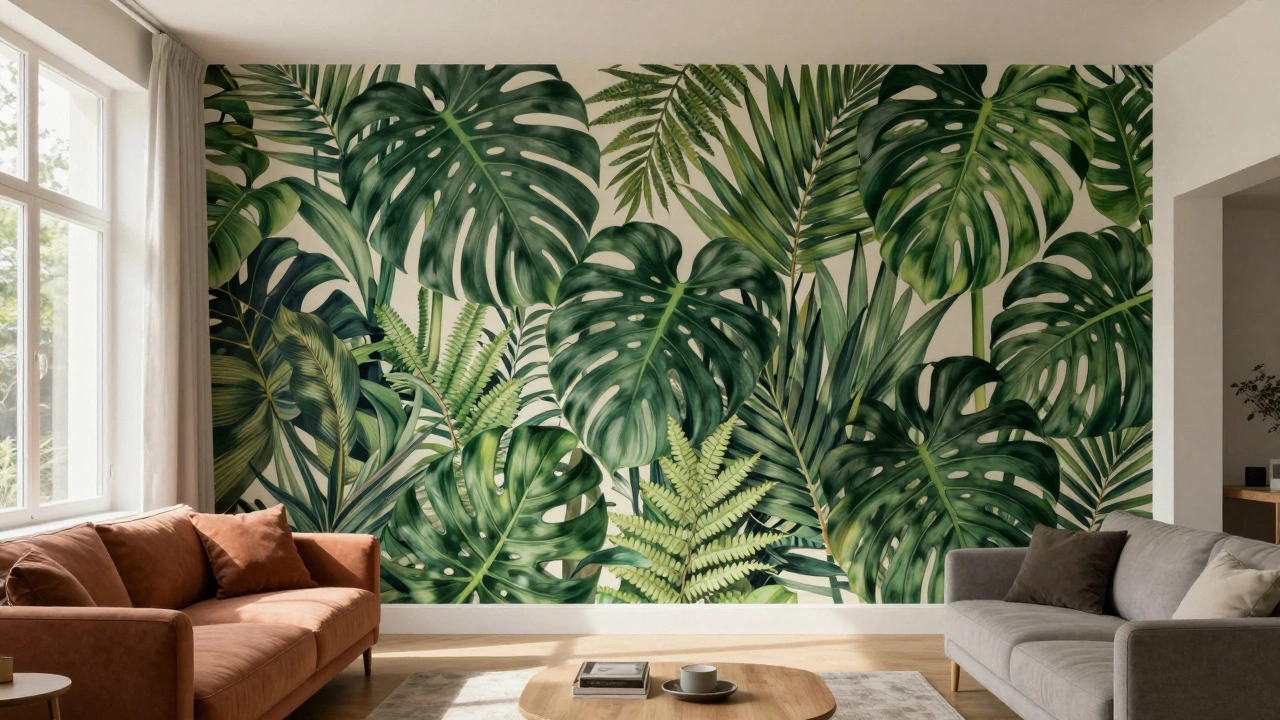
- Oversized Botanicals: Forget tiny floral prints from the Victorian era. Today’s plants are huge. Think monstera leaves that span three feet tall, or tropical ferns that cover entire walls. These designs bring the outdoors in, which aligns with the biophilic design movement that prioritizes human connection to nature.
- Abstract Textures: Not everyone wants a picture on their wall. Many designers are using "texture-only" wallpapers. These mimic concrete, linen, rattan, or stone. They add visual noise without actual color, perfect for rooms where you want calm but not boring.
- Japandi Fusion: A blend of Japanese rustic minimalism and Scandinavian functionality. Expect muted earth tones-terracotta, olive green, warm greys-with subtle, organic patterns. It’s sophisticated, not flashy.
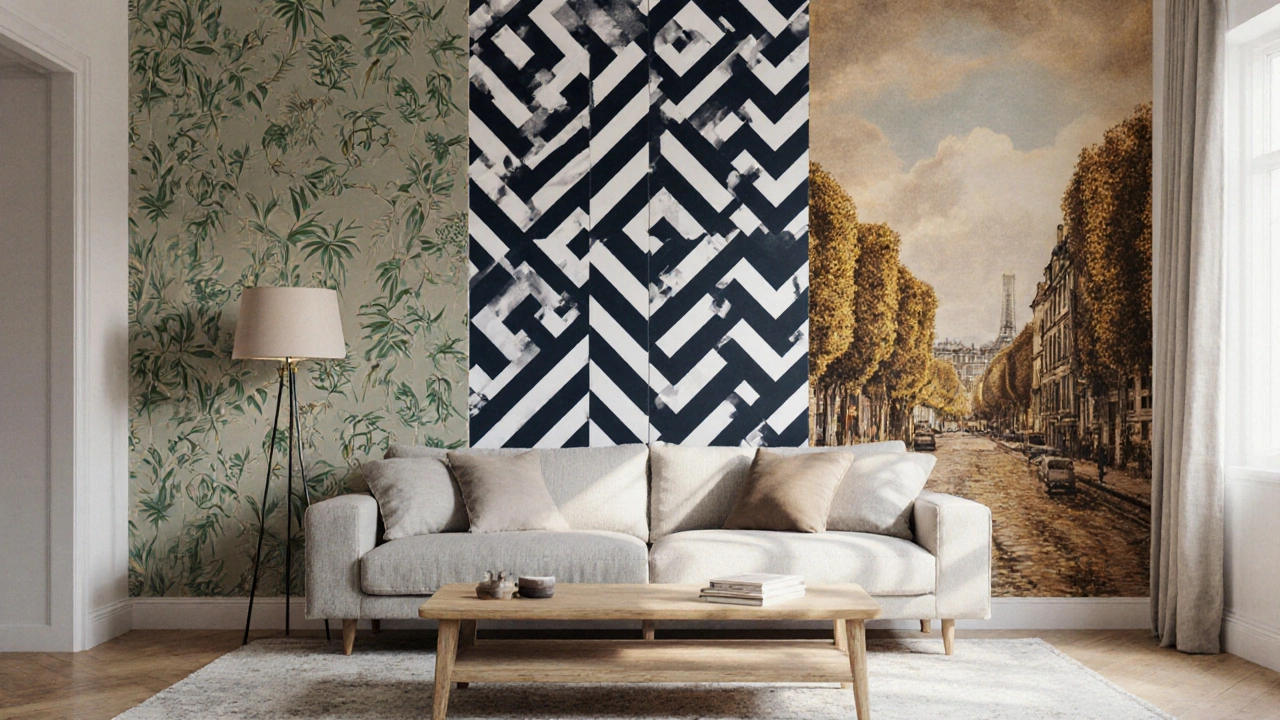
- Maximalist Collages: For the brave, there’s a surge in eclectic, mixed-print wallpapers. These often feature vintage-style illustrations, maps, or artistic sketches. They work best in small doses, like a hallway or a study.
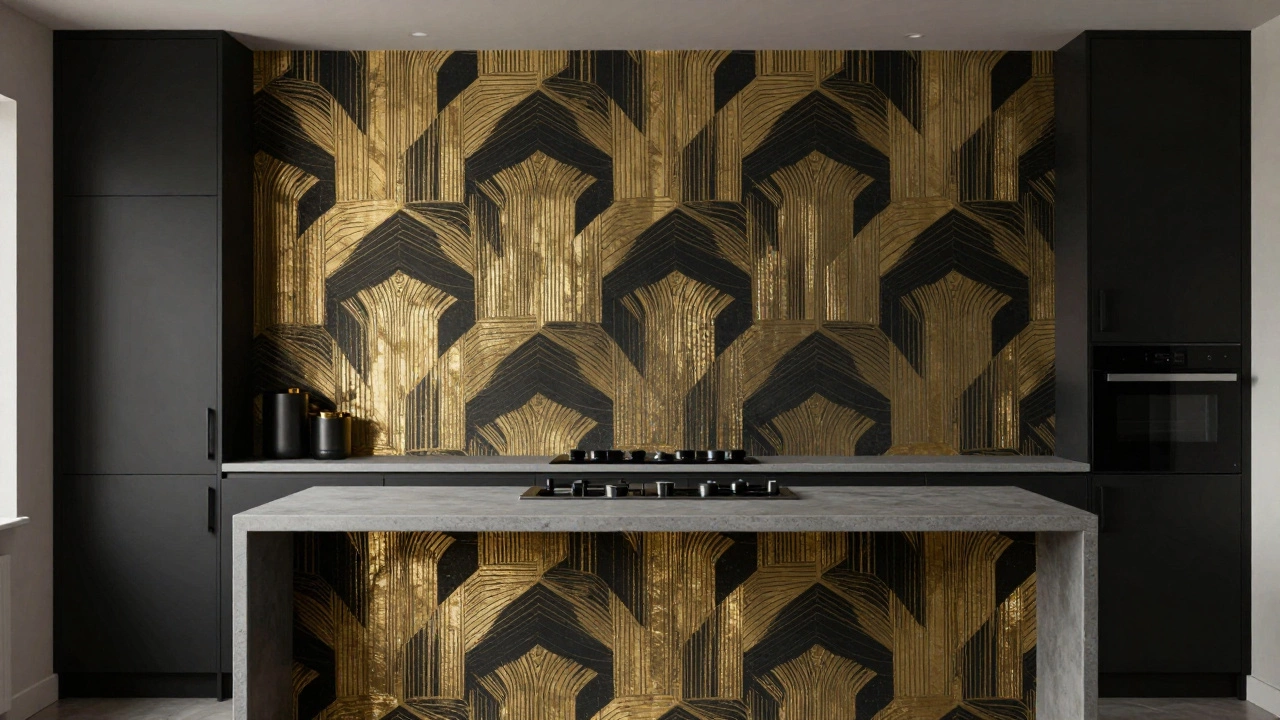
- Metallic Accents: Subtle gold, copper, or silver foils woven into darker backgrounds. This catches the light and adds luxury without needing expensive furniture to carry the weight.
Avoid: Small-scale, repetitive floral patterns (unless you’re going for a very specific cottage-core look) and high-gloss vinyls that look plastic. Matte finishes are preferred for a premium feel.
The Game Changer: Peel-and-Stick Technology
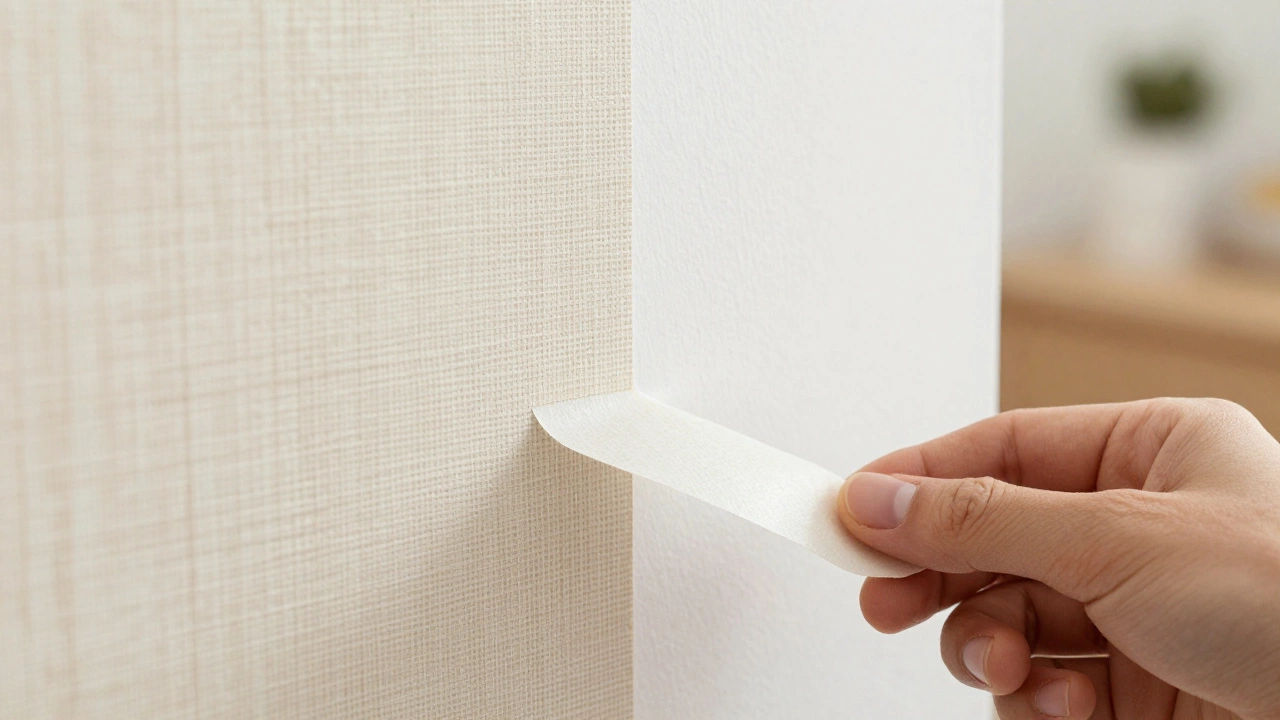
You can’t talk about the wallpaper resurgence without mentioning the technology that saved it: removable wallpaper. Also known as self-adhesive or peel-and-stick, this material has democratized wall covering.
In the past, if you hated your wallpaper after six months, you had to hire a stripper who would likely damage your drywall. Now, you can peel it off yourself, leaving the wall pristine. This has been a massive driver for renters in cities like Melbourne, Sydney, and London. Landlords are increasingly allowing tenants to use removable wallpaper because it’s non-damaging.
However, not all peel-and-stick is created equal. Cheap versions can bubble, yellow over time, or leave residue. Look for brands that specify "vinyl-free" or "paper-based" adhesives. These tend to breathe better and remove cleaner. Also, ensure your walls are smooth; imperfections will show through thin adhesive sheets.
| Feature | Traditional Paste-Up | Removable (Peel-and-Stick) |
|---|---|---|
| Durability | High (lasts 10+ years) | Medium (3-5 years) |
| Installation Difficulty | High (pro recommended) | Low (DIY friendly) |
| Removal | Difficult (stripping needed) | Easy (peels off) |
| Cost per Square Meter | $20 - $80+ | $15 - $60 |
| Best For | Permanent homes, humid areas | Renters, temporary accents |
Where to Use Wallpaper in 2026
Gone are the days when you had to choose between painting everything or papering everything. The current design philosophy is "strategic coverage." Here’s how professionals are applying it:
The Accent Wall 2.0
The classic accent wall is still popular, but it’s getting smarter. Instead of just picking one random wall, designers are using wallpaper to define zones in open-plan living areas. For example, papering the wall behind a sofa can visually anchor the seating area, separating it from the dining space without building a partition. In bedrooms, the headboard wall is the most common spot, creating a cozy backdrop for sleeping.
Ceilings as the Fifth Wall
This is the boldest move in 2026. Painting or papering the ceiling draws the eye up, making low ceilings feel higher and grander. A dark, moody ceiling with a subtle starry-night pattern creates intimacy in a master bedroom. A light, textured ceiling can make a narrow hallway feel less claustrophobic. Just be careful with heavy patterns here; they can feel overwhelming if the room is small.
Furniture and Built-ins
Don’t limit wallpaper to walls. Lining the inside of bookshelves, cabinets, or wardrobe doors is a huge trend. It adds a surprise element when you open them. It’s also a great way to use leftover scraps from a larger project. Similarly, wrapping existing furniture-like a plain wooden desk or a nightstand-in wallpaper gives old pieces a new life.
Kitchens and Bathrooms
With advancements in moisture-resistant materials, wallpaper is no longer forbidden in wet areas. In kitchens, it’s often used behind backsplashes or on island fronts. In bathrooms, it’s applied above the tile line or in vanity areas. Always check for "washable" or "moisture-resistant" labels before buying for these rooms.
Common Mistakes to Avoid
Even with easy-to-install options, wallpaper projects can go wrong. Here’s what to watch out for:
- Ignoring the Repeat: Every pattern has a "repeat" length-the distance before the design starts over again. If you don’t calculate this correctly, you’ll end up with awkward cuts or waste. Measure your wall height and divide by the repeat length to see how many rolls you need. Add 10% extra for errors.
- Lighting Mismatch: Wallpaper looks different in natural daylight versus artificial evening light. A blue pattern might look serene at noon but turn grey and dull under warm LED bulbs. Always get a sample and tape it to the wall, observing it at different times of day.
- Overpowering the Room: If your wallpaper is busy, keep your furniture simple. If your furniture is ornate, choose a subtler paper. You need balance. A loud pattern on the walls plus a loud rug plus patterned curtains equals visual chaos.
- Skipping Prep Work: Even peel-and-stick needs a clean, smooth surface. Dust, grease, or uneven paint will cause bubbles. Clean your walls with mild soap and water, and fill any holes with spackle before starting.
Is It Worth the Investment?
Compared to paint, wallpaper is more expensive upfront. A gallon of high-quality paint costs around $40-$60 AUD and covers multiple coats. A roll of wallpaper can cost $30-$100+, and you may need several rolls. However, consider the longevity and impact. Paint fades and chips. High-quality wallpaper lasts years and protects walls from scuffs and scratches.
More importantly, consider the resale value. In 2026, buyers expect character. A home with well-executed wallpaper features often stands out in listings compared to homes with generic white walls. It signals that the owner cares about design details. Just ensure the style is timeless enough to appeal to a broad audience-avoid overly niche themes like sports logos or cartoon characters unless you’re sure you’ll stay put.
Ultimately, the decision comes down to personal joy. Does the pattern make you happy every time you walk into the room? If yes, it’s worth it. Trends come and go, but your comfort shouldn’t.
Can I put wallpaper over existing wallpaper?
It is generally not recommended. Adding new layers increases thickness, which can cause seams to show through or the old paper to peel away unpredictably. It is safer to remove the old wallpaper, repair the wall, and start fresh. However, if the existing paper is firmly attached and smooth, some professionals may allow it, but risks remain.
How do I clean wallpaper?
Most modern wallpapers are washable. Use a soft sponge with warm water and a tiny amount of mild dish soap. Gently dab the stain; do not scrub vigorously, as this can damage the surface. Always test a small, inconspicuous area first. Avoid harsh chemicals or abrasive cleaners.
Does wallpaper increase home value?
Yes, but with caveats. Tasteful, high-quality wallpaper in key areas like entryways or bedrooms can enhance perceived value by adding character. However, outdated or overly personalized patterns might deter buyers. Neutral tones and classic textures are safest for resale purposes.
What is the best type of wallpaper for beginners?
Peel-and-stick (self-adhesive) wallpaper is ideal for beginners. It requires no paste, allows for repositioning during installation, and removes cleanly. Start with a small project, like an accent wall or a cabinet interior, to build confidence before tackling larger areas.
Can I use wallpaper in a bathroom?
Yes, provided you choose moisture-resistant or vinyl-backed wallpaper. Avoid placing it directly behind showers or sinks where direct water exposure occurs. Use it on dry walls, such as the vanity area or above tile lines, to prevent peeling and mold growth.