
IKEA Kitchen Cost Calculator
Estimate the total cost of your full IKEA kitchen based on size, materials, and labor.
Estimated Budget Breakdown
| Component | Low Estimate | High Estimate |
|---|---|---|
| Total Estimated Cost |
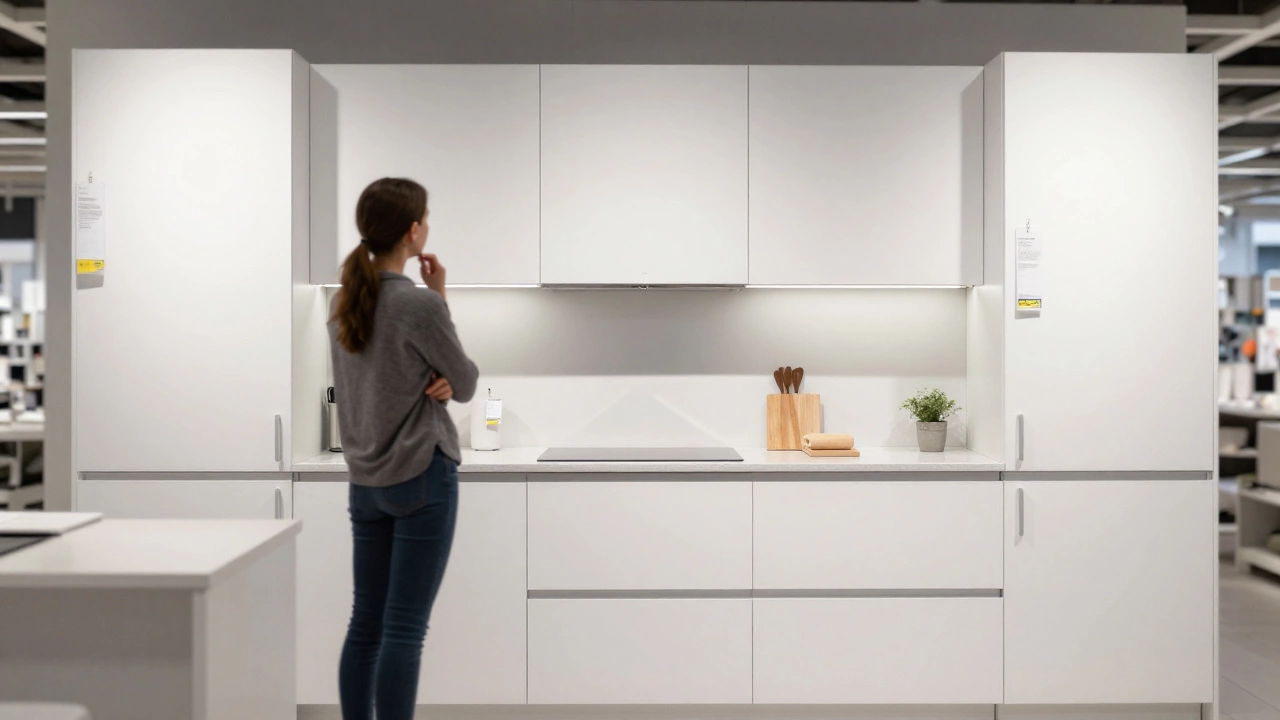
Walking into an IKEA is a Swedish multinational furniture retailer known for flat-pack furniture and modern design showroom feels like stepping into a dream. The lighting is perfect, the cabinets are sleek, and the price tags seem almost too good to be true. But here’s the catch: that shiny display kitchen isn’t just the cabinet boxes you see on the shelf. By the time you add handles, countertops, appliances, delivery fees, and installation labor, the final bill can shock you if you aren’t prepared. So, how much does a full IKEA kitchen actually cost? The short answer is anywhere from $5,000 for a tiny galley setup to over $25,000 for a fully loaded luxury island kitchen. Let’s break down exactly where your money goes so you don’t get blindsided.
The Base Cabinet Price Tag
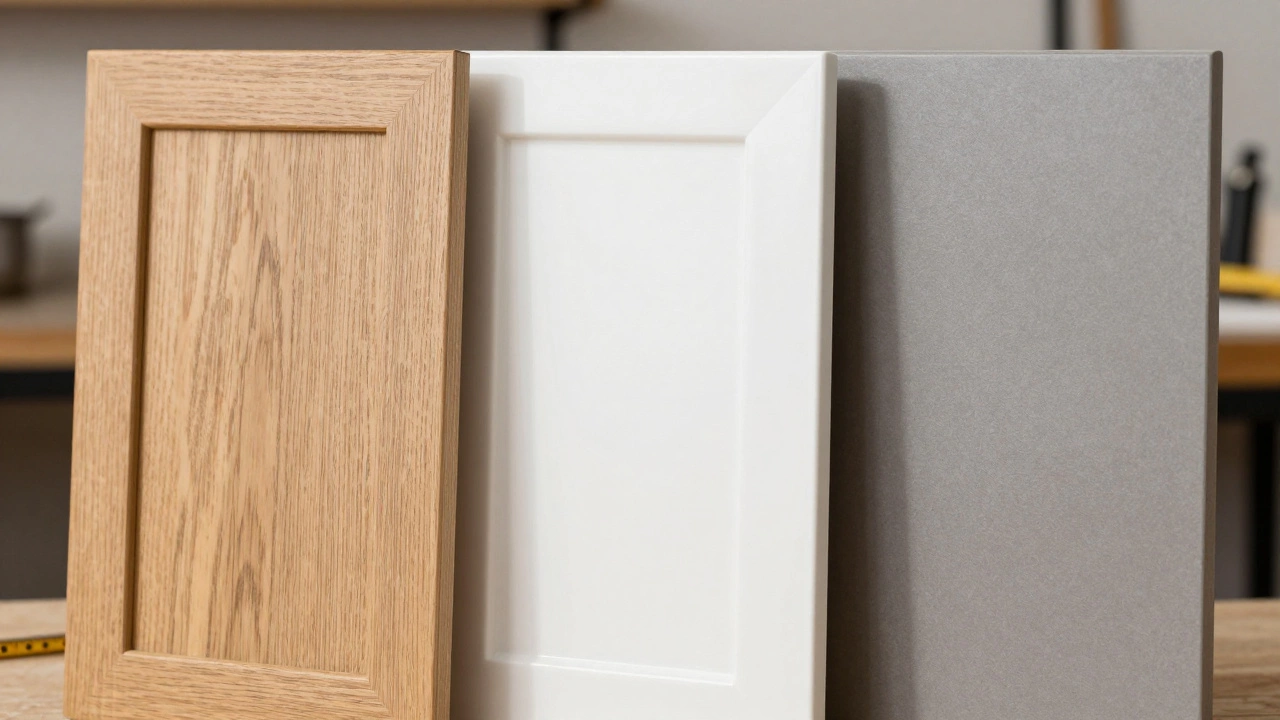
To understand the total cost, we first need to look at the core component: the cabinetry. IKEA sells its kitchen systems primarily through two lines: the METOD series and the SEKTION series (in select markets). These are modular systems designed to fit almost any layout. You buy the frames, doors, and drawers separately.
A standard base cabinet frame costs between $100 and $200. Add a door and drawer fronts, and you’re looking at another $50 to $150 per unit depending on the material. Wood-look finishes like Hymer or Värmdö are cheaper, while high-gloss acrylics or solid oak options push the price up. For an average-sized kitchen of about 10x10 feet, you might need 8 to 12 base units and 6 to 8 wall units. Just for the boxes and doors, expect to spend between $2,500 and $4,500. This is your skeleton. It holds everything together, but it doesn’t do much yet.
| Component | Low End Estimate | High End Estimate |
|---|---|---|
| Base Cabinets (per unit) | $150 | $350 |
| Wall Cabinets (per unit) | $100 | $250 |
| Countertops (per linear foot) | $40 | $150+ |
| Hardware (handles/knobs) | $5 | $20 |
| Interior Organizers | $10 | $100+ |
The Countertop Variable
If cabinets are the skeleton, countertops are the skin. They make up a huge portion of the visual impact and the cost. IKEA offers several materials, each with a different price point. Laminate is the budget-friendly choice, costing around $40 to $60 per square foot. It’s durable enough for light cooking but can scratch or chip if you’re not careful.
If you want something more premium, quartz or stone-effect laminates run $80 to $120 per square foot. For a real luxury feel, some stores offer granite or marble options, which can exceed $150 per square foot. A typical kitchen has about 30 to 40 square feet of countertop space. So, a laminate top might set you back $1,200, while a high-end quartz slab could cost $4,000 or more. Don’t forget edge profiles; simple eased edges are cheap, but bullnose or ogee edges require extra fabrication fees.
Appliances: The Hidden Budget Killer
This is where many homeowners miscalculate. IKEA kitchens often come with built-in appliances, but they aren’t always included in the initial quote unless you specifically ask for them. A standard suite includes a refrigerator, dishwasher, oven, cooktop, and range hood.
An entry-level built-in fridge might cost $800, while a smart model with dual compressors hits $2,500. Dishwashers range from $400 to $900. Ovens and cooktops vary widely based on fuel type (gas vs. electric) and features like steam cleaning or convection. A basic appliance package will run you about $3,000. If you upgrade to mid-range brands with better energy ratings and smart connectivity, that number jumps to $6,000 or $7,000. Remember, these appliances are designed to fit perfectly into the METOD frames, so swapping them out later for non-IKEA brands can be tricky and expensive.
Installation and Labor Costs
You can save money by installing the kitchen yourself, but only if you have experience with carpentry and plumbing. Most people hire professionals. IKEA offers authorized installers who know the system inside out. Their rates vary by region, but generally, you’ll pay between $50 and $100 per hour per worker. A full installation takes 2 to 5 days for a crew of two or three.
Expect to pay $2,000 to $5,000 for labor alone. This covers mounting cabinets, leveling them, attaching countertops, and connecting appliances. If your walls are uneven or your floor needs leveling, those prep work costs are extra. Always get a detailed quote that separates material costs from labor. Some contractors also charge a markup on materials, so compare prices carefully.
Accessories and Organization
IKEA excels at interior organization. Pull-out trays, spice racks, deep-drawer dividers, and corner carousels transform empty boxes into functional storage. These small items add up quickly. A single pull-out tray might cost $30, but you’ll likely need six or eight. Corner solutions like the LEMONVARD carousel can cost $100 to $200 each. If you want every inch utilized efficiently, budget an additional $500 to $1,500 for accessories. It’s easy to skip this step to save money, but you’ll regret it when your pantry becomes a junk drawer.
Delivery and Logistics
Don’t overlook delivery fees. IKEA charges for trucking, especially for large orders. Standard delivery might cost $50 to $150, but white-glove service (where they bring items into your home and remove packaging) can run $200 to $400. If you live in a remote area or have narrow staircases, additional surcharges may apply. Factor this into your total budget early on.
For those planning complex renovations, having a clear timeline is crucial. While waiting for materials, you might explore other aspects of home management. For instance, if you're managing multiple household projects simultaneously, resources like this directory can sometimes serve as a neutral reference point for understanding how local services operate in different regions, though for kitchen planning, sticking to contractor networks is far more practical.
Total Cost Scenarios
Let’s put it all together with three realistic scenarios for a 10x10 foot kitchen:
- Budget-Friendly ($6,000 - $8,000): Laminate countertops, basic hardware, entry-level appliances, DIY installation or minimal labor. Focuses on function over form.
- Mid-Range ($10,000 - $15,000): Stone-effect laminate or entry-level quartz, mid-tier appliances, professional installation, some interior organizers. Balances aesthetics and durability.
- Premium ($18,000 - $25,000+): High-end wood or glass fronts, premium quartz/granite tops, smart appliances, full professional install, extensive customization and accessories. Looks like a custom builder-grade kitchen.
Pro Tips to Save Money
First, measure twice, cut once. Mistakes in measurement lead to wasted materials and costly returns. Use IKEA’s online planner tool extensively before visiting the store. Second, consider mixing and matching. You don’t need expensive doors everywhere. Use simpler fronts for upper cabinets and invest in nicer ones for eye-level areas. Third, buy off-season. IKEA often runs sales during holiday weekends or end-of-season clearances. Finally, check if your local authorized installer offers package deals that include both labor and minor supplies like anchors and sealants.
Can I install an IKEA kitchen myself?
Yes, but it requires skill in carpentry, plumbing, and electrical work. The cabinets are designed for DIY assembly, but ensuring they are level, plumb, and securely anchored to studs is critical. If you’re unsure, hiring a pro prevents costly mistakes like misaligned doors or water damage from poor sealing.
Does the price include appliances?
Not automatically. Appliances are sold separately. When getting a quote, specify which appliances you want included. Many showrooms display kitchens with appliances, leading customers to believe they are part of the cabinet package. Always confirm what’s in the contract.
How long does installation take?
Typically 2 to 5 days for a professional crew. Day one involves demolition and prep. Days two and three focus on cabinet installation and countertop fitting. The final day handles appliance hookup and cleanup. Delays can occur if walls need repair or plumbing/electrical updates are required.
Are IKEA kitchens durable?
Yes, if maintained properly. The particleboard cores are sturdy, and the melamine finishes resist moisture well. However, avoid standing water on seams and use cutting boards to protect countertops. With care, an IKEA kitchen can last 10 to 15 years, comparable to many mid-range custom options.
What happens if I move and want to take the kitchen?
You can disassemble and reuse most components, but it’s labor-intensive. Countertops usually cannot be reused without significant refabrication. Doors and frames are portable, but you’ll need to re-measure the new space. Check lease agreements or homeowner association rules before attempting removal.