Martha Stewart Styling vs. Design Calculator
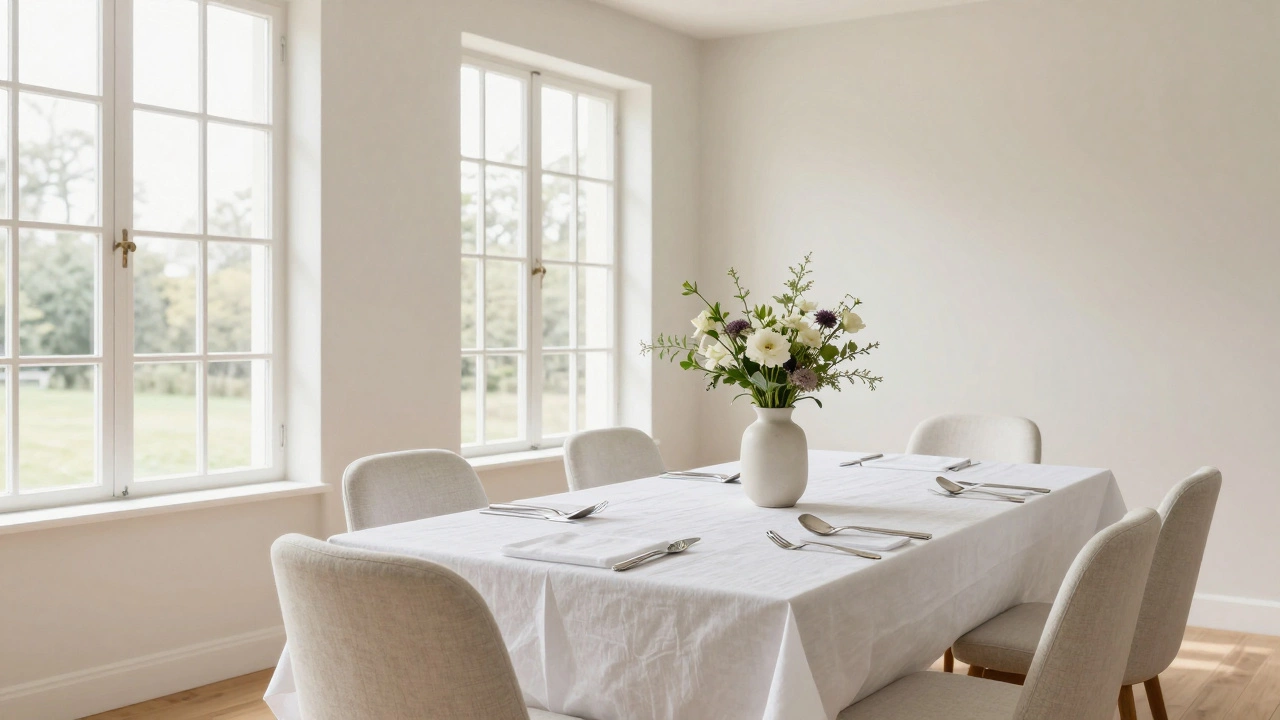
When you picture a perfectly styled room-crisp white linens, fresh flowers in a simple vase, and furniture arranged with mathematical precision-you might think of Martha Stewart, the queen of domesticity. But here is the question that trips up many people: does she actually practice interior design?
The short answer is no. She is not a licensed interior designer in the traditional sense. She doesn’t draw blueprints for structural changes or pull permits for electrical work. However, saying she "doesn't do interior design" misses the massive impact she has had on how we decorate our homes. Instead of being a contractor or an architect, she operates as a home stylist and visual merchandiser who teaches everyday people how to make their spaces look curated and expensive.
The Difference Between Styling and Design
To understand Martha’s role, you have to separate two jobs that often get mixed up: interior design and home styling. This distinction matters if you are trying to fix your own living room.
Interior design involves technical skills. It includes space planning, understanding building codes, selecting materials that meet safety standards, and often working with architects. An interior designer might reconfigure a floor plan to improve traffic flow or specify lighting fixtures that require new wiring.
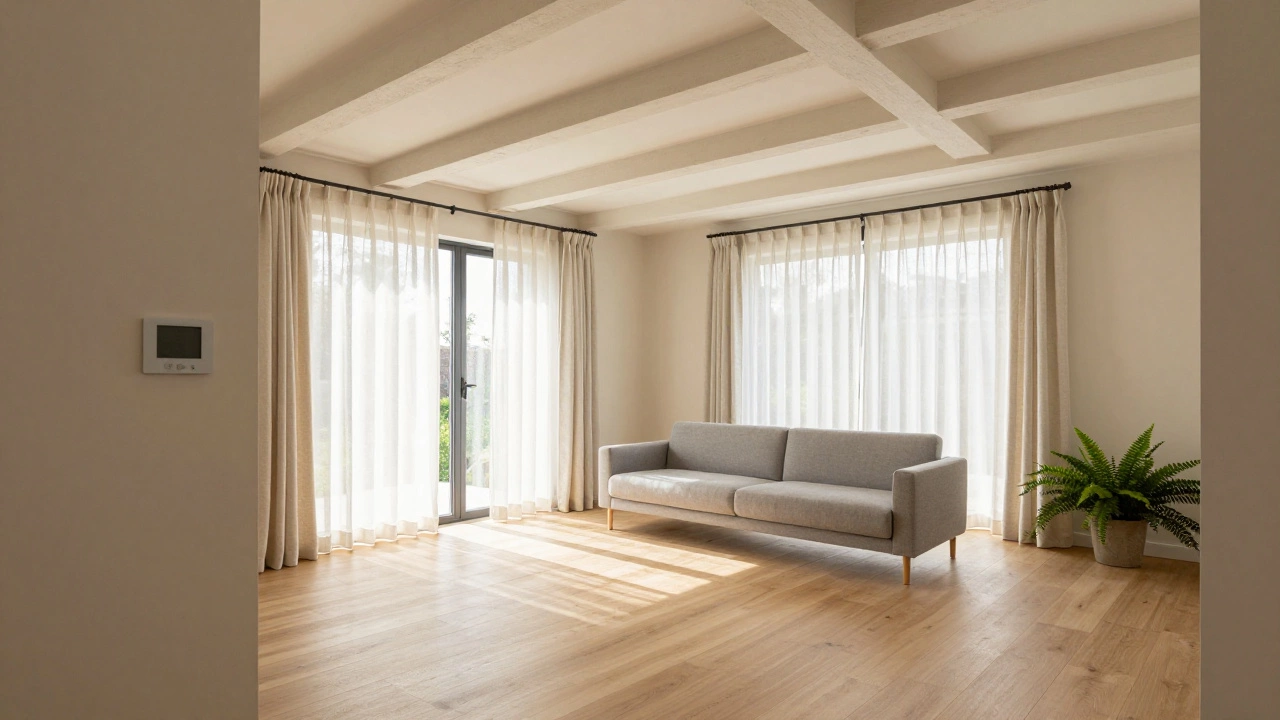
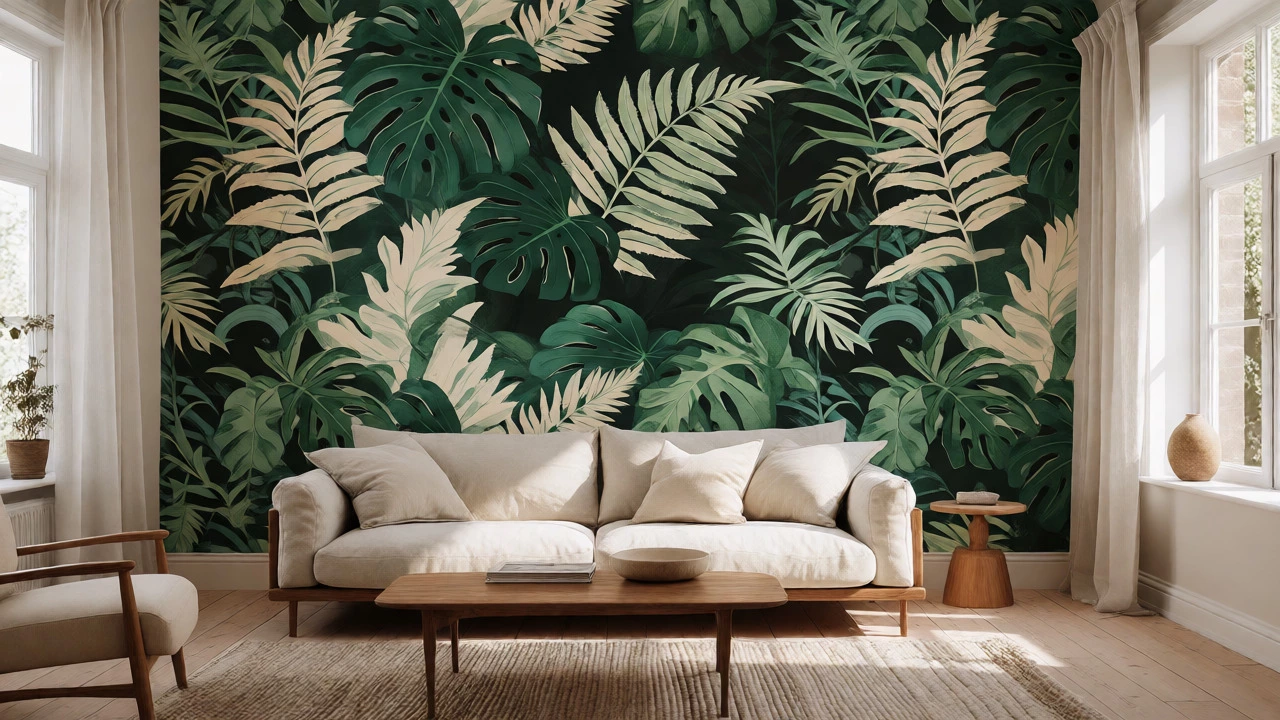
Home styling, on the other hand, is about aesthetics and atmosphere. It’s the layer on top of the hard surfaces. Styling involves choosing throw pillows, arranging books on a shelf, picking out art, and deciding where to place a rug. This is Martha’s domain. She focuses on the "soft" elements that transform a house into a home without touching the walls or the foundation.
| Feature | Interior Design | Home Styling (Martha's Focus) |
|---|---|---|
| Licensing | Often requires certification/license | No formal license required |
| Scope | Structural changes, layout, systems | Decor, accessories, color schemes |
| Key Skills | Technical drawing, code compliance | Aesthetics, trend forecasting, photography |
| Goal | Functionality and safety | Visual appeal and mood |
Her Signature Aesthetic: The "Martha Look"
If Martha doesn't draft blueprints, what does she offer? She offers a specific visual language that has defined modern home interiors for decades. Her style is distinct enough that you can walk into a room and know instantly if it was inspired by her.
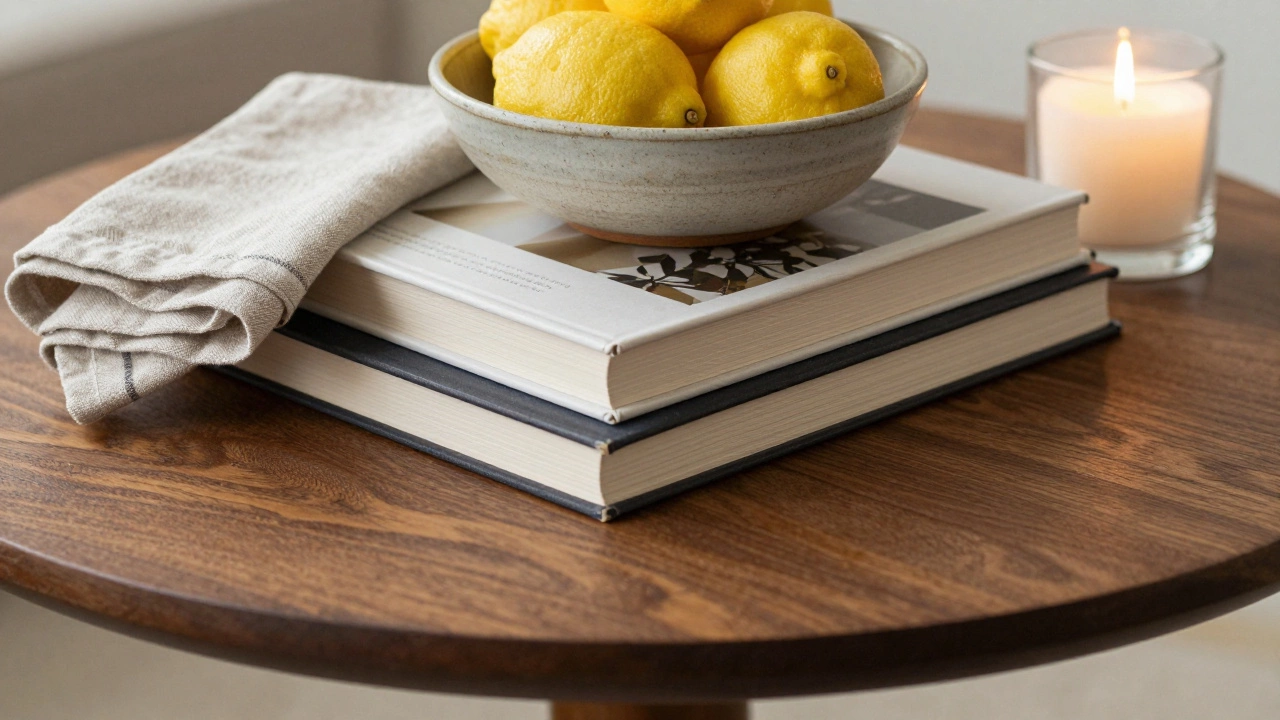
Her aesthetic relies heavily on symmetry, cleanliness, and seasonal relevance. Think of her famous kitchen tables. They are rarely cluttered. Instead, they feature a single, strong centerpiece-like a bowl of lemons in winter or a basket of berries in summer. This approach makes spaces feel larger and more inviting because the eye has a clear focal point.
She also champions the idea of "layering." You don't just put a tablecloth down; you add a runner, then a placemat, then a napkin folded in a specific way. This technique adds texture and depth to a room without adding bulk. For someone looking to update their home on a budget, this is a powerful tool. You don't need new furniture; you need better arrangement.
The Power of Media and Branding
Martha Stewart didn't become a household name just by decorating her own houses in Connecticut and New York. She built an empire through media. Her television show, Martha Stewart Living, which aired from 1993 to 2005, was essentially a masterclass in home styling.
Unlike traditional design shows that focus on dramatic renovations, her show focused on process. She showed viewers how to fold a fitted sheet, how to arrange a flower bouquet, and how to set a table for dinner. By breaking these tasks down into simple steps, she democratized high-end styling. She made it seem like anyone could achieve a polished look if they followed the rules.
This media presence allowed her to launch product lines that reinforced her aesthetic. When you buy a Martha Stewart-branded pillow or candle, you aren't just buying an object; you are buying a piece of that curated look. This strategy bridges the gap between professional styling and consumer accessibility.
Real-World Examples of Her Style
Let’s look at how her principles apply to real rooms. If you were to walk into Martha’s own homes, such as her estate in Bedford, New York, or her townhouse in Manhattan, you would notice several recurring themes.
- Neutral Palettes: Walls are often painted in soft whites, creams, or light grays. This provides a blank canvas that allows accessories to pop.
- Natural Materials: Wood, linen, cotton, and glass are preferred over plastic or synthetic fabrics. These materials age gracefully and feel tactile.
- Seasonal Rotation: Decorations change with the seasons. Heavy wool throws in winter are swapped for light linen cushions in summer. This keeps the home feeling fresh and relevant.
- Orderly Storage: Clutter is the enemy. Every item has a designated place. Open shelving is used, but only when the items displayed are visually pleasing.
These choices are not accidental. They are part of a cohesive system that prioritizes calm and order. In a world that feels chaotic, her interiors offer a sense of control and peace.
How to Apply Her Tips Today
You don't need to hire a celebrity to get results. You can adopt Martha’s styling techniques in your own home right now. Here are three actionable steps based on her philosophy.
- Edit Ruthlessly: Before you add anything new, remove things that don't serve a purpose or look beautiful. Clear off your countertops. Remove broken items. Less is almost always more.
- Create Focal Points: In every room, choose one area to highlight. It could be a fireplace, a window, or a dining table. Arrange objects around this focal point using odd numbers (three or five) for visual interest.
- Incorporate Nature: Bring the outside in. Fresh flowers, potted plants, or even a bowl of fruit can brighten a room instantly. Rotate these items regularly to keep them looking vibrant.
By focusing on these small details, you can achieve a polished look that rivals professional magazines. The key is consistency. Pick a style and stick to it across all rooms.

Common Misconceptions About Her Work
Many people assume that because Martha is wealthy, her advice is only applicable to large estates. This is a common misconception. While her homes are indeed spacious, the principles she teaches are scalable.
For example, her advice on folding towels or organizing a pantry applies equally to a small apartment in Melbourne as it does to a mansion in New York. The goal is efficiency and beauty, both of which benefit from organization regardless of square footage.
Another myth is that her style is outdated. Critics sometimes label her aesthetic as "traditional" or "stiff." However, her core principles-clean lines, natural light, and quality materials-are timeless. Modern trends come and go, but a well-organized, neutral-based space never goes out of style.
The Evolution of Her Influence
Over the years, Martha’s influence has shifted. In the early 2000s, she was seen as the ultimate authority on perfection. Today, there is a greater appreciation for imperfection and personal expression in design. Styles like "maximalism" or "eclectic" challenge her minimalist approach.
However, her foundational lessons remain relevant. Even in trendy, eclectic spaces, the basics of good styling-balance, proportion, and color harmony-are still derived from the principles she popularized. She taught a generation of homeowners to pay attention to detail, and that habit persists.
Furthermore, her brand continues to adapt. Recent collaborations and digital content show a willingness to embrace newer trends while maintaining her signature polish. This adaptability ensures her relevance in the ever-changing world of home decor.
Final Thoughts on Her Legacy
So, does Martha Stewart do interior design? Technically, no. She doesn't hold the license or perform the technical work. But functionally, yes. She has shaped the way millions of people view and interact with their living spaces. She turned home styling into a mainstream hobby and a viable business model.
Whether you love her strict aesthetic or prefer a more relaxed vibe, her impact is undeniable. She proved that a beautiful home isn't about spending thousands on custom furniture; it's about paying attention to the small things. And that is a lesson worth taking to heart.
Is Martha Stewart a licensed interior designer?
No, Martha Stewart is not a licensed interior designer. She does not have formal training in architecture or engineering, nor does she handle structural renovations. Her expertise lies in home styling, decor, and visual merchandising.
What is the difference between Martha's style and modern interior design?
Modern interior design often focuses on open plans, minimalism, and functional technology integration. Martha's style is more traditional and decorative, emphasizing symmetry, seasonal accents, and layered textures. While modern design might leave surfaces bare, Martha's approach fills them with curated objects.
Can I use Martha Stewart's tips for a small apartment?
Absolutely. Many of her tips, such as decluttering, using vertical storage, and choosing multi-functional furniture, are especially useful for small spaces. Her emphasis on light colors and mirrors can also make a small room feel larger.
Where can I find Martha Stewart's current design advice?
You can find her latest advice on her website, MarthaStewart.com, which features articles, videos, and product recommendations. She also maintains a strong presence on social media platforms like Instagram and Pinterest, where she shares daily styling tips.
Did Martha Stewart design her own homes?
Yes, Martha has been heavily involved in the design and renovation of her various properties, including her homes in New York, Connecticut, and Maine. While she collaborates with professionals for structural work, she oversees the aesthetic direction, furniture selection, and decor.