Future Wall Simulator & Cost Estimator
Configure Your Future Room
Visual Preview
Standard Vinyl
Traditional PVC-based wallpaper. Durable but non-sustainable.
It sounds like science fiction, but the walls in your home might soon be alive. By 2030, the concept of static decoration is dead. We are moving away from paper that just sits there and toward surfaces that breathe, change color, and even generate power. If you have ever peeled off a peel-and-stick pattern because it felt dated after six months, you know the pain of fast fashion decor. The prediction for wallpaper trends 2030 isn't just about prettier patterns; it is about functionality, sustainability, and technology merging into one seamless experience.
We are standing at a crossroads where interior design meets engineering. The materials we use on our walls will dictate how energy-efficient our homes are, how they look in different lighting, and how they impact our mental health. This isn't a guess based on last season's colors. It is a projection based on current technological breakthroughs in nanotechnology, bio-fabrication, and renewable energy integration. Let’s break down what your walls will actually look like and do in four years.
The Rise of Smart Surfaces
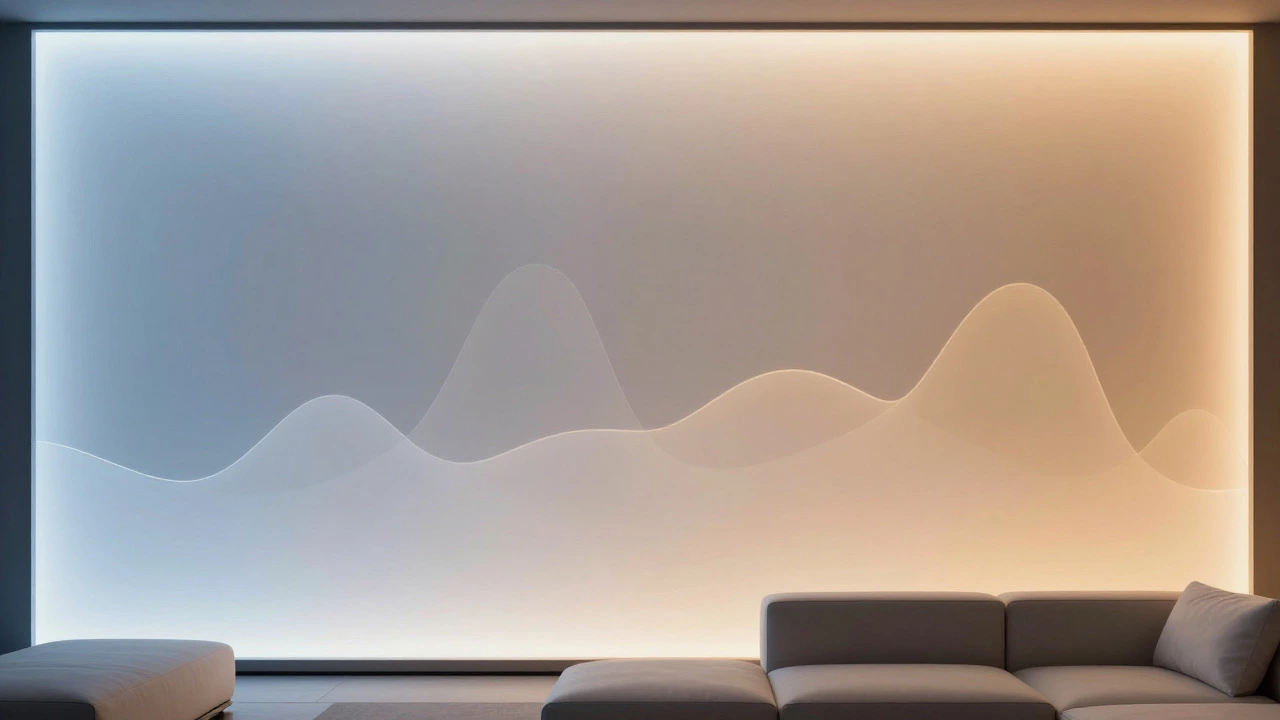
The biggest shift by 2030 is the disappearance of the line between furniture and electronics. Today, we have smart bulbs and voice assistants. By 2030, the wall itself becomes the interface. Imagine walking into a room and the wallpaper subtly shifts its opacity to block out harsh afternoon sun, or changes hue to match your circadian rhythm to help you sleep better at night.
This relies on advancements in Electrochromic Glass is a type of smart glass that changes transparency when an electric voltage is applied. Currently used in airplane windows and high-end skyscrapers, this technology is becoming thin enough and cheap enough to be integrated into flexible wall coverings. You won’t need heavy curtains anymore. Your living room wall can go from transparent to opaque with a simple app command or automated sensor.
Furthermore, E-Ink Technology is an electronic display technology that mimics the appearance of ordinary ink on paper, which powers Kindle readers, is finding its way into decorative applications. Unlike LED screens that drain batteries and emit blue light, E-ink wallpaper requires zero power to maintain an image. You could print a new mural on your dining room wall every week without changing a single physical layer. The trend here is "dynamic decor." Static images are out; adaptable environments are in.
- Energy Efficiency: Walls that adjust insulation properties based on external temperature.
- Light Control: Electrochromic layers that reduce glare without blocking views.
- Aesthetic Flexibility: Digital printing capabilities that allow instant pattern changes.
Sustainability and Bio-Fabricated Materials
If technology is the brain of the 2030 trend, biology is the body. The environmental cost of traditional vinyl wallpapers-often made from PVC and difficult to recycle-is no longer acceptable. Consumers in 2030 demand materials that are not just "less bad" but actively good for the planet.
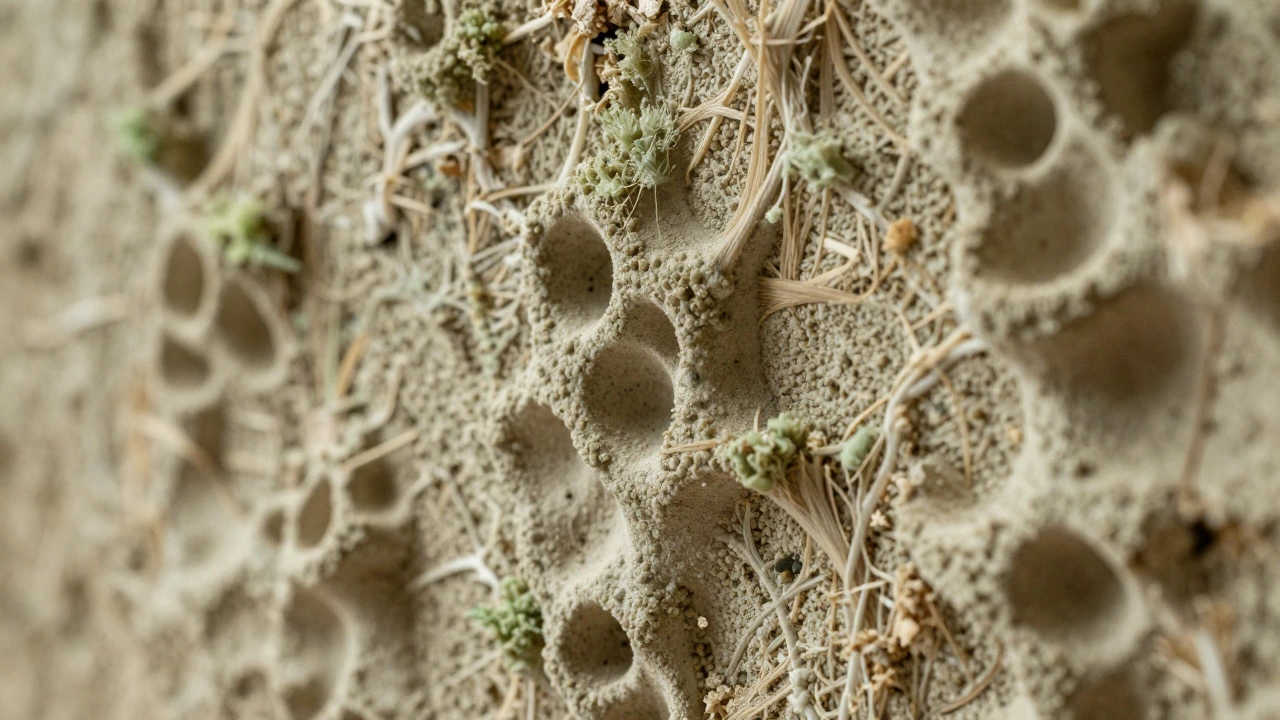
We are seeing the rise of Mycelium Composites is materials grown from fungal root structures. Mycelium is strong, fire-resistant, and fully compostable. Imagine a textured wall panel that was grown in a lab rather than manufactured in a factory. These materials can be molded into intricate 3D patterns that provide acoustic dampening, solving the noise pollution problem in modern open-plan homes.
Another major player is algae-based bioplastics. Algae grows rapidly and absorbs carbon dioxide. Companies are already experimenting with harvesting algae to create durable, flexible films for wall coverings. These wallpapers can literally clean the air in your home by continuing to process CO2 at a microscopic level, although the effect per square meter is small, it adds up over time. This ties directly into the broader movement of regenerative design, where buildings give back more resources than they consume.
| Feature | Traditional Vinyl/PVC | 2030 Bio-Materials (Mycelium/Algae) |
|---|---|---|
| Carbon Footprint | High (petroleum-based) | Low/Negative (carbon-sequestering) |
| End-of-Life Disposal | Landfill (non-biodegradable) | Compostable/Home-compostable |
| VOC Emissions | Often high off-gassing | Negligible to none |
| Durability | High (scratch resistant) | Moderate (requires protective coating) |
| Acoustic Properties | Poor (reflects sound) | Excellent (sound absorption) |
Tactile Textures and Sensory Design
In a world dominated by flat screens and virtual reality, humans crave physical touch. This psychological reaction drives the trend toward highly tactile surfaces. By 2030, smooth, glossy finishes will feel sterile and cold. Instead, we expect a surge in 3D-printed textures and woven natural fibers that invite interaction.
Think of walls that feel like linen, cork, or even soft moss. Cork Panels is wall covering made from the bark of cork oak trees has been around for decades, but new processing techniques make it thinner, more flexible, and available in vibrant colors. Cork is naturally antimicrobial and hypoallergenic, making it perfect for bedrooms and nurseries.
The aesthetic is moving towards "organic modernism." Clean lines paired with rough, natural textures. A white wall is boring; a white wall with a subtle, hand-woven texture that catches the light differently throughout the day is captivating. This approach reduces visual clutter while adding depth. It’s about creating a sanctuary that feels grounded and real, counteracting the digital overload we face daily.
Biophilic Integration: Living Walls Evolved
Biophilic design-the connection between humans and nature-is not new, but the execution is evolving. In the past, living walls were expensive, high-maintenance installations requiring complex irrigation systems. By 2030, "living wallpaper" will be self-sustaining and accessible to the average homeowner.
New hydroponic membranes allow plants to grow directly on thin, water-retaining sheets that adhere to walls. These systems use capillary action to distribute nutrients, eliminating the need for pumps. Imagine a bedroom accent wall covered in air-purifying ferns or succulents that require watering only once a month. This isn't just decoration; it’s active air filtration.
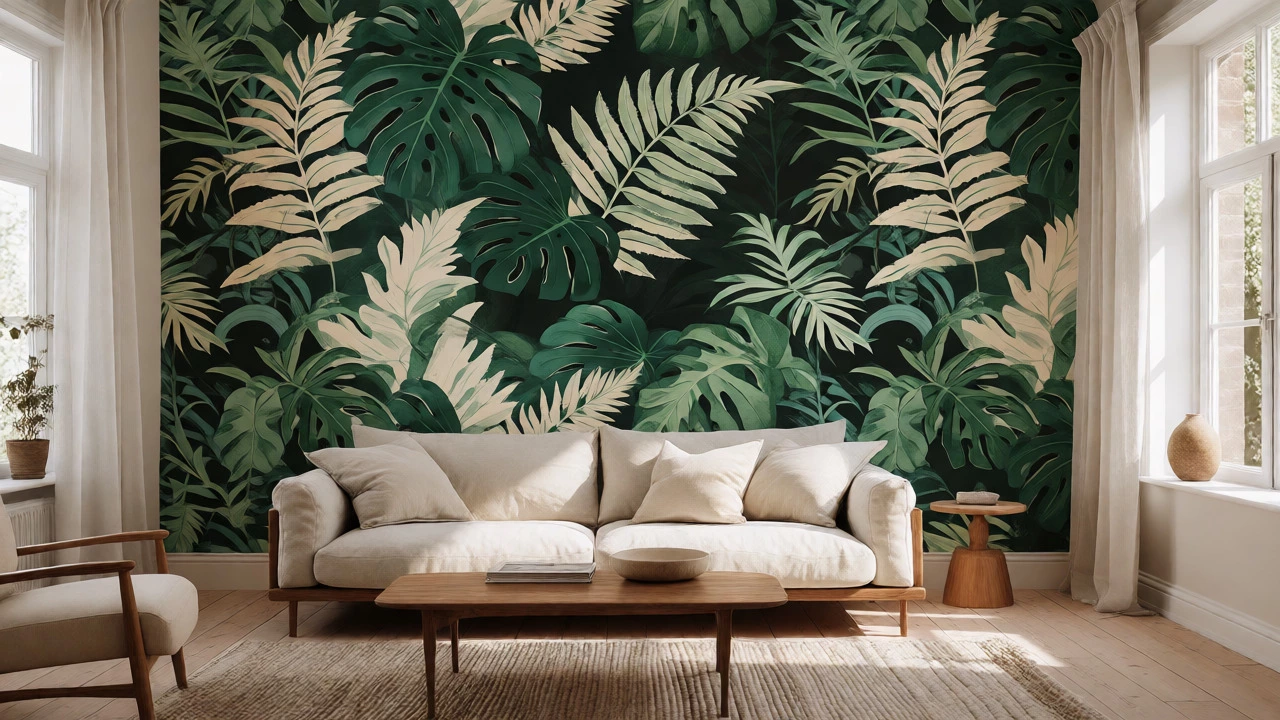
Additionally, printed botanical motifs are becoming hyper-realistic thanks to advancements in digital printing resolution. However, the trend favors authenticity. If it looks like a plant but isn't, it must serve another purpose, such as being made from recycled ocean plastics. The message is clear: if you bring nature indoors, make it count either through actual biology or meaningful material reuse.
Personalization Through AI and AR
How do you choose a wallpaper that lasts ten years? You don't guess. By 2030, Augmented Reality (AR) and Artificial Intelligence (AI) will remove the risk from purchasing wall coverings. You will scan your room with your phone, and an AI will analyze your lighting, furniture style, and even your personality profile to suggest designs that fit perfectly.
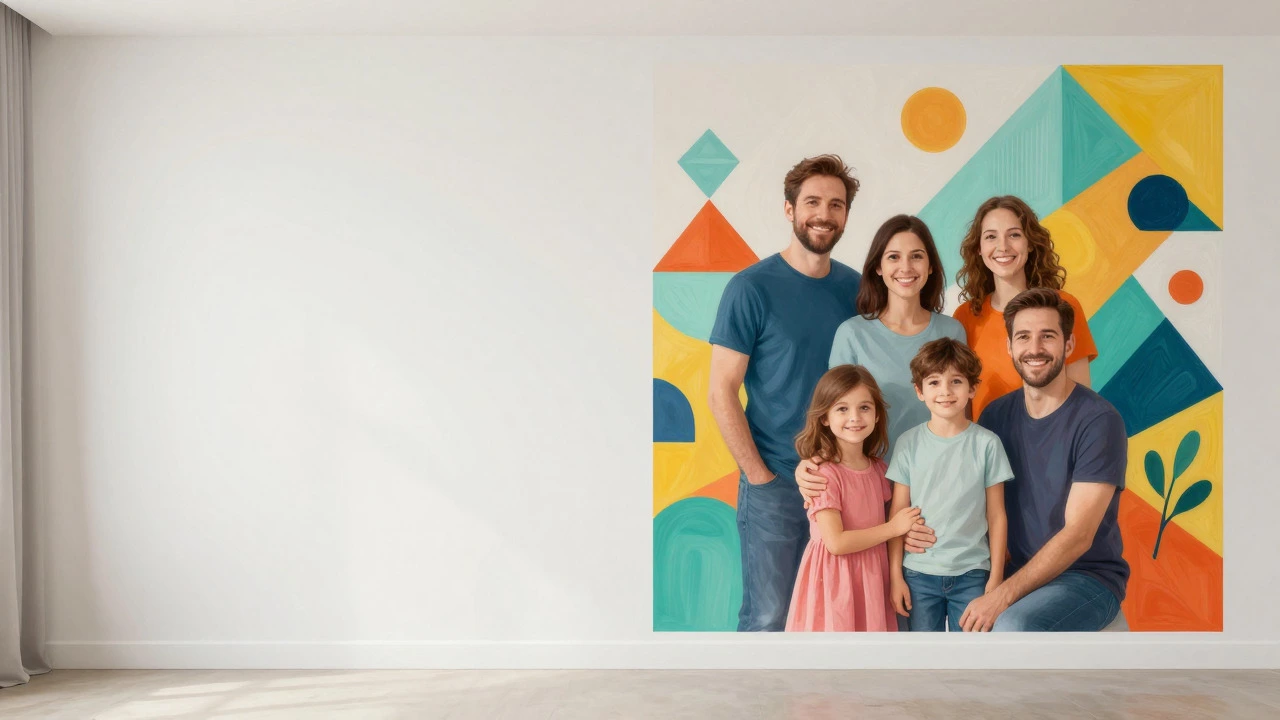
But it goes deeper. Customization will be on-demand. Local micro-factories equipped with large-format printers will produce rolls of wallpaper tailored specifically to your wall dimensions within days. No more wasting material cutting standard-width rolls. This reduces waste significantly and allows for unique, one-of-a-kind patterns that no one else has. You might upload a photo of your family vacation, and the AI transforms it into an abstract geometric pattern suitable for a hallway.
This democratizes high-end design. Previously, custom murals were luxury items costing thousands. With digital printing and local production hubs, personalized art becomes affordable. The barrier to entry drops, allowing for more frequent updates and greater creative freedom.
Challenges and Considerations for 2030
While the future looks exciting, there are hurdles. The primary concern is durability versus repairability. Smart wallpapers with embedded electronics may fail sooner than traditional paper. Who fixes a broken circuit in your wall? Will you replace the whole roll? Manufacturers will need to develop modular systems where damaged sections can be swapped out easily.
Cost is another factor. While prices will drop as technology matures, early adopters in 2030 will pay a premium for bio-fabricated and smart materials. Homeowners need to weigh the initial investment against long-term benefits like energy savings from smart insulation or health benefits from air-purifying materials.
Finally, there is the issue of data privacy. If your walls are connected to the internet to control lighting or display information, they become potential security risks. Ensuring that your smart home ecosystem is secure will be as important as choosing the right pattern.
Preparing Your Home for the Future
You don’t have to wait until 2030 to start thinking about these trends. Here is how you can prepare your space now:
- Invest in Neutral Bases: Choose walls that provide a clean canvas. If you plan to add digital overlays or temporary smart panels later, a neutral background works best.
- Focus on Air Quality: Start incorporating natural materials like cork or wood veneer now to acclimate to tactile surfaces.
- Plan for Modularity: When designing rooms, think in zones. This makes it easier to integrate different technologies or materials in the future without redoing the entire space.
- Research Brands Early: Follow companies innovating in mycelium and electrochromic tech. Early engagement helps you understand pricing trajectories and availability.
The transition to 2030-style interiors is gradual. Start small. Try a single accent wall with a textured bio-material. Experiment with smart lighting that interacts with your existing decor. These steps build familiarity with the concepts and help you refine your taste before the full revolution arrives.
Will smart wallpaper be expensive in 2030?
Initially, yes. Technologies like electrochromic glass and e-ink displays carry higher production costs due to embedded electronics. However, as manufacturing scales up, prices are expected to drop significantly, similar to how LED TVs became affordable over the last two decades. Basic smart features may become comparable in price to high-end traditional wallpapers by the late 2020s.
Are bio-fabricated wallpapers durable?
Mycelium and algae-based materials are surprisingly strong and fire-resistant. However, they can be more susceptible to moisture damage than vinyl. Most 2030 products will include protective nanocoatings to enhance water resistance and scratch protection, making them suitable for most residential areas except perhaps high-humidity bathrooms unless specifically rated for it.
Can I install smart wallpaper myself?
Basic versions designed for DIY will likely use peel-and-stick mechanisms similar to current removable wallpapers. However, advanced systems involving wiring for power or network connectivity may require professional installation to ensure safety and proper integration with your home automation system.
What happens to old wallpaper when switching to new trends?
Sustainability is key. Traditional vinyl often ends up in landfills. Newer bio-materials are compostable. For smart wallpapers, manufacturers are developing take-back programs to recycle the electronic components. Always check the end-of-life disposal instructions before purchasing to minimize environmental impact.
Is living wallpaper hard to maintain?
Next-generation living walls use passive hydroponics, reducing maintenance to occasional watering and pruning. They do not require soil, which means less mess and fewer pests. Compared to traditional potted plants, they are generally easier to manage because the water delivery system is built into the wall structure.