Home Modernization Cost Estimator
Select Your Upgrades
Choose the areas you plan to modernize to get an instant estimate.
Why Estimate?
Modernizing your home doesn't require a full gut job. By selecting specific high-impact areas, you can prioritize phases based on your budget while still achieving a modern, functional living space.
- High Impact: Kitchen & Bathroom
- Easy Win: Lighting & Decluttering
- Long Term Value: Sustainability & Tech
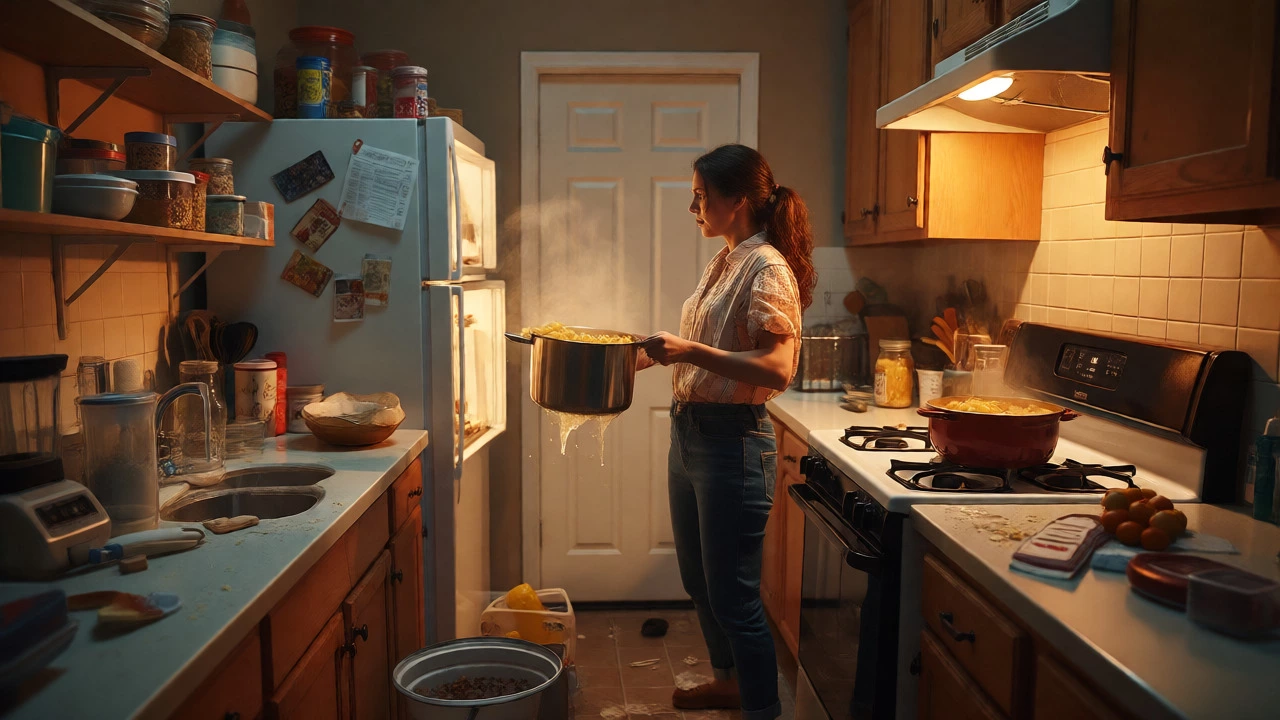
Walking into a house that feels stuck in the past can be exhausting. You know that feeling-the heavy curtains, the dated lighting, the cluttered layout that makes even simple tasks feel like a chore. If you’re looking at your own four walls and wondering how to make them feel fresh again, you aren’t alone. The desire to update our living spaces isn’t just about aesthetics; it’s about functionality, comfort, and staying aligned with how we actually live today.
Modernizing your home doesn’t mean tearing down every wall or spending a fortune on luxury finishes. It means making strategic updates that improve daily life while keeping your budget intact. Whether you’re dealing with an older property or just want to refresh a space that hasn’t seen love in years, the key is focusing on high-impact changes that deliver real value. Let’s look at how you can transform your home into a modern sanctuary without getting overwhelmed.
What does 'modernizing' a home actually mean?
Modernizing a home means updating its features, systems, and design to align with current standards of efficiency, comfort, and style. This includes upgrading outdated appliances, improving energy efficiency, integrating smart technology, and refreshing interior aesthetics with clean lines and functional layouts. It’s less about following trends and more about creating a space that works better for your lifestyle.
Start With the Bones: Layout and Flow
The foundation of any modern home is its layout. Older homes often have closed-off rooms that don’t suit the way we live now. We cook in open kitchens, work from home offices, and entertain in flexible spaces. If your floor plan feels cramped or disjointed, start here.
Consider removing non-load-bearing walls to create an open-concept living area. This simple change can instantly make your home feel larger and brighter. Even if you can’t knock down walls, you can improve flow by replacing bulky furniture with streamlined pieces that allow movement. Think about how people move through your home-where do they get stuck? Where does natural light disappear? Addressing these pain points first gives you the best return on investment.
In Melbourne, many pre-war homes have high ceilings but poor insulation. While you might not change the ceiling height, you can add internal windows or glass doors to bring light into darker rooms. This trick mimics the openness of new builds without the cost of structural demolition.
Lighting: The Silent Upgrade
Bad lighting ruins good design. If your home relies on a single overhead bulb in every room, you’re missing out on one of the easiest ways to modernize. Modern lighting isn’t just about brightness; it’s about layering. You need ambient light for general illumination, task lighting for specific activities like cooking or reading, and accent lighting to highlight architectural features or art.
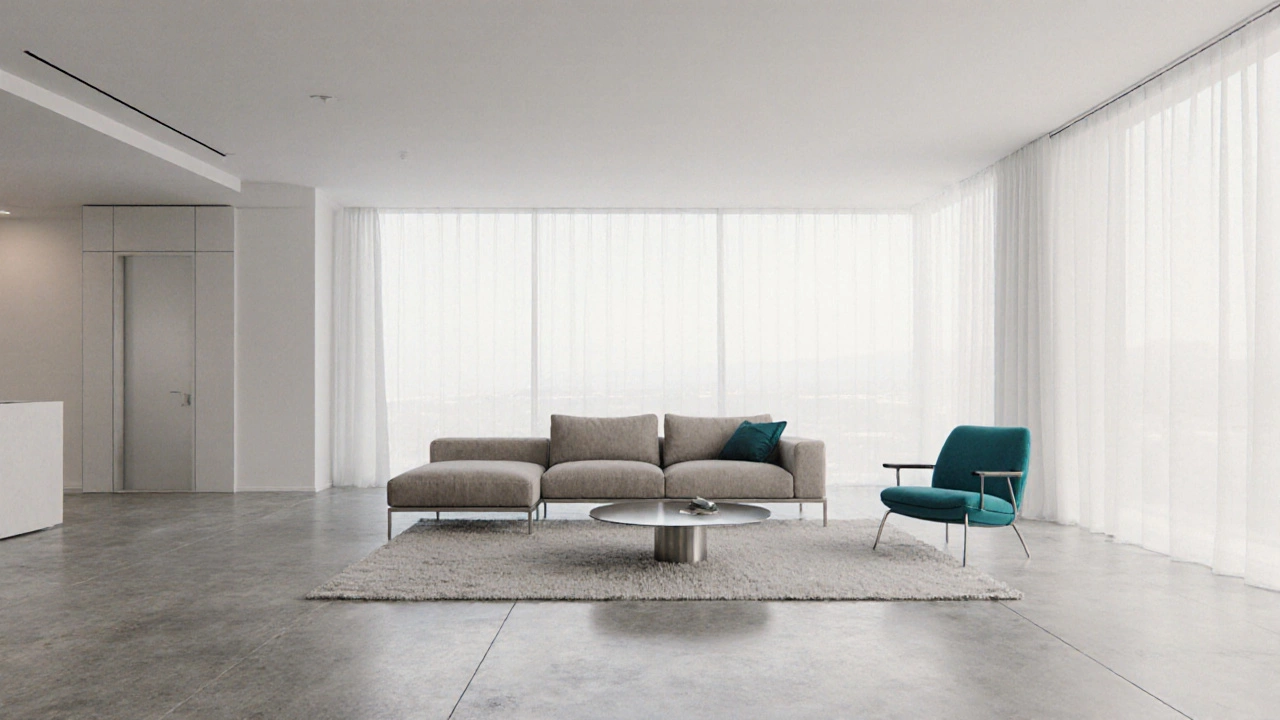
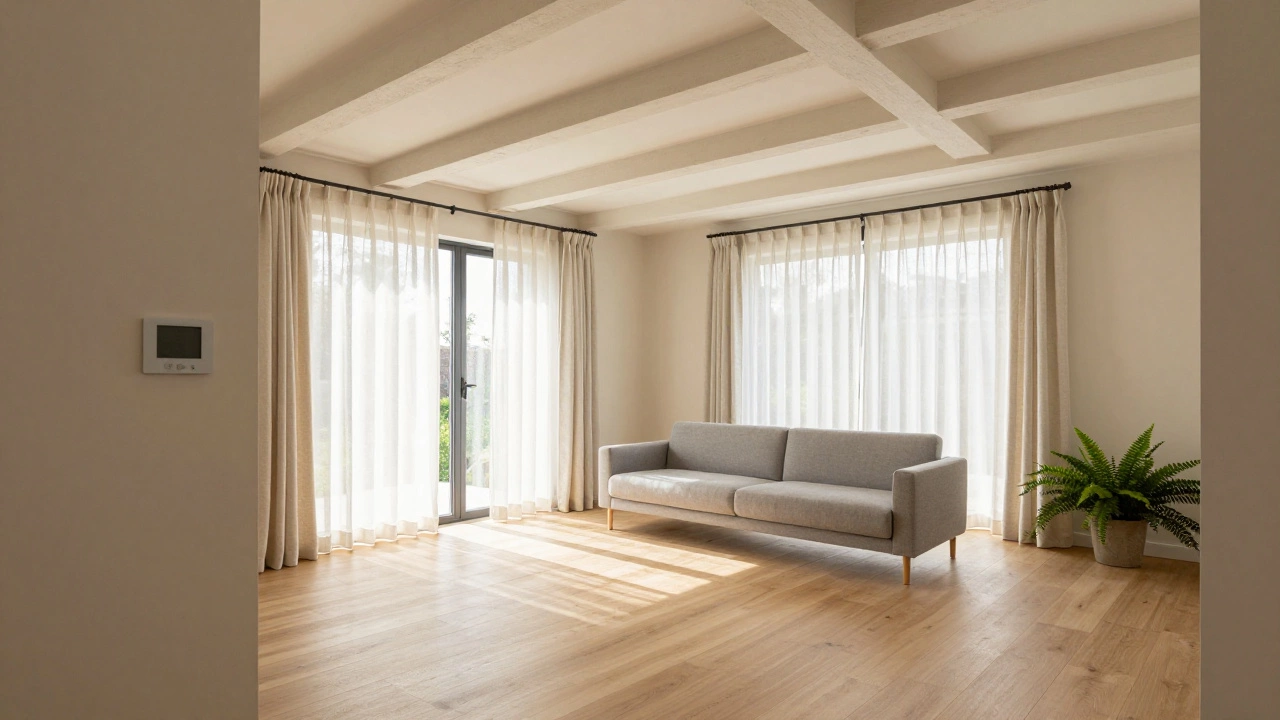
Smart Lighting is a system that allows control of lights via apps, voice commands, or automated schedules. Brands like Philips Hue and LIFX offer bulbs that change color temperature and intensity. This technology reduces energy use and adds convenience.Swap out old fixtures for sleek, minimalist designs. Pendant lights over kitchen islands, recessed spotlights in hallways, and dimmable switches in living areas make a huge difference. Don’t forget outdoor lighting-a well-lit entryway boosts curb appeal and security. In Australia, where sunlight is abundant, maximizing natural light with sheer curtains instead of heavy drapes also helps maintain a bright, airy feel.
Kitchen and Bathroom: The High-Impact Rooms
If you only renovate two rooms, make them the kitchen and bathroom. These spaces see the most daily use and offer the highest resale value boost. But modernization here doesn’t require a full gut job.
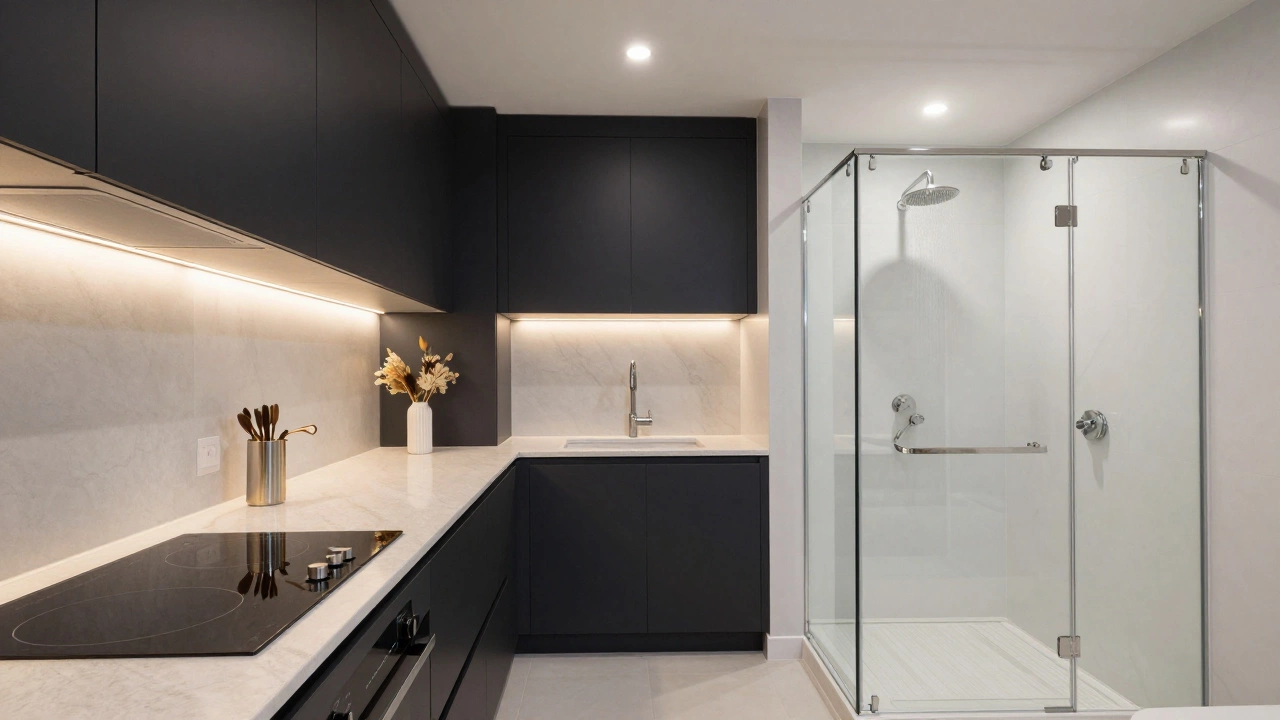
In the kitchen, focus on countertops and cabinetry. Quartz surfaces are durable, low-maintenance, and available in neutral tones that never go out of style. Replace dated cabinet hardware with matte black or brushed nickel pulls-they’re cheap but transformative. Add under-cabinet lighting to brighten workspaces. For appliances, prioritize energy-efficient models. Induction cooktops heat faster and safer than gas, while built-in microwaves save counter space.
Bathrooms benefit from similar upgrades. Swap tiled showers for frameless glass enclosures to create a sense of space. Install rain showerheads and touchless faucets for a spa-like experience. Update vanity mirrors with LED backlighting-it’s flattering and functional. If plumbing is outdated, fix it early; hidden leaks cause expensive damage later.
| Room | Key Upgrades | Cost Range (AUD) | Impact Level |
|---|---|---|---|
| Kitchen | Quartz countertops, induction cooktop, soft-close cabinets | $8,000 - $15,000 | High |
| Bathroom | Frameless shower, LED mirror, rainfall showerhead | $5,000 - $12,000 | High |
Technology Integration: Smart Without the Hassle
A modern home isn’t complete without thoughtful tech integration. You don’t need robots vacuuming your floors (though they help), but you do need systems that simplify daily routines. Start small: install a smart thermostat like Nest or Ecobee to optimize heating and cooling. These devices learn your schedule and adjust temperatures automatically, saving up to 15% on energy bills.
Add smart locks to your front door for keyless entry and remote access monitoring. Security cameras with motion detection provide peace of mind, especially if you travel often. Voice assistants like Amazon Alexa or Google Home can control lights, music, and even order groceries-but only if you set them up properly. Avoid buying gadgets for their own sake; choose tools that solve actual problems.
In Melbourne’s variable climate, zoning your HVAC system ensures each room stays comfortable without wasting energy. Pair this with smart blinds that close during peak sun hours to reduce cooling loads. Technology should serve you, not complicate your life.
Sustainability: Eco-Friendly Choices That Pay Off
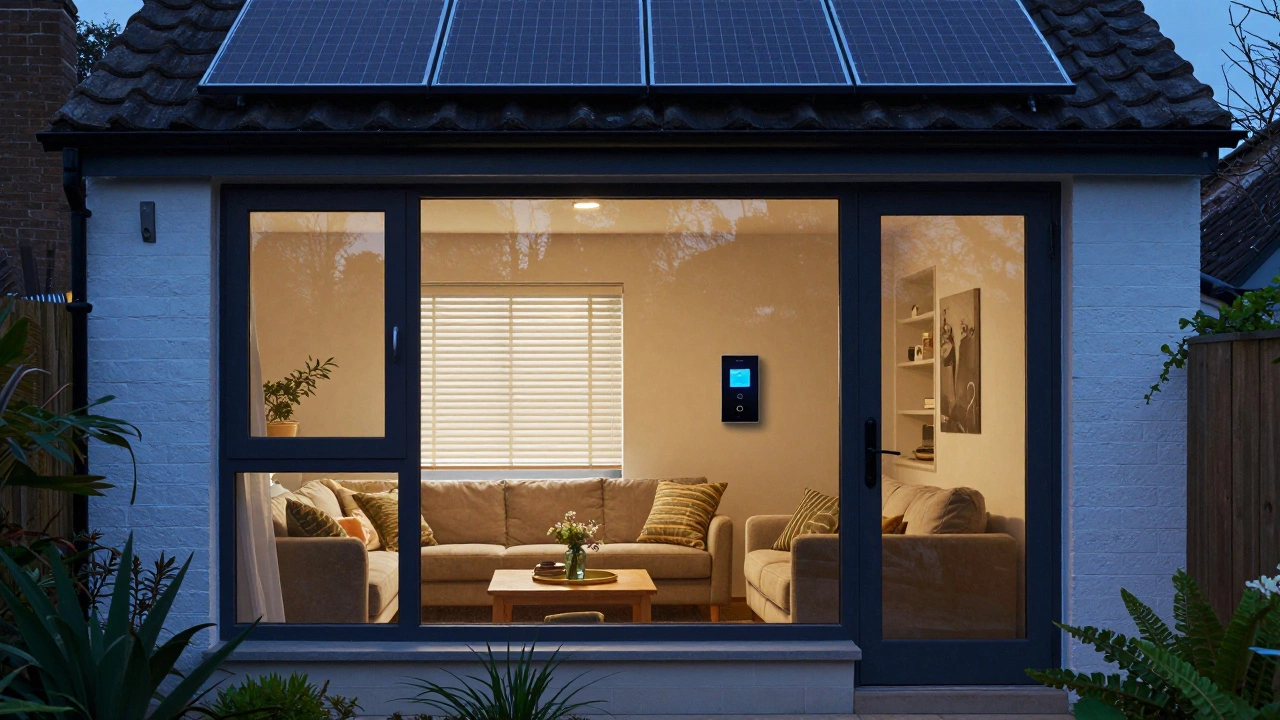
Modern homes are green homes. Sustainability isn’t just ethical-it’s economical. Solar panels, once a niche addition, are now standard in Australian renovations. With feed-in tariffs still available in Victoria, installing rooftop solar can offset electricity costs significantly. Combine this with battery storage like Tesla Powerwall to store excess energy for nighttime use.
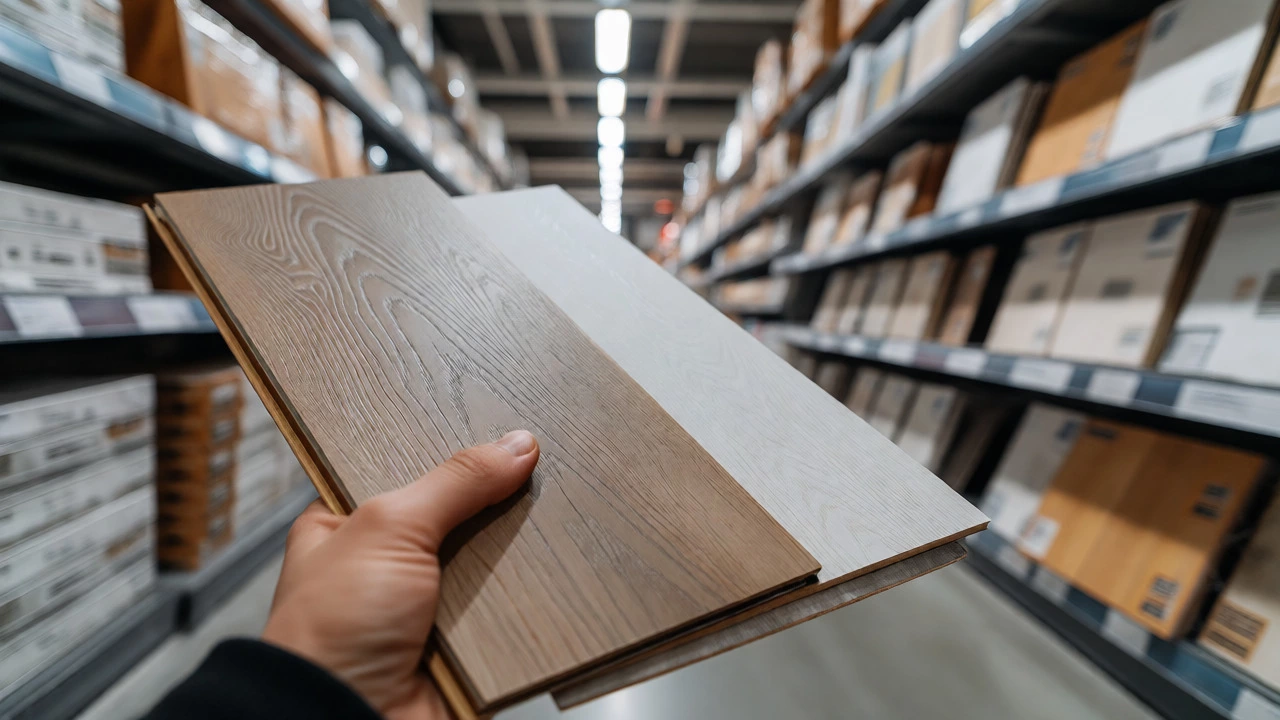
Water conservation matters too. Install dual-flush toilets, low-flow showerheads, and rainwater tanks for garden irrigation. Native plants require less water and maintenance than exotic species, reducing both resource use and landscaping bills. Choose materials responsibly: bamboo flooring grows quickly and regenerates, while recycled glass tiles add unique texture without environmental harm.
Energy-efficient windows with double glazing keep heat in during winter and out during summer. They may cost more upfront but pay back within five years through reduced utility bills. Look for Green Star certification when selecting products-it guarantees verified performance metrics.
Minimalist Aesthetics: Less Clutter, More Calm
Modern design leans toward minimalism-not emptiness, but intentionality. Every object has a purpose. Declutter aggressively before decorating. Donate items you haven’t used in six months. Store seasonal decor in labeled bins rather than leaving boxes scattered around closets.
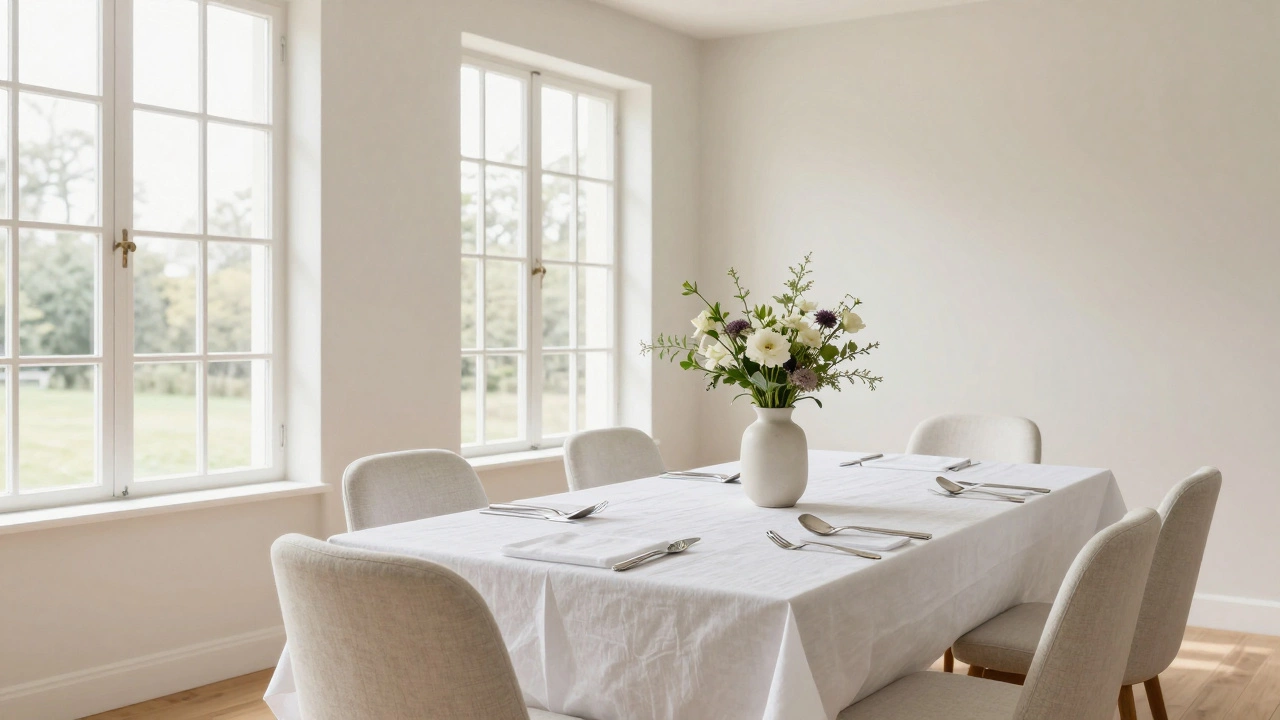
Choose neutral color palettes as your base. Whites, grays, and beiges create calm backgrounds that let artwork and textiles pop. Accent colors come through cushions, rugs, or vases-easy to swap out as seasons change. Furniture should be multifunctional: ottomans with storage, sofa beds for guests, fold-down desks for remote work.
Vertical space is underutilized in many homes. Install floating shelves above sofas or beds to display books or plants without occupying floor space. Mirrors amplify light and reflect views, making rooms feel bigger. Keep surfaces clear except for essentials-a lamp, a tray, a plant. Simplicity reduces stress and makes cleaning effortless.
Outdoor Living: Extending Your Space
Australian summers demand outdoor usability. Modernize your backyard by adding a covered patio with retractable screens for bug-free dining. Composite decking resists rot and requires no staining, unlike traditional wood. Built-in seating with weather-resistant cushions invites lingering after sunset.
Fire pits or fire bowls extend usable hours into cooler evenings. String lights hung across pergolas create ambiance without harsh glare. Incorporate native shrubs and grasses for low-maintenance beauty. A small herb garden near the kitchen door provides fresh ingredients and visual interest year-round.
If privacy is an issue, tall hedges or slatted fences block neighbors’ views while allowing airflow. Outdoor speakers synced to your phone turn your yard into a concert venue. Remember: your exterior is part of your home’s identity. Treat it with the same care as indoors.
How much does it cost to modernize a home in Australia?
Costs vary widely depending on scope. Minor cosmetic updates (paint, lighting, hardware) range from $2,000-$5,000. Mid-level renovations (kitchen/bathroom refreshes, smart tech installation) run $10,000-$25,000. Full-scale modernizations including structural changes, solar, and premium finishes exceed $50,000. Always get three quotes and prioritize phases based on budget.
Can I modernize my home myself?
Yes, for cosmetic tasks like painting, swapping fixtures, or assembling furniture. However, electrical work, plumbing, and structural modifications require licensed professionals due to safety regulations and insurance requirements. DIY saves money but risks costly mistakes if done incorrectly.
What’s the fastest way to make a room feel modern?
Update lighting and declutter. Replace old bulbs with LED equivalents, add dimmers, and remove unnecessary items from surfaces. Paint walls in neutral tones and hang large mirrors. These steps take hours, not weeks, and dramatically alter perception of space.
Are smart home devices worth the investment?
Absolutely-if chosen strategically. Smart thermostats cut energy bills by 10-15%. Security cameras deter crime and provide remote monitoring. Automated blinds enhance comfort and privacy. Focus on devices that address specific needs rather than collecting gadgets for novelty.
How do I balance modern design with personal style?
Use modern elements as a backdrop. Neutral walls, clean lines, and uncluttered surfaces provide canvas for personal touches. Display cherished photos, collectible art, or handmade ceramics. Mix textures-wood, metal, fabric-to add warmth. Modern doesn’t mean sterile; it means intentional.
Modernizing your home is a journey, not a sprint. Start with what frustrates you most-poor lighting, inefficient appliances, cluttered corners-and tackle those first. Each improvement builds momentum, turning your house into a true reflection of who you are and how you want to live. The goal isn’t perfection; it’s progress. And in 2026, that progress looks smarter, greener, and infinitely more livable.