Kakemono Display Simulator
Installation Data
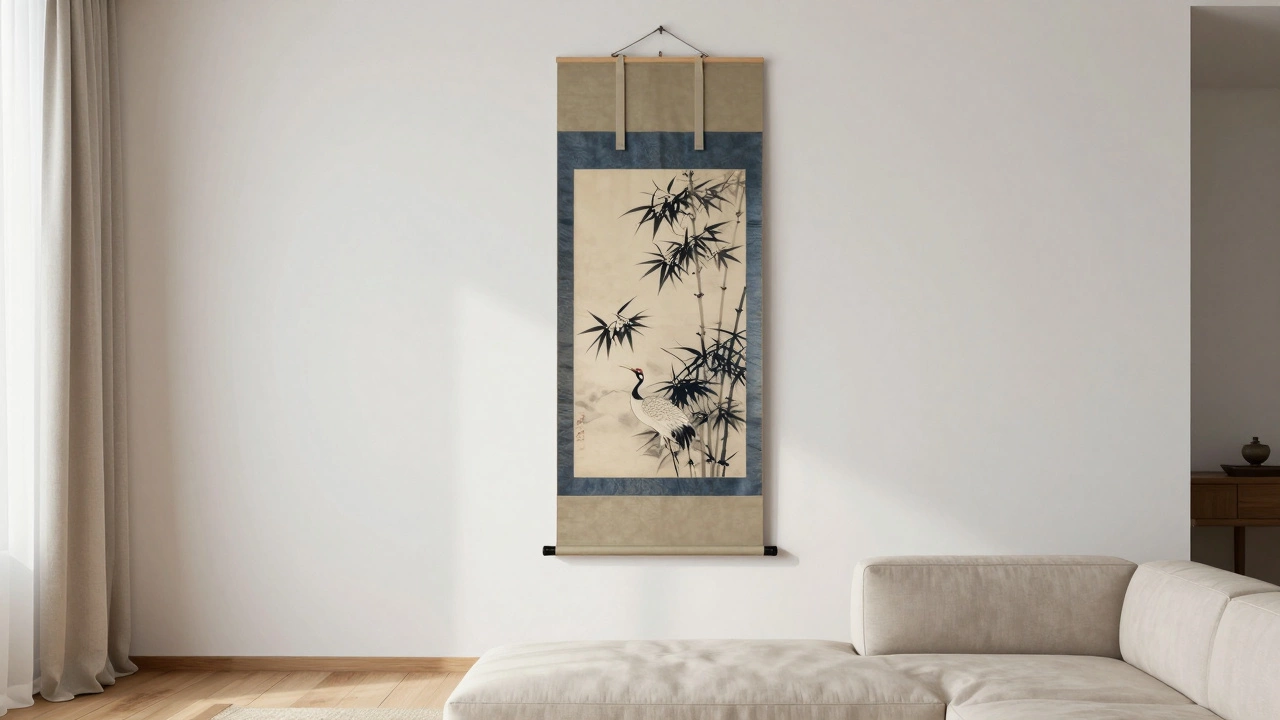
- Center Point: 57 inches from floor (Standard Gallery Height)
- Total Hanging Length: ~52 inches (incl. rods & mounts)
- Top Rod Position: ~81 inches from floor
Styling Recommendation
For a living room, place this above a low-profile sofa. The vertical line draws the eye upward, making ceilings feel higher. Choose neutral tones like indigo or charcoal to blend with modern furniture.
Picture a long, narrow strip of silk or paper hanging vertically on your wall. At first glance, it looks like a simple banner. But as you look closer, you see intricate brushwork, deep cultural symbolism, and a sense of movement that flat canvas paintings rarely capture. This is kakemono, a traditional Japanese hanging scroll designed for temporary display in homes and temples. If you have ever wondered why some Asian-style interiors feel so serene yet dynamic, the answer often lies in these vertical masterpieces.
You might be asking yourself: what exactly makes a kakemono different from a standard framed print? Why do people roll them up instead of leaving them out permanently? And more importantly, how can you incorporate this ancient aesthetic into a modern Melbourne apartment without looking like you’re staging a museum exhibit? Let’s unpack the history, mechanics, and styling secrets of kakemono art so you can decide if it belongs in your space.
The Anatomy of a Hanging Scroll
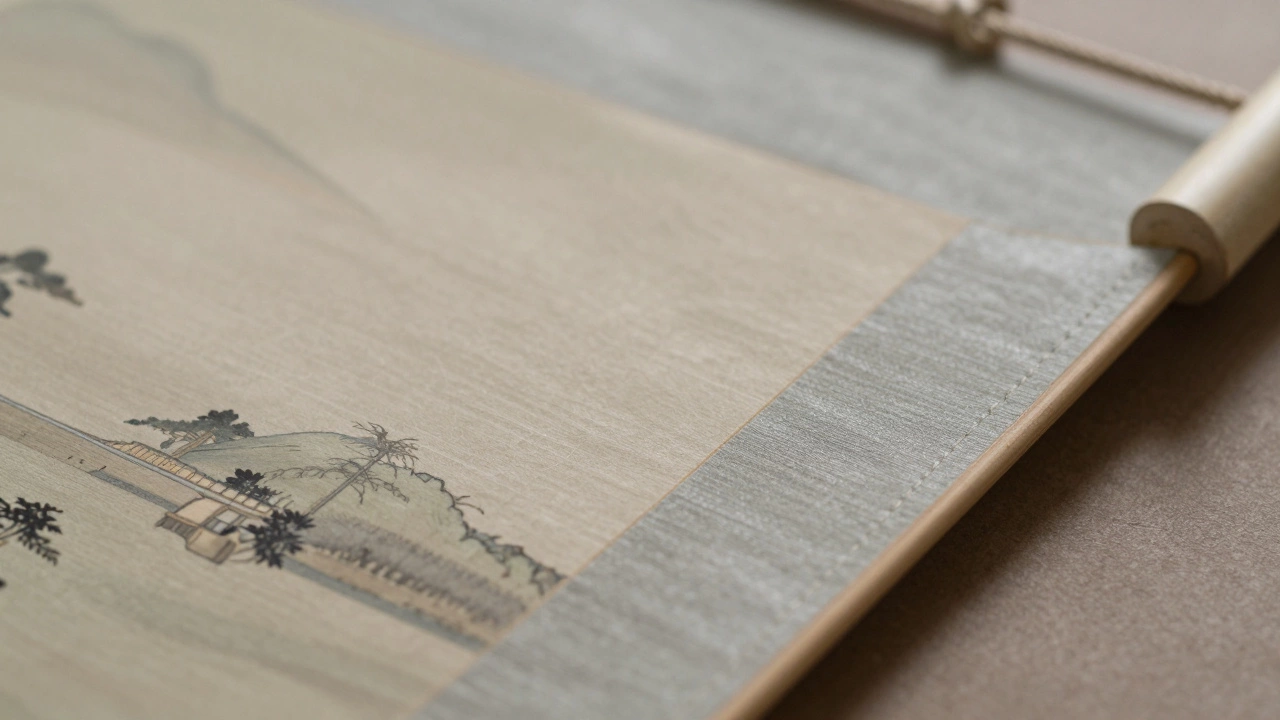
To appreciate kakemono, you have to understand its construction. It isn’t just a picture taped to a stick. A proper kakemono consists of several distinct parts, each serving a specific functional and aesthetic purpose. Think of it as an architectural object rather than just a piece of art.
- The Image (Shina): This is the central artwork itself, usually painted on silk or washi paper. It features landscapes, calligraphy, or religious figures.
- The Mounting (Kakeji): The image is surrounded by layers of fabric borders. These aren't random; they frame the eye and provide breathing room for the composition.
- The Rods: There are two wooden rods. The top rod allows you to hang the scroll, while the bottom rod acts as a weight to keep the fabric taut and straight.
- The Cord: Attached to the top rod, this cord lets you adjust the height and secure the scroll to a hook or dowel.
This structure is deliberate. The heavy bottom rod ensures the scroll hangs perfectly vertical, preventing sagging over time. The mounting fabrics are chosen to complement the colors in the painting, creating a harmonious visual flow. When you buy a kakemono, you are buying a complete system, not just the image.
| Feature | Kakemono (Hanging Scroll) | Framed Canvas | Emakimono (Hand Scroll) |
|---|---|---|---|
| Orientation | Vertical | Horizontal or Vertical | Horizontal |
| Display Duration | Temporary (days/weeks) | Permanent | Temporary (viewed section by section) |
| Storage | Rolled in a tube | Flat storage required | Rolled in a tube |
| Space Efficiency | High (uses vertical empty space) | Medium | Low (requires table/desk) |
History and Cultural Context
Kakemono didn’t start in Japan. They originated in China during the Tang Dynasty (618-907 AD) and were brought to Japan by Buddhist monks and diplomats. In Japan, they evolved into a distinct art form during the Kamakura period (1185-1333). Initially, they were reserved for aristocrats and temple shrines, displaying portraits of Zen masters or sacred Buddhist deities.
By the Edo period (1603-1868), kakemono became accessible to the merchant class. Artists began depicting everyday scenes, poetry, and seasonal motifs. This shift democratized the art form, turning it from a religious relic into a decorative statement. Today, kakemono represents a bridge between spiritual contemplation and interior design. They embody the Japanese concept of wabi-sabi-finding beauty in imperfection and transience.
Why transient? Because traditionally, kakemono are not meant to stay up forever. They are rotated with the seasons. A cherry blossom scroll in spring is replaced by a maple leaf scroll in autumn. This practice keeps the home feeling fresh and aligned with nature’s rhythms. It also protects the delicate silk and paper from fading due to prolonged sunlight exposure.
Kakemono vs. Emakimono: Know the Difference
If you are researching Japanese scrolls, you will likely encounter another term: emakimono. Don’t confuse the two. While both are scrolls, their usage and orientation differ significantly.
Kakemono (kak-eh-mon-o) translates to "hanging scroll." As the name suggests, it hangs vertically on a wall. You view the entire image at once. It is static and meditative.
Emakimono (eh-mah-key-mon-o) translates to "picture scroll." These are horizontal hand scrolls. You unroll them from right to left, revealing the story gradually. Famous examples include *The Tale of Genji* scrolls. You view emakimono on a table or desk, not on a wall. They are narrative and interactive.
For most homeowners looking to add wall art, kakemono is the practical choice. Emakimono requires a dedicated viewing surface and more active engagement. Unless you are collecting historical narratives, stick with kakemono for vertical wall decor.
How to Display Kakemono Correctly
Hanging a kakemono incorrectly can ruin its effect-or worse, damage the artwork. Here is the step-by-step process to ensure your scroll looks professional and stays safe.
- Choose the Right Location: Avoid direct sunlight. UV rays will fade silk and ink rapidly. Also, avoid high-humidity areas like bathrooms, as moisture causes mold on paper mounts.
- Install a Dowel or Hook: Use a sturdy wooden dowel mounted horizontally on the wall, or a single strong hook. The dowel method is preferred because it distributes weight evenly and prevents the cord from slipping.
- Unroll Carefully: Hold the scroll by the bottom rod. Gently unroll it while supporting the top rod. Do not pull the fabric itself.
- Adjust Height: Tie the cord around the dowel or hook. Adjust the knot so the image sits at eye level. The center of the image should be roughly 57 inches (145 cm) from the floor, which is standard gallery height.
- Check Tension: Ensure the bottom rod is hanging freely and not touching the floor. The weight of the rod keeps the scroll taut. If it sags, check for wrinkles in the mounting fabric.
A pro tip: Rotate your scrolls every 3-6 months. This gives the fibers time to rest and prevents permanent creases or color loss. Store rolled scrolls in acid-free tubes, away from heat sources.
Styling Kakemono in Modern Interiors
You don’t need a tatami room to make kakemono work. In fact, the contrast between traditional Japanese aesthetics and modern minimalism creates a striking visual impact. Here is how to style them in contemporary spaces.
In the Living Room: Place a large landscape kakemono above a low-profile sofa. Choose neutral tones like indigo, charcoal, or off-white to blend with modern furniture. The vertical line draws the eye upward, making ceilings feel higher.
In the Bedroom: Opt for smaller, softer subjects like bamboo, cranes, or abstract ink washes. Hang it on a blank wall opposite the bed. The gentle imagery promotes relaxation and sleep quality.
In the Office: Calligraphy scrolls featuring words like "Zen," "Focus," or "Harmony" serve as daily reminders. Hang it near your desk but out of direct line-of-sight to avoid distraction. The subtle presence adds depth without clutter.
Pair kakemono with natural materials. Wood shelves, stone side tables, and linen curtains enhance the organic feel. Avoid pairing them with overly busy patterns or neon lights, which clash with the scroll’s understated elegance.
Buying Guide: What to Look For
The market for kakemono ranges from mass-produced reproductions to original works by living artists. Knowing what to look for helps you avoid cheap imitations that fall apart after a year.
- Material Quality: Authentic kakemono use mulberry paper (washi) or silk for the image area. Synthetic fabrics may look similar initially but lack texture and durability. Check the backing-it should be sturdy cotton or linen.
- Mounting Precision: Examine the borders. High-quality mounts have even stitching and no visible glue stains. The transition between the image and the border should be seamless.
- Artist Signature: Original pieces often bear a seal (inkan) or signature. Reproductions may have printed signatures. If you want authenticity, look for artist credits or certificates of origin.
- Size Matters: Measure your wall space before buying. Standard sizes range from small (12x36 inches) to grand (24x72 inches). A scroll that is too small gets lost; one that is too large overwhelms the room.
Budget-wise, expect to pay $50-$150 for good-quality reproductions and $300+ for original works. Invest in better mounting if you plan to display the scroll long-term. Cheap mounts yellow and crack over time.
Maintenance and Preservation
Kakemono require care. Unlike framed art behind glass, they are exposed to air and dust. Regular maintenance extends their life significantly.
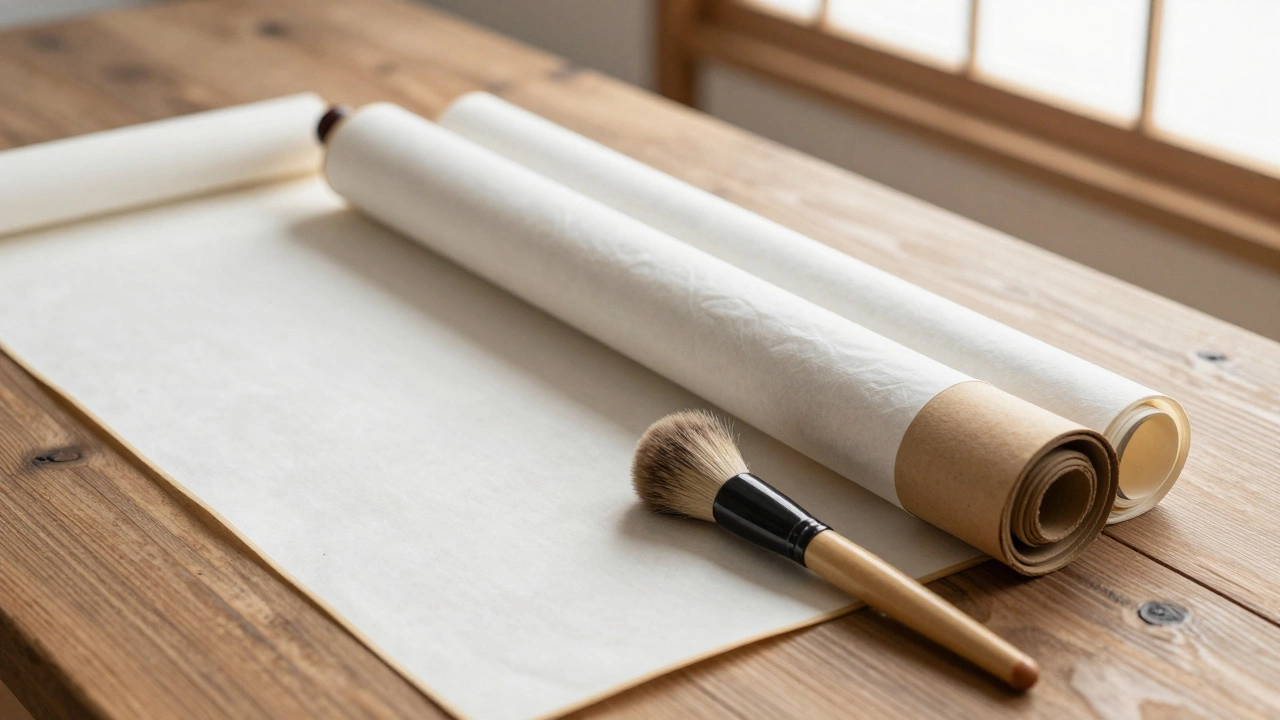
Dusting: Use a soft, dry brush (like a makeup brush) to gently sweep dust off the surface. Never use water or cleaning sprays directly on the silk or paper.
Rolling: When storing, roll the scroll tightly around the inner rod. Wrap it in acid-free tissue paper before placing it in a tube. Store the tube horizontally on a shelf, not vertically, to prevent warping.
Professional Restoration: If your scroll develops tears, mold, or severe fading, consult a conservator specializing in East Asian art. DIY repairs often cause irreversible damage. Professional cleaning and remounting can restore a scroll to near-original condition.
Can I hang a kakemono outdoors?
No. Traditional kakemono are made of silk and paper, which degrade quickly when exposed to rain, wind, and UV light. Only specialized outdoor-rated reproductions should be used outside, and even then, limit exposure time.
How do I clean a dirty kakemono?
Do not use water or chemicals. Gently dust with a soft, dry brush. For deeper stains, consult a professional conservator. Improper cleaning can dissolve ink or weaken the fabric fibers.
What is the best way to store a kakemono?
Roll it tightly around the inner rod, wrap in acid-free tissue paper, and place in a rigid cardboard tube. Store horizontally in a cool, dry place away from direct sunlight and humidity.
Are kakemono expensive to buy?
Prices vary widely. Mass-produced prints cost $50-$150. Original artworks by recognized artists can range from $300 to several thousand dollars. Investment value depends on the artist’s reputation and the piece’s rarity.
Can I frame a kakemono instead of hanging it?
Technically yes, but it defeats the purpose. Framing removes the ability to roll and store the scroll easily. It also alters the intended aesthetic balance of the mounting borders. Keep it as a hanging scroll for authentic experience.