Foundation Crack Repair Method Selector
Select the characteristics of your foundation issue below to get a recommendation.
Polyurethane Injection
Since you have an active leak but no structural bowing, Polyurethane is the ideal choice. It expands upon contact with water to fill voids instantly and remains flexible enough to handle minor settling without breaking the seal.
Crucial First Step
Repairing the crack is only half the battle. To prevent recurrence, ensure gutters extend 1.5m away from the foundation and grade soil to slope away at a 2% gradient.
That hairline crack in your basement wall isn’t just an eyesore. It’s a warning label. Most homeowners ignore small cracks until water starts pooling on the floor or doors begin sticking shut. By then, the problem has moved from cosmetic to critical. The good news? You don’t always need a full foundation replacement. But picking the wrong repair method can waste thousands of dollars and leave your home vulnerable.
The "best" method doesn't exist in a vacuum. It depends entirely on what kind of crack you have, why it formed, and whether it’s still moving. Using rigid epoxy on a settling foundation is like putting a cast on a broken leg that hasn’t finished snapping-it will just break again. This guide breaks down the three primary repair technologies-epoxy injection, polyurethane injection, and carbon fiber reinforcement-so you can match the solution to your specific problem.
Diagnosing the Crack: Width, Pattern, and Movement
Before buying any materials or hiring a contractor, you need to classify the damage. Not all cracks are created equal. A static shrinkage crack behaves differently than a dynamic structural failure. Misdiagnosis is the number one reason repairs fail within two years.
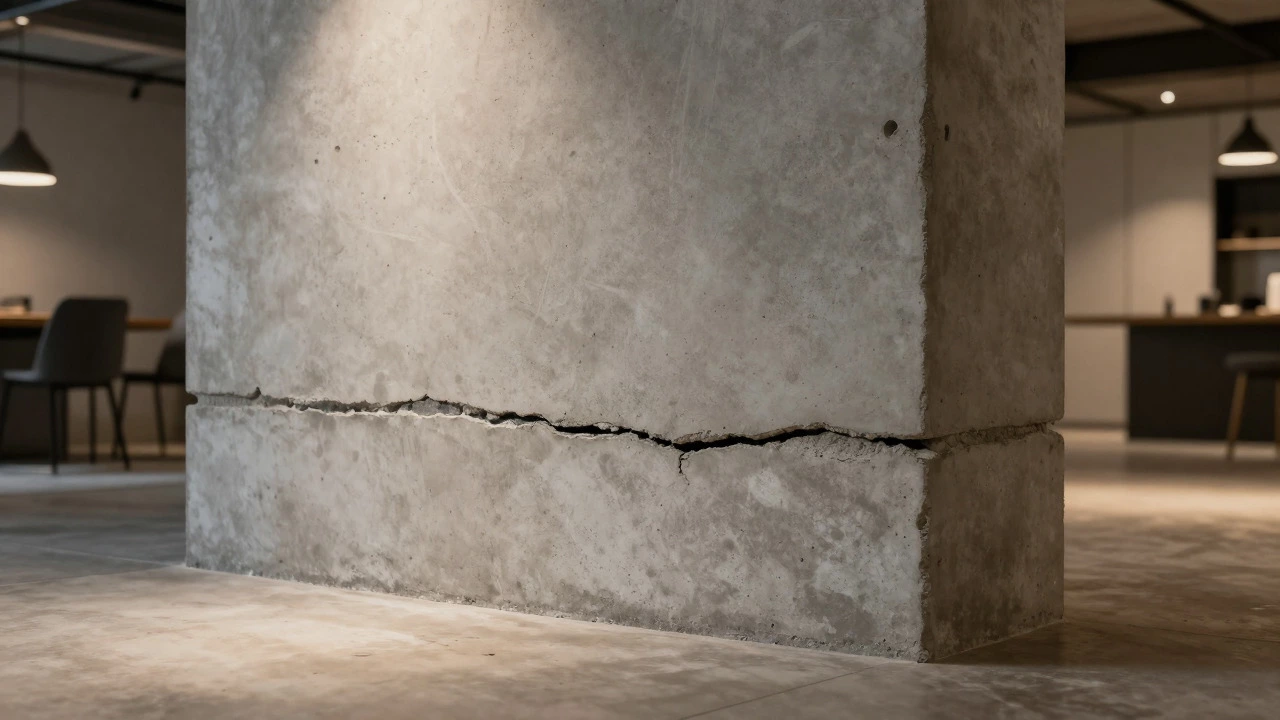
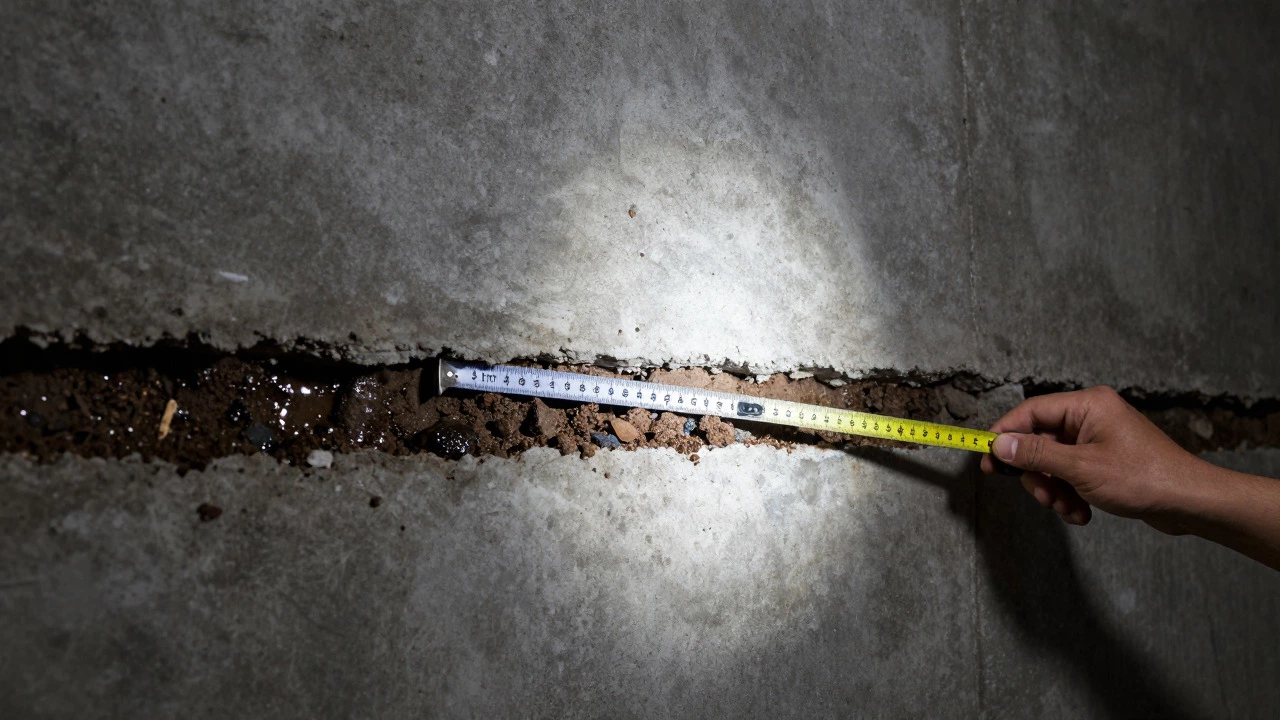
Start by measuring the width. Hairline cracks (less than 1/16 inch) are often superficial. Cracks wider than 1/4 inch usually indicate significant movement. Next, look at the pattern. Vertical cracks in concrete block walls are common and often result from normal curing shrinkage. Horizontal cracks, however, are red flags. They typically signal hydrostatic pressure-the weight of saturated soil pushing against the foundation from the outside. If you see stair-step cracks running along mortar joints in brick or block foundations, you’re likely dealing with differential settlement, where one part of your house sinks faster than another.
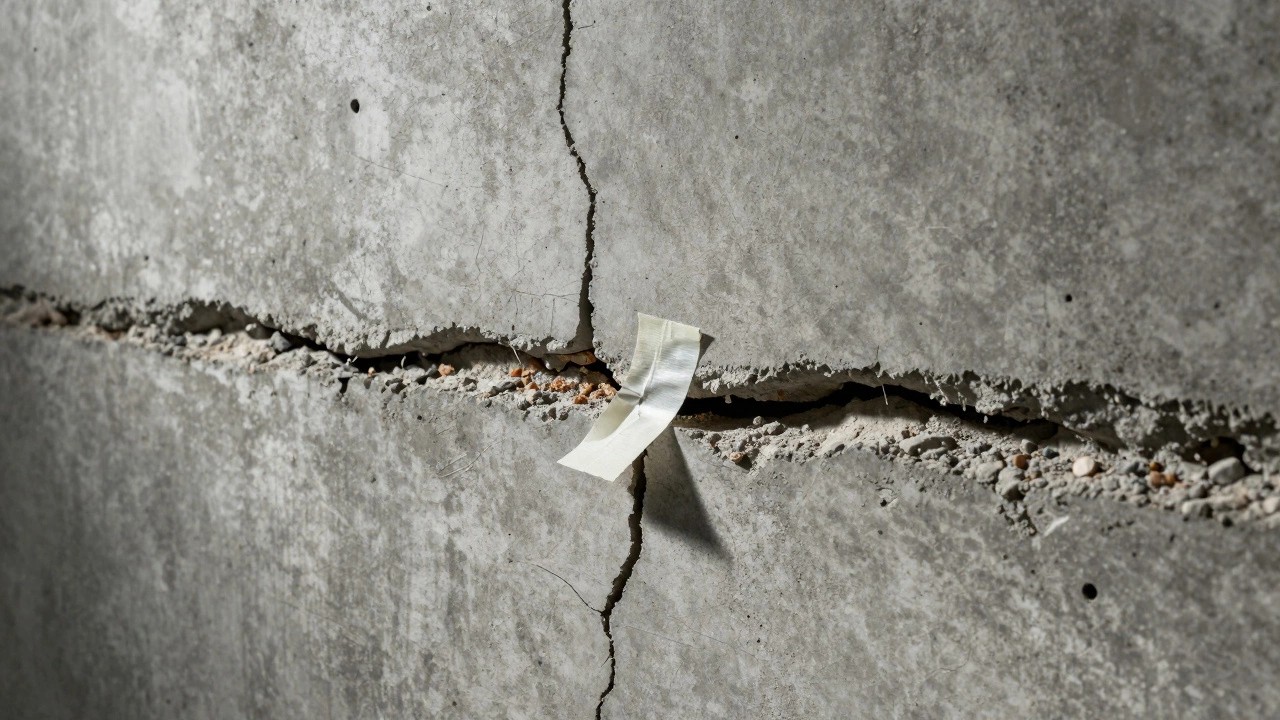
Finally, determine if the crack is active. Place a piece of clear tape across the crack or install a crack monitor gauge. Check it after heavy rain or seasonal changes. If the gap widens or shifts, the foundation is still moving. Active cracks require flexible solutions; static cracks can be sealed with rigid materials.
Epoxy Injection: The Rigid Seal for Static Cracks
Epoxy injection is a high-strength, low-viscosity resin used to bond concrete back together. Think of it as superglue for concrete. When injected into a clean, dry crack, epoxy cures into a material stronger than the original concrete itself. It restores structural integrity and creates a watertight seal, but only if the crack stops moving.
This method is ideal for vertical or slight diagonal cracks in concrete slabs and walls that are no longer shifting. It’s also the go-to choice for repairing cracks caused by construction defects or minor shrinkage during curing. Because epoxy is rigid, it cannot handle flexing. If you inject epoxy into a crack that is still widening due to soil pressure, the bond will shear off, and the leak will return.
The process involves drilling small ports along the crack line every few inches. These ports allow the low-viscosity resin to penetrate deep into the void. Once the crack is filled, the ports are ground flush. The result is a seamless, strong repair that often goes unnoticed visually. For homeowners in Melbourne, where clay soils expand and contract with moisture levels, epoxy is strictly for cracks that have stabilized over at least six months.
Polyurethane Injection: The Flexible Fix for Water Leaks
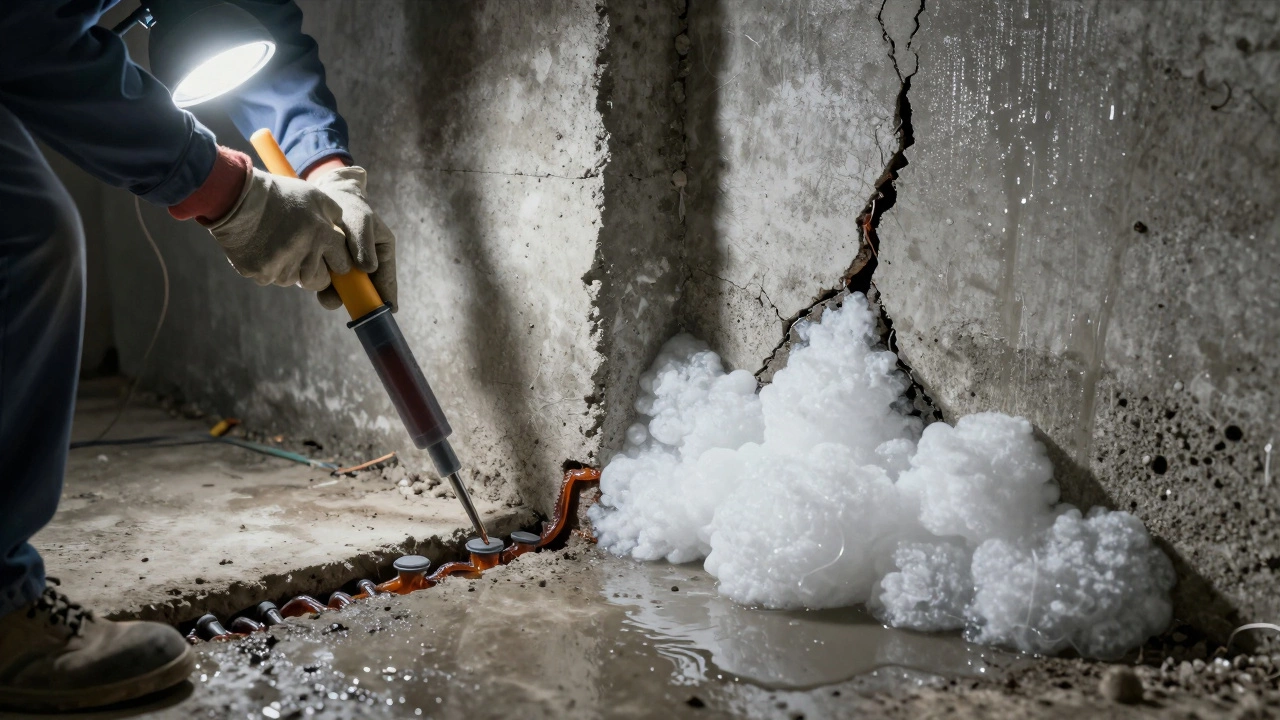
If water is actively leaking through your foundation, Polyurethane injection is a hydrophobic foam that expands upon contact with water to fill voids. Unlike epoxy, polyurethane remains flexible after curing. This elasticity allows it to stretch and compress as the foundation settles or shifts, maintaining the seal even when the structure moves slightly.
Polyurethane is the superior choice for active leaks, especially in areas with high water tables or poor drainage. When the expanding foam hits water, it reacts instantly, growing up to 20 times its original volume. This expansion pushes out standing water and fills every microscopic pore in the crack. The cured foam is lightweight and resistant to rot, making it perfect for long-term waterproofing.
However, polyurethane does not restore structural strength. It seals the leak but doesn’t bond the concrete back together like epoxy does. If you have a wide, gaping hole that compromises the wall’s load-bearing capacity, polyurethane alone won’t cut it. You might need to combine it with other methods. Also, keep in mind that some polyurethane foams can yellow or degrade under direct UV light, so this is strictly for interior or underground applications.
Carbon Fiber Reinforcement: Stopping Structural Movement
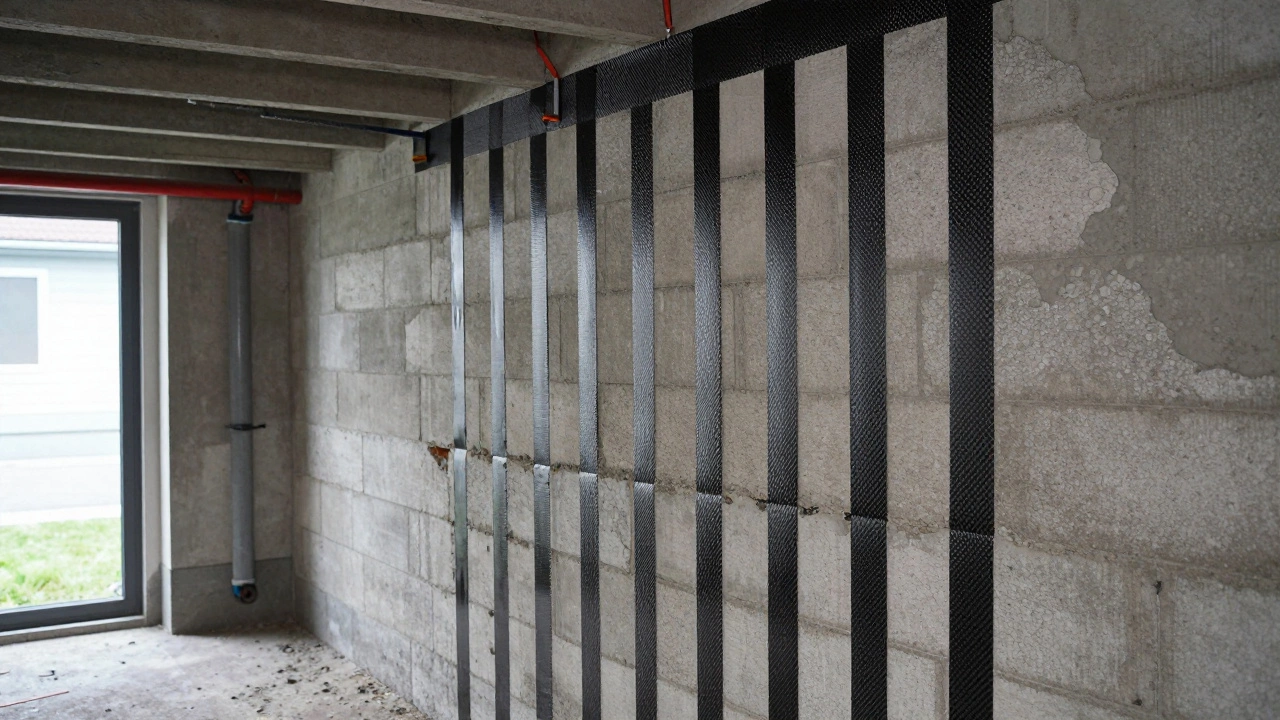
When cracks are accompanied by bowing walls or significant horizontal displacement, sealing the crack is merely a band-aid. You need to stop the movement. Carbon fiber reinforcement is a composite material consisting of thin fibers bonded with epoxy resin to create high-tensile strength strips. These strips are adhered vertically to the face of the foundation wall, acting like steel rebar but without the bulk.
Carbon fiber has tensile strength nearly double that of steel while weighing a fraction as much. Installation is relatively quick: the wall surface is prepared, epoxy adhesive is applied, and the carbon fiber sheets are pressed onto the wall. As the epoxy cures, the system locks the wall in place, preventing further inward bowing. Over time, this stabilizes the structure, which often causes existing cracks to stop widening.
This method is best for basement walls that are leaning or bulging due to lateral soil pressure. It’s less invasive than installing steel I-beams, which require digging trenches around the exterior and lifting the foundation. In Melbourne’s variable climate, where heavy rains can saturate surrounding soil rapidly, carbon fiber provides a robust defense against progressive failure. Note that carbon fiber does not fix the root cause of water intrusion; it should be paired with proper exterior drainage solutions.
Comparing the Top Three Repair Methods
| Feature | Epoxy Injection | Polyurethane Injection | Carbon Fiber Reinforcement |
|---|---|---|---|
| Primary Function | Structural bonding & sealing | Waterproofing & sealing | Structural stabilization |
| Flexibility | Rigid (no movement) | Flexible (handles movement) | Rigid (stops movement) |
| Best For | Static, non-leaking cracks | Active water leaks | Bowing or bulging walls |
| Structural Strength | High (restores integrity) | Low (seals only) | Very High (reinforces wall) |
| Installation Complexity | Moderate | Low to Moderate | Moderate |
| Average Cost (AUD) | $30 - $50 per linear foot | $25 - $45 per linear foot | $800 - $1,500 per wall section |
Addressing the Root Cause: Drainage and Soil Management
Repairing the crack without fixing the source of the pressure is like mopping the floor while the showerhead is still running. In many cases, foundation cracks are symptoms of poor site drainage. Water accumulates around the perimeter, increasing hydrostatic pressure. When the soil expands (especially clay-heavy soils common in Australia), it pushes against the foundation.
To ensure your repair lasts, you must manage water away from the home. Start with your gutters and downspouts. Ensure they extend at least 1.5 meters away from the foundation. Grade your landscaping so that the ground slopes away from the house at a minimum of 2% for the first 10 feet. If you live in an area with heavy rainfall, consider installing a French drain-a perforated pipe buried in gravel-to intercept groundwater before it reaches your foundation walls.
Interior sump pumps can also help mitigate hydrostatic pressure in basements. By collecting water that seeps through the floor slab and pumping it away, you reduce the upward force on the foundation. Combining these drainage improvements with the appropriate crack repair method creates a comprehensive defense system for your home’s structural health.
DIY vs. Professional Repair: When to Call the Experts
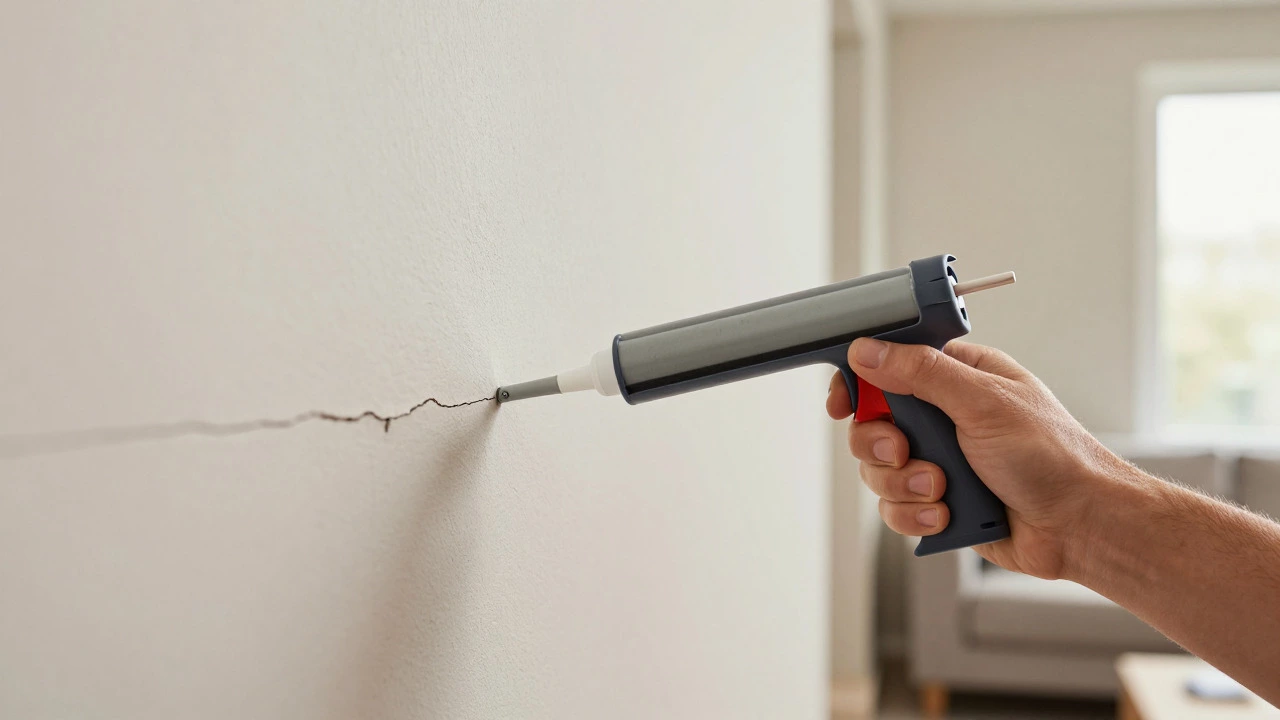
Small, static hairline cracks can sometimes be addressed with DIY kits available at hardware stores. Surface-applied epoxy or hydraulic cement can patch minor issues temporarily. However, injection repairs and carbon fiber installation require specialized equipment and expertise. Injecting resin at the correct pressure ensures complete filling without blowing out the sealants. Applying carbon fiber requires precise surface preparation; any dust or moisture between the wall and the strip will compromise the bond.
Attempting complex repairs without experience can lead to costly mistakes. For instance, injecting too much polyurethane can exert enough pressure to pop tiles or crack adjacent concrete. Professional contractors also offer warranties, which provide peace of mind. Given the stakes involved with foundation stability, investing in professional assessment and repair is usually the safer financial decision in the long run.
FAQ: Common Questions About Foundation Crack Repair
How do I know if my foundation crack is serious?
A crack is likely serious if it is wider than 1/4 inch, horizontal, or stair-stepped along mortar joints. Additionally, if the crack is accompanied by sticking doors, uneven floors, or visible bowing of walls, it indicates structural movement that requires immediate professional attention.
Can I paint over a foundation crack?
Painting over a crack is purely cosmetic and will not stop water leakage or structural deterioration. Moisture trapped behind the paint can lead to mold growth and further concrete spalling. Always repair the crack structurally before applying any finishes.
How long does epoxy injection last?
When applied correctly to a static crack, epoxy injection can last indefinitely because it bonds permanently to the concrete. However, if the foundation continues to shift, the rigid bond may eventually fail. Regular inspections are recommended to ensure the repair holds.
Is polyurethane injection safe for indoor use?
Yes, once cured, polyurethane foam is inert and non-toxic. During application, there may be a mild odor, but professional contractors use low-VOC formulations designed for indoor environments. Proper ventilation during the repair process is advised.
What is the average cost of foundation crack repair in Australia?
Costs vary based on severity and method. Simple epoxy or polyurethane injections range from $30 to $50 AUD per linear foot. Carbon fiber reinforcement for a standard wall section can cost between $800 and $1,500 AUD. Major structural repairs involving underpinning can exceed $10,000 AUD.