Foundation Crack Risk & Safety Assessor
Assess Your Situation
Enter your details to check safety.
This tool provides general guidance based on common structural principles. Always consult a professional engineer for definitive assessments.
Waking up to the news that your house has a cracked foundation feels like getting a diagnosis you didn’t ask for. The immediate question isn't just about money; it's about safety. Can you actually stay in the house while the ground beneath your feet seems unstable? The short answer is yes, but with major caveats. Most hairline cracks are cosmetic annoyances rather than imminent disasters. However, certain types of damage signal that your home’s structural integrity is compromised, turning your living room into a potential hazard zone.
This guide breaks down exactly what kind of cracks mean "keep living" and which ones mean "pack a bag." We’ll look at the signs, the risks, and how to decide if you need emergency repairs or just a little epoxy injection.
Decoding the Crack: Is It Dangerous?
Not all cracks are created equal. In fact, some cracking is normal behavior for concrete as it cures and settles. To determine if you can safely remain in the home, you need to categorize the crack by its shape, width, and location.
Cosmetic Cracks: These are typically vertical or diagonal and very narrow-often less than 1/8th of an inch wide. They usually appear on the interior drywall or exterior siding. If the crack is static (it hasn't grown in months) and doesn't affect doors or windows, your home is likely safe to inhabit. These are often caused by minor settling or temperature changes.
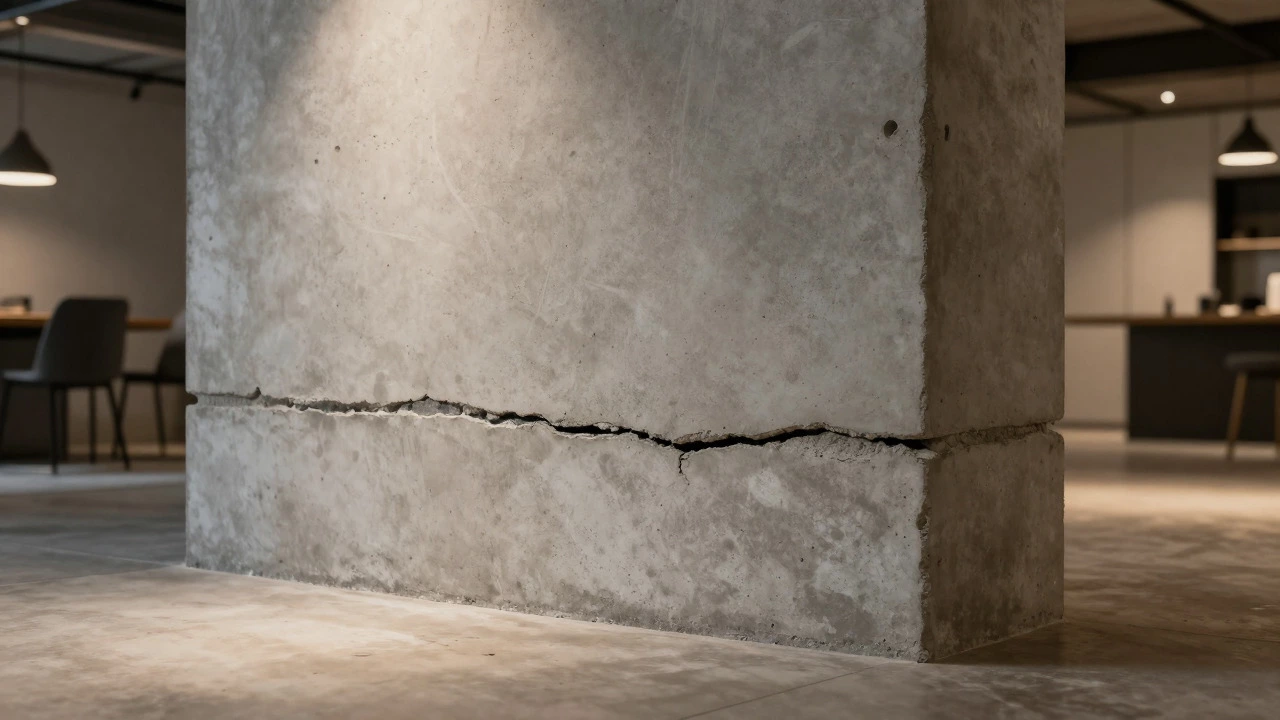
Structural Cracks: These are the red flags. Look for horizontal cracks in basement walls, stair-step cracks in brickwork, or vertical cracks wider than 1/4 inch. Horizontal cracks often indicate hydrostatic pressure from soil pushing against the wall, which can lead to bowing or collapse. Stair-step cracks suggest the masonry is shifting under weight. If you see these, your ability to live there safely depends on the severity of the shift.
| Crack Pattern | Typical Cause | Safety Risk | Action Required |
|---|---|---|---|
| Vertical (Hairline) | Concrete curing/settling | Low | Monitor or seal |
| Horizontal | Soil pressure/Hydrostatic load | High | Immediate inspection |
| Stair-Step (Brick) | Differential settlement | Medium-High | Professional evaluation |
| Diagonal (Wide) | Foundation shifting | Medium | Repair soon |
Signs Your Home Is Uninhabitable Right Now
A crack alone might not force you out, but secondary symptoms often do. If the foundation is moving significantly, the rest of the house follows suit. Watch for these specific indicators that suggest you should vacate until repairs begin:
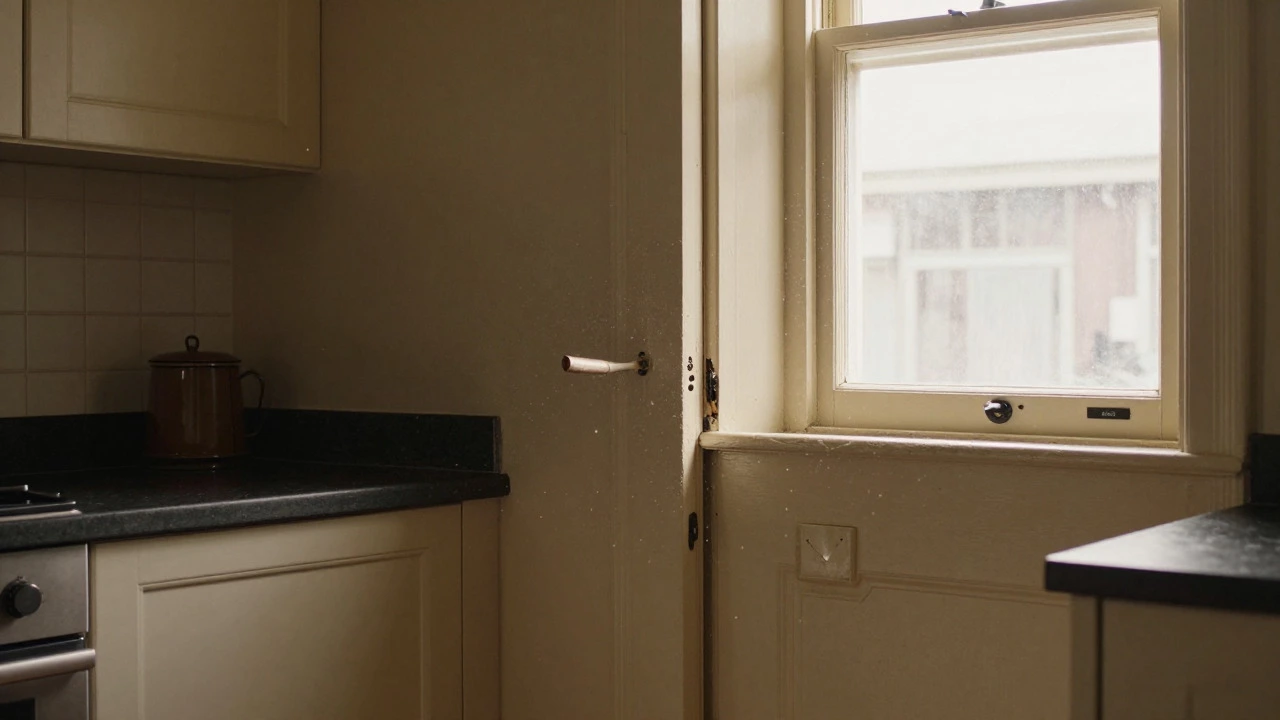
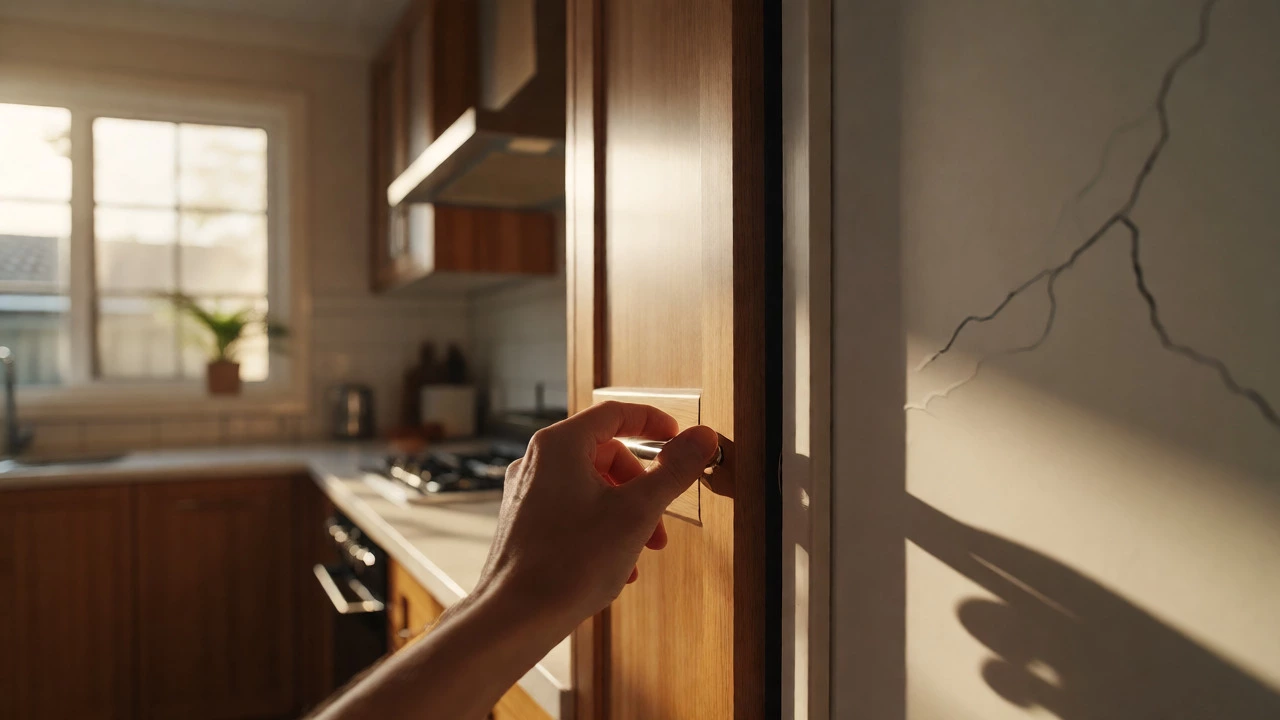
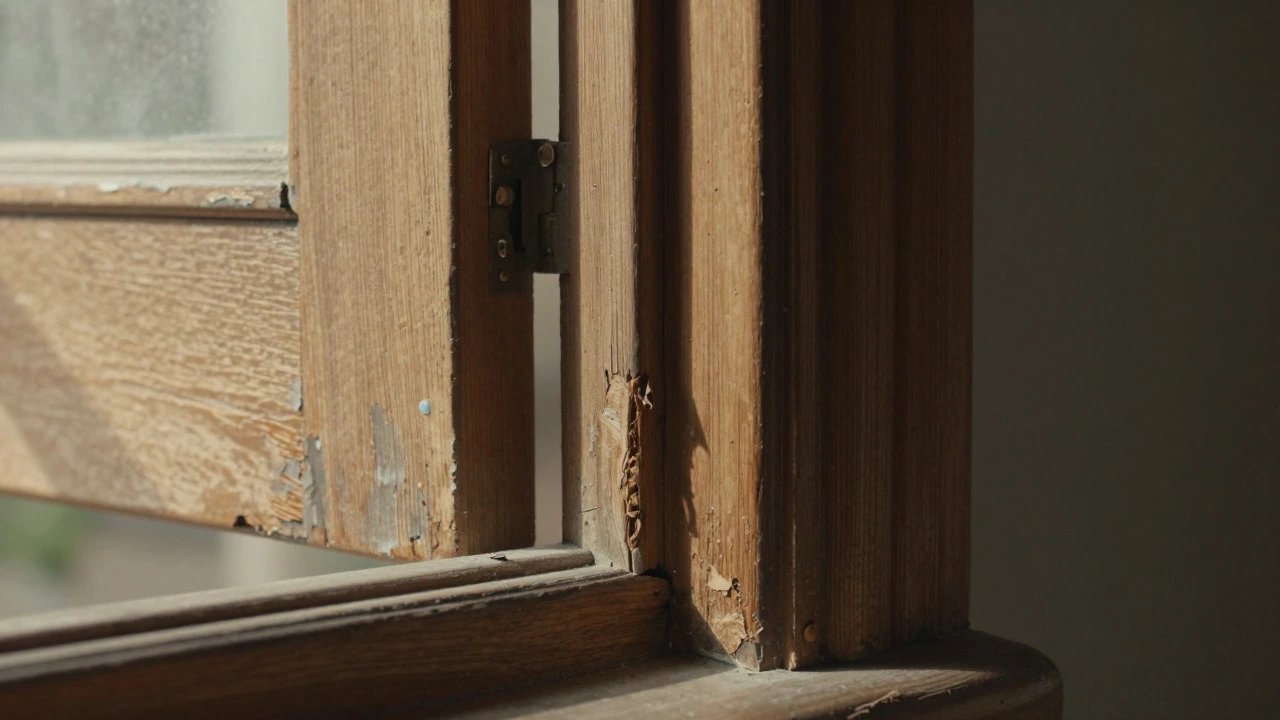
- Doors and Windows Jamming: If your front door sticks every time you close it, or windows won't slide up, the frame is twisting. This indicates active movement. While not immediately life-threatening, it suggests the structure is no longer square.
- Floor Slopes or Bounces: Walk across your floors. Do you feel a distinct slope, like walking down a hill? Or does the floor bounce when you step on it? A sloping floor means the joists are sagging because the support beam has dropped. Bouncing floors can indicate rotting joists or detached beams.
- Gaps Around Fixtures: Check where your countertops meet the cabinets or where tiles meet the baseboards. New gaps here mean the house is pulling apart.
- Water Intrusion: If a crack is letting water pour into your basement, especially during rain, you risk mold growth and electrical hazards. Wet basements are unhealthy environments for prolonged stays.
If you experience any combination of these issues, particularly combined with wide horizontal cracks, consider staying with family or friends until a structural engineer assesses the building.
The Health Hazards of Waiting
You might think, "It's just a crack, I'll fix it next year." But living in a compromised foundation exposes you to health risks beyond physical injury. The biggest culprit is moisture.
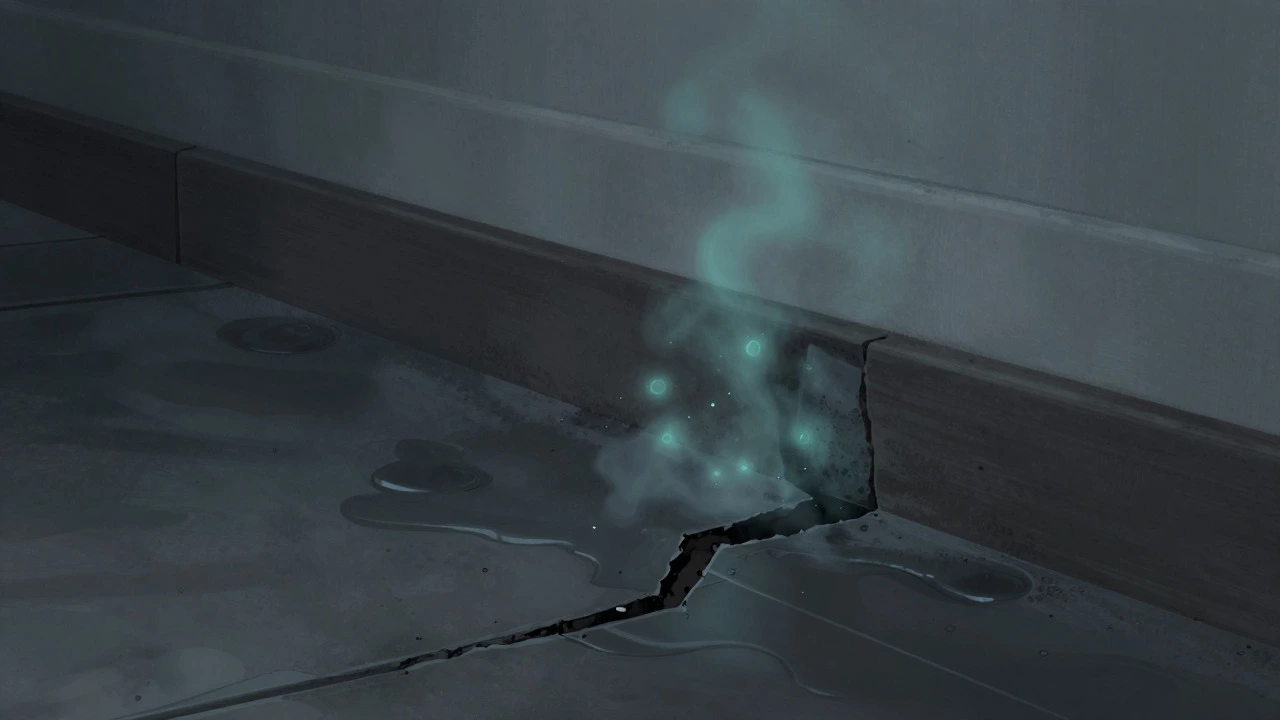
Cracks allow groundwater and humidity to enter the home. This damp environment is a breeding ground for black mold and mildew. Mold spores become airborne and can trigger severe respiratory issues, allergies, and asthma attacks, especially in children and the elderly. In 2025, studies showed that homes with unresolved foundation leaks had indoor air quality scores 40% lower than those with sealed envelopes.
Additionally, pests love cracks. Termites, carpenter ants, and rodents use these entry points to access your wood framing. Once termites are inside, they eat away at the structural supports from the inside out, accelerating the damage faster than you might realize.
Temporary Fixes: Buying Time Safely
If you’ve decided to stay while waiting for a contractor, you can take steps to stabilize the situation. These aren't permanent solutions, but they prevent further degradation.
- Seal Interior Cracks: Use a hydraulic urethane injection kit for active leaks or epoxy for non-leaking cracks. This stops air and water infiltration temporarily.
- Improve Drainage: Ensure your gutters are clean and downspouts extend at least six feet away from the foundation. Water pooling near the base increases hydrostatic pressure, worsening horizontal cracks.
- Dehumidify: Run a dehumidifier in the basement to keep relative humidity below 50%. This inhibits mold growth and reduces the expansion/contraction cycle of the concrete.
- Mark the Crack: Draw a line around the crack with a pencil and date it. Check it weekly. If the crack widens past your line, the movement is active, and you need to speed up your repair plans.
When to Call a Professional vs. DIY
Knowing when to call in the pros is crucial for both safety and wallet preservation. Here is a simple decision tree:
DIY is okay if:
- The crack is vertical and less than 1/8 inch wide.
- There is no water leakage.
- Doors and windows open and close normally.
- You are only sealing the surface for cosmetic reasons.
Call a Pro if:
- The crack is horizontal, stair-step, or wider than 1/4 inch.
- You hear popping or cracking sounds coming from the walls.
- There is visible bowing in the basement wall.
- You notice significant unevenness in the floors.
Always hire a licensed foundation repair specialist, not just a general handyman. Foundation work requires engineering knowledge. Ask for references and check their insurance. A bad repair job can be more expensive than the initial problem.
Cost Considerations and Insurance
Living in a damaged home also means managing financial stress. Foundation repair costs vary wildly based on the method used. Simple epoxy injection might cost $250-$500 per crack. Underpinning with piers (steel or helical) can range from $10,000 to $30,000+ depending on the size of the house and soil conditions.
Does homeowner's insurance cover this? Usually, no. Standard policies exclude "settling, shrinking, bulging, or expansion" as it’s considered maintenance. However, if the crack was caused by a sudden, covered event-like a tree falling on the house or a burst pipe washing away soil-you may have a claim. Document everything with photos before making any temporary fixes.
Long-Term Monitoring After Repair
Once repairs are done, your job isn't over. Concrete continues to settle for years. Continue to monitor the repaired areas. Install crack monitors (plastic gauges that measure widening) to track stability. If the repair holds for two years without new movement, you can generally consider the issue resolved. Regular inspections every 1-2 years are wise for older homes.
How long can you live in a house with a cracked foundation?
If the cracks are small (less than 1/8 inch) and vertical, you can live there indefinitely with minimal risk. If the cracks are large, horizontal, or causing doors/windows to stick, you should limit occupancy until a professional assessment is made. Active structural movement makes long-term habitation unsafe due to potential collapse or health hazards from mold.
Is a hairline crack in the foundation dangerous?
Generally, no. Hairline cracks are common in concrete due to shrinkage during curing. They rarely affect structural integrity. However, they should be monitored to ensure they don't widen. Sealing them can prevent moisture intrusion and pest entry.
What are the first signs of foundation failure?
The earliest signs include sticking doors or windows, cracks in drywall (especially diagonal ones above door frames), and gaps between walls and ceilings or floors. Outside, look for cracks in the foundation itself or separation between the house and attached structures like porches.
Does homeowners insurance cover foundation cracks?
Most standard homeowners insurance policies do not cover foundation cracks caused by settling or age, as these are considered maintenance issues. Coverage may apply if the damage resulted from a specific covered peril, such as fire, vehicle impact, or sudden water damage from a burst pipe.
Can a cracked foundation cause health problems?
Yes. Cracks allow moisture into the home, leading to mold and mildew growth, which can cause respiratory issues and allergies. They also provide entry points for pests like termites and rodents, which carry diseases and allergens.