Foundation Repair Timing & Cost Estimator
Step 1: Select Season
When are you planning the repair?
Step 2: Repair Details
Analysis Results
Select a season and details to see estimated costs and recommendations.
Most homeowners wait until they see a crack in the wall or a door that sticks before calling a professional. By then, the damage is often significant. But timing isn't just about reacting to visible signs; it’s about choosing the right window for the work itself. The short answer? There is no single "best" month for everyone. However, dry seasons generally offer better conditions for excavation and concrete curing, while wet seasons reveal hidden problems that need immediate attention.
If you are planning ahead, understanding how weather affects your home's foundation can save you thousands. It also ensures the repair lasts. Let’s look at how each season impacts the ground beneath your house and what that means for your wallet and your peace of mind.
The Case for Dry Seasons: Spring and Early Summer
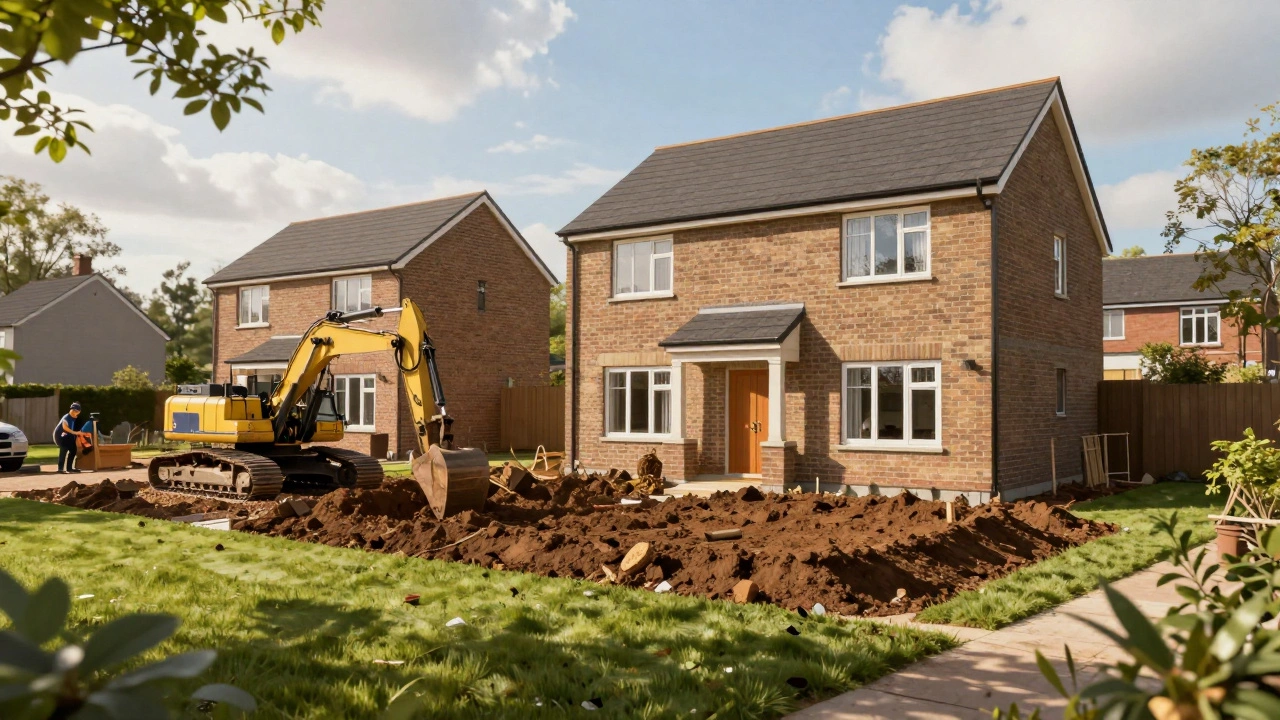
In many regions, including places like Melbourne, Australia, spring and early summer bring drier soil conditions. This is often considered the prime time for major structural repairs. Why? Because water is the enemy of stable foundations. When the ground is saturated, excavating becomes a muddy nightmare. Heavy machinery can sink, and the soil loses its load-bearing capacity temporarily.
Dry soil allows contractors to dig deeper with less risk of cave-ins. It also means that any new concrete or piers you install will cure properly. Concrete needs specific temperature and humidity levels to reach maximum strength. If you pour concrete in freezing rain or during a heatwave, it might crack within months.
- Better Access: Crews can move equipment easily without damaging your lawn or getting stuck.
- Faster Curing: Moderate temperatures help concrete set evenly.
- Clear Visibility: You can see exactly where the problem is without mud obscuring the view.
However, there is a catch. Spring is also when the demand for contractors peaks. Everyone wants to fix their homes after winter. This means prices might be higher, and waiting lists could be longer. If you have a non-emergency issue, booking in late winter (just before the rush) might get you a better rate.
Why Winter Isn't Always Bad
You might think winter is the worst time for construction, but that’s not entirely true. In areas with mild winters, like coastal parts of Australia, winter is actually quite manageable. The main advantage of winter repairs is availability. Contractors are less busy, which can lead to faster scheduling and potentially lower labor costs.
Winter also exposes certain types of foundation movement. As temperatures drop, the ground contracts. If your foundation shifts during this contraction, you’ll notice it immediately through new cracks or uneven floors. Catching these issues early prevents them from worsening when the thaw comes.
But be cautious. If you live in a region with freezing temperatures, avoid pouring concrete unless special additives and heating methods are used. Frost heave-where frozen soil expands and pushes up against your foundation-can undo even the best repairs if the ground isn't prepared correctly.
The Danger of Wet Seasons: Autumn and Rainy Periods
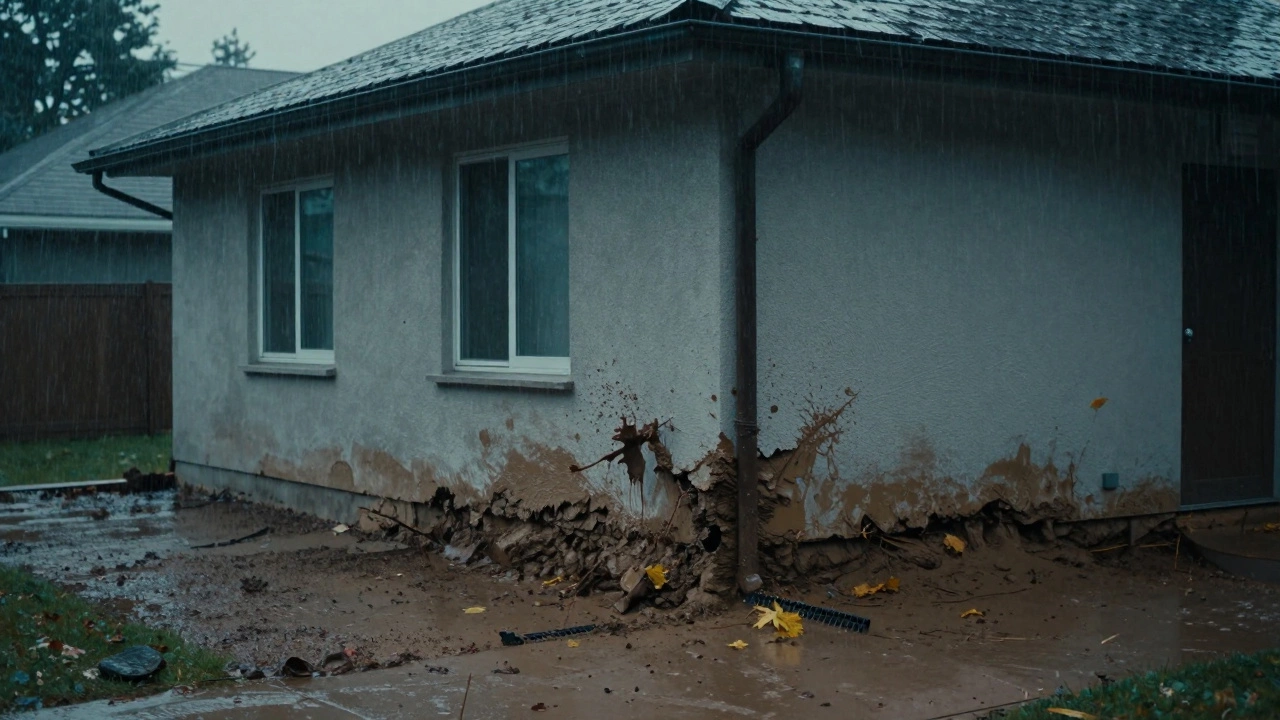
Autumn and heavy rainy seasons present unique challenges. Soil saturation increases dramatically during these times. Clay soils, common in many residential areas, expand when wet and shrink when dry. This cycle puts immense pressure on your foundation walls and slabs.
If you notice water pooling around your home’s perimeter during autumn rains, don’t wait. Address drainage issues first. Gutters, downspouts, and grading should direct water away from the foundation. Ignoring this can turn a minor settlement issue into a catastrophic failure.
Repairing a foundation during heavy rain is risky. Water infiltration can weaken the backfill material, leading to future settling. Most reputable contractors will pause excavation if it starts raining heavily. This delays the project and adds uncertainty to your timeline.
| Season | Soil Condition | Pros | Cons |
|---|---|---|---|
| Spring | Drying out | Ideal for curing, good access | High demand, higher prices |
| Summer | Dry/Stable | Fastest work completion | Heat can stress concrete |
| Autumn | Saturating | Reveals drainage issues | Mud, delayed schedules |
| Winter | Contracted/Frozen | Lower contractor rates | Risk of frost heave, cold curing |
Emergency Repairs: Timing Doesn't Matter
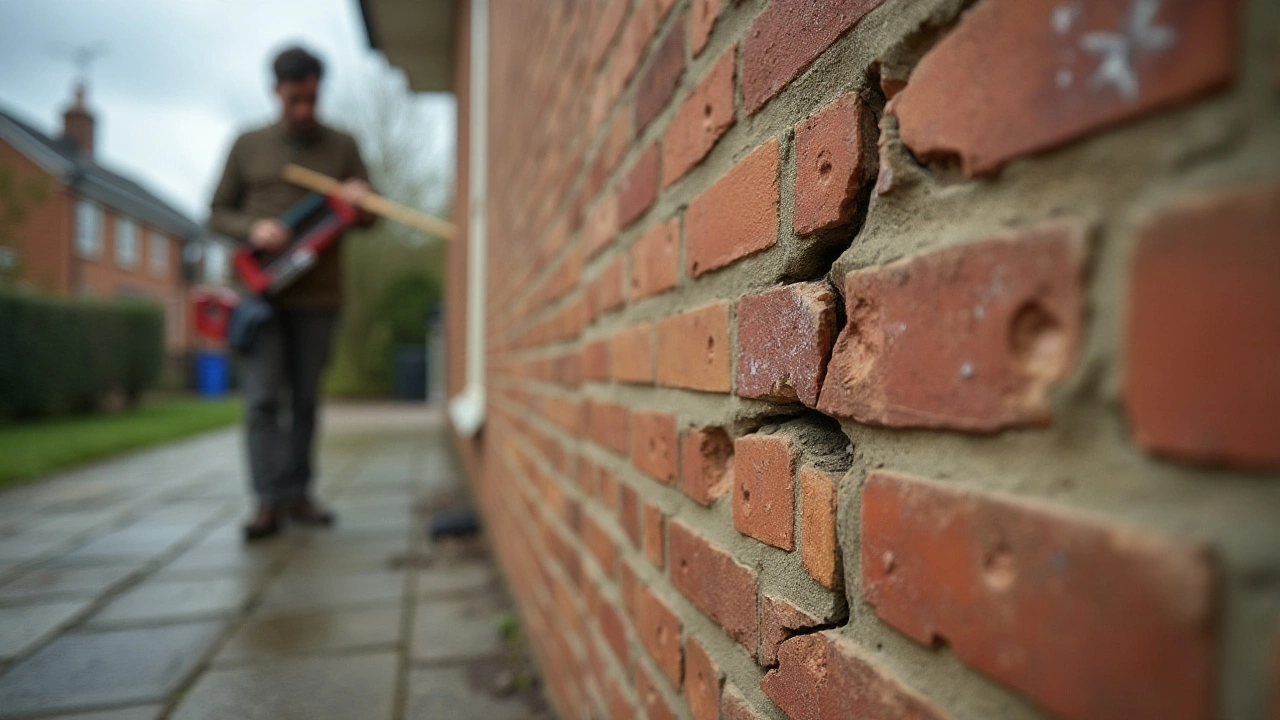
There are situations where you cannot wait for the perfect weather. If you see large horizontal cracks in basement walls, doors that won't close, or significant sinking of one side of the house, act immediately. These are signs of active structural failure.
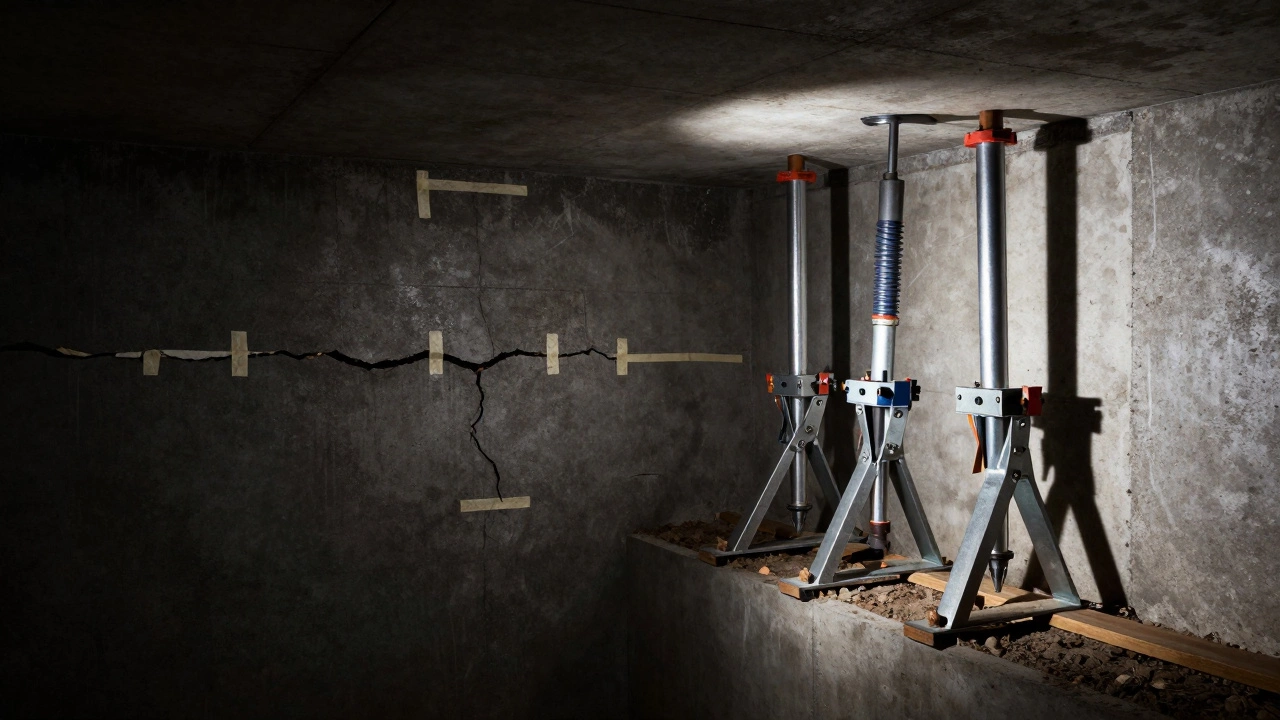
In emergencies, contractors use temporary supports like steel braces or hydraulic jacks to stabilize the structure. They may also install waterproofing membranes to protect against rain. While the long-term fix might wait for better weather, the immediate danger must be neutralized now.
Don't let pride or budget concerns delay emergency action. A small leak today can become a flooded basement tomorrow. Insurance companies often cover sudden, accidental damage but may deny claims for neglect. Document everything with photos and get multiple quotes quickly.
Cost Considerations Across the Year
Timing affects more than just convenience; it affects cost. Labor rates fluctuate based on demand. During peak seasons (spring/summer), contractors charge premium rates because they are fully booked. Off-season repairs (late autumn/winter) might come with discounts to keep crews working.
Material costs remain relatively stable year-round, but delivery delays can occur during extreme weather. For example, heavy rains can wash out roads, preventing cement trucks from reaching your site. This idle time still costs you money.
To save money:
- Get quotes in late winter for spring work.
- Ask about off-season discounts in autumn.
- Bundle repairs with other projects (like landscaping) to share mobilization costs.
How to Prepare Your Home for Any Season
Regardless of when you schedule repairs, preparation is key. Start by improving your home's drainage. Ensure gutters are clean and downspouts extend at least six feet away from the foundation. Grade your yard so water flows downhill, away from the house.
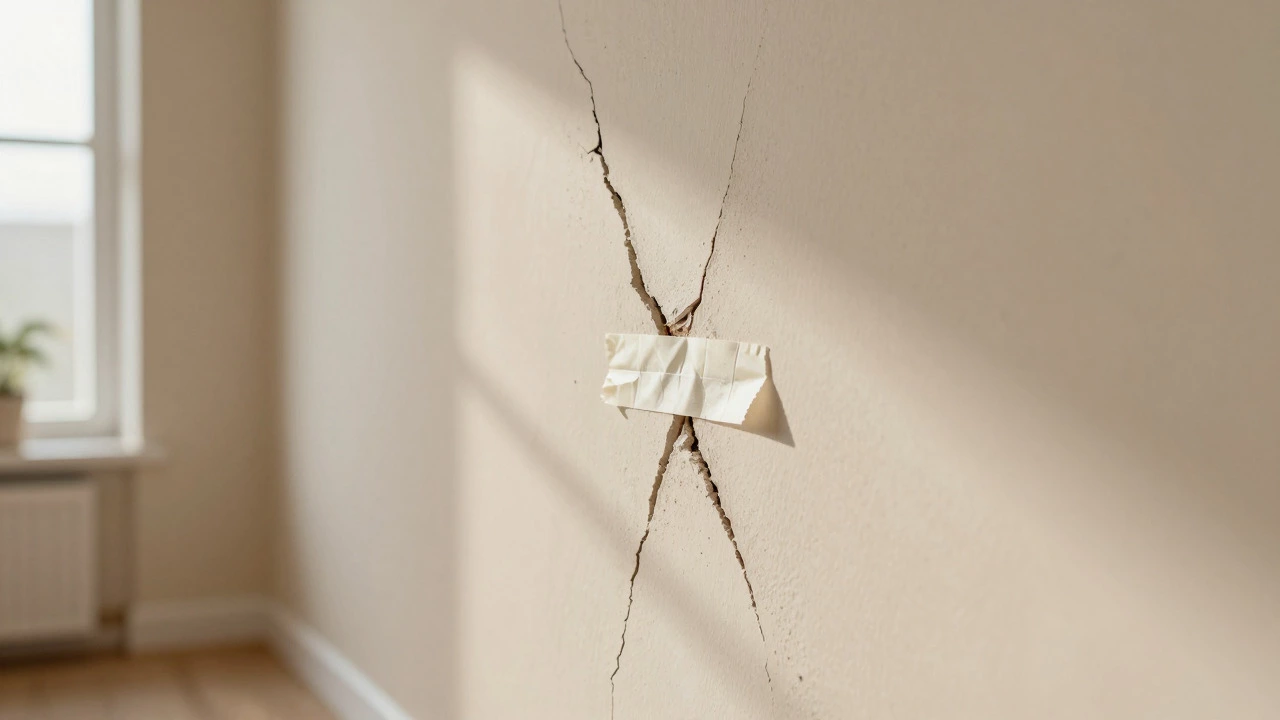
Inside, monitor cracks with simple tape markers. If a crack widens over a few months, it’s moving. Take monthly photos to track progress. This data helps contractors diagnose the root cause rather than just treating symptoms.
Finally, choose a contractor who specializes in foundation repair, not general handyman work. Look for certifications from industry bodies and check references. A bad job done in the "perfect" season is worse than a good job done in a tricky one.
Is it better to repair a foundation in summer or winter?
For most climates, late spring or early summer is ideal due to dry soil and moderate temperatures. However, in mild climates, winter can be cheaper and faster due to lower demand. Avoid extreme heat or freezing conditions for concrete work.
Can I do foundation repairs myself to save money?
No. Foundation repair requires specialized engineering knowledge and heavy equipment. DIY attempts can void insurance, worsen structural damage, and create safety hazards. Always hire licensed professionals.
How long does foundation repair take?
Minor repairs like crack injection take 1-2 days. Major underpinning or pier installation can take 3-7 days depending on size and soil conditions. Weather delays can add extra time.
Does foundation repair increase home value?
Yes, if documented properly. A repaired foundation removes a major red flag for buyers. Provide warranties and engineering reports to prove the stability of the structure.
What are the signs I need foundation repair?
Look for sticking doors/windows, diagonal cracks in drywall, gaps between walls and ceilings, uneven floors, and cracks in the foundation slab itself. Horizontal cracks in basement walls are urgent.