Build vs. Buy Cost Estimator
Enter Your Details
Total Estimated Outlay
| Cost Component | Building New | Buying Existing |
|---|---|---|
| Total Estimated Cost | $0 | $0 |
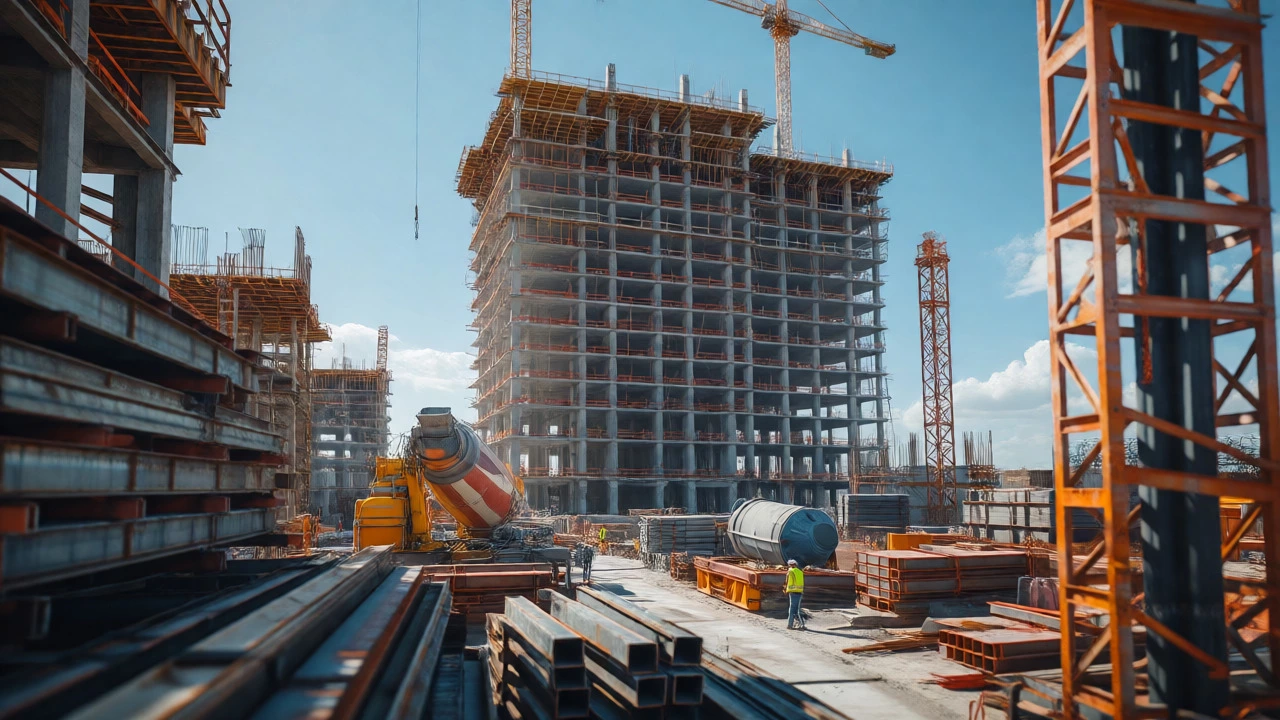
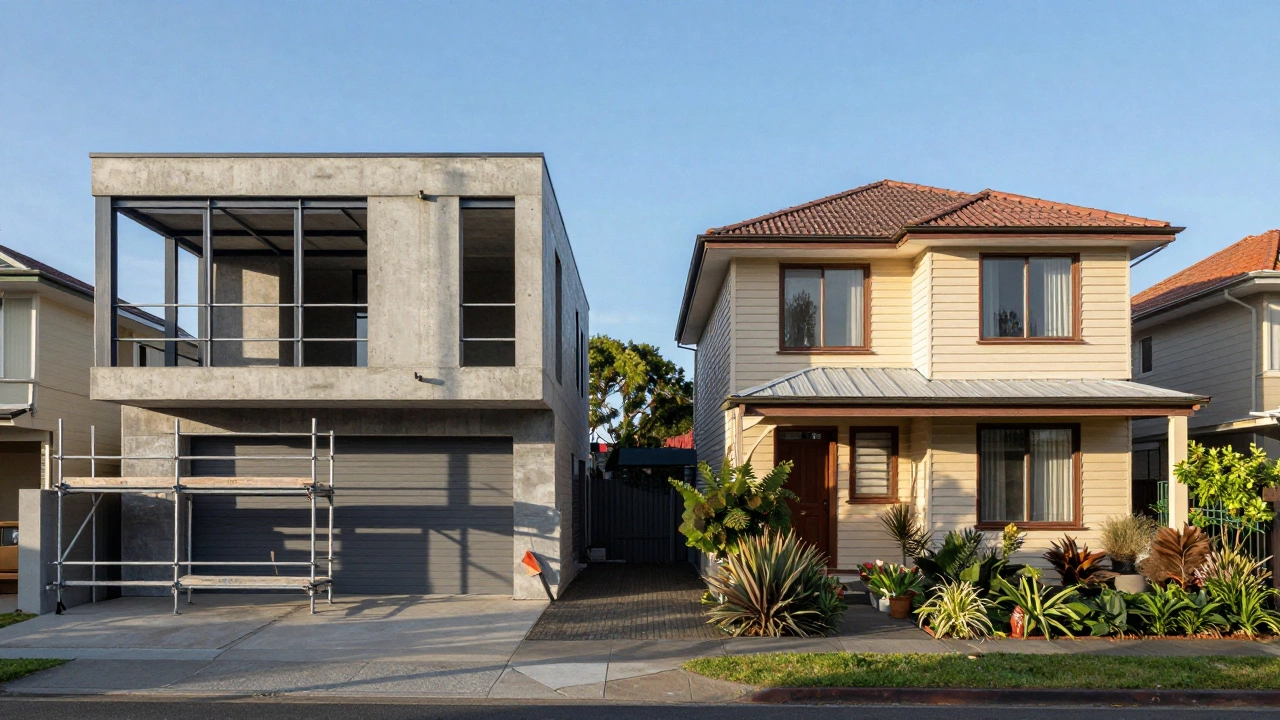
Walking past the skeletal frame of a new duplex on your street might make you wonder: could I have built that for less than the asking price of the existing house next door? In May 2026, this question is more complex than ever. The short answer is no-it is rarely cheaper to build from scratch if you only look at the final invoice. However, "cheaper" depends entirely on what you value: immediate equity, customization, or long-term maintenance savings.
The Australian property market has shifted significantly since the pandemic boom. While land prices in Melbourne’s growth corridors remain high, construction costs have stabilized slightly after the volatile years of 2023 and 2024. Yet, buying an existing home often hides hidden costs that can erase any upfront savings. Let’s break down the real numbers, the risks, and the strategic advantages of both paths so you can decide which fits your wallet and lifestyle.
The Real Cost of Building in 2026
Building a new home involves more than just bricks and mortar. You are paying for labor, materials, permits, design fees, and the opportunity cost of not having a roof over your head while the project runs. As of mid-2026, the average cost to build a medium-sized family home (180-220 square meters) in Melbourne ranges between $350,000 and $450,000 for construction alone, excluding land.
When you add land-say, a block in a suburb like Dandenong, Craigieburn, or Wyndham-the total investment quickly exceeds $700,000 to $900,000. This puts it directly in competition with established homes in similar suburbs.
| Cost Component | Building New | Buying Existing |
|---|---|---|
| Land Acquisition | $250,000 - $400,000 | Included in purchase price |
| Construction/Structure | $350,000 - $450,000 | Included in purchase price |
| Design & Permits | $15,000 - $30,000 | $0 (already done) |
| Stamp Duty | On land value only (~$10k-$20k) | On full property value (~$25k-$40k) |
| Immediate Renovation Needs | $0 (warranty covered) | $20,000 - $60,000 (avg.) |
| Total Estimated Outlay | $625,000 - $900,000+ | $650,000 - $950,000+ |
Notice the stamp duty difference. In Victoria, you pay stamp duty on the land value when building, but on the total property value when buying. This can save you tens of thousands upfront. However, builders often offer discounts or promotions that can offset this. Always ask your builder about current incentives.
The Hidden Price Tag of Buying Existing
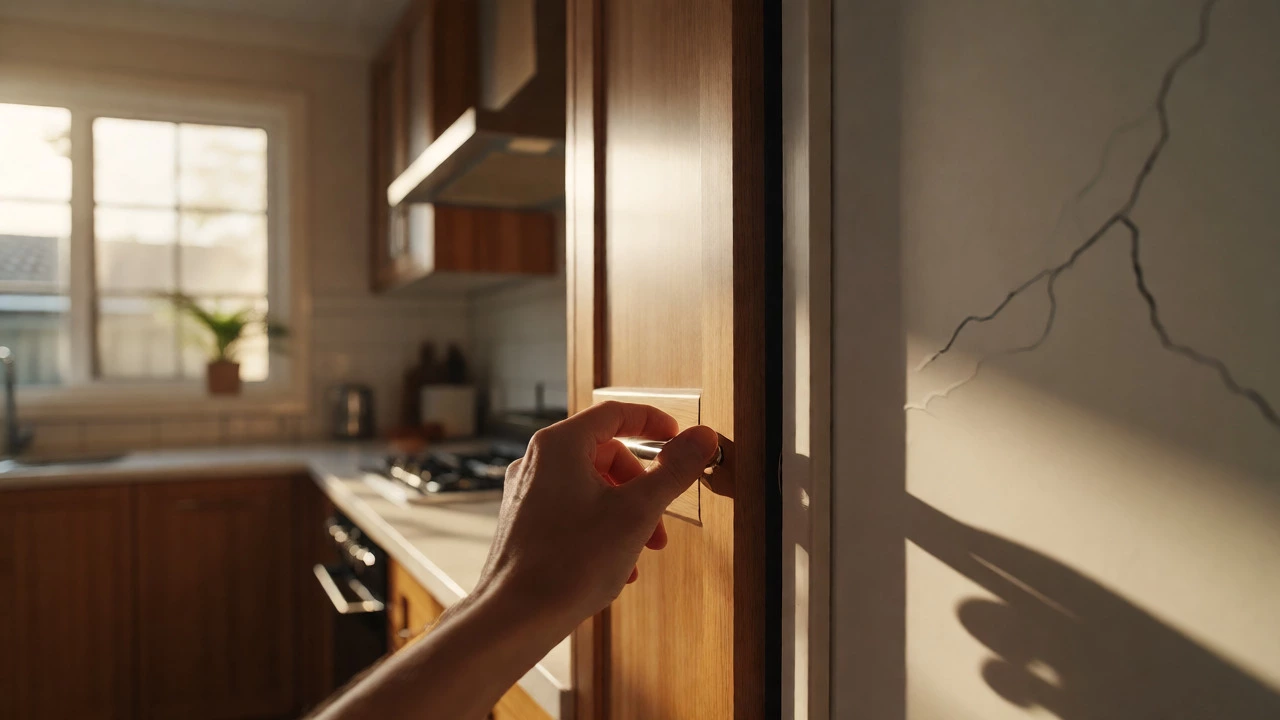
Buying an older home seems cheaper on paper because the bank valuation includes everything. But what does that valuation actually cover? Often, it covers a structure that needs work. A 1970s weatherboard home might sell for $650,000, but if the wiring is outdated, the roof leaks, and the kitchen is stuck in the past, your true cost is higher.
Consider these common expenses for existing homes in Melbourne:
- Electrical Upgrades: Many pre-2000 homes lack sufficient power points or modern safety switches. Rewiring can cost $15,000-$25,000.
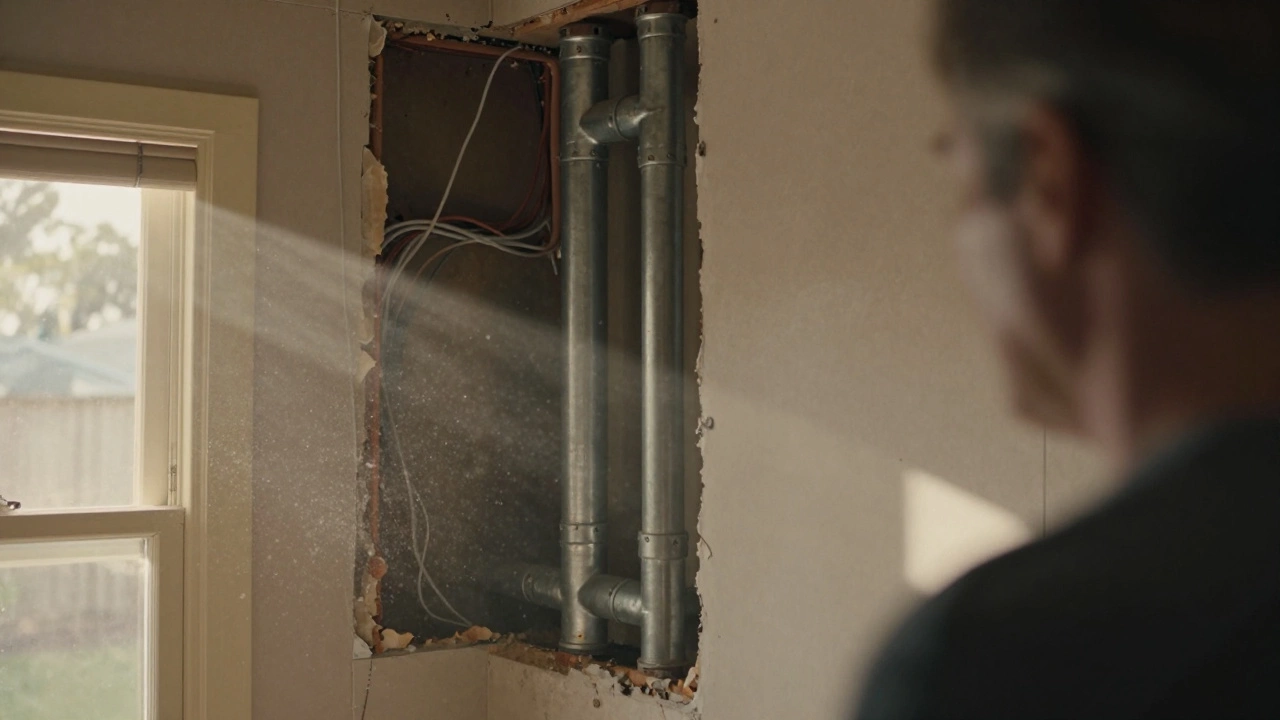
- Plumbing Issues: Older galvanized pipes corrode and restrict water flow. Replacing them is expensive and disruptive.
- Energy Efficiency: Double glazing and insulation are standard in new builds. Retrofitting an old home to meet today’s energy standards can cost $30,000+.
- Compliance Checks: If previous owners did unpermitted work, you inherit the liability. Fixing this to pass council inspections can be costly.
If you buy a "move-in ready" home, you pay a premium for someone else’s renovation choices. You might love the layout but hate the tile color. Changing it means tearing out work that was already paid for by the seller.
Why Building Might Actually Save You Money Long-Term
While the upfront cost of building is high, the long-term financial picture tells a different story. New builds come with warranties and modern efficiency standards that reduce ongoing expenses.
Victorian Building Authority (VBA) regulations ensure that all new homes meet strict structural and energy standards. This means fewer repair bills in the first decade of ownership.
Energy bills are a major factor. A newly built home with double-glazed windows, proper insulation, and a heat pump system can use up to 40% less energy than an equivalent older home. Over ten years, those savings can add up to $15,000-$20,000 in electricity and gas costs. That’s money back in your pocket.
Maintenance is another big saver. With a new roof, new gutters, and new plumbing, you won’t be spending weekends fixing leaks or replacing tiles. The peace of mind has monetary value too-less stress means better decision-making elsewhere.
Time Is Money: The Opportunity Cost Factor
One of the biggest overlooked costs in building is time. Building a custom home in Melbourne currently takes 6 to 9 months from contract signing to handover. During this period, you are likely paying rent and construction loans simultaneously.
If you rent a comparable apartment for $600 per week during an 8-month build, that’s nearly $20,000 in rental costs. Add interest on the construction loan, and the gap between building and buying narrows further. Buying an existing home lets you move in immediately, avoiding dual housing costs.
However, if you already own land or are downsizing from a larger property, the time factor matters less. You can plan the build around your timeline, potentially saving on temporary accommodation.
Customization vs. Compromise
Money isn’t the only metric. How much do you value living in a space designed specifically for your life? When you buy existing, you compromise. Maybe the master bedroom is too small, or the kitchen faces north instead of south. Fixing these issues requires knocking down walls, which brings us back to renovation costs.
Building allows you to optimize every square meter. You can choose open-plan layouts, smart home technology, and sustainable materials from day one. This customization increases resale value because future buyers also appreciate functional, modern designs.
In Melbourne’s competitive market, homes with unique, well-executed features often sell faster and for higher prices than generic renovated houses. Your investment in quality finishes pays off when you eventually sell.
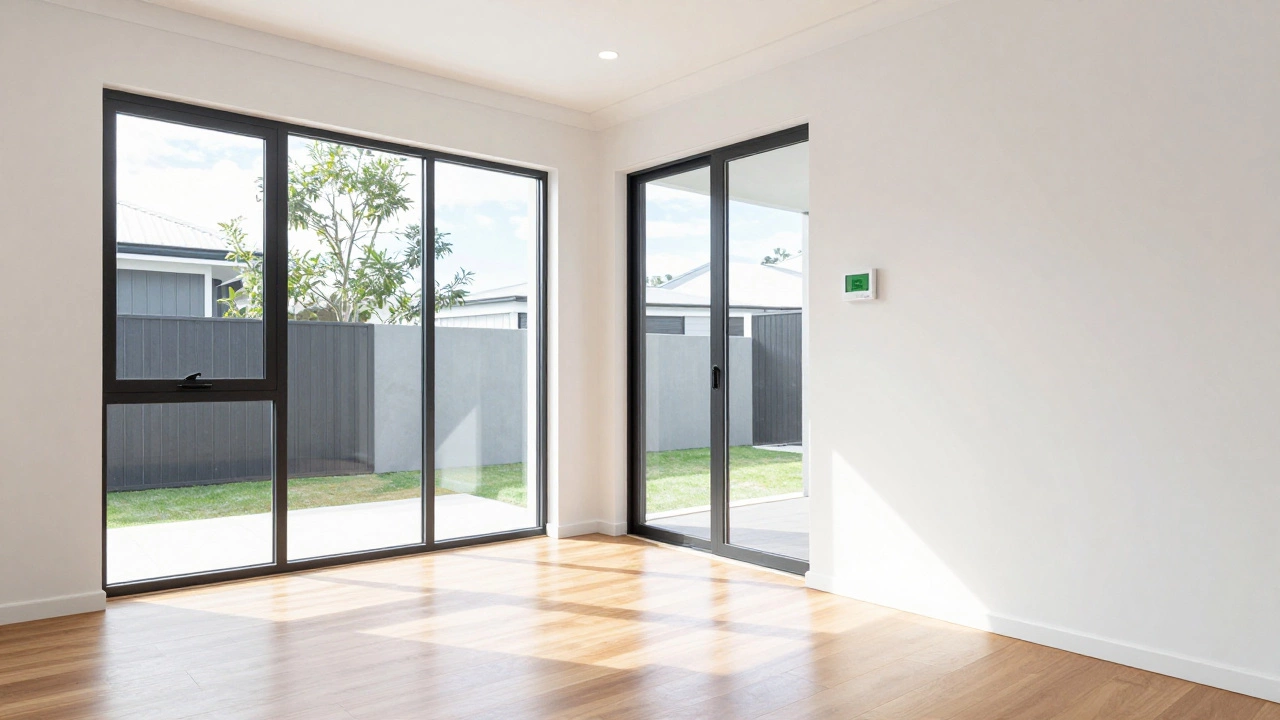
Market Timing: Is Now the Right Time?
As of May 2026, interest rates have stabilized compared to the rapid hikes of previous years. This makes borrowing more predictable. Land prices in outer suburbs have cooled slightly, making entry-level blocks more accessible. Construction companies are less backlogged than they were in 2023, meaning shorter wait times for tradespeople.
However, material costs fluctuate with global supply chains. Steel and timber prices can spike unexpectedly. Locking in a fixed-price contract with a reputable builder protects you from these surprises. Always read the fine print regarding exclusions and variations.
Buying existing offers more price negotiation room in some cases. Sellers who have been on the market for months may accept lower offers. Building involves less negotiation-you agree on a price upfront, and changes cost extra.
Decision Checklist: Build or Buy?
To help you decide, ask yourself these questions:
- Do you have a budget buffer? If yes, building gives you control. If no, buying avoids unexpected renovation costs.
- How soon do you need to move? If immediately, buy. If you have 6+ months, consider building.
- Do you care about energy efficiency? If yes, building wins. Retrofitting old homes is expensive.
- Are you willing to manage a project? Building requires active involvement. Buying is passive.
- Is the location perfect? If you found your dream block, build. If you found your dream neighborhood, buy.
Ultimately, there is no universal "cheaper" option. For many Melburnians in 2026, building offers better long-term value through efficiency and customization, despite higher initial complexity. Buying provides speed and simplicity, but often at the cost of future renovations.
Is it cheaper to build or buy in Melbourne right now?
It depends on your definition of "cheaper." Upfront, buying an existing home often appears cheaper because you avoid construction fees and delays. However, when you factor in stamp duty savings on land-only purchases for new builds, plus the avoided cost of immediate renovations for older homes, the total cost difference narrows significantly. Long-term, building is often cheaper due to lower maintenance and energy bills.
How much does it cost to build a house in Melbourne in 2026?
As of mid-2026, construction costs range from $3,500 to $4,500 per square meter for a standard finish. For a typical 200-square-meter home, expect to pay between $700,000 and $900,000 including land, depending on the suburb. Premium finishes and complex designs will push this higher.
What are the hidden costs of buying an older home?
Hidden costs include electrical rewiring ($15k+), plumbing replacements, roof repairs, and upgrading insulation for energy efficiency. Additionally, you may face higher stamp duty compared to buying land for a new build. Budget an extra 10-15% of the purchase price for immediate updates.
Does building take longer than buying?
Yes. Building typically takes 6 to 9 months from contract to completion, plus time for design and approvals. Buying an existing home can be settled in 30 to 60 days. If you need to move urgently, buying is the faster option.
Are new homes more energy efficient?
Significantly. New builds must meet current Victorian building codes, which require better insulation, double glazing, and efficient heating/cooling systems. This can reduce energy bills by 30-40% compared to older, poorly insulated homes.