DIY vs. Pro: Project Risk & Cost Calculator
Check all that apply:
Risk Assessment
Financial Impact
- Contractor Trade Savings $0
- Est. Mistake Cost (DIY) $0
- Permit Fine Risk $0
Enter your project details and click "Analyze Project" to see the comparison.
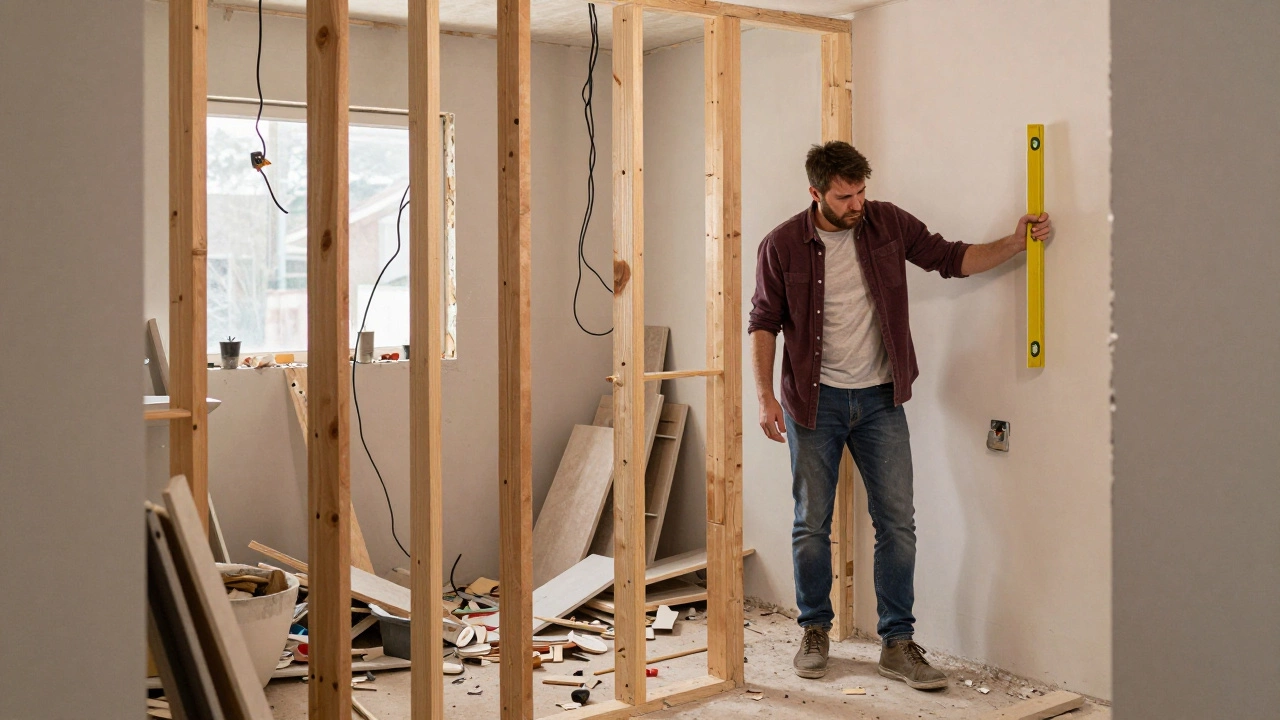
Picture this: you’ve spent three weekends watching YouTube tutorials on how to frame a bathroom wall. You bought the lumber, you rented the nail gun, and you’re pretty sure you know what you’re doing. Then you realize the studs aren’t plumb, the electrical box is in the wrong place, and you just violated two local building codes. Suddenly, that “simple” weekend project feels like a nightmare.
This is exactly why people hire building contractors. They are licensed professionals who manage construction projects from start to finish, ensuring safety, compliance, and quality. It’s not about laziness. It’s not even always about money. It’s about risk management, time savings, and getting a result that actually holds up when the inspector shows up.
The Hidden Cost of DIY Mistakes
We love the idea of saving money by doing it ourselves. The internet makes it look easy. But here’s the truth: professional contractors have access to tools, materials, and knowledge that most homeowners don’t. And more importantly, they know what happens when things go wrong.
When you install a water heater incorrectly, you might just get a leaky pipe. When a licensed plumber does it wrong, they face fines, license suspension, and liability claims. That pressure keeps them sharp. They double-check connections, verify gas lines, and ensure ventilation meets code because their livelihood depends on it.
Consider the average cost of fixing a DIY mistake. According to industry data, correcting improper framing or electrical work can cost 2-3 times more than hiring a pro upfront. Add in potential insurance claim denials if unpermitted work causes damage, and the “savings” vanish fast.
Time Is Your Most Valuable Resource
You might think you can tackle a kitchen remodel after work. In reality, a mid-range kitchen renovation takes 6-8 weeks with a crew working full-time. Doing it yourself? Plan on 4-6 months, assuming you don’t burn out.
Contractors bring teams. While one person installs cabinets, another runs rough-in plumbing. A third handles demolition. This parallel workflow compresses timelines dramatically. For busy professionals, parents, or anyone with limited free hours, trading money for time isn’t just convenient-it’s necessary.
Plus, contractors handle scheduling. They coordinate deliveries, order permits, and line up subcontractors. You don’t spend your Tuesday evening calling suppliers or waiting on hold with the city planning department. You come home to progress, not paperwork.
Navigating Permits and Building Codes
Building codes exist for a reason. They prevent fires, structural failures, and unsafe living conditions. But they’re also complex, constantly updated, and vary by municipality. Ignorance isn’t an excuse in the eyes of the law.
A general contractor knows which projects require permits-usually anything involving structural changes, electrical, plumbing, or HVAC. They pull the permits, schedule inspections, and ensure everything passes. If you skip this step, you risk:
- Fines ranging from $500 to $10,000+
- Being forced to tear out finished work for inspection
- Inability to sell your home without disclosure penalties
- Voided homeowner’s insurance coverage for related damages
Permitting alone can take days or weeks of research. Contractors do this daily. Their familiarity with local inspectors and processes speeds up approval and reduces stress.

Access to Trade Discounts and Quality Materials
Homeowners pay retail prices at big-box stores. Contractors buy wholesale through trade accounts. On a $20,000 material budget, that difference can save $3,000-$5,000 before labor even starts.
But it’s not just about price. Contractors know which brands last, which suppliers deliver reliably, and which products meet current energy efficiency standards. They avoid cheap materials that fail within a year. They specify grade-A lumber instead of warped scraps. They source fixtures that won’t rust or crack.
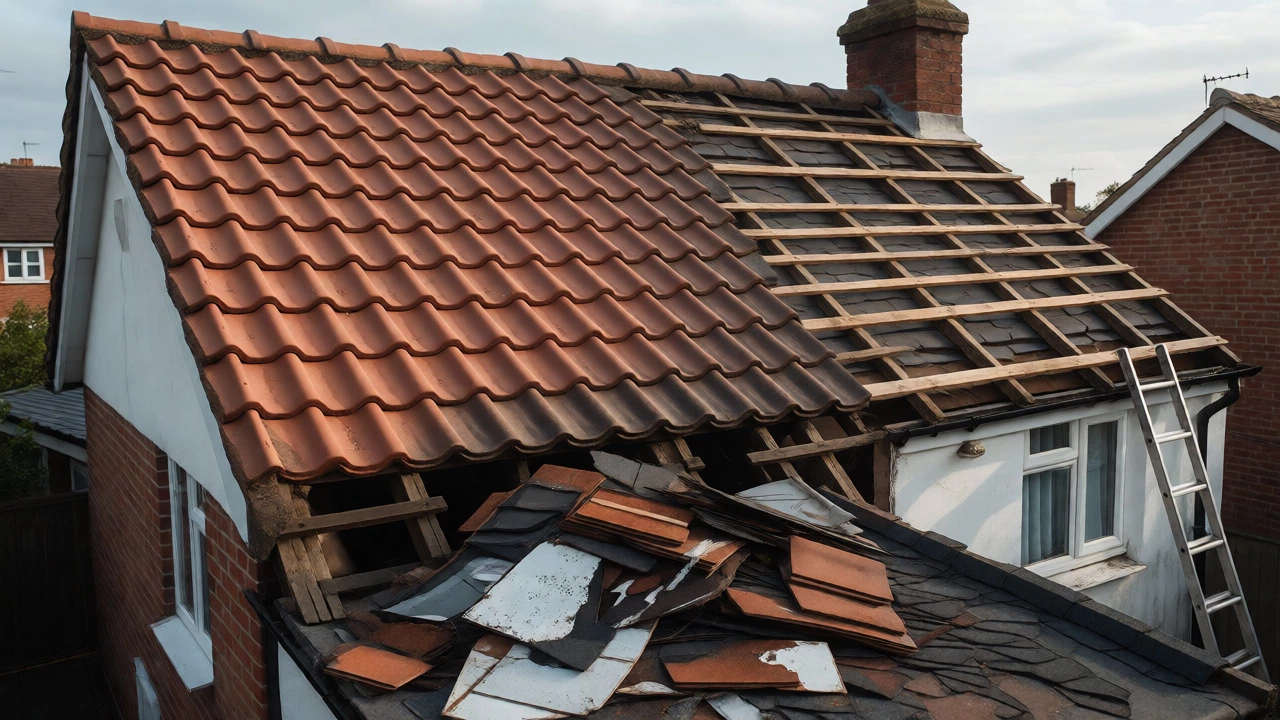
This insider knowledge protects your investment. A roof installed with proper underlayment and flashing lasts decades. One cut corners leaks within five years. Contractors prioritize longevity because their reputation depends on it.
Liability and Insurance Protection
What happens if a worker falls off your ladder? Or if a tool slips and damages your hardwood floors? Without proper insurance, you’re personally liable. Homeowner’s policies often exclude contractor-related incidents unless the hired party carries their own coverage.
Reputable contractors carry general liability insurance (typically $1-2 million) and workers’ compensation. This means if someone gets hurt on your property, their insurance pays-not yours. Always ask for certificates of insurance before signing any contract.
This protection extends to warranties too. Many manufacturers only honor product warranties if installation is performed by certified professionals. DIY installations often void these guarantees, leaving you paying full price for replacements down the road.

Quality Control and Accountability
DIY projects lack oversight. Who checks if your deck joists are spaced correctly? Who verifies your electrical wiring follows NEC standards? With a contractor, there’s built-in accountability.
Professional crews follow checklists. Supervisors inspect work at each phase. Final walkthroughs catch minor issues before payment is released. If something fails within the warranty period (often 1-2 years), the contractor fixes it at no extra cost.
This level of quality control ensures your project meets industry standards. It also provides peace of mind. You’re not hoping it works-you’re guaranteed it will.
| Factor | DIY Approach | Hiring a Contractor |
|---|---|---|
| Cost | Lower upfront, higher long-term risk | Higher initial, predictable total cost |
| Time | Weeks to months (part-time) | Days to weeks (full-time crew) |
| Permits & Codes | Homeowner responsibility | Contractor handles all compliance |
| Insurance | Limited or voided coverage | Full liability and workers' comp |
| Warranty | Often voided by manufacturer | Covered by contractor and manufacturer |
| Stress Level | High (learning curve + problem-solving) | Low (managed by professionals) |
When DIY Still Makes Sense
Not every project needs a contractor. Simple tasks like painting rooms, assembling furniture, or replacing light fixtures are perfect for DIY. These involve low risk, minimal code requirements, and straightforward execution.
Even some moderate projects-like installing vinyl siding or building a small shed-can be tackled independently if you’re experienced and willing to learn. The key is knowing your limits. Ask yourself:
- Does this involve electricity, plumbing, or structural elements?
- Will it affect my home’s value or insurability?
- Do I have the tools and skills to finish it properly?
- Can I afford to redo it if I mess up?
If you answer “yes” to any of those, consider hiring help. There’s no shame in outsourcing complexity. Smart homeowners invest in expertise where it matters most.
How to Choose the Right Contractor
Hiring the wrong contractor can be worse than doing it yourself. Look for these red flags:
- No written contract or vague scope of work
- Requests large upfront payments (more than 10-30%)
- Unwillingness to provide references or proof of insurance
- Poor communication or missed deadlines
Instead, seek out licensed, bonded, and insured professionals with strong reviews. Check their standing with your state licensing board. Visit past job sites if possible. Trust your gut-if something feels off, walk away.
A good contractor listens to your goals, explains options clearly, and sets realistic expectations. They become partners in improving your home, not just vendors completing a transaction.
Is it cheaper to DIY or hire a contractor?
Upfront, DIY appears cheaper since you only pay for materials. However, hidden costs-mistakes, delays, permit fines, and voided warranties-often make DIY more expensive overall. Contractors offer predictable pricing and reduce financial risk through expertise and insurance.
What types of projects absolutely require a contractor?
Any project involving structural changes (removing walls, adding decks), electrical wiring, plumbing modifications, HVAC installation, or roofing typically requires a licensed contractor due to code compliance, safety risks, and permit requirements.
How much should I expect to pay a contractor?
Costs vary widely by region and project type. General rule: labor accounts for 30-50% of total project cost. Small jobs may run $500-$2,000; major renovations can exceed $50,000. Always get detailed written estimates from multiple contractors.
Can I hire a contractor for just part of a project?
Yes. Many homeowners hire contractors for complex phases (like framing or electrical) while handling simpler tasks themselves. Just ensure clear communication about roles and responsibilities to avoid coordination issues.
What questions should I ask before hiring a contractor?
Ask about licensing status, insurance coverage, timeline, payment schedule, warranty terms, and reference contacts. Request examples of similar completed projects. Verify they pull required permits and explain how change orders are handled.