Foundation Water Damage Severity Calculator
Enter the details of the cracks or issues you've observed to determine the likely severity level and recommended action based on structural engineering guidelines.
Recommended Action:
It starts with a tiny crack in the driveway or a door that sticks just a little more than it used to. You might ignore it for months, thinking it’s just the house settling. But if there is standing water pooling near your home’s perimeter after rain, or if you notice a musty smell in the basement, you are likely dealing with something far more serious than normal settling. Water is the single biggest enemy of structural integrity. It doesn’t knock; it seeps, it erodes, and it expands.
In Melbourne, where clay soils expand when wet and shrink when dry, this threat is constant. If you have ever wondered what does water damage to foundation look like, the answer isn’t always obvious at first glance. The visual cues can be subtle until they become catastrophic. Recognizing these signs early can save you tens of thousands of dollars in repairs. Let’s walk through exactly what to look for, why it happens, and how to stop it before your home shifts out of place.
The Visual Signs: What to Look For Outside
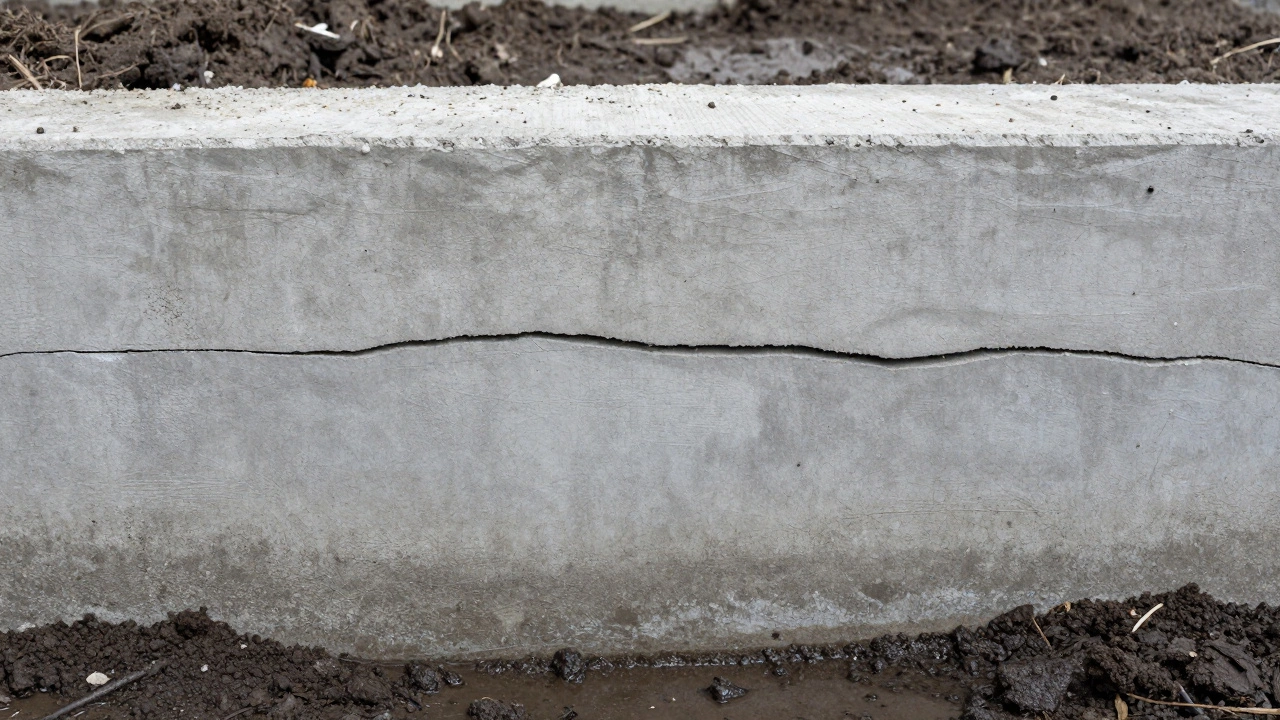
If you see vertical cracks that are wider at the top than the bottom, or horizontal cracks running along the length of the wall, this indicates significant pressure from behind the wall-usually saturated soil pushing against the foundation. In Melbourne’s clay-heavy ground, this is often due to hydrostatic pressure. When the soil around your home becomes waterlogged, it expands and pushes inward. This creates stress fractures that let even more water in, creating a vicious cycle.
Look closely at the mortar between bricks or blocks. If you see white, chalky deposits on the surface, that is efflorescence. It happens when water moves through the concrete, dissolves salts within, and then evaporates on the surface, leaving the salt behind. Efflorescence is a clear sign that moisture is actively migrating through your foundation walls. It’s not just unsightly; it’s proof of a breach in your waterproofing.
Another exterior clue is soil separation. Check the gap between your foundation and the surrounding earth. If you see gaps where the soil has pulled away from the concrete, it suggests the soil has shrunk due to drought followed by rapid saturation. This movement destabilizes the base your home sits on. In severe cases, you might even see daylight through large fissures in the concrete itself.
Interior Indicators: Inside Your Home
While exterior signs are critical, the interior of your home often tells a more immediate story about water intrusion. Start by checking your basement or crawlspace floor. Are there damp spots that appear after heavy rain? Is there visible mold or mildew growing on the lower portions of the walls? Mold thrives in humidity levels above 60%, and a leaking foundation keeps those levels high year-round.
Pay attention to your flooring. Carpet that feels spongy or smells musty is a major warning sign. Hardwood floors near exterior walls may show cupping (edges raised higher than the center) or warping. These distortions happen because wood absorbs moisture from the air or directly from a wet subfloor caused by foundation leaks.
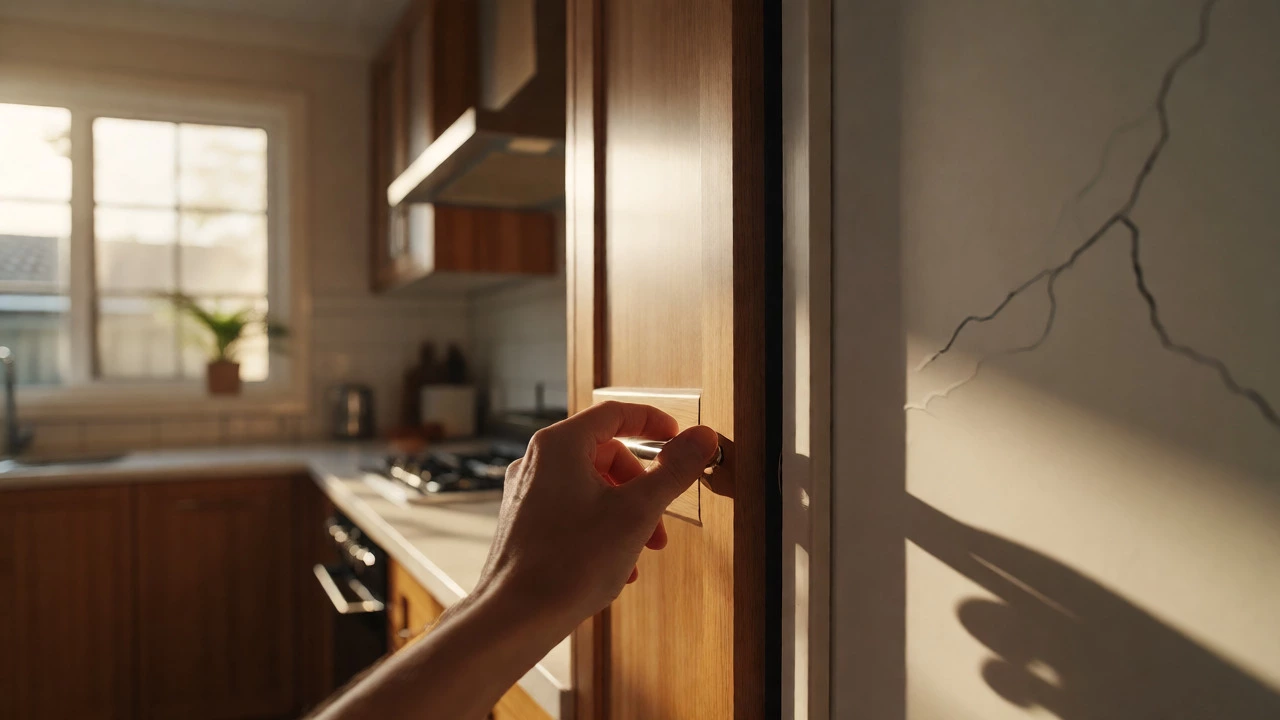
Doors and windows are excellent indicators of structural shift. If your front door suddenly requires two keys to open, or if windows stick in their frames despite being well-lubriced, your foundation may have shifted. Water damage weakens the support structure, causing the frame of the house to twist slightly. This misalignment puts stress on every joint and connection in the building envelope.
In homes with slabs, look for cracks in the tile or vinyl flooring. Unlike wooden floors, rigid materials like ceramic tile will crack when the slab beneath them moves unevenly. A diagonal crack running across a room is particularly concerning, as it often points to differential settlement-one side of the foundation sinking faster than the other due to water erosion underneath.
Why Water Damages Foundations: The Mechanics
To fix the problem, you need to understand the mechanism. Concrete is porous. Over time, microscopic pores allow water to penetrate. When this water freezes (a less common issue in Melbourne compared to colder climates, but still relevant in winter frosts), it expands by up to 9%. This expansion widens existing cracks, allowing more water in. This process, known as freeze-thaw cycling, can destroy concrete from the inside out.
However, the bigger issue in Australia is soil instability. Clay soils, prevalent in Victoria, act like a sponge. When it rains heavily, the soil swells and exerts lateral pressure on foundation walls. When it dries out, the soil shrinks and pulls away, leaving voids. If water drains poorly around your home, these cycles accelerate. The foundation ends up dancing on an unstable platform, leading to cracks and structural failure.
Hydrostatic pressure is another key factor. As groundwater levels rise during wet seasons, the water pushes against the foundation with tremendous force. If your drainage system is inadequate, this pressure forces water through any available crack or joint. Over time, this constant pressure can bow basement walls inward, compromising the entire structural integrity of the home.
Common Causes of Foundation Water Intrusion
Identifying the source of the water is crucial for effective repair. Here are the most common culprits:
- Poor Grading: If the ground around your home slopes toward the foundation instead of away from it, rainwater will pool against the walls. Even a slight slope change can make a huge difference. Ideally, the ground should drop at least 6 inches over the first 10 feet from the foundation.
- Clogged Gutters and Downspouts: Gutters that overflow dump gallons of water directly onto the soil next to your foundation. Ensure downspouts extend at least 1.5 meters away from the house. In Melbourne, leaf litter from eucalyptus trees can clog gutters quickly, requiring frequent cleaning.
- Cracked Drainage Pipes: French drains or perimeter drains designed to channel water away can fail over time. If these pipes are cracked or blocked, water backs up and saturates the soil around the foundation.
- Plumbing Leaks: A leaking supply line or sewer line under the slab can slowly erode the soil beneath the foundation. Slab leaks are insidious because they are hidden. Watch your water meter: if it runs when all fixtures are off, you likely have a leak.
- High Water Table: In some areas, the natural water table rises close to the surface during rainy seasons. Without proper waterproofing and sump pumps, this groundwater will inevitably find its way into your basement or crawlspace.
Diagnosing the Severity: DIY vs. Professional Assessment
You can perform a basic inspection yourself, but knowing when to call a professional is vital. Use a flashlight to examine the foundation walls both inside and out. Measure the width of cracks using a coin. If a crack is wider than a dime (about 1.5 mm), it warrants professional attention. Take photos to track changes over time. If the crack grows larger or longer within a few weeks, the movement is active and urgent.
Check for levelness. Place a marble on your floor. If it rolls consistently in one direction, your floor is sloping, indicating foundation shift. While a slight slope might be normal in older homes, significant tilting suggests serious structural issues.
However, DIY methods have limits. A licensed structural engineer or foundation repair specialist in Melbourne can use tools like laser levels, moisture meters, and even borescopes to inspect inside walls. They can determine if the damage is cosmetic or structural. They can also assess soil conditions and recommend specific solutions based on local geology.
| Crack Type | Appearance | Likely Cause | Severity Level |
|---|---|---|---|
| Vertical Hairline | Thin, straight, less than 1/8 inch | Concrete shrinkage during curing | Low (Cosmetic) |
| Horizontal | Runs along the wall, often bowed | Hydrostatic pressure / Soil expansion | High (Structural) |
| Stair-Step | Follows mortar joints in brick/block | Differential settlement / Water erosion | Medium-High |
| Diagonal | Angles from corners of doors/windows | Foundation shifting / Uneven settling | Medium-High |
Repair Strategies: Fixing the Damage
Once you confirm water damage, the repair strategy depends on the severity. For minor cracks, epoxy or polyurethane injections can seal the fissures and prevent further water entry. Polyurethane foam expands as it cures, filling voids and stopping leaks effectively. This is a cost-effective solution for small, non-structural cracks.
For more significant issues, such as bowing walls or large horizontal cracks, you may need carbon fiber straps or steel I-beams. Carbon fiber strips are bonded to the wall with epoxy, providing immense tensile strength to resist further bowing. Steel beams offer heavier-duty support for severely compromised walls. These installations require professional expertise to ensure they are anchored correctly.
Addressing the root cause is just as important as fixing the cracks. This often involves improving exterior drainage. Installing or repairing French drains, extending downspouts, and regrading the landscape can redirect water away from the foundation. In basements, installing an interior drain tile system connected to a sump pump can manage hydrostatic pressure by collecting water before it enters the living space.
In Melbourne, where weather patterns can be extreme, consider adding waterproof membranes to the exterior of the foundation during excavation. These barriers create a physical shield against soil moisture. Combining this with proper grading and gutter maintenance creates a comprehensive defense system.
Prevention Tips for Melbourne Homeowners
Prevention is always cheaper than cure. Here are practical steps to protect your foundation:
- Maintain Gutters: Clean them twice a year, especially after autumn leaf fall. Install gutter guards to reduce debris buildup.
- Extend Downspouts: Ensure water discharges at least 1.5 meters from the foundation. Use splash blocks or underground piping to direct flow further away.
- Monitor Irrigation: Avoid overwatering your lawn near the house. Sprinklers should not spray directly onto foundation walls. Adjust heads regularly to prevent soil saturation.
- Inspect Seals: Check window wells and basement window seals annually. Replace deteriorated caulk and weatherstripping to keep moisture out.
- Plant Wisely: Avoid planting large trees too close to your home. Their roots can seek out moisture and disrupt drainage systems or exert pressure on the foundation. Keep tree trunks at least 3-4 meters away from the structure.
- Regular Inspections: Schedule a professional foundation inspection every 3-5 years, or immediately after severe weather events. Early detection saves money.
Water damage to foundations is silent but deadly. By understanding what to look for-from horizontal cracks and efflorescence to sticking doors and musty smells-you can catch problems early. In Melbourne’s unique climate, proactive maintenance is not optional; it’s essential for preserving your home’s value and safety. Don’t wait for a small crack to become a chasm. Take action today to keep your foundation dry and stable.
How much does it cost to repair water damage to a foundation in Melbourne?
Costs vary widely based on severity. Minor crack sealing can range from $500 to $2,000. More extensive repairs involving carbon fiber reinforcement or helical piers can cost between $5,000 and $20,000 or more. Always get multiple quotes from licensed structural engineers or foundation specialists.
Can I fix foundation cracks myself?
You can seal small, hairline cosmetic cracks with concrete patch kits available at hardware stores. However, if the crack is wider than 1/8 inch, horizontal, or showing signs of movement, do not attempt DIY repair. These indicate structural issues that require professional assessment and intervention to prevent further damage.
Is efflorescence dangerous to my foundation?
Efflorescence itself is not structurally damaging, but it is a symptom of moisture moving through the concrete. This moisture can lead to spalling (surface flaking), corrosion of steel reinforcement bars, and mold growth. Addressing the underlying water source is crucial to preventing long-term deterioration.
How do I know if my foundation is settling normally?
Normal settling occurs shortly after construction and results in minor, uniform hairline cracks. Abnormal settling is indicated by ongoing cracking, doors/windows that stick progressively worse, uneven floors, or gaps between walls and ceilings. If changes are happening over months or years, it is not normal settling.
Does home insurance cover foundation water damage?
Standard home insurance typically excludes damage caused by gradual wear and tear, poor maintenance, or flooding. Coverage may apply if the damage results from a sudden, accidental event like a burst pipe. However, damage from external groundwater seepage or soil movement is often excluded. Review your policy carefully and consider specialized foundation protection plans.