Foundation Damage Assessment Tool
Foundation Damage Assessment
This tool helps determine if your foundation damage requires major repair. Enter your measurements to get a professional assessment.
Assessment Results
When you notice a crack in your floor or a door that won’t close properly, it’s easy to brush it off as normal settling. But not all cracks are harmless. Some signal something far more serious - major foundation repair. In Melbourne, where soil types range from expansive clays to sandy loams, foundation issues aren’t rare. What most homeowners don’t realize is that the difference between a minor fix and a major repair often comes down to the size, pattern, and movement behind the damage.
What Counts as Major Foundation Repair?
Major foundation repair isn’t just about visible cracks. It’s when the structural integrity of your home’s base is compromised. This means the foundation has shifted, sunk, or cracked in a way that affects load-bearing walls, floors, or the overall stability of the building. Minor hairline cracks under 1.5mm wide? Usually just surface stress. Cracks wider than 5mm, especially if they’re diagonal, stair-stepped, or running through multiple levels? That’s a red flag.
Major repairs typically involve lifting or replacing sections of the foundation. Common scenarios include:
- Slab foundations that have sunk more than 25mm in one area
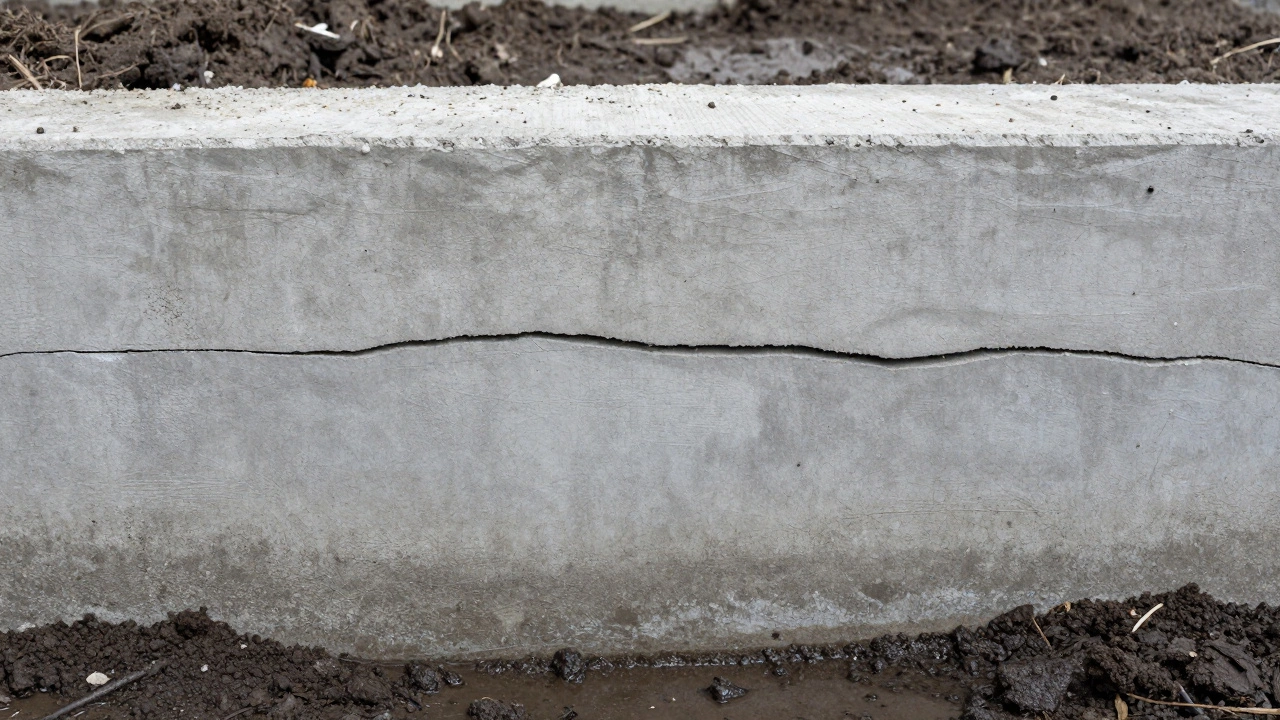
- Concrete footings that have cracked or broken under pressure
- Foundation walls bowing inward by more than 10mm
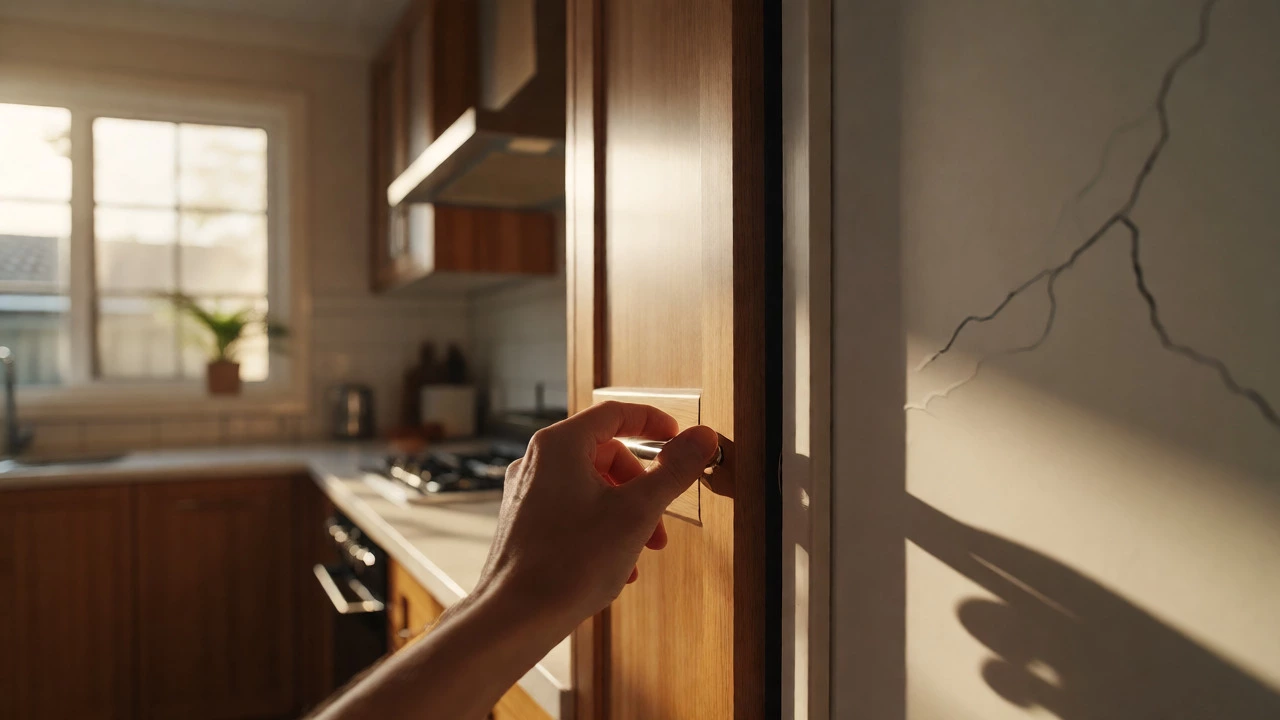
- Multiple doors and windows sticking across several rooms
- Vertical separation between the house and garage, or between the main structure and an extension
These aren’t cosmetic fixes. They’re structural interventions that require engineered solutions - not just patching and painting.
How Do You Know It’s Major and Not Just Settling?
Settling happens. New homes shift slightly in the first 2-3 years. But major foundation movement doesn’t stop. It keeps going. Here’s how to tell the difference:
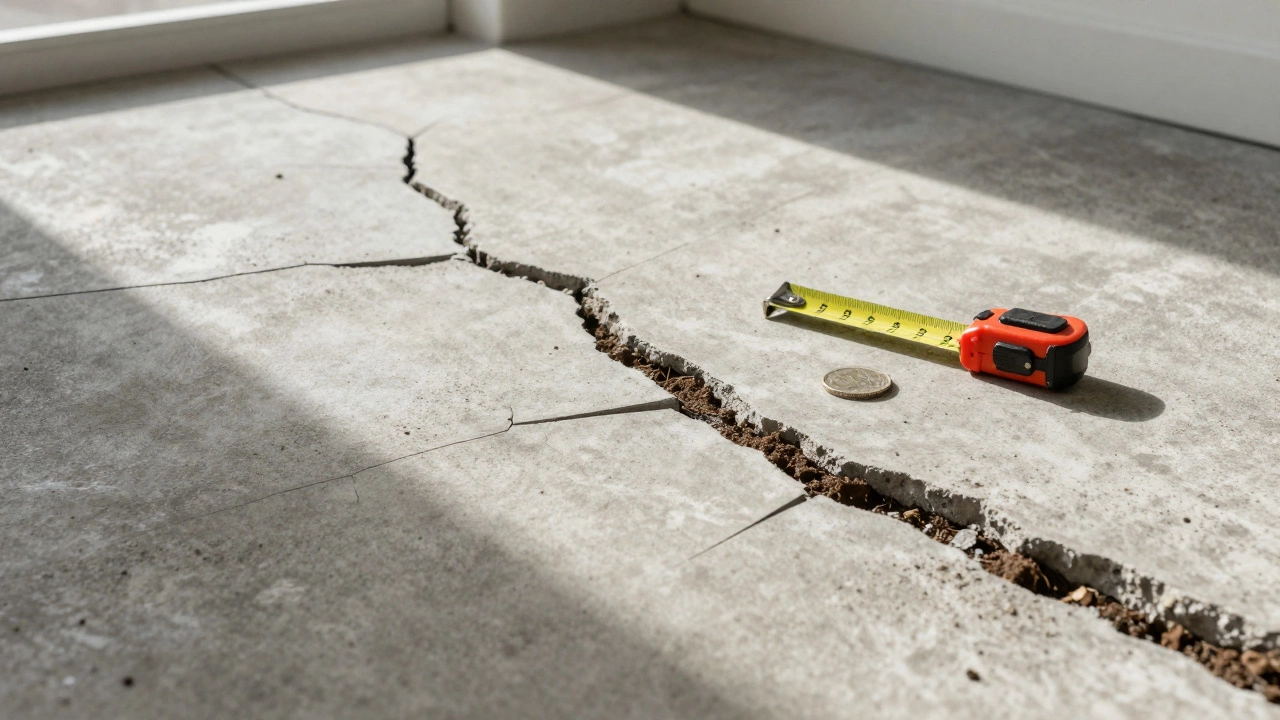
- Crack width: Cracks wider than a 5-cent coin (about 5mm) are a concern. If you can fit a pencil or a key into the crack, it’s serious.
- Crack pattern: Horizontal cracks in brick or concrete block walls are often caused by soil pressure and indicate lateral movement. Stair-step cracks in brickwork follow mortar joints and suggest differential settlement.
- Location: Cracks near load-bearing walls, under windows, or extending from the basement up to the roofline are more dangerous than those in non-structural areas like interior drywall.
- Progression: If a crack you noticed six months ago is now twice as wide, or if new cracks are appearing, it’s active movement - not settling.
- Secondary signs: Tilted chimneys, uneven floors (you can roll a marble across the room), or gaps between baseboards and walls are strong indicators of major foundation shift.
In Melbourne, homes built on expansive clay soils - common in the northern suburbs like Craigieburn and Keilor - are especially prone to this. Clay swells when wet and shrinks when dry. That cycle repeats every season, putting constant stress on foundations. A house that was fine last winter might show new cracks by summer if the soil has dried out too much.
Common Types of Major Foundation Repairs
Not all major repairs are the same. The solution depends on the foundation type and the cause of the damage.
Slab foundations (common in Melbourne homes built after 1970) often need slab jacking or piering. Slab jacking injects a grout mixture under the slab to lift it back into place. It’s faster and cheaper, but only works if the slab hasn’t broken apart. If the concrete is fractured into pieces, piering is required.
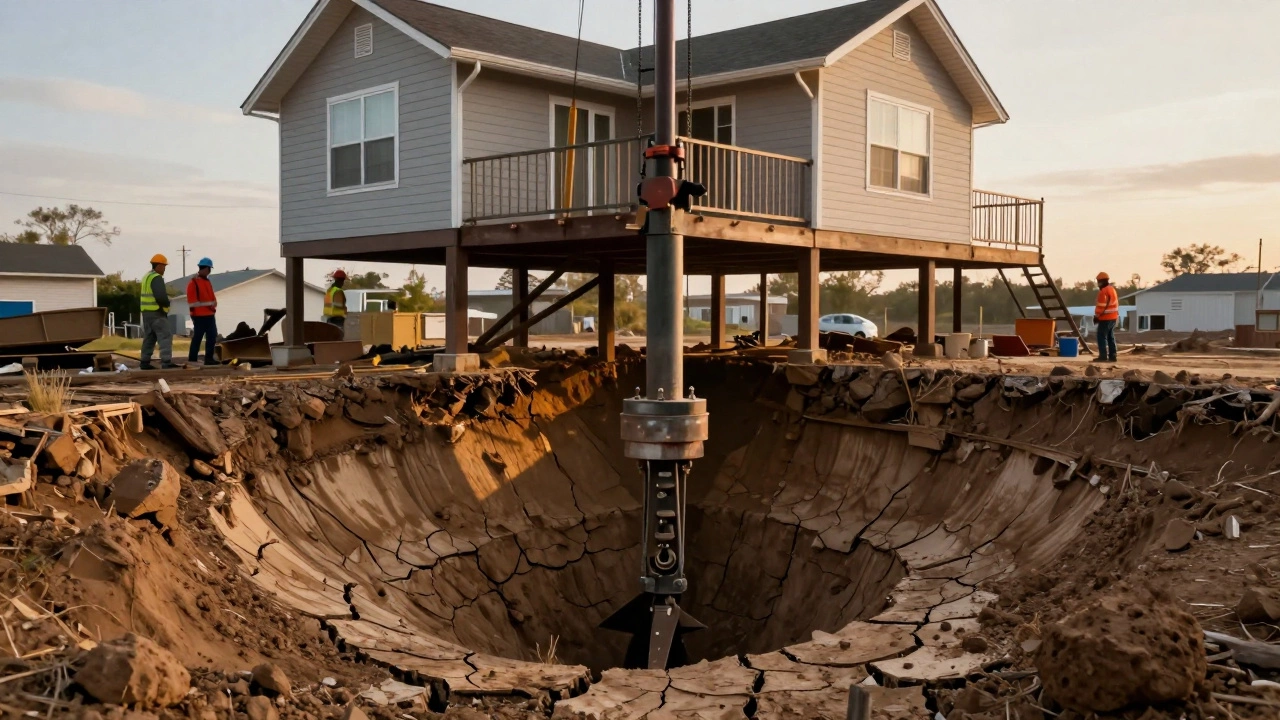
Piering involves installing steel or concrete piers deep into stable soil or bedrock below the foundation. Hydraulic jacks then lift the house and secure it in place. This is the go-to fix for homes with severe settlement. In Melbourne, steel push piers are most common because they can reach depths of 6-12 meters to avoid the shifting surface soils.
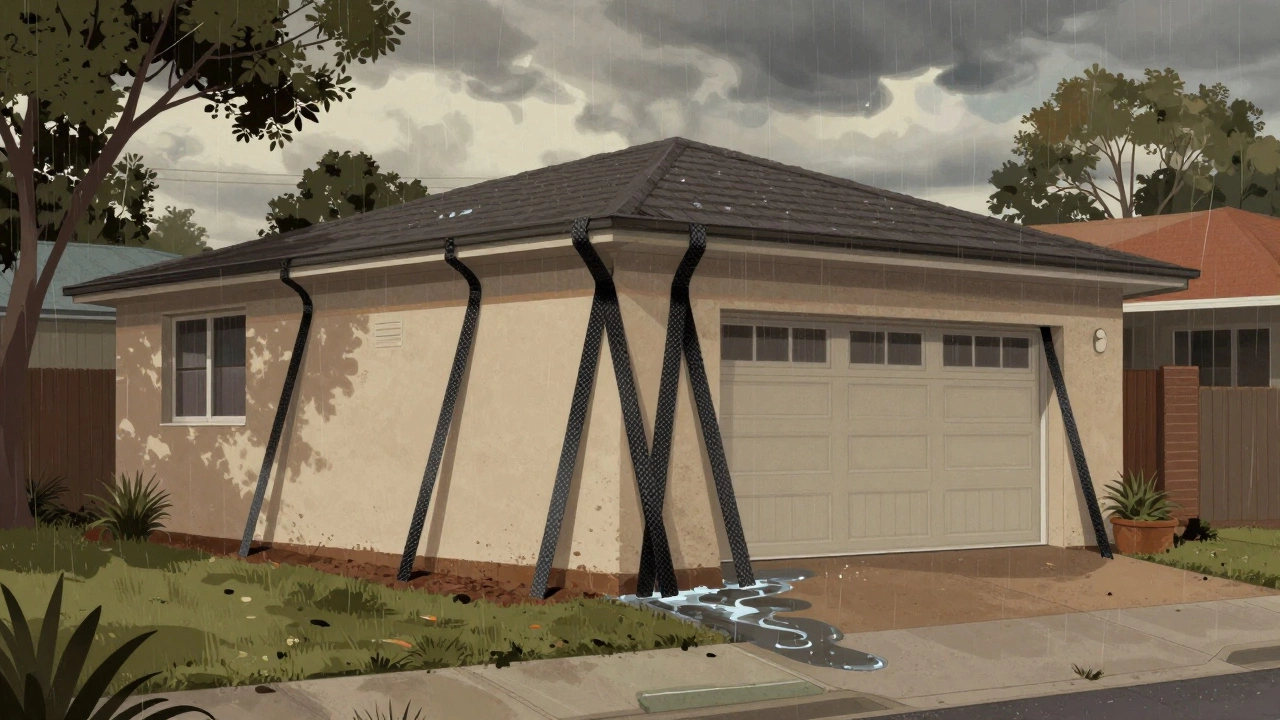
Wall repair is needed when basement or crawl space walls bow inward. Carbon fiber straps or steel I-beams are installed to stop further movement. In extreme cases, the wall is partially or fully rebuilt.
Underpinning - often confused with piering - is used when the original footings are too shallow or have eroded. It extends the foundation deeper to rest on more stable ground. This is common in older homes built on shallow footings before modern building codes.
Costs of Major Foundation Repair in Melbourne
Major repairs aren’t cheap. But the cost of ignoring them is far higher. In 2026, here’s what you can expect:
- Slab jacking: $3,000-$8,000 for a typical 3-bedroom home
- Steel piering: $8,000-$25,000, depending on number of piers and house size
- Wall reinforcement with carbon fiber: $1,500-$5,000 per wall
- Full underpinning: $15,000-$40,000+ for larger homes
These prices include engineering assessments, permits, and labor. You’ll pay extra if you need to move furniture, disconnect plumbing, or repair interior finishes afterward. Some companies offer fixed-price quotes - others charge by the pier. Always ask for a written scope of work. A quote that says “foundation repair” without details is a red flag.
Insurance rarely covers foundation damage unless it’s caused by a sudden event like a burst pipe or earthquake. Most policies exclude gradual settlement, soil movement, or poor drainage - the most common causes.
When to Act - And When to Wait
Don’t panic over every crack. But don’t wait until your ceiling collapses. Here’s a simple decision tree:
- Is the crack wider than 5mm? → Get it inspected.
- Are multiple doors/windows sticking? → Schedule a structural engineer’s report.
- Is the floor sloping more than 10mm over 3 meters? → Don’t delay - this affects structural safety.
- Are you planning to sell? → Even minor issues can tank your sale. Get it documented and repaired before listing.
Many homeowners wait until they’re forced to act - often during a property inspection. By then, the damage has worsened, and repair costs have doubled. Early intervention saves money and prevents secondary damage to plumbing, electrical, and framing.
What Happens If You Ignore It?
Ignoring major foundation repair doesn’t mean nothing happens. It means the problem gets worse - and spreads.
- Cracks widen, letting in water and pests
- Plumbing lines crack from shifting, leading to leaks and mold
- Electrical wiring becomes strained, creating fire hazards
- Walls and ceilings develop more cracks, requiring full repainting or plastering
- Structural timber rots from moisture intrusion
- Resale value drops by 15-30%
In Melbourne, where property values are high, a neglected foundation can erase years of equity. Buyers’ inspectors will spot it. Mortgage lenders may refuse finance. You’ll be stuck with a home that’s hard to sell - or worth far less than you paid.
How to Avoid Major Foundation Problems
Prevention is cheaper than repair. Here’s what works:
- Keep gutters clean and downspouts directed at least 2 meters from the foundation
- Install French drains if your yard slopes toward the house
- Water your lawn evenly during dry spells - especially in clay soil areas - to prevent soil shrinkage
- Don’t plant large trees within 3 meters of the house
- Check your foundation every 6 months for new cracks or changes
Some homeowners install moisture sensors near the foundation. These connect to apps and alert you if soil moisture drops too low - a common trigger for slab movement in Melbourne’s climate.
What to Look for in a Foundation Repair Company
Not all contractors are created equal. Look for:
- Registered builders with a current license (check VBA website)
- Engineering reports signed off by a licensed structural engineer
- At least 10 years of experience in foundation repair - not just general handyman work
- Warranties that cover both materials and workmanship for 10+ years
- Photos of past jobs - especially similar homes in your area
Avoid companies that offer free inspections but then pressure you into expensive solutions. Reputable firms will give you a written assessment and multiple options - not just one high-cost fix.
Is a 2mm crack in my concrete floor a sign of major foundation repair?
No, a 2mm crack is typically just surface shrinkage and not a sign of major foundation damage. These small cracks are common in new concrete and don’t affect structural integrity. Monitor it over time - if it widens beyond 5mm or new cracks appear nearby, get a professional assessment.
Can I fix major foundation damage myself?
No. Major foundation repair requires specialized equipment, engineering knowledge, and licensed contractors. DIY fixes like epoxy injections or patching may hide the problem temporarily but won’t stop movement. In fact, improper repairs can make things worse and void future insurance or sale eligibility. Always hire a qualified structural repair specialist.
How long does major foundation repair take?
Most major repairs take 3 to 10 days, depending on the method. Piering a single wall might take 2-3 days. Full slab lifting or underpinning for a 3-bedroom home can take 5-10 days. Interior cleanup and finishing work add another 2-3 days. Reputable companies will give you a detailed timeline before starting.
Will foundation repair affect my home insurance?
Having repairs done won’t affect your insurance premiums - but failing to fix known damage might. If you don’t address major foundation issues and later suffer water damage or collapse, insurers can deny your claim. Some insurers may even cancel your policy if they discover unreported structural problems during an inspection.
Do I need a permit for foundation repair in Melbourne?
Yes. Any structural repair that alters or supports the foundation requires a building permit under the Victorian Building Regulations. Licensed contractors handle this, but you should confirm they’ve applied for it. Working without a permit can lead to fines and complications when selling your home.
Next Steps if You Suspect Major Damage
If you’ve noticed signs of major foundation movement:
- Take clear photos of all cracks, sticking doors, and uneven floors.
- Mark the location and date of each issue on a sketch of your home.
- Call a structural engineer - not just a repair company. They’ll give you an unbiased assessment.
- Get at least two written quotes from licensed contractors with engineering-backed proposals.
- Review warranties and ensure they cover both materials and future movement.
Foundation problems don’t fix themselves. But with the right action, they don’t have to destroy your home’s value or safety either. The key is recognizing the signs early - and acting before the damage becomes irreversible.