Curtain vs. Blind Selection Tool
Find Your Perfect Window Treatment
Select your room type and key priorities to see whether curtains or blinds are the best fit for your space.
Recommendation
Pro Tip: For best results, hang curtains 4-6 inches above the window frame and extend 6-12 inches beyond the sides.
Let’s be honest-when you walk into a showroom and see thick, floor-length velvet drapes with tassels, it’s hard not to think, “Is this 1985?” Curtains have been painted as the ugly cousin of minimalist blinds and sleek roller shades. But here’s the truth: curtains aren’t outdated. They’ve just been misunderstood.
Why Curtains Got a Bad Reputation
Curtains didn’t disappear because they stopped working. They faded because they got lazy. In the 2000s, heavy, layered drapes with matching valances became the default. They were used in every house, every TV show, every rental apartment-no matter the style. That overuse turned them into a cliché. People started associating curtains with clutter, dust traps, and outdated interiors.
Then came the rise of blinds, shades, and shutters. Clean lines. Low maintenance. Easy to clean. They promised efficiency. And for a while, they delivered. But efficiency doesn’t always equal comfort. Curtains do something no blind can: they soften light, block noise, and add warmth to a room in a way that feels human.
Modern Curtains Are Nothing Like Your Grandma’s
Today’s curtains are designed for real life-not for a 1970s living room photo shoot. The new wave of curtain design is all about simplicity, texture, and intention.
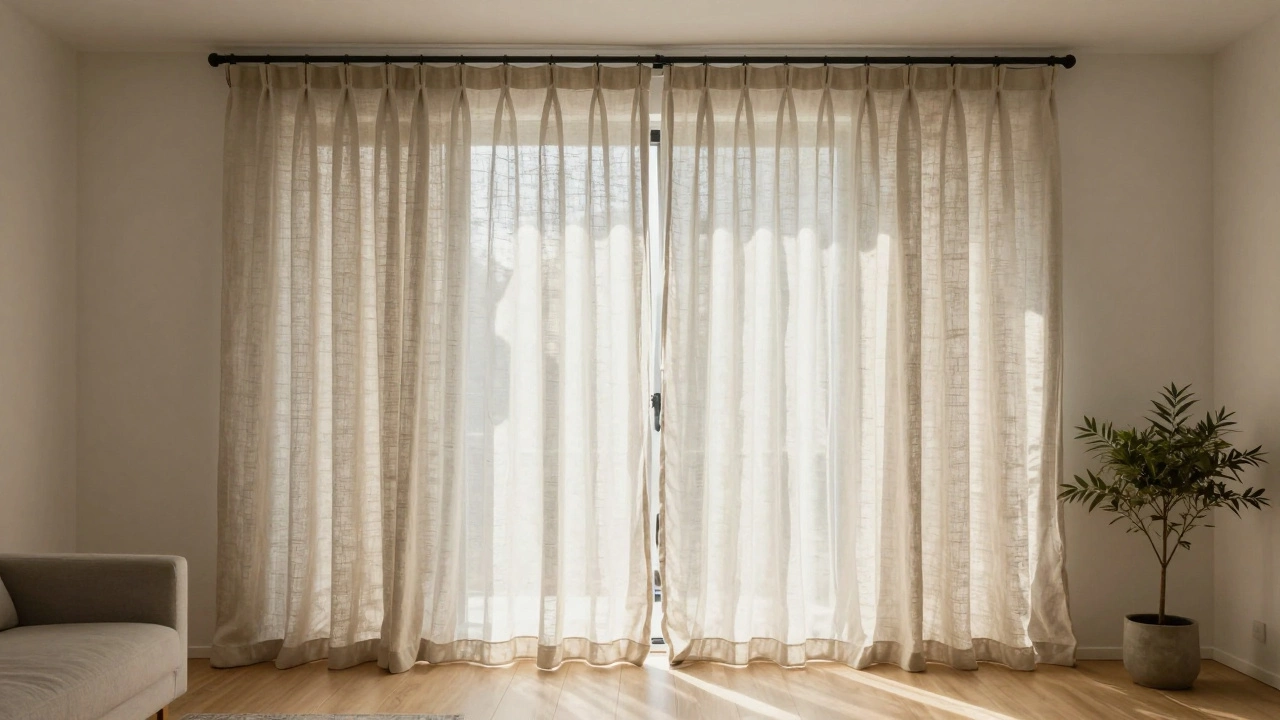
- Lightweight linens in neutral tones hang softly, letting morning light filter through like a haze.
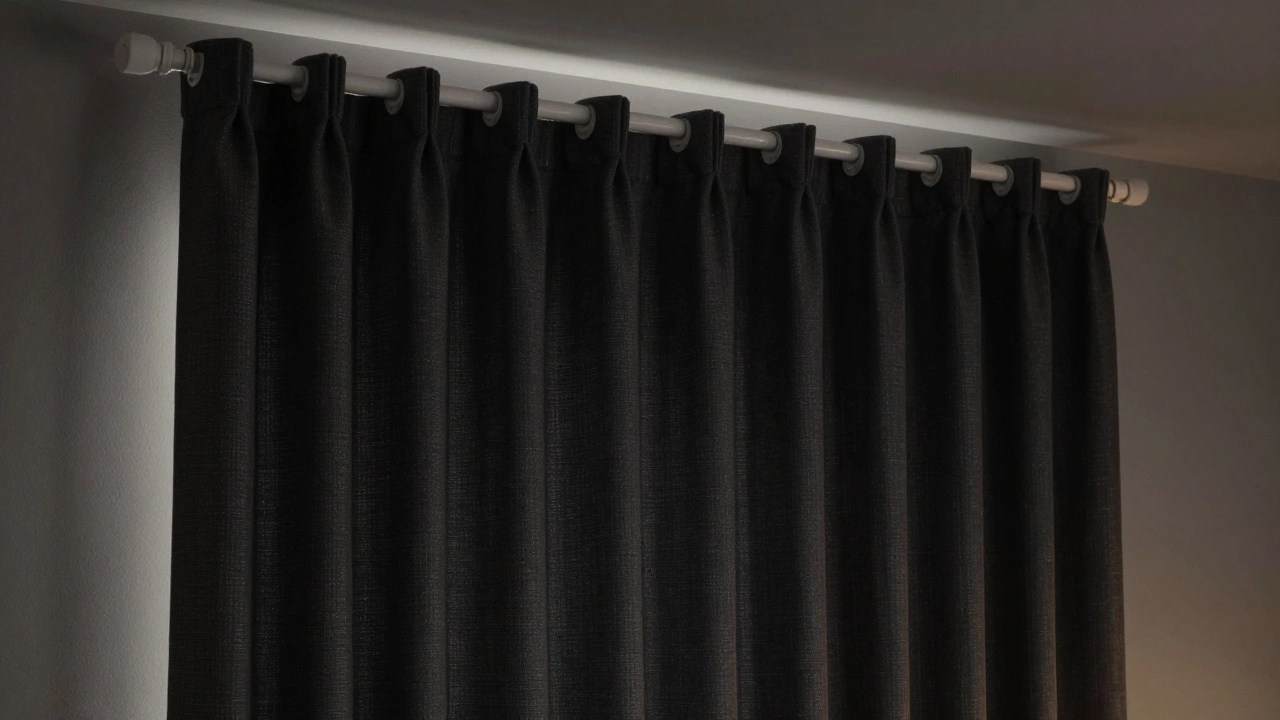
- Blackout panels made from recycled fabrics now look like designer wall art, not hospital curtains.
- Double-layer systems combine sheer underlayers with opaque outer panels-perfect for controlling light without losing elegance.
- Floor-to-ceiling lengths are back, but now they’re hung just under the ceiling, making rooms feel taller and more dramatic.
- Patterned curtains aren’t floral anymore. Think geometric weaves, muted abstract prints, or tonal stripes that blend into the wall.
In Melbourne, where light changes dramatically across the seasons, many homeowners are switching back to curtains-not because they’re trendy, but because they’re practical. A good linen curtain diffuses harsh afternoon sun in summer and traps heat in winter. That’s not decoration. That’s smart design.
When Curtains Still Make Sense
Not every window needs a curtain. But here are the places where they still win:
- Bedrooms - Especially if you need complete darkness. Modern blackout curtains block 99% of light without looking bulky.
- Living rooms with large windows - Curtains add scale and soften hard architectural lines.
- Home offices - A sheer curtain can reduce glare on screens without blocking natural light.
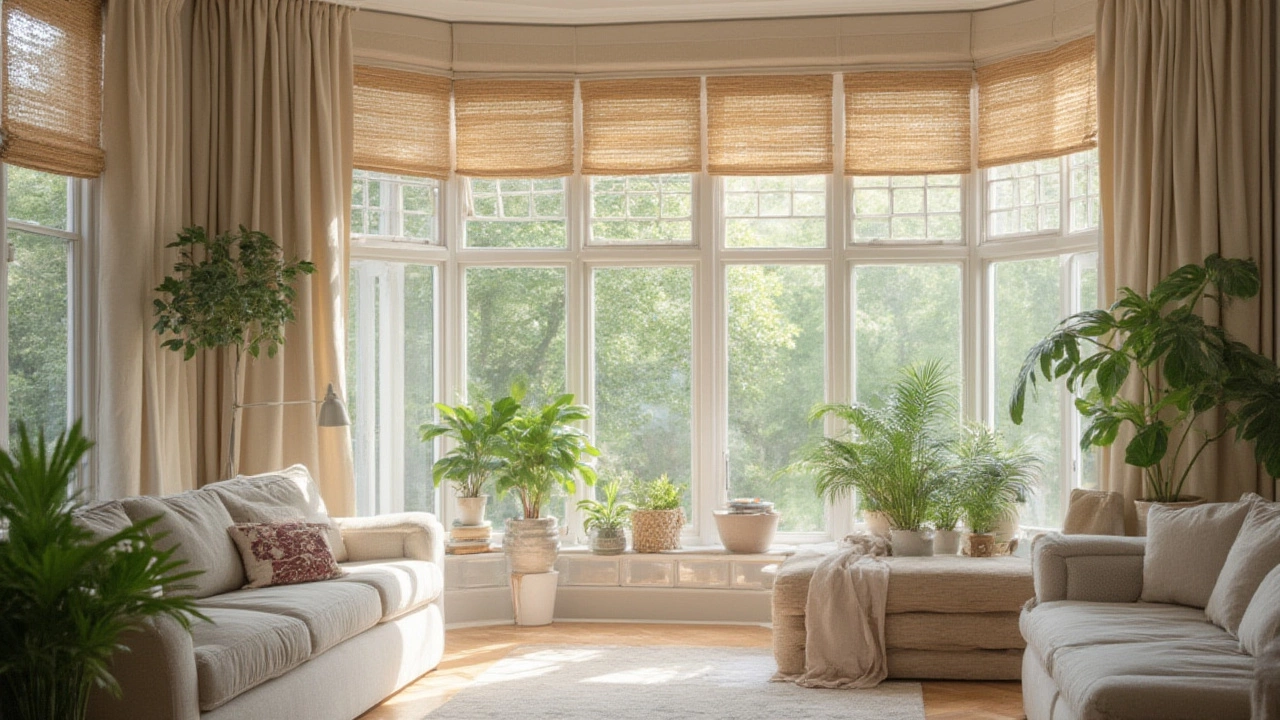
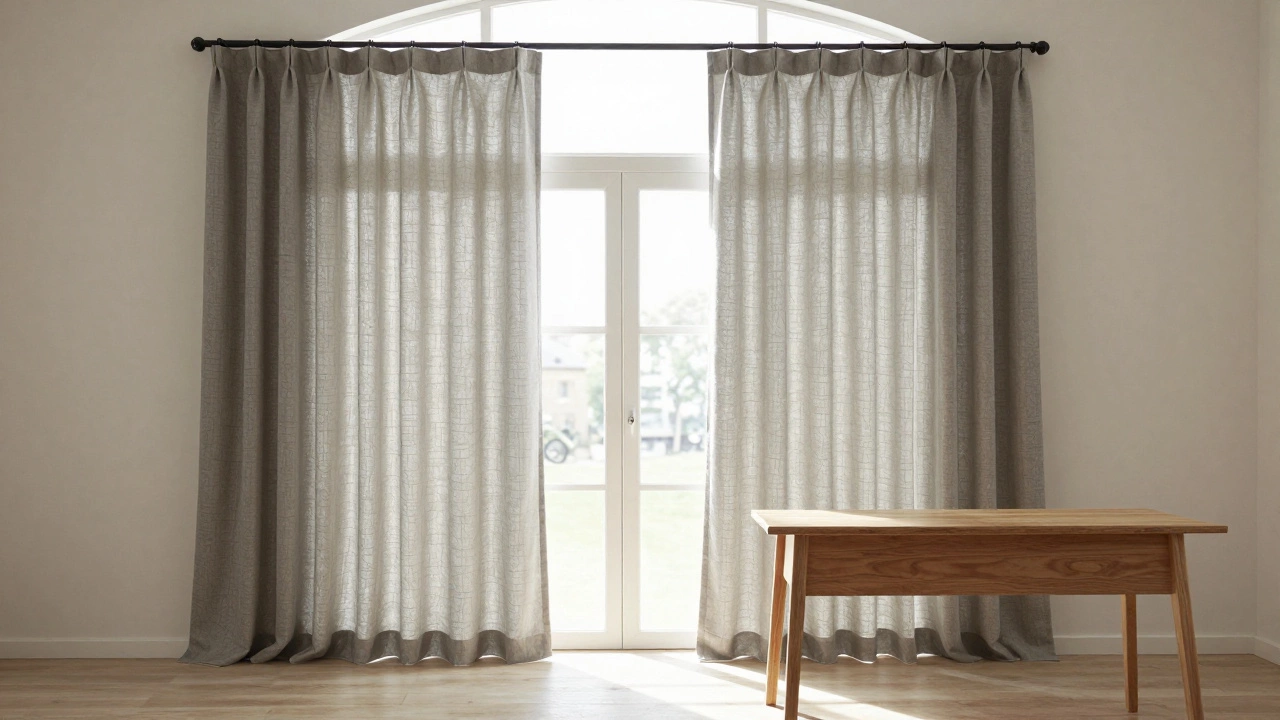
- Rooms with odd-shaped windows - Bay windows, arched openings, or sliding glass doors? Curtains adapt. Blinds don’t.
And here’s a real-world example: a client in Fitzroy recently replaced her cheap polyester blinds with handwoven cotton curtains in a warm oat color. The difference? The room went from sterile to cozy. The light felt gentler. The noise from the street dropped noticeably. She didn’t even realize how much she’d missed that until it was back.
Curtains vs. Blinds: What Actually Matters
Let’s cut through the noise. It’s not about curtains being better than blinds. It’s about choosing the right tool for the job.
| Feature | Curtains | Blinds |
|---|---|---|
| Light Control | Excellent (layered options) | Good (but gaps between slats) |
| Noise Reduction | High (fabric absorbs sound) | Low (hard surfaces reflect noise) |
| Insulation | Very good (especially lined) | Poor |
| Maintenance | Washable (machine-safe fabrics available) | Easy to dust, but hard to clean between slats |
| Aesthetic Flexibility | High (color, texture, pattern, length) | Low (limited finishes, usually white or wood) |
Blinds are great for kitchens and bathrooms-places where moisture and grease are a problem. But for living spaces? Curtains offer something blinds never could: personality.
The Secret to Not Looking Like a 90s Movie Set
If you’re worried about curtains looking dated, here’s how to avoid it:
- Hang them high - Install the rod within 4 inches of the ceiling. It creates vertical lines that make ceilings feel higher.
- Go full length - Let them just kiss the floor. No puddling. No lifting. Just clean lines.
- Choose simple hardware - Matte black, brushed brass, or matte white rods. No ornate finials.
- Use single panels - For large windows, two panels are fine. But for smaller ones, one wide panel looks cleaner.
- Match your wall color - A curtain in a shade slightly lighter or darker than your wall blends in like a texture, not a statement.
One rule I’ve seen work every time: if your curtain color doesn’t match any other color in the room, it’s too loud. Modern curtains don’t shout. They whisper.
What’s Replacing Curtains? Nothing.
Some say smart shades are the future. Others swear by Roman blinds. But here’s what I’ve noticed in homes built after 2020: the best interiors mix everything. A linen curtain in the living room. A blackout roller shade in the bedroom. A sheer panel in the hallway. It’s not about choosing one over the other. It’s about using the right solution for each space.
Curtains aren’t coming back because they’re trendy. They’re coming back because they work. They’re quiet, adaptable, and deeply human. They don’t just cover windows. They shape how a room feels.
Final Thought: It’s Not About Style. It’s About Sensation.
Think about this: when you walk into a room with perfect natural light, soft shadows, and a gentle rustle of fabric as the breeze moves through-it doesn’t feel like a design choice. It feels like peace.
That’s what curtains do. They don’t compete with architecture. They complement it. They don’t demand attention. They invite calm.
So, are curtains old fashioned? No. They’re timeless. You just had to learn how to wear them again.
Are blackout curtains still in style?
Yes-especially in bedrooms and media rooms. Modern blackout curtains use advanced fabric tech that blocks 99% of light without looking bulky. Brands like Lumi and Blackout Living now offer them in linen, cotton, and even recycled polyester with matte finishes that blend into walls. They’re no longer the thick, shiny, hotel-style panels of the past.
Do curtains make a room look smaller?
Only if they’re hung wrong. Hanging curtains too low or too narrow makes ceilings look lower. The fix? Mount the rod as close to the ceiling as possible and extend it 6-12 inches beyond the window on each side. This tricks the eye into seeing a larger window and taller room. Light fabrics help too-dark, heavy drapes in small rooms can feel claustrophobic.
Can I use curtains in a modern, minimalist home?
Absolutely. Minimalist interiors often use single, unadorned panels in neutral tones-think oat, taupe, or stone gray. The key is simplicity: no layers, no tassels, no valances. The fabric itself becomes the detail. A well-chosen linen curtain adds warmth without clutter, which is the whole point of minimalism.
How often should I wash curtains?
Every 6-12 months, depending on your environment. If you live near the coast, in a dusty area, or have pets, clean them every 6 months. Most modern curtains are machine-washable in cold water on a gentle cycle. Always check the label. Air-dry them to avoid shrinkage. If you’re unsure, dry cleaning is still a safe option for delicate weaves.
What’s the best fabric for curtains in 2026?
Linen blends are the top pick-they breathe well, drape beautifully, and resist wrinkles. For blackout needs, look for cotton with a thermal backing. Recycled polyester is gaining popularity because it’s durable, easy to clean, and eco-friendly. Avoid cheap polyester blends that shine under light-they look dated. Natural fibers with a slight texture give depth without clutter.
Should I match my curtains to my walls or my furniture?
Match them to the wall, not the furniture. Curtains are meant to frame the window, not compete with the room. A curtain that’s one shade lighter or darker than your wall creates subtle depth. If you want color, choose a tone from your rug or artwork instead. This keeps the look intentional, not chaotic.