Shaker vs Traditional Kitchen Style Matcher
Select your preferences above to discover which kitchen style suits your lifestyle and home best.
You walk into a kitchen and immediately feel the vibe. Is it warm and ornate? Or is it clean and crisp? That split-second judgment call usually comes down to one major decision: the style of your cabinetry. Specifically, are you looking at a shaker kitchen or a traditional kitchen? It’s not just about aesthetics; it’s about how you live, how you clean, and how much you’re willing to invest in your home.
If you’re renovating in Melbourne or anywhere else in Australia right now, this choice is critical. The market has shifted heavily toward minimalism, but traditional styles still hold their ground for heritage homes and classic tastes. Let’s break down exactly what sets these two apart so you can make a confident choice without second-guessing yourself later.
The Core Visual Difference: Simplicity vs. Ornamentation
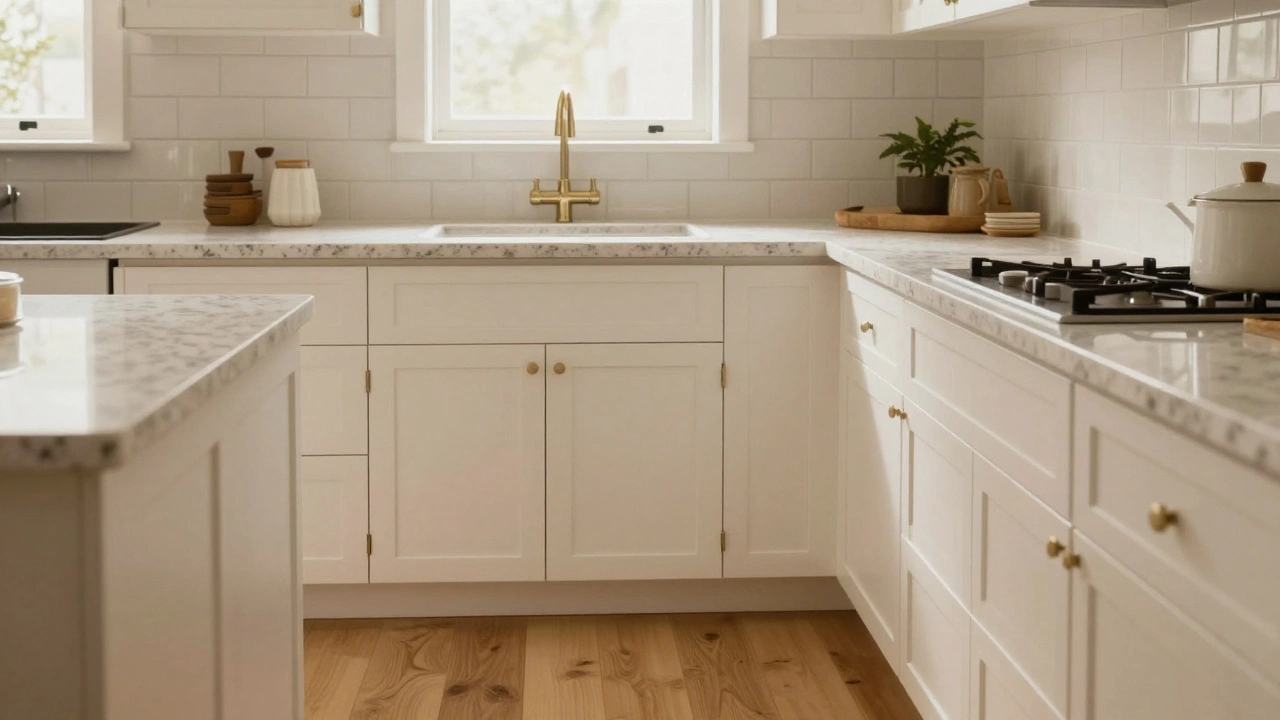
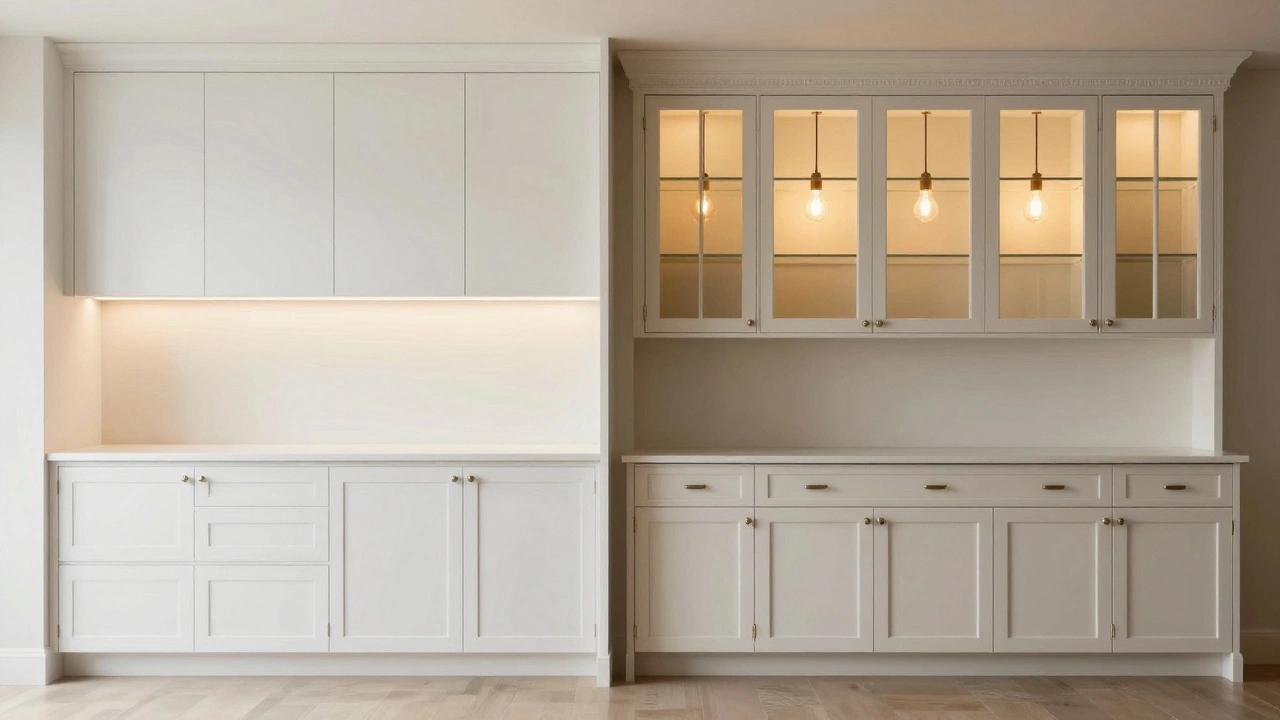
The most obvious difference lies in the door fronts. When you look at a Shaker cabinet, which is a style characterized by simple, unadorned frames with a flat center panel, you see restraint. Think five-piece construction: four stiles and rails forming a square or rectangle, with a solid, flat board in the middle. There are no raised panels, no carved details, and no fancy moldings. Just clean lines.
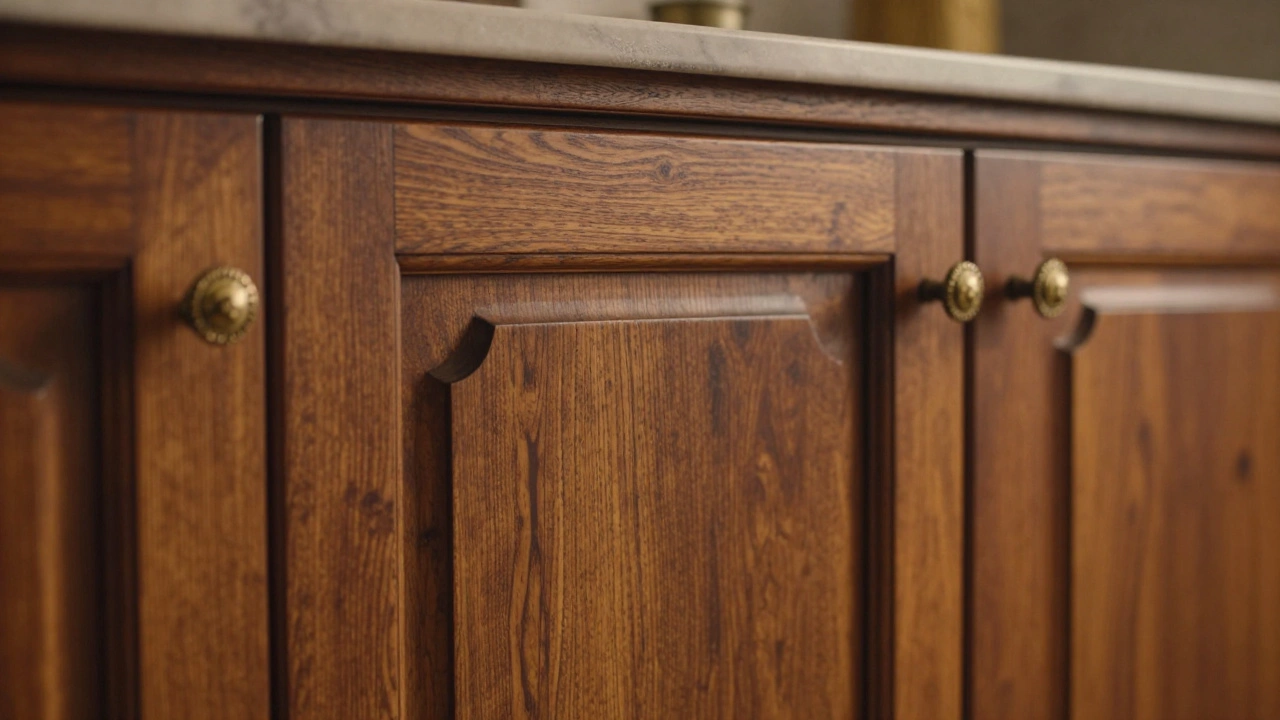
In contrast, a Traditional kitchen often features cabinets with raised panels, intricate molding, and decorative detailing. These doors might have beveled edges, ogee profiles, or even glass inserts. The goal here is depth and texture. Traditional kitchens love ornamentation. They want to show off craftsmanship through carving and layering.
Ask yourself: Do you want your kitchen to be the star of the show with lots of visual interest, or do you want it to serve as a calm, neutral backdrop for your life? Shaker says "background." Traditional says "look at me."
Historical Roots and Modern Adaptations
Understanding where these styles come from helps you appreciate why they look different. The Shaker style originated with the United Society of Believers in Christ's Second Appearing, commonly known as the Shakers. In the early 19th century, they valued functionality and simplicity above all else. Their philosophy was that beauty came from utility, not decoration. Hence, the sturdy, simple cabinets that lasted for generations.
Traditional kitchens, on the other hand, draw from European aristocratic designs-think French Country, English Cottage, or American Colonial. These styles were designed to display wealth and status. The elaborate carvings and heavy moldings were meant to impress guests. Today, we’ve toned down the excess, but the DNA remains. You’ll still see crown molding, wainscoting, and detailed hardware in traditional setups.
Interestingly, Shaker style has become the dominant force in modern Australian interiors. Why? Because it bridges the gap between old-world charm and contemporary minimalism. It fits perfectly in a sleek apartment in South Yarra just as well as it does in a rustic farmhouse in the Yarra Valley.
Material Choices and Finish Options
While both styles can use similar materials, the way those materials are treated differs significantly. Shaker kitchens thrive on matte or satin finishes. Glossy finishes tend to highlight imperfections in the simple planes, which defeats the purpose of the minimalist aesthetic. Common woods for Shaker include painted white oak, maple, or pine. The paint job is crucial-it needs to be flawless because there’s nowhere for flaws to hide.
Traditional kitchens often feature natural wood stains. Walnut, cherry, and mahogany are popular choices because their grain patterns add visual complexity that complements the raised panels. If you do paint a traditional kitchen, it’s often in deeper colors like navy blue, forest green, or cream, paired with metallic accents like brass or bronze handles.
| Feature | Shaker Kitchen | Traditional Kitchen |
|---|---|---|
| Finish Type | Matte, Satin, Low-Gloss | Semi-Gloss, High-Gloss, Natural Stain |
| Common Woods | Oak, Maple, Pine (Painted) | Walnut, Cherry, Mahogany (Stained) |
| Hardware Style | Simple Cup Pulls, Minimalist Knobs | Ornate Handles, Decorative Knobs |
| Molding Usage | Minimal or None | Extensive Crown and Base Molding |
Cost Implications: Which is More Expensive?
This is where things get tricky. Generally speaking, Shaker cabinets are less expensive than traditional ones, but not always. The cost depends largely on customization. A standard Shaker cabinet from a big-box store is cheap because it’s mass-produced. However, a custom-painted Shaker kitchen with soft-close hinges and high-quality timber can easily rival the price of a mid-range traditional kitchen.
Traditional kitchens often carry a higher baseline cost due to the labor involved. Raised panels require more machining time. Intricate moldings need skilled carpenters to install correctly. If you’re going for a true heritage look with hand-carved details, prepare for a significant budget increase. Labor costs in Australia have risen sharply since 2024, making skilled joinery a premium service.
Rule of thumb: If you’re on a tight budget, go Shaker. If you have the funds and want a statement piece, go Traditional. But remember, resale value matters. In Melbourne’s current market, buyers favor versatile, neutral spaces. An overly ornate traditional kitchen might limit your buyer pool compared to a timeless Shaker design.
Maintenance and Daily Living
Let’s talk reality. How easy is it to keep these kitchens clean? Shaker kitchens win hands down. Flat surfaces don’t trap dust. Grease wipes off easily. There are no crevices for crumbs to hide in. If you cook daily, especially if you enjoy frying or baking, the simplicity of Shaker doors will save you hours of scrubbing over the years.
Traditional kitchens, with their raised panels and decorative moldings, collect dirt. Dust settles in the grooves. Fingerprints show up more prominently on glossy stained wood. Cleaning requires more effort and attention to detail. If you hate cleaning, or if you have young kids who tend to spill things, a traditional kitchen might become a chore rather than a joy.
Also consider wear and tear. Shaker doors are robust. The simple frame structure is strong and resistant to warping if properly sealed. Traditional doors with large raised panels can be prone to cracking or splitting if the humidity changes drastically-a common issue in coastal areas like Geelong or Sorrento.
Which Style Fits Your Home?
Your existing architecture should guide your decision. If you live in a Victorian terrace or a Federation-era home, a traditional kitchen might blend better with the period details. Arched doorways, fireplaces, and cornices call for complementary cabinetry. A stark Shaker kitchen might feel out of place unless you intentionally want a contrast.
Conversely, if you’re in a modern apartment, a new build, or a renovated industrial loft, Shaker is almost always the safer bet. It complements concrete floors, stainless steel appliances, and open-plan living. It doesn’t fight against the modern elements; it enhances them by providing warmth without clutter.
Consider the lighting too. Traditional kitchens often benefit from dimmer switches and pendant lights to create cozy, intimate atmospheres. Shaker kitchens shine under bright, even lighting, emphasizing cleanliness and openness. Think about how you use your kitchen. Is it a social hub for parties? Or a quiet space for morning coffee? The answer influences the mood you want to create.
Hybrid Approaches: Best of Both Worlds
You don’t have to choose strictly one or the other. Many designers now recommend hybrid approaches. For example, you could have Shaker-style base cabinets for practicality and ease of cleaning, paired with traditional upper cabinets featuring glass fronts and subtle molding. This balances function with form.
Another option is to use Shaker doors but add traditional elements elsewhere. Install crown molding around the perimeter, use a traditional range hood, or incorporate a farmhouse sink. This gives you the clean lines of Shaker while retaining the character of traditional design. It’s a smart compromise that satisfies both aesthetic desires and practical needs.
Can I mix Shaker and traditional cabinets in the same kitchen?
Yes, you can mix them, but proceed with caution. Mixing styles works best when you maintain consistency in color and hardware. For instance, use Shaker doors for lower cabinets where durability matters, and traditional doors for upper cabinets to add visual interest. Ensure the proportions and scale of the doors match to avoid a disjointed look.
Are Shaker kitchens considered outdated in 2026?
No, Shaker kitchens are far from outdated. They remain one of the most popular styles globally due to their versatility. While trends shift towards handle-less designs or ultra-minimalist looks, Shaker offers a timeless balance. It adapts easily to changing decor trends by simply updating hardware or paint colors.
Which kitchen style increases property value more?
In most markets, including Melbourne, Shaker kitchens tend to offer better returns on investment. They appeal to a broader range of buyers who prefer neutral, adaptable spaces. Highly stylized traditional kitchens may alienate potential buyers who find them too specific or difficult to update. Neutral Shaker designs are seen as safe, high-quality upgrades.
What is the average cost difference between Shaker and traditional kitchens?
On average, traditional kitchens can cost 15-30% more than comparable Shaker kitchens due to complex manufacturing processes and installation requirements. However, prices vary widely based on materials, brand, and customization level. Custom Shaker kitchens can sometimes exceed the cost of semi-custom traditional options.
How do I choose hardware for a Shaker kitchen?
Keep it simple. Choose cup pulls or small, understated knobs. Avoid ornate designs that clash with the minimalist ethos of Shaker style. Materials like brushed nickel, matte black, or brass work well. Ensure the hardware size is proportional to the cabinet door-too large and it overwhelms the simple lines; too small and it gets lost.