Foundation Issue Severity Checker
Enter details about your home's condition below to get an estimated severity rating and recommended next steps.
Severity Level
InfoRisk Score
0
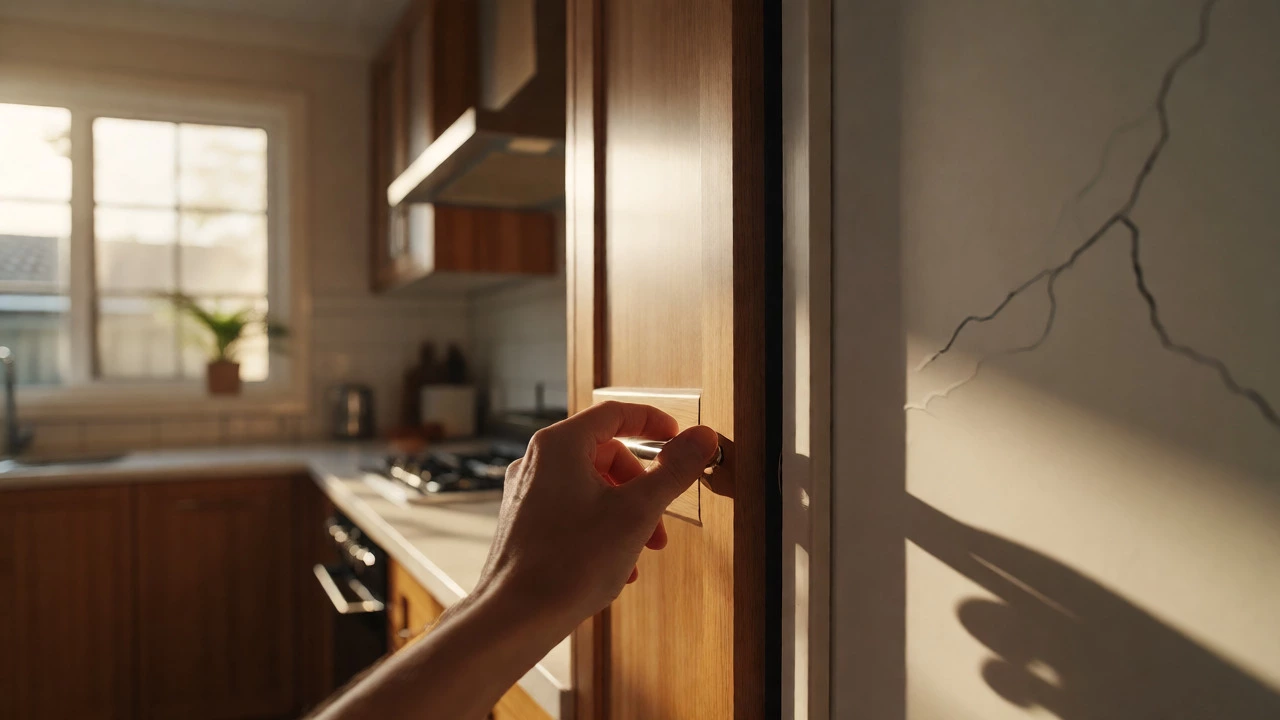
Out of 10You walk into your kitchen on a Tuesday morning, reach for the cabinet door, and it sticks. You push harder, it catches, then finally swings open with a groan. Maybe you ignore it. After all, doors stick sometimes, right? But if that same door was fine last month, something shifted. Literally.
Most homeowners don’t think about their foundation until it starts screaming at them in the form of cracked drywall or uneven floors. The problem is, by the time the symptoms are obvious, the underlying issue might have been brewing for years. In Melbourne’s reactive clay soils, this isn't just a nuisance-it's a common reality. Knowing how to spot foundation issues early can save you thousands in repairs and keep your property value intact.
The Silent Shift: Why Foundations Move
A foundation is the base upon which a building stands. It transfers the weight of the structure to the ground. When the ground beneath changes-expands, contracts, erodes, or settles-the foundation moves with it. This movement creates stress on the structure above, leading to visible damage.
In Australia, particularly in areas like Melbourne and Sydney, soil moisture content fluctuates wildly. During wet seasons, clay soils swell; during droughts, they shrink. This cycle of expansion and contraction puts immense pressure on footings. If your home sits on a slab-on-ground construction, as many do here, these shifts manifest directly in the concrete slab itself.
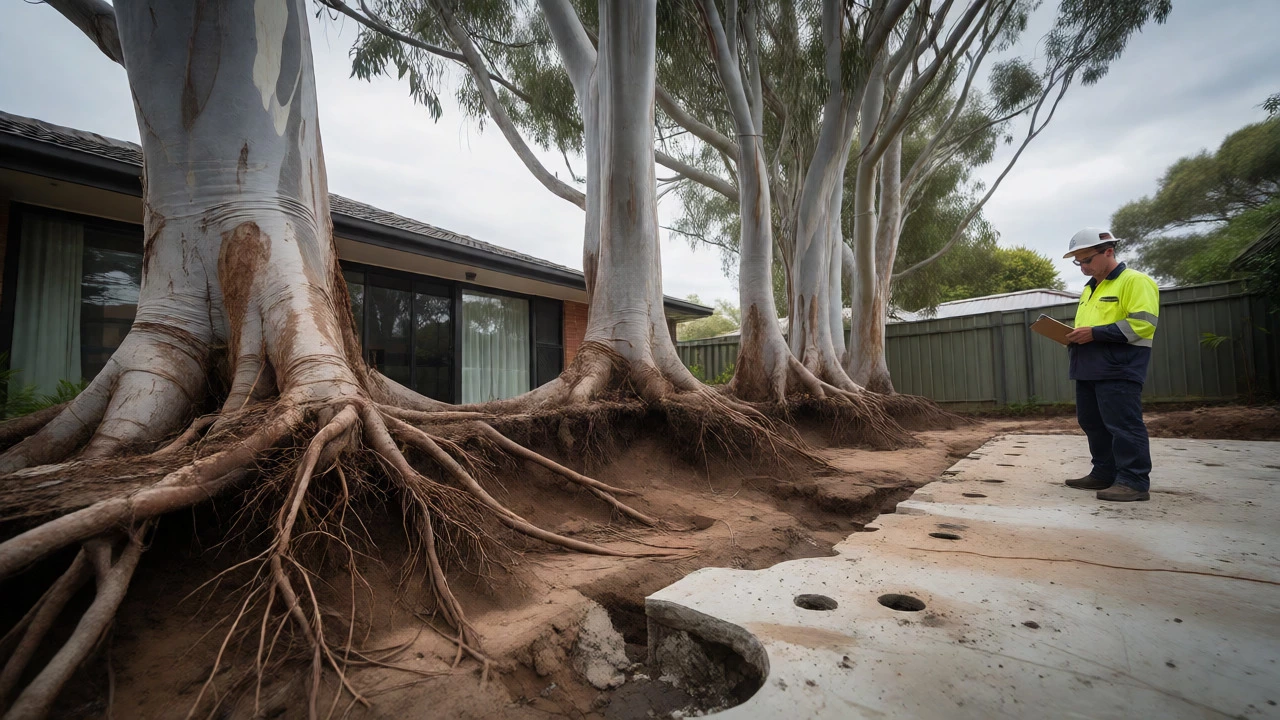
But it’s not just weather. Poor drainage, leaking pipes under the slab, or even large trees planted too close to the house can suck moisture from the soil, causing localized subsidence. Understanding the cause helps you judge the severity. A one-off crack after a massive storm might heal. A widening crack during a dry spell? That’s a red flag.
Visual Clues Inside Your Home
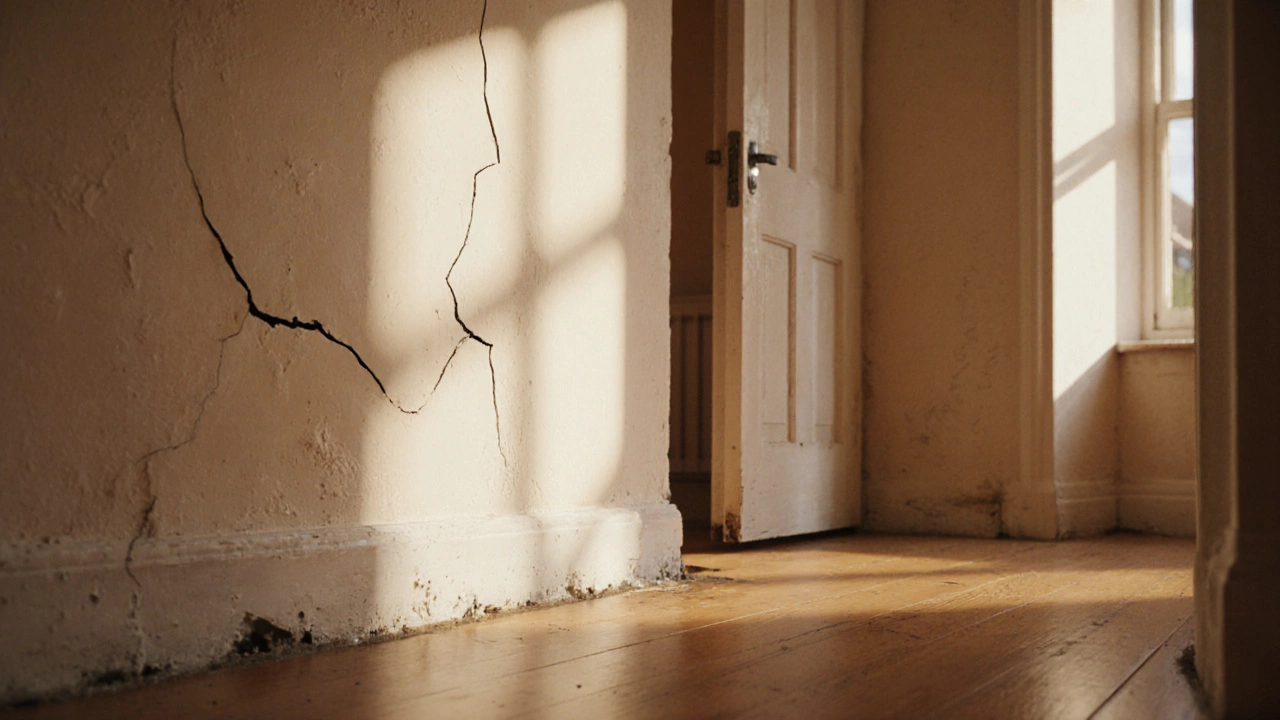
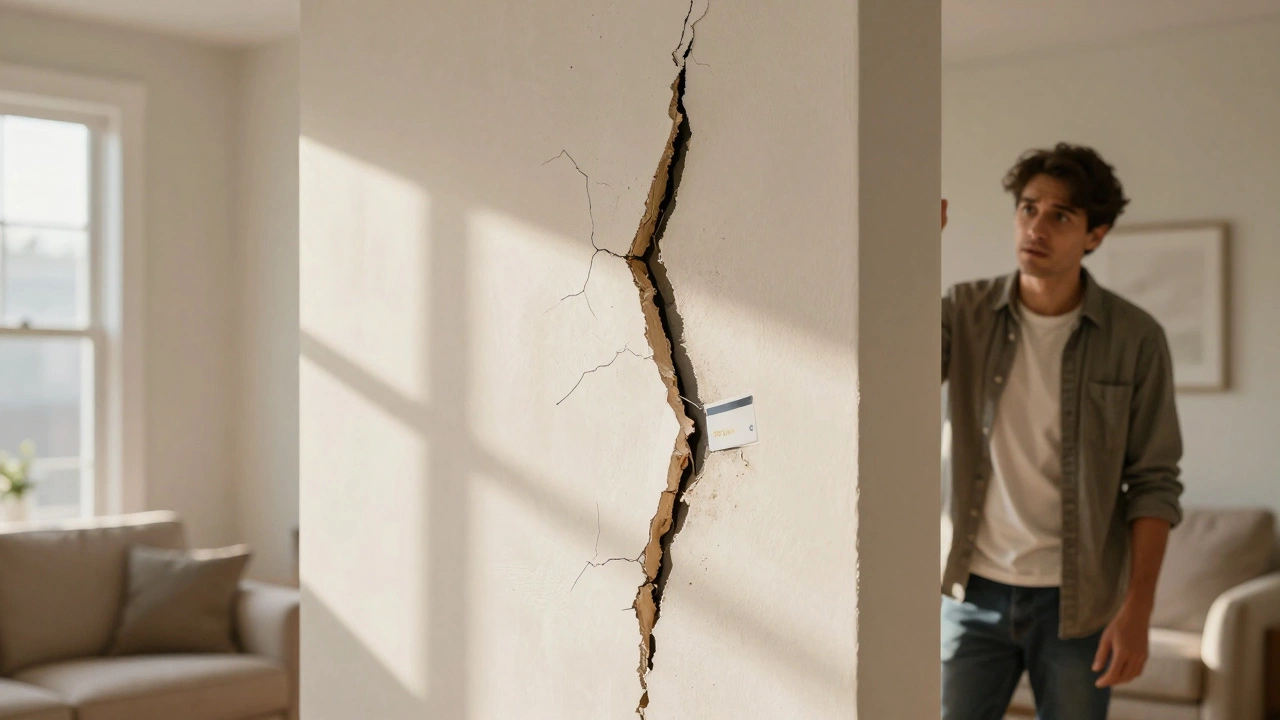
Your interior walls are the first place most people notice trouble. Look for diagonal cracks extending from the corners of windows and doors. These aren't just cosmetic hairline fractures; if they’re wider than 3mm (about the thickness of a coin), pay attention. Cracks that taper off as they go up the wall often indicate settlement, while those running horizontally suggest different pressures.
Check your door frames. Stand in the doorway and look down the length of the frame. Does it bow? Do the doors swing open or shut on their own when level? If you have to lift a door handle to close it because it drags on the floor, your floor joists or slab may be dipping. This is especially noticeable in bathrooms and kitchens where tile grout might start cracking or tiles popping loose.
- Sticking Doors and Windows: Frames warp as the house twists.
- Cracked Plasterboard: Look for stair-step patterns in brick veneer or diagonal lines in internal walls.
- Gaps Between Walls and Ceilings: Cornices separating from the ceiling indicate vertical movement.
- Uneven Floors: Roll a marble across the floor. If it consistently rolls to one corner, you have a slope issue.
External Warning Signs
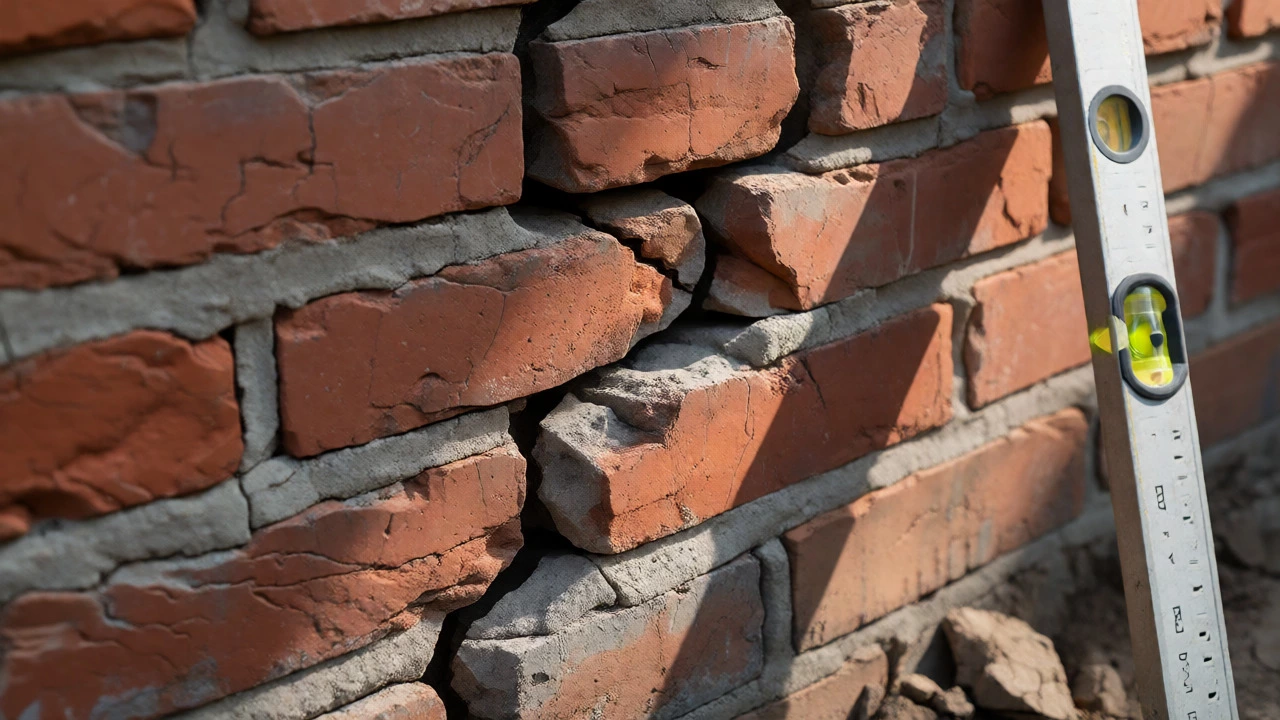
Walk around the exterior of your house. Grab a spirit level and place it against external brickwork. Is the mortar joint straight? Brickwork should generally remain plumb. If you see gaps between the brickwork and the window sills, or if the eaves look wavy rather than straight, the roof line has likely distorted due to foundation movement.
Pay attention to your gutters and downpipes. If water pools near the foundation after rain, check if the garden bed has sunk away from the house. Conversely, if the soil looks pulled away from the bricks, it might be shrinking due to tree roots. Vegetation management is critical here. Large gum trees or willows within 5-10 meters of the house can extract significant moisture, exacerbating soil instability.
| Crack Width | Likely Cause | Action Required |
|---|---|---|
| < 1mm | Cosmetic shrinkage | Monitor only |
| 1-3mm | Minor settlement | Inspect annually |
| 3-6mm | Moderate movement | Professional assessment recommended |
| > 6mm | Severe structural shift | Immediate engineer inspection |
When to Call an Expert
Not every crack means disaster. Many older homes have settled naturally over decades. The key indicator is progression. Mark the ends of a crack with tape and a date. Check it again in three months. If the tape breaks or the gap widens, the movement is active. Active movement requires intervention.
You need a structural engineer, not just a builder. Builders fix the symptom (the crack); engineers diagnose the disease (the soil and footing failure). An engineer will assess whether the issue is isolated or systemic. They’ll determine if the footing type (strip footings, pad footings, or raft) is failing and recommend remediation strategies like underpinning or slab jacking.
Underpinning involves strengthening the existing foundation by extending its depth or breadth. Traditional mass concrete underpinning digs new pits below the old footings, while resin injection pumps expanding foam beneath the slab to lift and stabilize it. Resin injection is less invasive but depends heavily on soil type. In dense clay, traditional methods often provide more predictable long-term results.
Preventing Future Damage
Once you’ve addressed immediate issues, prevention becomes your job. Consistent moisture levels are your best friend. Install sub-soil drainage if water tends to pool near your footings. Keep gutters clean so overflow doesn’t saturate the soil directly against the wall.
Manage vegetation wisely. Remove large trees that are too close to the house, or install root barriers to prevent roots from undermining footings. Avoid planting thirsty species like eucalyptus or fig trees within 5 meters of the perimeter. Instead, opt for shallow-rooted shrubs or grasses that won’t compete aggressively for deep soil moisture.
Regular maintenance pays off. Inspect your plumbing regularly. A slow leak under a slab can wash out soil support, creating voids that lead to sudden collapse. Use a water meter test: turn off all taps and check if the dial moves. If it does, you have a leak somewhere, possibly underground.
Are small cracks in my foundation dangerous?
Small hairline cracks (less than 1-2mm) are usually cosmetic and result from normal thermal expansion or minor drying shrinkage. They rarely affect structural integrity. However, monitor them for width increase or length extension.
How much does foundation repair cost in Australia?
Costs vary widely based on method and extent. Minor resin injections might cost $2,000-$5,000. Extensive underpinning can range from $10,000 to over $50,000. Always get multiple quotes and ensure the contractor provides a warranty.
Can I sell a house with foundation issues?
Yes, but transparency is key. Disclose known issues to buyers. Unresolved structural problems can lower property value significantly and complicate financing, as lenders may require engineering reports before approving loans.
Does insurance cover foundation repair?
Generally, standard home insurance excludes gradual settling or subsidence caused by natural soil movement. Coverage might apply if the damage results from a specific insured event, like a burst pipe washing out the foundation. Check your policy details carefully.
How long does foundation repair take?
Resin injection is quick, often completed in a day. Traditional underpinning takes longer, typically 2-4 weeks depending on the size of the area and access constraints. Slab jacking falls somewhere in between, usually taking a few days.