Foundation Insurance Coverage Checker
Select a scenario from the left to see coverage details and recommended actions.
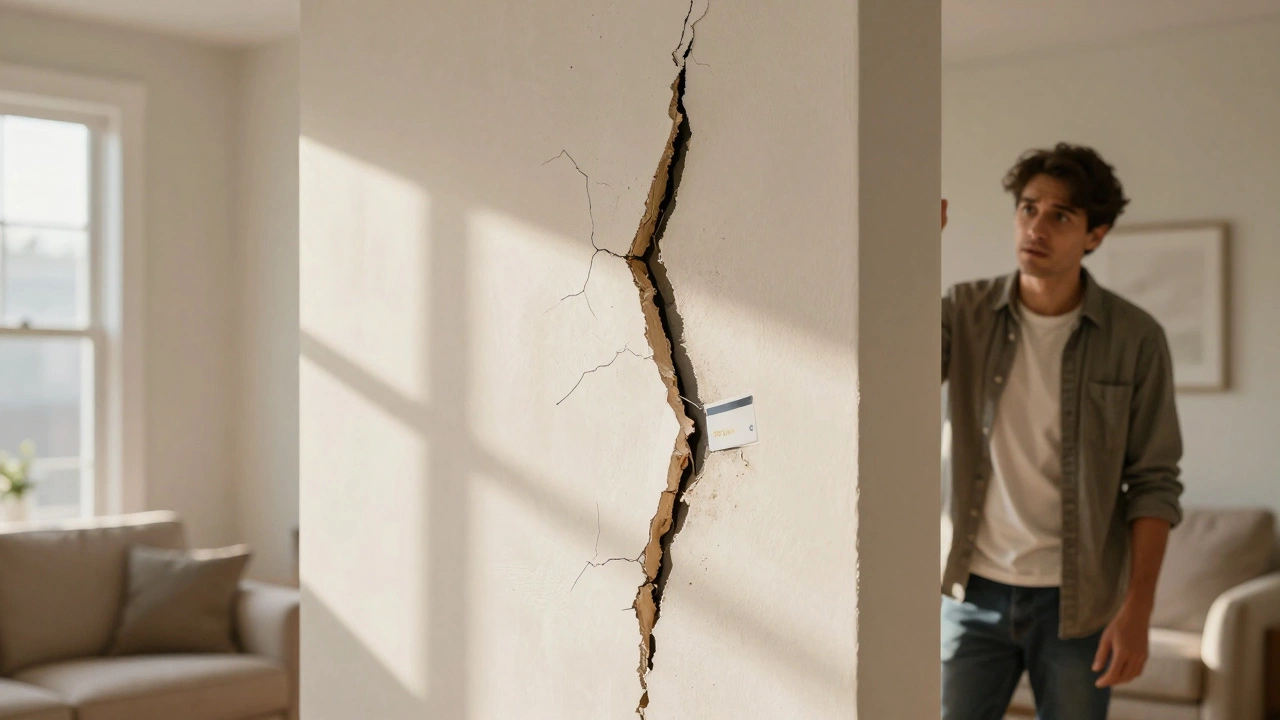
Imagine standing in your kitchen, coffee in hand, when you notice a jagged crack splitting the plaster on your living room wall. It’s not just cosmetic; it’s growing. Your heart sinks as the question hits you: "Will my home insurance pay for this?" The short answer is complicated. Usually, no. But sometimes, yes. The difference between a $10,000 out-of-pocket bill and a covered claim often comes down to one word: sudden.
Most homeowners assume their policy is a catch-all safety net for anything that breaks inside or outside their house. In reality, standard policies are designed for sudden, accidental events, not gradual wear and tear. Understanding where that line is drawn can save you thousands of dollars and significant stress.
The Golden Rule: Sudden vs. Gradual Damage
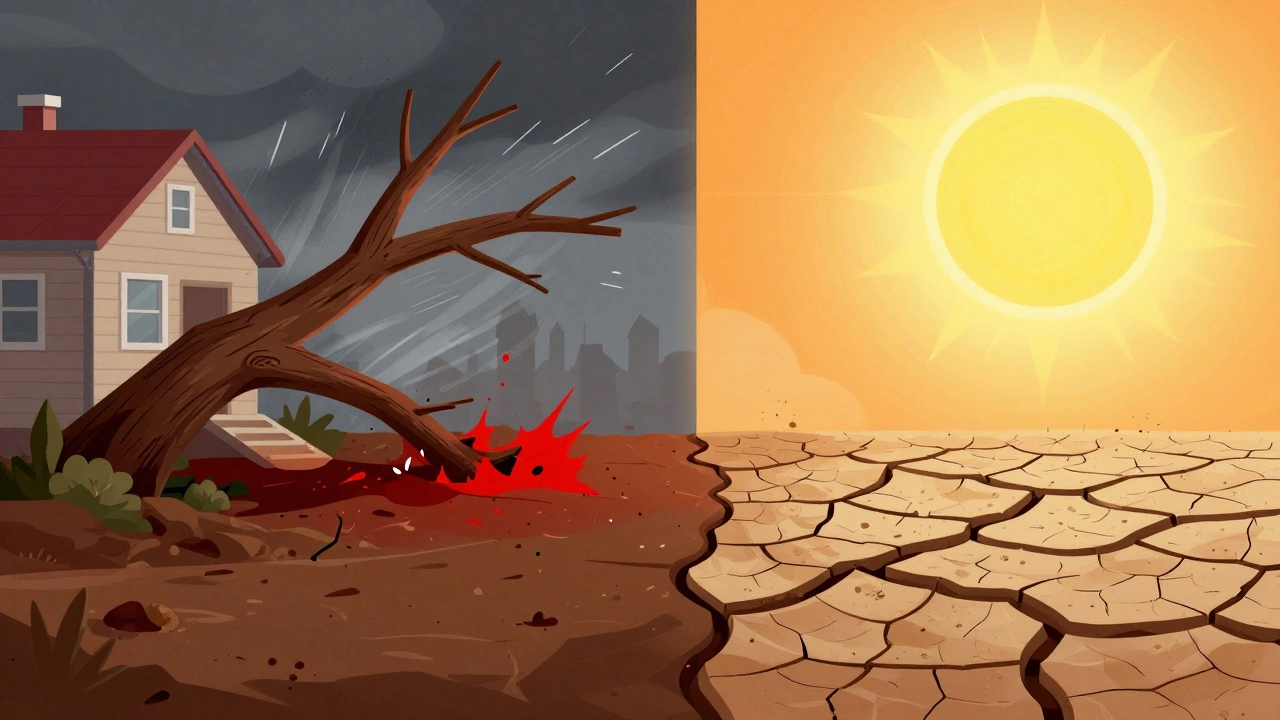
To understand what gets covered, you have to look at how insurance companies view time. They love 'sudden' and hate 'gradual.' If a tree falls on your house during a storm, crushing the foundation, that is sudden. That is almost always covered. If the ground slowly shifts over five years because of poor drainage, causing the same crack, that is gradual. That is almost never covered.
Think of it like your car brakes. If they fail instantly while you’re driving down the highway, that’s an accident. If they wear out slowly over 50,000 miles, that’s maintenance. Insurance doesn’t pay for maintenance. It pays for accidents. Foundation issues usually fall into the maintenance bucket unless something external and violent forces them into the accident bucket.
What Is Typically Covered?
There are specific scenarios where your insurer will write a check for foundation repairs. These are rare but real. Here is what you need to know:
- Falling Objects: If a large tree branch or debris from a neighbor’s property crashes onto your home and cracks the slab, the resulting foundation damage is covered.
- Vehicular Impact: If a drunk driver plows through your fence and into your garage wall, compromising the structural integrity of the foundation, this is a covered peril.
- Explosions: Gas leaks that lead to explosions can cause massive structural shifts. If the explosion is the cause, the foundation repair is part of the claim.
- Water Backup (with Rider): Standard policies exclude flood damage. However, if you have a specific water backup endorsement and a pipe bursts underground, saturating the soil and causing immediate heaving, some insurers may cover the resulting structural damage. Note: This is highly debated and depends on your specific policy wording.
In these cases, the key is proving causation. You aren’t claiming for the crack itself; you are claiming for the result of the falling tree or the car crash. The foundation repair is just the necessary fix to make the house safe again.
What Is Almost Never Covered?
This is where most homeowners get burned. The following causes of foundation damage are explicitly excluded in nearly every standard home insurance policy in Australia and globally:
- Settling: All houses settle. New builds settle more than older ones. Insurers consider settling a normal part of a home’s life cycle, similar to paint fading in the sun.
- Soil Movement: If the clay soil under your Melbourne home shrinks during a drought or expands after heavy rain, causing the slab to shift, this is considered a natural process. It is not an accident.
- Poor Construction: If the builder used substandard concrete or didn’t reinforce the steel correctly, that is a construction defect. You would need to pursue a warranty claim or legal action against the builder, not your insurer.
- Lack of Maintenance: If gutters clog up and water pools around the foundation for months, eroding the support, that is negligence. Insurance does not cover neglect.
- Termites and Pests: If termites eat the wooden supports under a pier-and-beam foundation, causing collapse, that is an infestation issue. Most policies require a separate pest control plan or exclude this entirely.
The Role of Geotechnical Engineers
If you suspect your foundation is moving, don’t call your insurance agent first. Call a geotechnical engineer. Why? Because insurance adjusters are not engineers. They rely on expert reports to decide if a claim is valid.
A geotechnical report will tell you exactly why the foundation moved. Did a tree root lift the slab? Was there a sinkhole? Or did the soil just dry out? This distinction is critical. If the report says "differential settlement due to seasonal soil moisture variation," your claim will be denied. If it says "subsidence caused by a collapsed underground stormwater drain," you might have a case.
Investing in a professional inspection before filing a claim protects you. If you file a claim for a non-covered issue, you risk having your premiums hiked or your policy canceled. A clean denial based on facts is better than a rejected claim based on misunderstanding.
Special Considerations for Australian Homes
Living in Melbourne adds another layer of complexity. Our soil types vary wildly. In areas with high-swelling clay soils, foundation movement is common. Many builders now use engineered slabs or pile foundations to mitigate this, but older homes are still vulnerable.
In Australia, we also deal with bushfires. If a bushfire burns away the vegetation holding the soil together, leading to landslides or erosion that damages your foundation, this might be covered under your fire insurance section. However, if the fire was caused by arson or negligence, exclusions may apply. Always check your specific product disclosure statement (PDS).

Comparison: What Gets Paid For?
| Cause of Damage | Typically Covered? | Reason |
|---|---|---|
| Tree Fall | Yes | Sudden, accidental external event |
| Car Crash | Yes | Sudden, accidental external event |
| Soil Shrink/Swell | No | Gradual, natural environmental process |
| Builder Defect | No | Construction error, not an accident |
| Flood | No | Requires separate flood insurance |
| Termite Damage | No | Pest infestation exclusion |
How to Protect Yourself Financially
If your insurance won’t cover foundation repairs, what can you do? First, prevention is cheaper than cure. Keep your gutters clean. Ensure downpipes direct water away from the foundation. Plant trees far enough away so roots don’t invade your slab. Monitor cracks with a simple piece of tape or a crack gauge kit available at hardware stores.
Second, consider a home warranty plan. While not insurance, some extended warranties offer coverage for structural defects or mechanical systems that affect the foundation. Read the fine print carefully, as these often have low payout caps.
Third, set aside a sinking fund. Foundation repairs can cost anywhere from $5,000 to $50,000 depending on severity. Budgeting $100-$200 a month creates a buffer for unexpected structural needs.
Steps to Take If You Suspect Foundation Damage
- Document Everything: Take clear photos of cracks, sticking doors, and uneven floors. Date-stamp them if possible.
- Check Your Policy: Look for sections titled "Structural Damage," "Earth Movement," or "Exclusions." Highlight any mentions of foundations.
- Hire an Expert: Get a geotechnical engineer or structural engineer to diagnose the cause. Do not skip this step.
- Contact Your Insurer: Present the expert report. Ask specifically if the cause listed is a covered peril.
- Get Multiple Quotes: If covered, get three quotes for repairs. If not covered, shop around for reputable foundation repair specialists.
Don’t panic when you see a crack. Most hairline cracks are harmless. But if they are widening, diagonal, or accompanied by sloping floors, act fast. Knowledge is your best defense against costly surprises.
Does home insurance cover foundation cracks?
Only if the crack was caused by a covered peril, such as a falling tree or vehicle impact. Cracks caused by settling, soil movement, or poor construction are generally not covered.
What is the average cost of foundation repair?
Costs vary widely. Minor crack injection can cost $500-$1,500. Major leveling or underpinning can range from $10,000 to $50,000+ depending on the size of the home and severity of the shift.
Can I add foundation coverage to my insurance?
Generally, no. Standard policies exclude earth movement and settling. Some specialized endorsements exist for earthquake or landslide zones, but these do not cover typical soil shrink/swell issues.
How do I know if my foundation is failing?
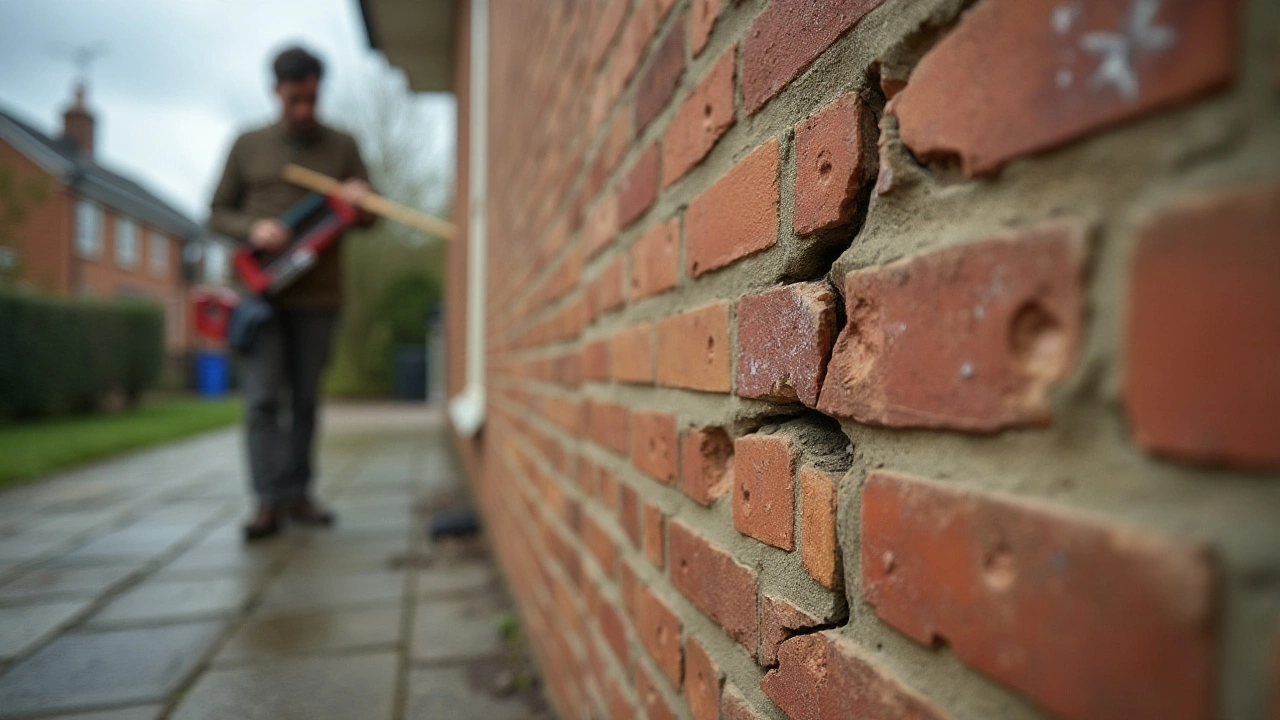
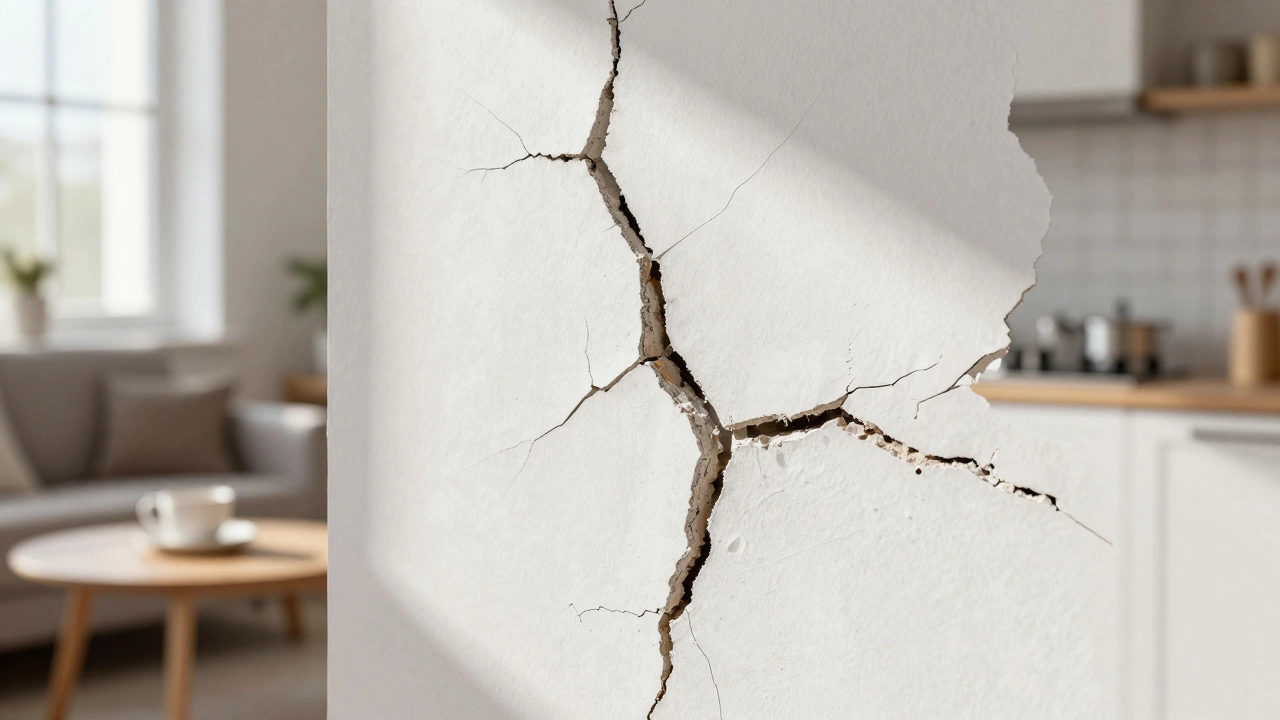
Signs include doors and windows that stick, gaps between walls and ceilings, uneven or sloping floors, and wide or growing cracks in drywall or exterior brickwork.
Will filing a claim raise my premiums?
Yes, potentially. Even if the claim is denied, frequent claims can signal risk to insurers. Only file if you are confident the cause is a covered peril and supported by expert evidence.