Foundation Repair Method Selector
Recommended Solution
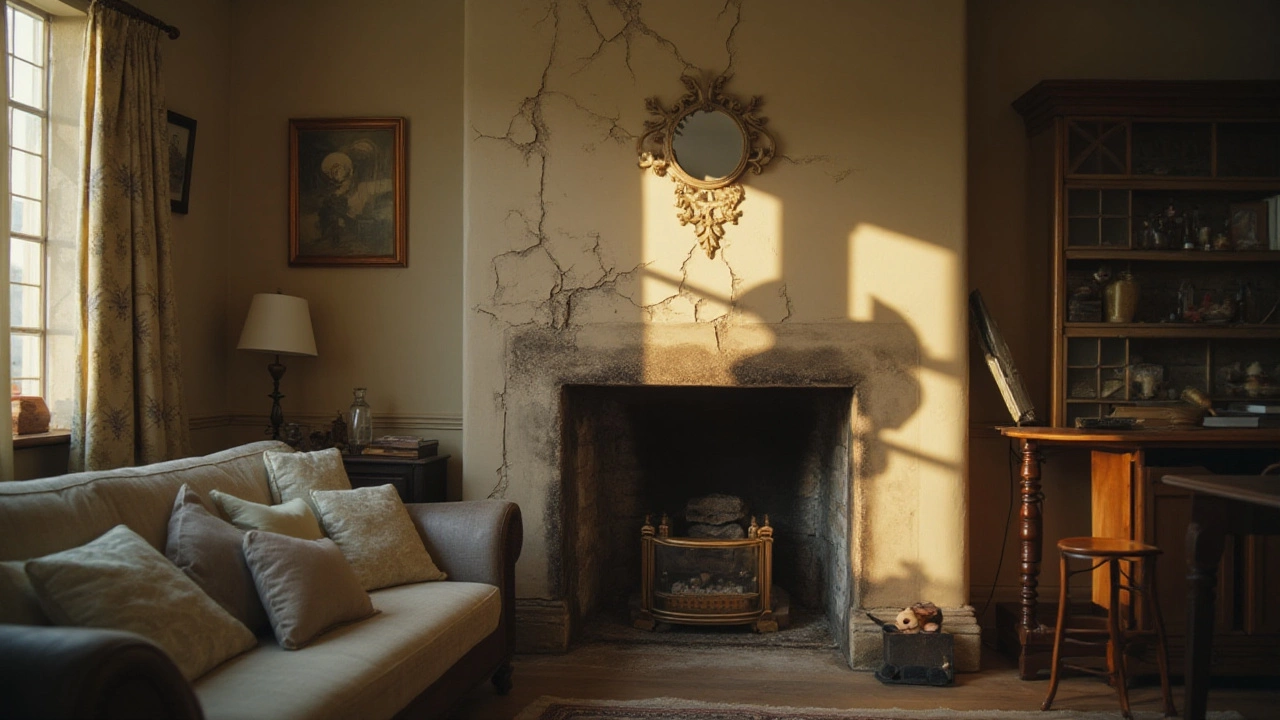
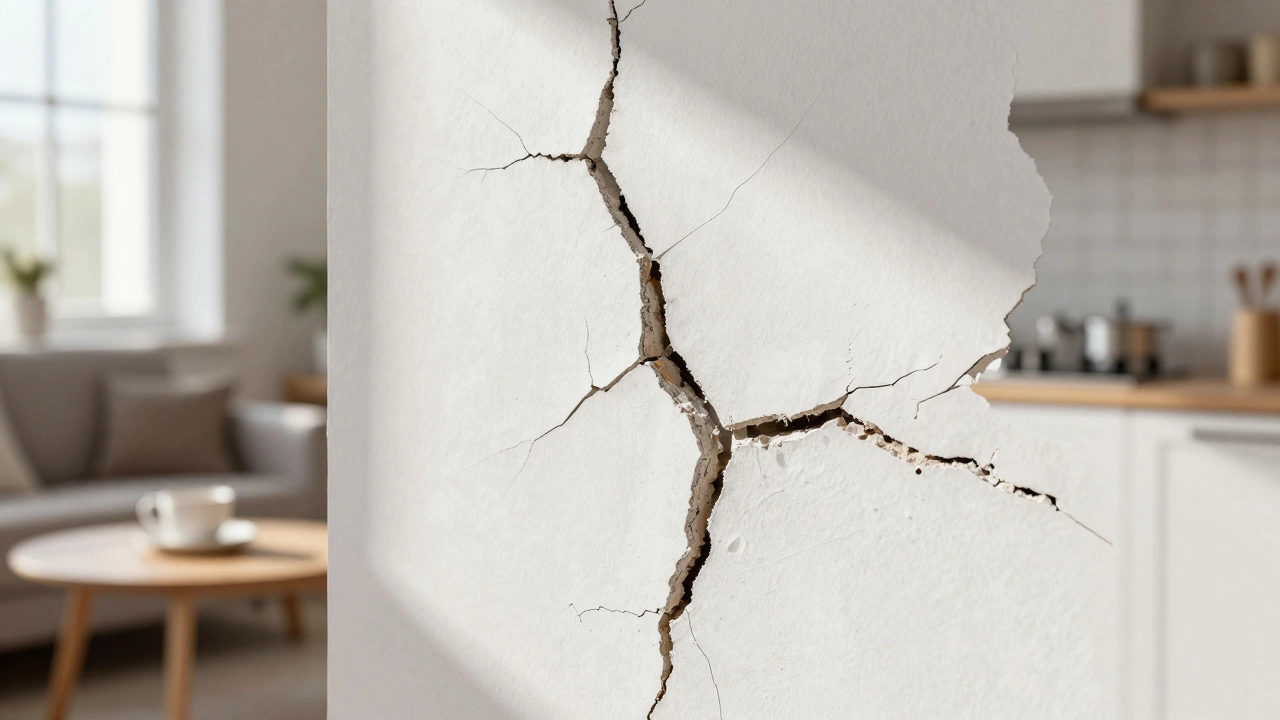
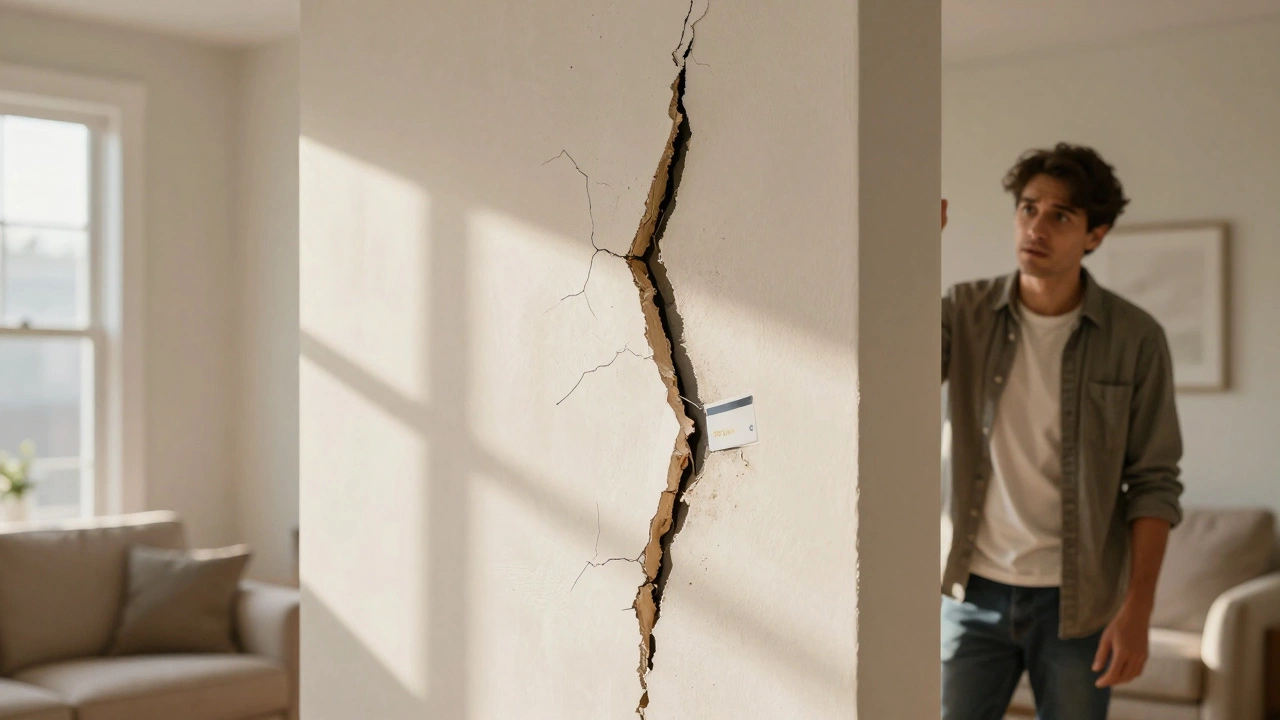
You stare at that jagged crack running through your living room wall. It wasn't there last year. Now it’s wider than a credit card. You’ve called three contractors, heard the term 'structural failure,' and been quoted prices that make your stomach drop. The big question isn’t just how much it costs-it’s whether fixing it actually solves the problem or if you’re just throwing money into a hole in the ground.
The short answer is yes, foundation repair really works. But like any major home surgery, it only works if you diagnose the illness correctly and use the right tools. If you patch a settling foundation with surface-level fixes without addressing the soil beneath, the cracks will return. If you over-engineer a minor cosmetic issue, you’ll waste thousands of dollars. Understanding what causes foundations to fail and which methods actually stop the movement is the difference between saving your home and losing your equity.
Why Foundations Fail: It’s Always the Soil
To understand if repair works, you first have to understand why the foundation moved in the first place. Concrete doesn’t just decide to crack on a whim. It reacts to the earth underneath it. In most cases, foundation failure is a conversation between your house and the soil.
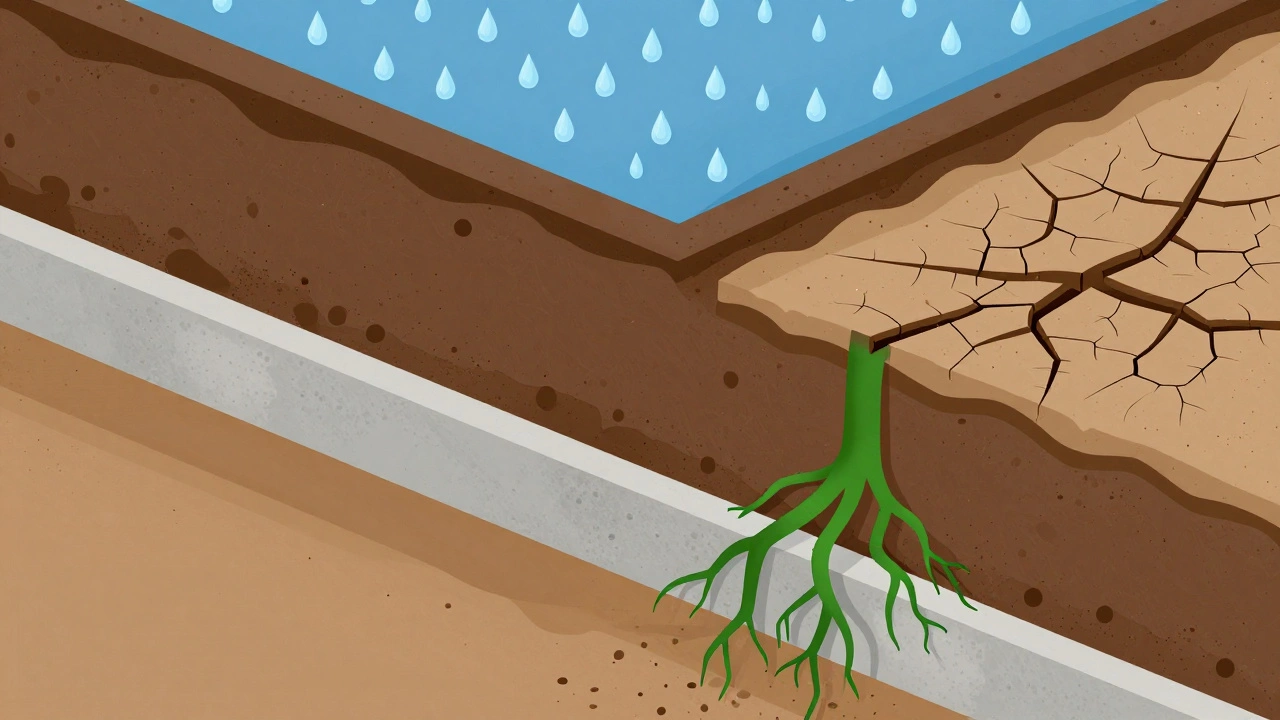
In regions with expansive clay soils-common in parts of Australia, Texas, and California-the ground acts like a sponge. When it rains, the clay swells and pushes up against your footings. When drought hits, the clay shrinks and pulls away. This constant expansion and contraction creates voids. Your house settles into these voids, causing uneven stress that leads to cracking.
Other culprits include:
- Poor Drainage: Water pooling around your foundation washes away supportive soil (erosion) or saturates clay, leading to hydrostatic pressure.
- Tree Roots: Large trees planted too close to the house suck moisture out of the soil, causing localized shrinkage.
- Construction Errors: Footings that are too shallow or compacted poorly during the initial build.
If you don’t fix the water or root issue, no amount of steel or concrete will keep the foundation stable long-term. The repair holds the house; the environmental fix keeps it there.
The Two Main Goals of Foundation Repair
When a contractor talks about fixing your foundation, they are usually aiming for one of two outcomes: stabilization or leveling. Knowing which one you need determines whether the repair will "work" for your specific situation.
- Stabilization (Stopping the Movement): This is the priority. If your house is still sinking or shifting, you need to anchor it to stable soil layers deep underground. This prevents further damage to walls, floors, and plumbing.
- Leveling (Lifting the House): Once the structure is stable, you may choose to lift it back to its original position. This is often done to fix sticking doors or uneven floors, but it’s secondary to stopping the movement.
A common mistake homeowners make is demanding their house be lifted immediately. If the soil conditions haven’t changed, lifting the house without stabilizing it first is like putting a band-aid on a broken bone. The house will settle again within months. Effective repair always prioritizes stability first.
Methods That Actually Work: Piering vs. Slabjacking
Not all repairs are created equal. The industry primarily uses two distinct approaches depending on the type of foundation and the severity of the settlement. Using the wrong method is the fastest way to get a repair that fails.
| Method | Best For | How It Works | Longevity |
|---|---|---|---|
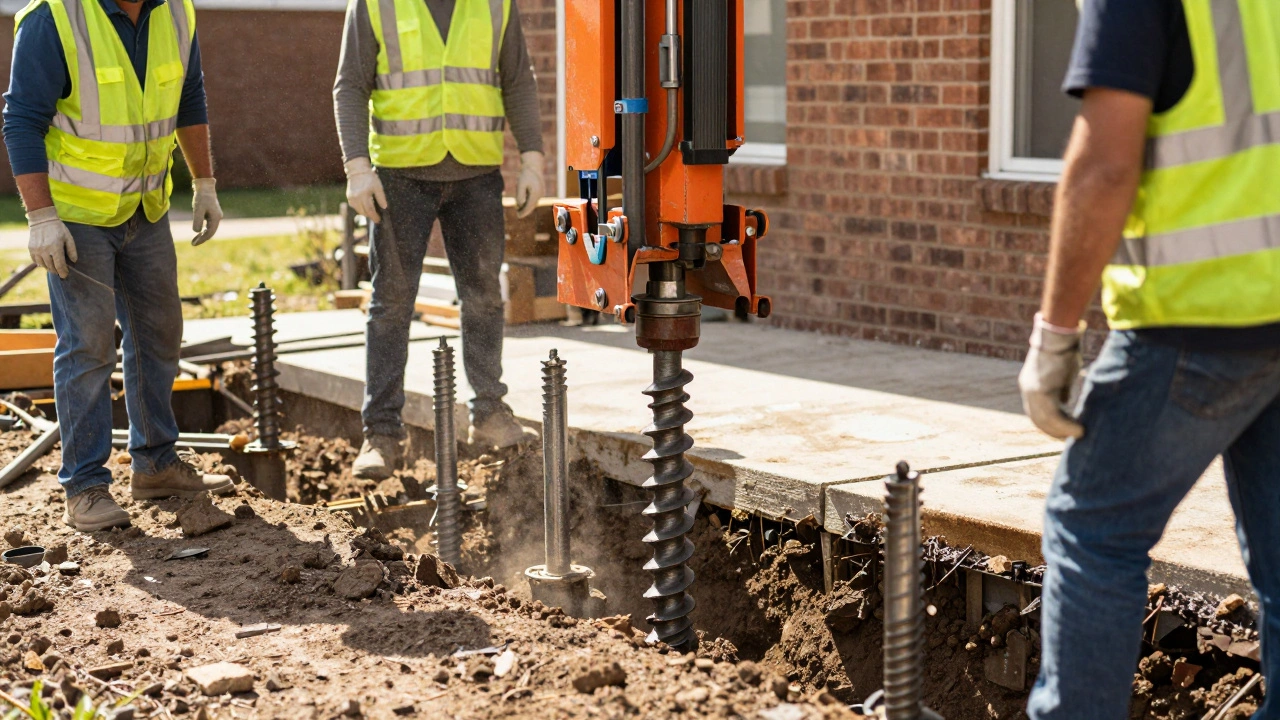
| Helical Piers | New construction, heavy structures, weak topsoil | Screwed into the ground until they hit load-bearing strata. Steel brackets attach the house to the piers. | Lifetime (corrosion-resistant steel) |
| Push Piers (Resistance Piers) | Existing homes with significant weight, rocky soil | Hydraulically pushed into the ground using the weight of the house as resistance. | Lifetime |
| Slabjacking (Mudjacking) | Concrete slabs, driveways, walkways, minor settlement | Drilling holes and pumping cementitious grout under the slab to fill voids and lift it. | 5-10 years (can re-settle) |
| Polyurethane Foam Injection | Interior slabs, tight spaces, quick drying | Injecting expanding foam that hardens quickly and fills voids with less weight than mud. | 10+ years (waterproof) |
Helical Piers are currently the gold standard for residential foundation stabilization. They work by transferring the load of your home from unstable surface soil to deeper, competent soil layers. Because they are screwed in, you can measure the torque (resistance) to know exactly how much load they can hold. This data-driven approach makes them highly reliable.
Push Piers are similar but rely on hydraulic force. They are excellent for older, heavier homes because the house’s own weight helps drive the piers down. However, they require more equipment and space around the perimeter.
For flat slab foundations (common in mid-century modern homes), Slabjacking or foam injection is the go-to. These methods don’t stabilize the structure against future movement as well as piers do, but they are cost-effective for filling voids caused by erosion. If your driveway has sunk, this is the fix. If your entire house is tilting, you need piers.
Red Flags: When a Repair Might Not Work
Even the best pier system will fail if the underlying cause isn’t addressed. Here are scenarios where foundation repair might seem to work initially but ultimately fails:
- Ignoring Drainage: If gutters pour water directly onto the foundation, the soil will continue to expand and contract. No pier can withstand infinite lateral pressure from saturated clay. Fix the grading and install French drains first.
- Cosmetic Cracks Misdiagnosed: Hairline cracks (less than 1/8 inch wide) in drywall or brick veneer are often due to normal house settling or temperature changes. These don’t require structural repair. Paying for piers here is a scam.
- Active Tree Growth: If a massive oak tree is ten feet from your foundation, its roots will continue to desiccate the soil. You may need to remove the tree or install root barriers before the repair will hold.
- Unstable Bedrock: In rare cases, the bedrock itself is fractured or soft. Standard piers won’t find purchase. This requires specialized engineering solutions, not typical residential repairs.
The Importance of Monitoring and Warranties
One of the biggest fears homeowners have is being sold unnecessary work. The industry is notoriously unregulated in many areas. To ensure your repair works, look for contractors who offer monitoring plans and transferable warranties.
A reputable company will install measuring pins on your piers. After the repair, they should monitor the levels for 6-12 months. If the house continues to move, they adjust the jacks. If it stays level, they certify the job. This monitoring phase is critical. It proves the repair worked.
Also, check the warranty. Does it cover the materials? The labor? Is it transferable to the next homeowner? A lifetime warranty that dies when you sell the house adds zero value to your property. Look for warranties backed by the manufacturer of the piers (like Helix or EarthTech), not just the contractor’s promise.
Cost vs. Value: Is It Worth It?
Let’s talk numbers. Foundation repair is expensive. Depending on the size of your home and the number of piers needed, costs can range from $5,000 to $30,000+. It’s a heavy investment. But consider the alternative.
An unrepaired foundation leads to compounding damages. Cracked pipes burst, requiring thousands in plumbing repairs. Doors and windows become permanently jammed, necessitating full replacements. In severe cases, the structural integrity of load-bearing walls is compromised, making the home unsafe and uninsurable.
Furthermore, a repaired foundation with a transferable warranty can boost your home’s resale value. Buyers are terrified of foundation issues. Having a certified repair record removes that fear and can make your home sell faster and for a higher price than an un-repaired competitor.
If you ignore the problem, the cost multiplies. A $10,000 repair today could become a $50,000 renovation tomorrow when you have to replace every window and fix a collapsed floor joist.
How to Choose a Contractor Who Won’t Fail You
The success of your repair depends heavily on who swings the wrench. Here is a checklist for vetting contractors:
- Ask for Engineering Plans: Do they design the repair themselves, or do they hire a licensed structural engineer? An engineer provides an unbiased assessment. Contractors who skip this step are guessing.
- Check References: Don’t just look at online reviews. Ask for addresses of recent jobs in your neighborhood. Drive by. Talk to those neighbors. Did the crew clean up? Did the cracks stop growing?
- Verify Insurance: Ensure they have general liability and worker’s compensation insurance. If a worker gets hurt on your property, you could be liable.
- Get Multiple Quotes: Never accept the first bid. Compare the number of piers proposed. If one contractor says you need 4 piers and another says 20, something is off. Get a third opinion.
Remember, you are hiring them to solve a physics problem, not just to dig holes. Treat it with the seriousness of heart surgery for your home.
How long does foundation repair take?
Most residential foundation repairs involving helical or push piers take between 1 to 3 days. The actual installation is fast, but curing time for any concrete patches and final monitoring setup may extend the project slightly. Slabjacking can often be completed in a few hours.
Will foundation repair stop existing cracks?
Foundation repair stops the movement that causes cracks, but it does not automatically seal them. You will likely need to patch hairline cracks with caulk or epoxy after the structure is stabilized. Larger structural cracks in concrete may need professional injection. The key is that new cracks should not form after the repair.
Is polyurethane foam better than mudjacking?
Polyurethane foam is lighter, waterproof, and cures in minutes, making it less invasive and faster than traditional mudjacking. Mudjacking uses a cement mix that is heavier and can take days to cure. Foam is generally preferred for interior slabs and areas with poor drainage, while mudjacking is cheaper for large exterior areas like driveways.
Can I live in my house during foundation repair?
Yes, in most cases. Exterior pier installation involves noise and vibration, but it is safe to remain inside. You may need to clear out garages or basements where work is happening. Avoid high-impact activities like jumping on trampolines near the work zone, but daily life can continue normally.
How do I know if my foundation needs repair?
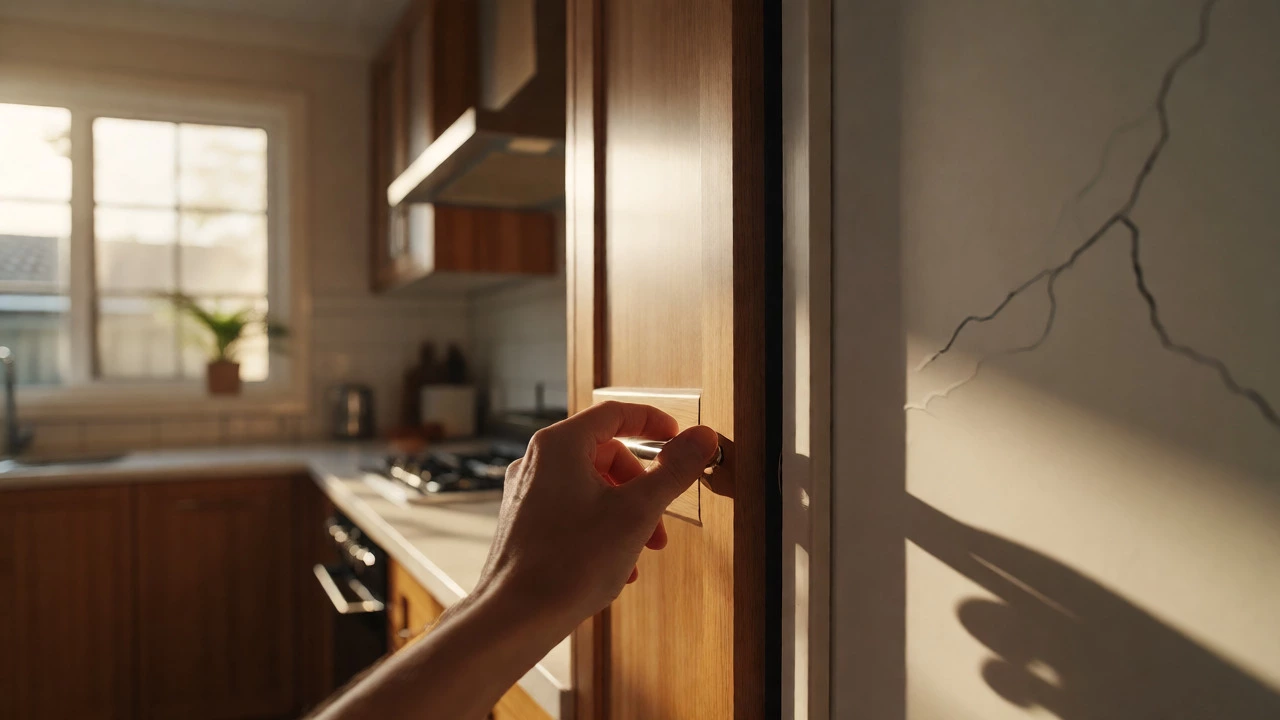
Signs include doors and windows that stick or won’t latch, visible cracks in drywall (especially diagonal ones above door frames), gaps between walls and ceilings/floors, and uneven or sloping floors. If you notice multiple signs simultaneously, call a structural engineer for an assessment before contacting repair contractors.