
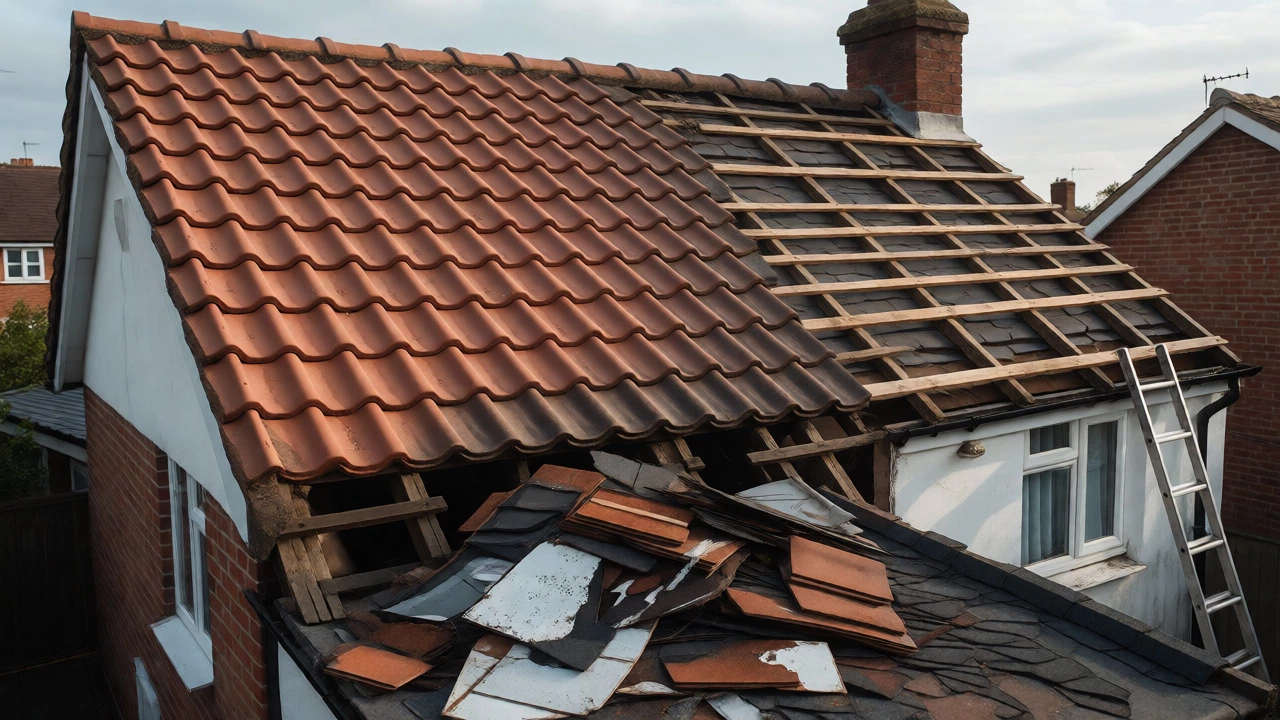
Roof Replacement Budget Estimator
Enter your details below to get an estimated cost range for your new roof. This tool accounts for material costs, labor, disposal, and potential structural surprises.
*This estimate includes a 15% buffer for unexpected structural repairs (rot, termite damage) as recommended by industry standards. Prices are in AUD.
Staring at a quote for a new roof is often the moment homeowners realize just how expensive their house actually is. It’s not just about shingles; it’s about labor, disposal fees, and the inevitable surprises that pop up when old layers are stripped away. If you’re wondering how to keep this project from wrecking your savings, you’re in the right place. We’ll break down exactly what goes into the price tag so you can plan with confidence rather than hope.
The Real Cost of a Roof Replacement
Before you open a spreadsheet, you need to understand what you’re actually buying. A roof isn’t a single product; it’s a system. In Australia, where weather ranges from scorching sun to torrential rain, materials matter immensely. The national average for a standard tiled or metal roof replacement sits between AUD $15,000 and $30,000, but this number swings wildly based on size, pitch, and material choice.
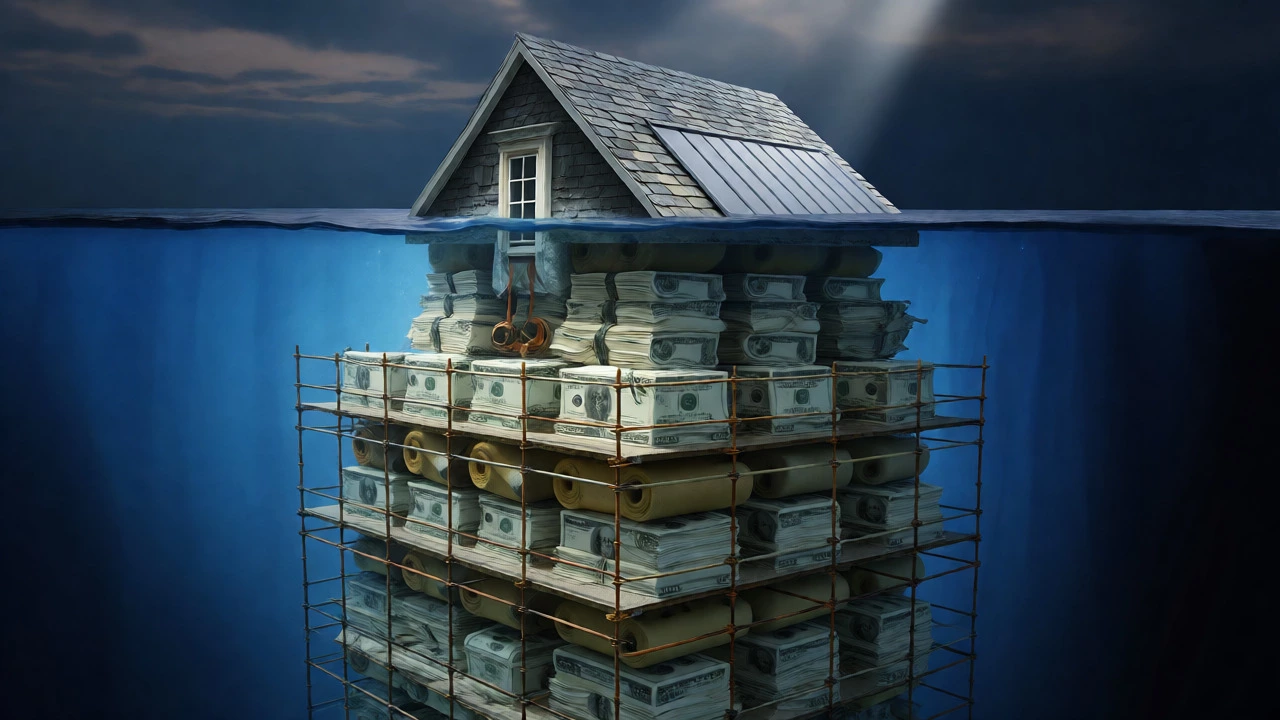
Think of your budget like an iceberg. The visible part is the material cost-what you see from the street. The submerged part includes removal of the old roof, structural repairs if rot is found, scaffolding, permits, and waste disposal. If you only budget for the shingles or tiles, you will run out of money before the job is done.
Breaking Down the Line Items
To create a realistic budget, you need to dissect the quote. Most contractors bundle these costs, but asking for a breakdown helps you spot inflated numbers. Here is how the pie usually splits:
- Materials (40-50%): This covers asphalt shingles, metal panels, clay tiles, underlayment, flashing, and fasteners.
- Labor (30-40%): Skilled roofers charge for their time and expertise. Complex roofs with steep pitches or multiple valleys require more time and safety equipment, driving this cost up.
- Removal and Disposal (10-15%): Tearing off old layers and hauling them to a dump site isn’t free. Some roofs have two or three layers of old material, which doubles the disposal weight.
- Contingency (10%): Always set aside extra cash for unexpected repairs. You might find rotten decking or termite damage once the old roof is off.
| Material Type | Lifespan (Years) | Est. Cost Range (AUD/m²) | Best For |
|---|---|---|---|
| Asphalt Shingles | 15-25 | $80 - $120 | Budget-conscious, standard suburban homes |
| Colorbond Steel | 40-70 | $100 - $160 | Cooler climates, modern aesthetics, low maintenance |
| Concrete Tiles | 50+ | $90 - $140 | Traditional Australian homes, heavy structure support |
| Terracotta Tiles | 50+ | $110 - $180 | Premium look, heritage-style properties |
| Slate | 100+ | $200 - $350 | Luxury builds, historic restorations |
Factors That Inflate Your Quote
Why did your neighbor pay $18,000 while you’re quoted $26,000? It’s rarely just about square footage. Several specific factors drive the price up, and knowing them helps you negotiate or adjust expectations.
First, consider the pitch. A flat or gently sloped roof is easy and safe to work on. Steep roofs require special harnesses, scaffolding, and slower movement. If your roof has a pitch over 45 degrees, expect labor costs to jump by 20-30%. Second, accessibility matters. If your property is on a narrow block or requires a crane to lift materials, add thousands to the bill. Third, the condition of the existing roof. If there are three layers of old shingles, removing them takes longer and costs more in landfill fees.
Don’t forget about ancillary structures. Chimneys, skylights, and complex valleys require custom flashing and careful detailing. Each of these features adds labor hours. A simple gable roof is straightforward; a hip-and-valley roof with dormers is a puzzle that demands skilled craftsmanship.
Hidden Costs You Might Miss
Here is where budgets die. Contractors might mention "incidental repairs," but they won’t always put a dollar figure on them upfront because they don’t know what’s under the surface until they start ripping.
Structural Repairs: If rafters or battens are rotted, they need replacing. This is often charged per linear meter. If you find widespread rot, this could add $2,000-$5,000 to your bill.
Guttering and Fascia: Often overlooked, these components attach to the roof edge. If they are rusted or bent, they should be replaced while the roof is being worked on. Doing it later means paying for another crew mobilization.
Insulation Upgrades: With energy costs rising, many homeowners take advantage of the roof tear-off to install better insulation. While not mandatory, it’s a smart long-term investment that pays for itself in lower electricity bills.
Waste Removal Permits: Depending on your local council in Melbourne or elsewhere, dumping large amounts of construction waste may require specific permits or higher tipping fees.
Financing and Payment Structures
You don’t necessarily need to pay cash upfront. Understanding payment terms protects you from cash-flow stress. Reputable roofers typically follow a deposit-progress-final payment structure.
- Deposit (10-20%): Covers material ordering and scheduling. Never pay more than 20% upfront unless required by specific supplier terms.
- Progress Payments: Paid when materials arrive or halfway through the job. This keeps the contractor motivated and covers ongoing labor costs.
- Final Payment (10-20%): Paid upon completion and inspection. Hold back enough money to ensure any punch-list items are fixed promptly.
If you lack the cash reserves, look into personal loans or home equity lines of credit. Avoid using high-interest credit cards for such large sums. Some companies offer 0% interest finance deals, but read the fine print-deferred interest clauses can bite hard if you miss a payment.
Smart Ways to Save Without Cutting Corners
You want a durable roof, not a cheap one that leaks in two years. However, you can still save money strategically.
Timing Matters: Roofing demand spikes after storms. If you schedule during the shoulder seasons (spring or autumn), you might get better rates because crews aren’t as slammed. Avoid booking immediately after a major hailstorm event unless you have insurance coverage.
Bundle Services: If you also need painting or gutter cleaning, ask if the roofer can coordinate with other trades. Sometimes, having all scaffolding set up for one big project saves setup costs across multiple jobs.
Maintain What You Have: If your roof is only 10 years old, regular cleaning and minor repairs might extend its life by five more years, delaying the massive capital outlay.
Getting Accurate Quotes
Never accept the first quote. Get at least three written estimates. Ensure they are comparable: same material, same warranty, same scope of work. Ask specifically: Does this include removal? Does this include disposal? Is there a contingency fund listed?
Check reviews and verify licenses. In Victoria, for example, domestic building work over $10,000 requires registration with the Victorian Building Authority. A licensed roofer carries public liability insurance, protecting you if something goes wrong.
How much should I budget for a new roof in Australia?
For a typical detached house, expect to spend between AUD $15,000 and $30,000 for a standard tile or metal roof replacement. Luxury materials like slate or complex architectural designs can push this to $40,000+. Always add a 10-15% contingency buffer for unexpected repairs.
Does home insurance cover roof replacement?
Insurance typically covers sudden accidental damage like storm, hail, or fire damage. It generally does not cover wear and tear or gradual deterioration due to age. Check your policy details and excess fees before filing a claim.
Is it cheaper to repair or replace a roof?
If the roof is less than 10-15 years old and damage is localized, repair is usually cheaper. If the roof is nearing the end of its lifespan (20+ years for shingles, 40+ for metal) and has multiple leaks, replacement is more cost-effective in the long run.
How long does a roof replacement take?
A standard residential roof replacement usually takes 2-4 days, depending on size and complexity. Weather delays can extend this timeline. Ensure your contract specifies penalties for excessive delays caused by the contractor.
What questions should I ask my roofer before hiring?
Ask: Are you licensed and insured? What brand of materials do you use? What is the warranty period? Who handles waste removal? Can you provide references from recent jobs in my area?