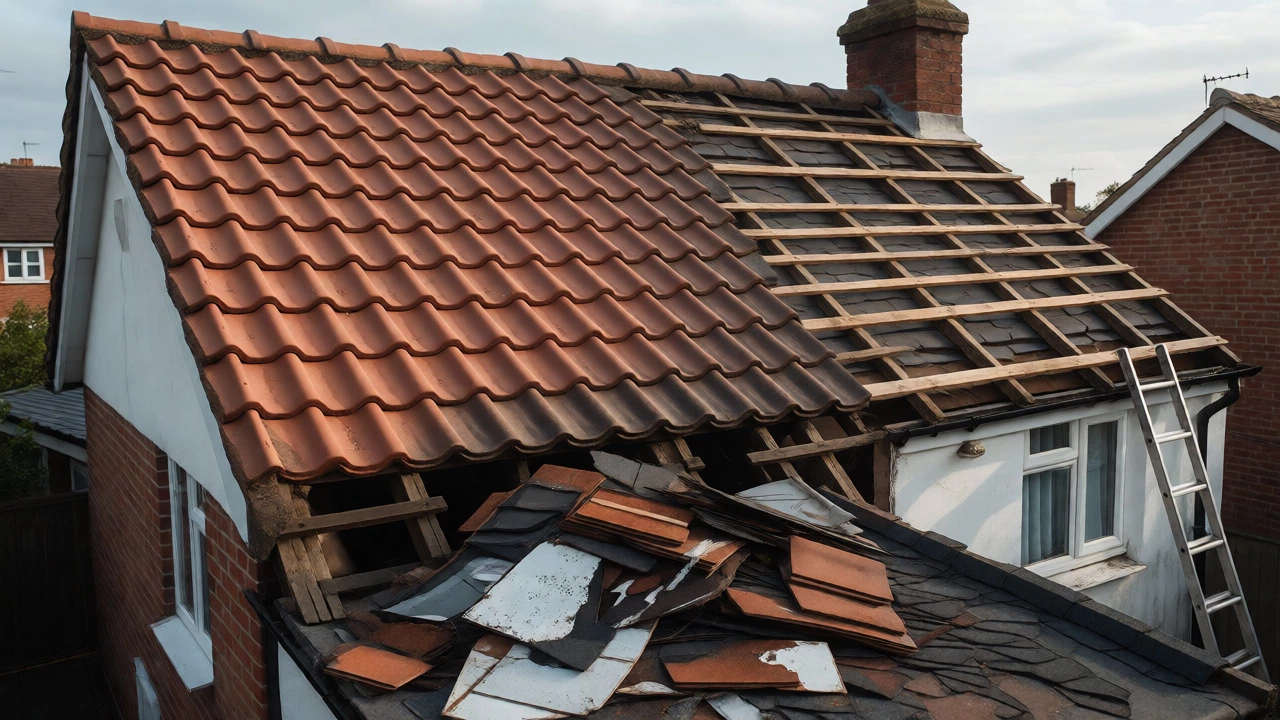
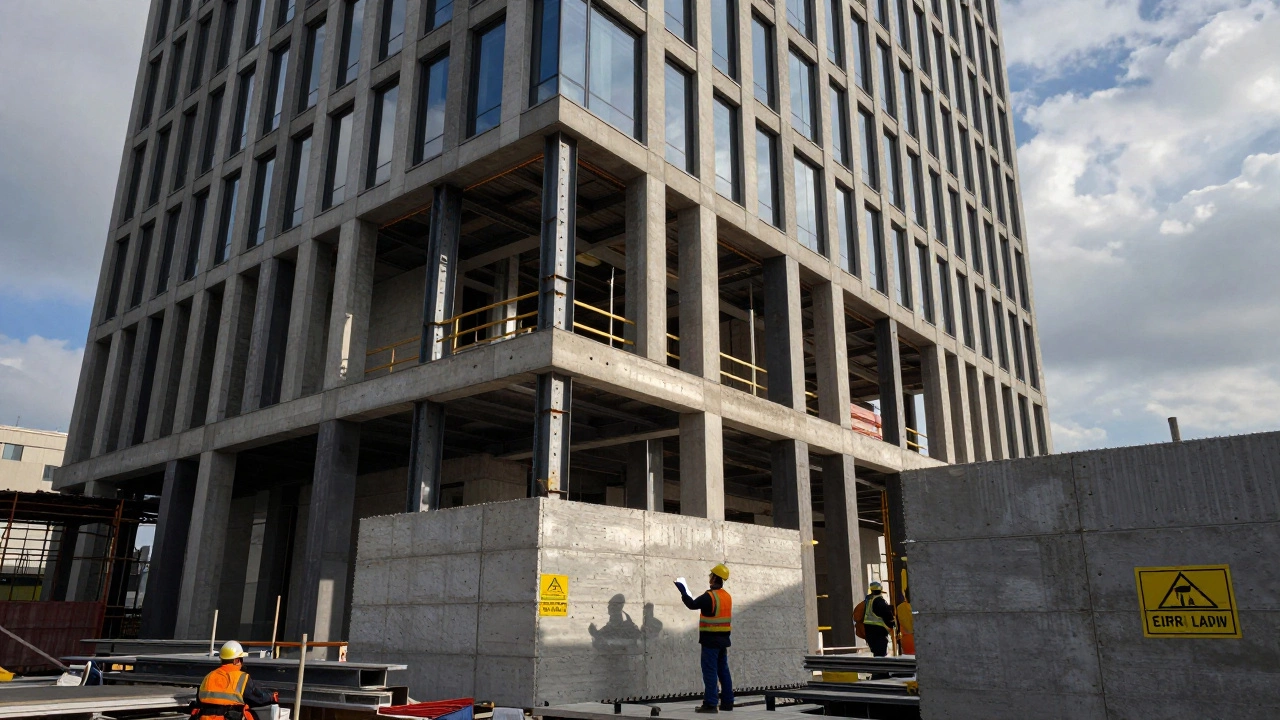
Type A and Type B construction define fire resistance levels in commercial buildings. Type A is for high-risk structures like hospitals and high-rises; Type B suits smaller, low-occupancy spaces. Know which one your project needs to stay safe and code-compliant.
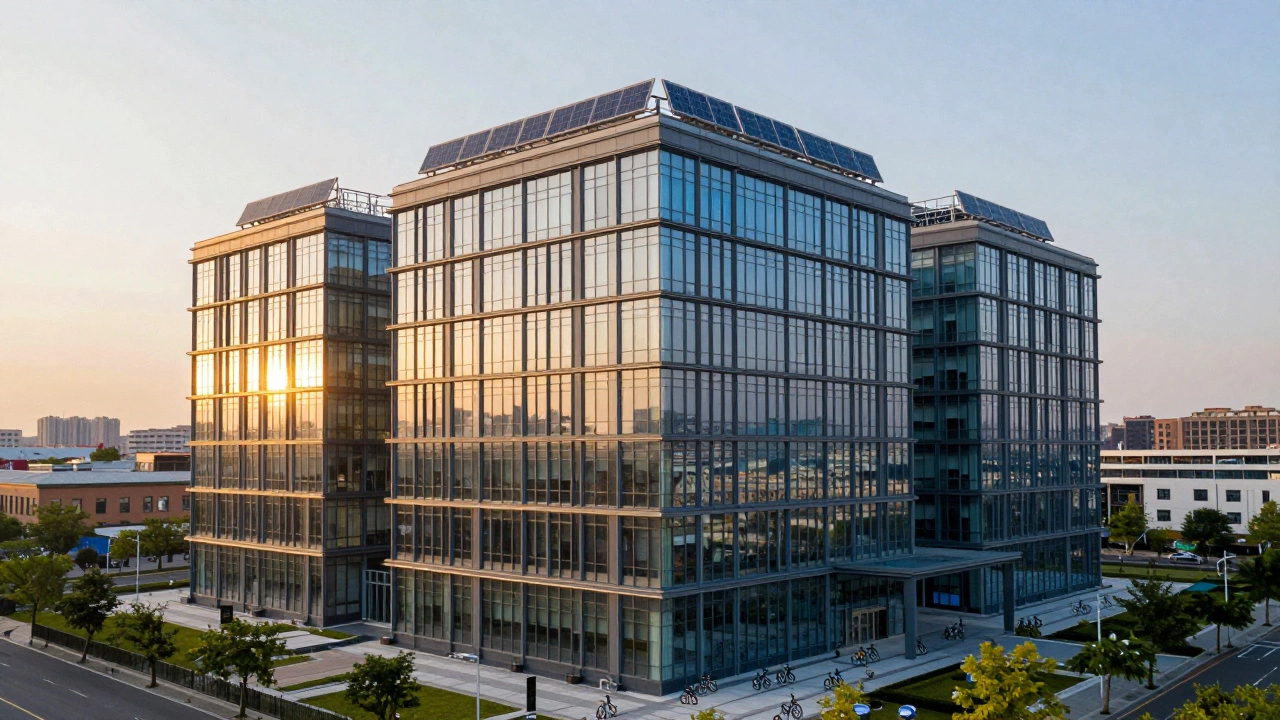
Commercial construction refers to buildings designed for business use-offices, retail, warehouses, and more. It differs from residential builds in materials, codes, cost, and complexity. Learn the key types and what makes them unique.

Commercial construction isn’t just a one-size-fits-all game—there are four main types, and each comes with its own rules and quirks. Knowing the difference isn’t just for architects or builders; it helps everyone from property investors to tenants understand what goes into a project. This article breaks down those four categories in plain English, highlighting what each really means in the real world. Get the hey-what’s-that for construction types, along with smart tips you won’t hear at stuffy industry conferences. If you work on, fund, manage, or even just care about buildings, you’ll want to keep reading.
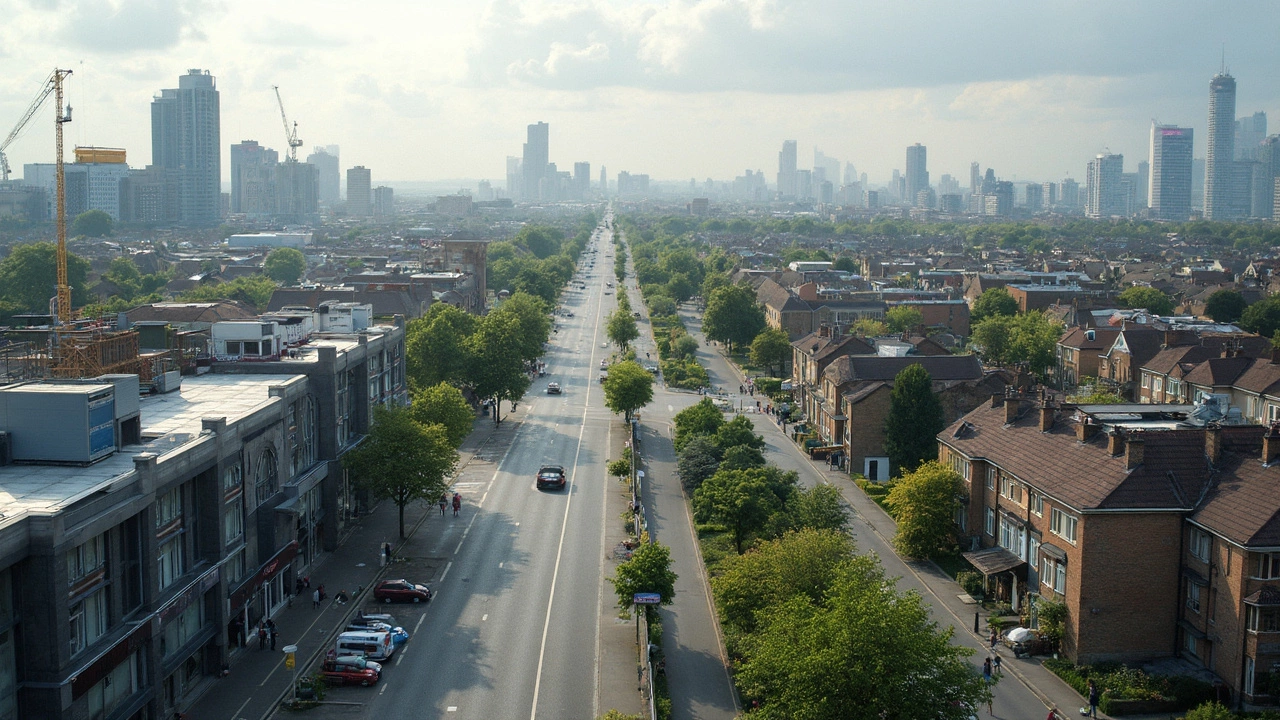
Trying to figure out what makes a building project commercial or non-commercial? This article strips away the confusion with clear definitions and real-world examples. We'll look at why these differences matter, what types of buildings fall into each category, and how rules and money shape each world. Expect tips on spotting grey areas and making smart choices for your own construction plans. It's all about helping you avoid headaches when dealing with local laws and construction crews.
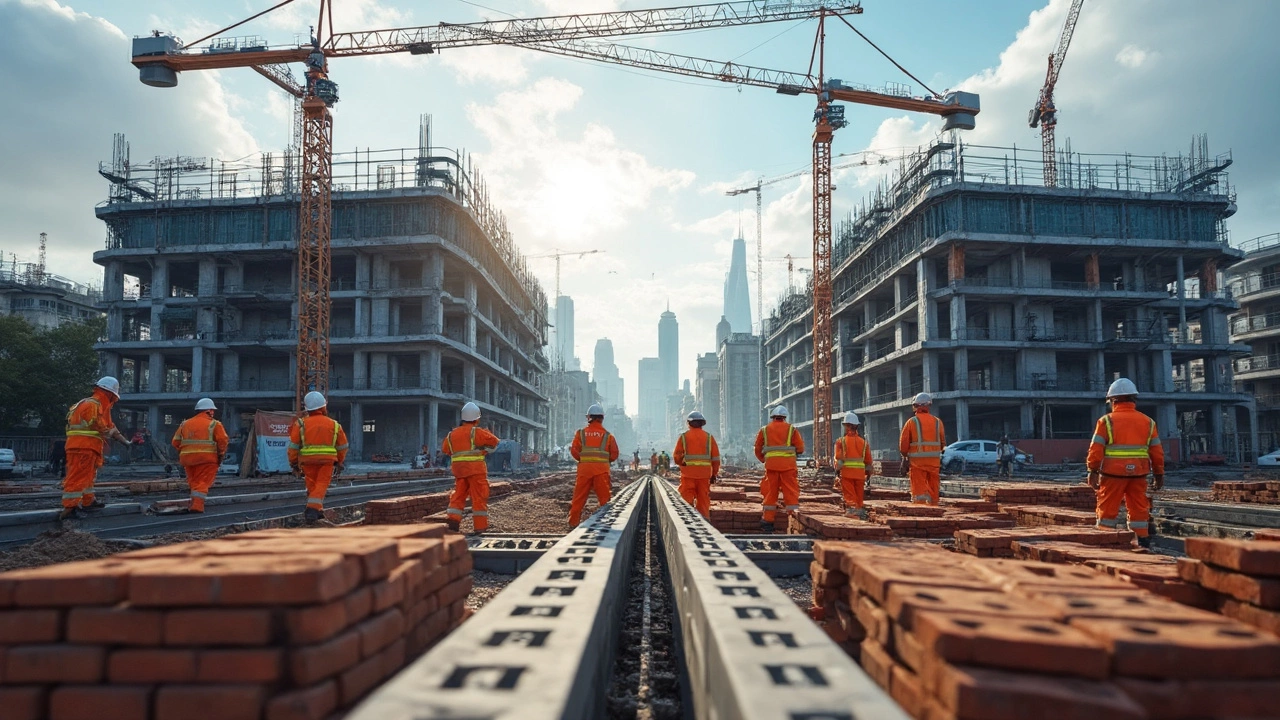
Curious if commercial construction breaks the bank more than building a house? This article digs into why stores, offices, and warehouses tend to cost more per square foot than your average home. We’ll break down exactly where the extra money goes, from codes and materials to labor and design. Concrete numbers, real-life examples, and a few insider tips help you understand what drives these price differences. Whether you’re planning an office build or just want to outsmart your next trivia night, you’ll walk away knowing why commercial usually carries the bigger bill.
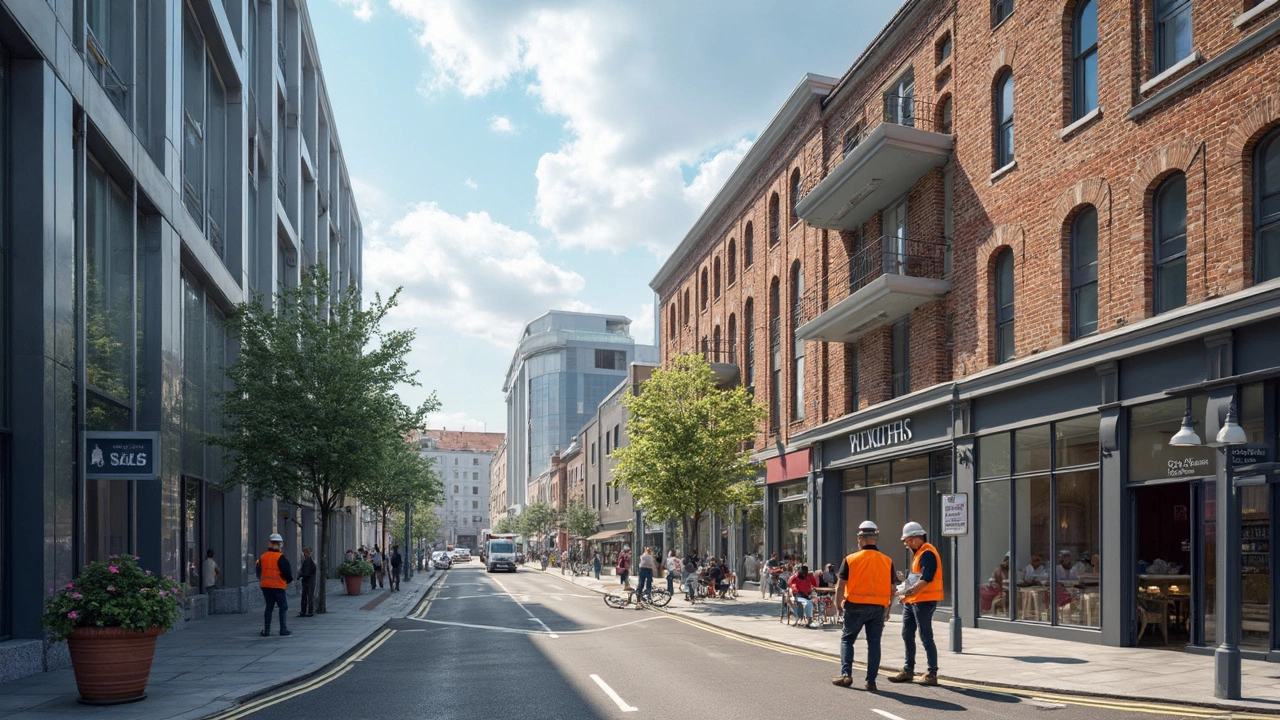
This article breaks down what makes a building 'commercial' and why it matters in construction. It looks at the rules, types of projects, and unique considerations in commercial building. Readers will find practical tips for navigating permits, codes, and contractor selection. If you're thinking about getting into commercial construction, this guide clears up common confusion and shares real examples. Get a clear sense of how commercial projects stand apart from residential or industrial builds.
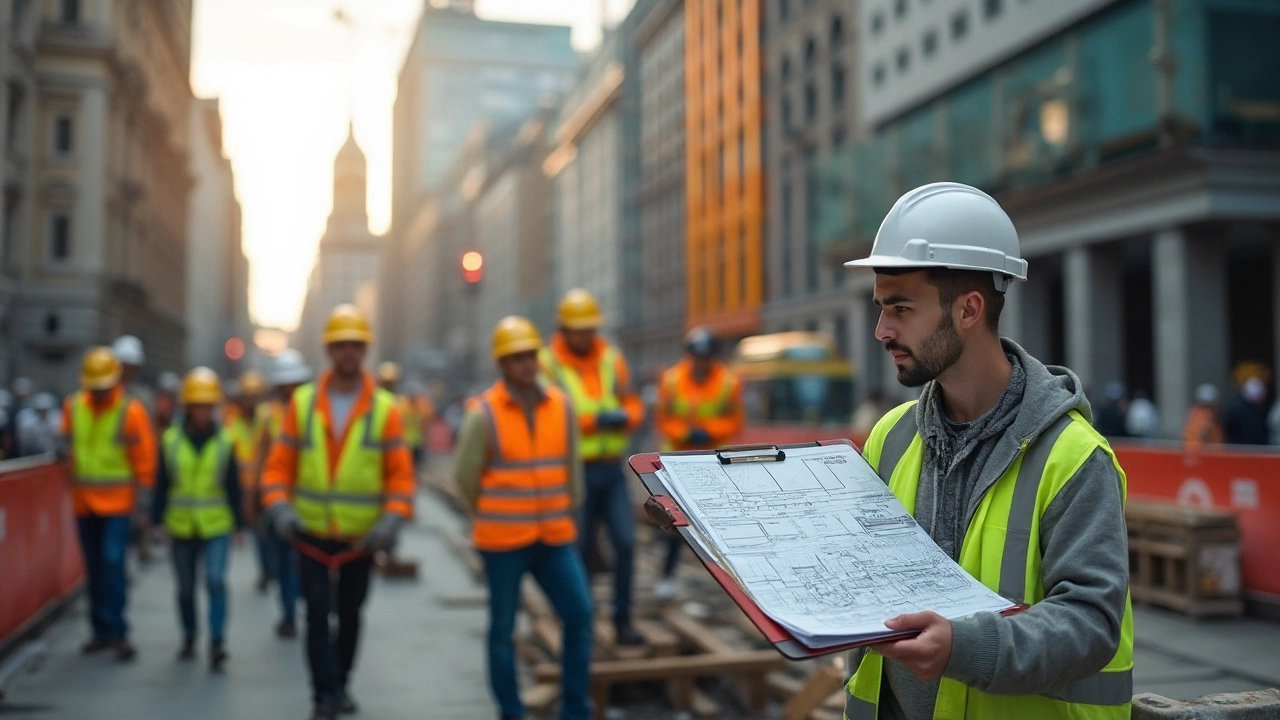
Commercial licenses in construction are vital for ensuring that businesses operate legally and ethically in an industry with many regulations. This article explores what these licenses mean, why they're important, the types needed, and how they can affect construction projects. Discover useful insights on compliance and tips for navigating the licensing process effectively. Learn how proper licensing can protect your business and enhance its credibility.
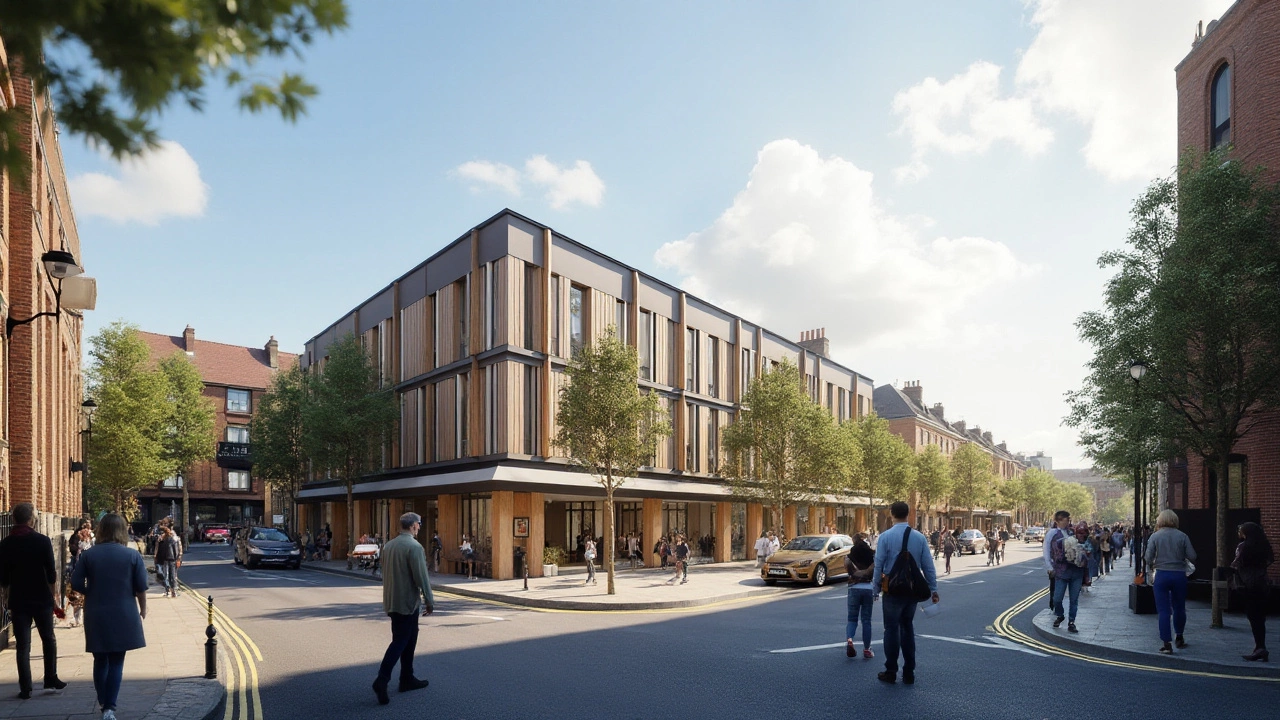
Schools are often the center of community life and their construction plays a crucial role in urban development. Whether they are commercial or industrial projects depends on various factors. This article explores the classification of school buildings, considering elements like zoning, building codes, and purpose. Understanding these aspects helps stakeholders make informed decisions. Discover insights into what makes school construction unique compared to other types of construction projects.

Commercial mortgage rates often exceed residential ones due to factors such as risk assessment, loan terms, and property types involved. Commercial loans often come with higher risk and shorter terms, while offering lenders fewer safety nets compared to residential mortgages. Additionally, the diverse usage of commercial properties adds complexity to rate determination. Understanding these differences helps in grasping why commercial loans carry higher charges.
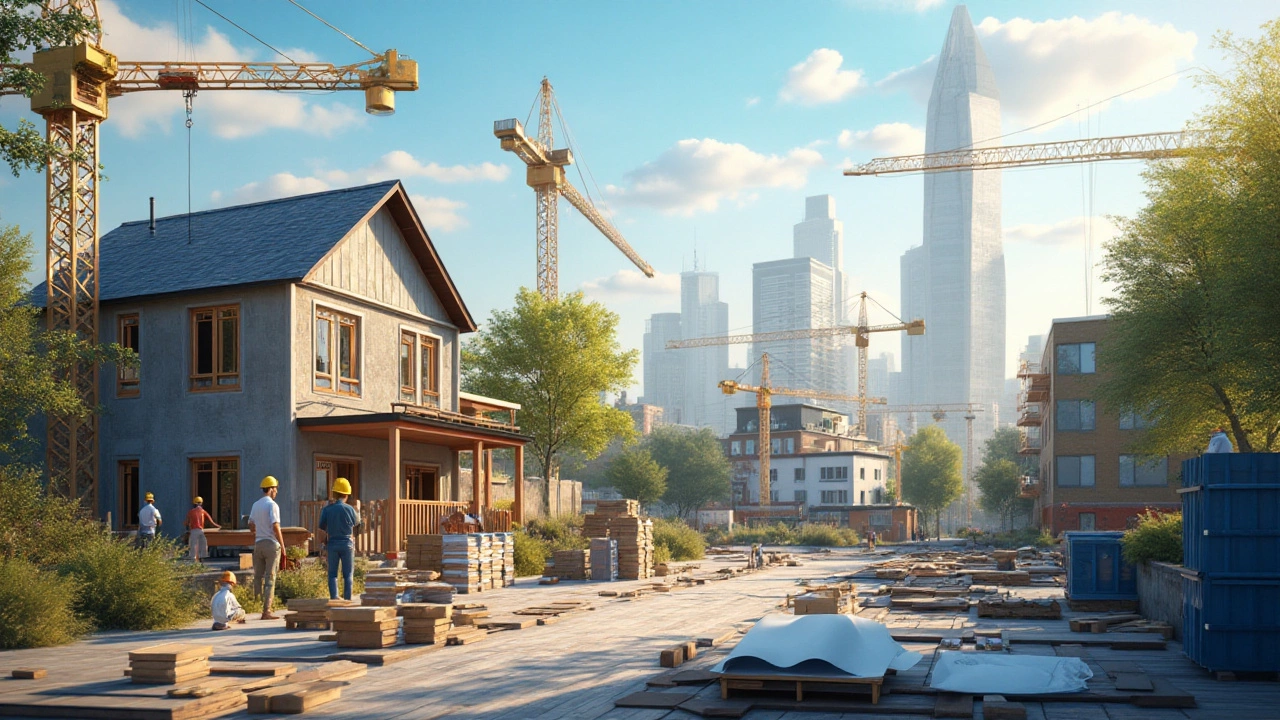
When embarking on a building project, it is crucial to understand the significant differences between residential and commercial construction. The two types require unique approaches in planning, materials, regulations, and execution. Residential construction focuses on creating livable spaces like homes and apartments, while commercial construction deals with offices, schools, and malls demanding different scales and complexities. This article explores how factors like cost, design, permits, and timelines vary between these two prominent construction categories.