Foundation Crack Risk Assessor
Enter the details of the crack you are observing. The tool will analyze the geometry and movement to estimate the risk level and recommend the next steps.
Crack Details
Ready to Assess
Fill in the form on the left to see your personalized risk analysis and recommended actions.
Quick Self-Check Checklist
Check any signs you have noticed around your property. This provides an additional context for your assessment.
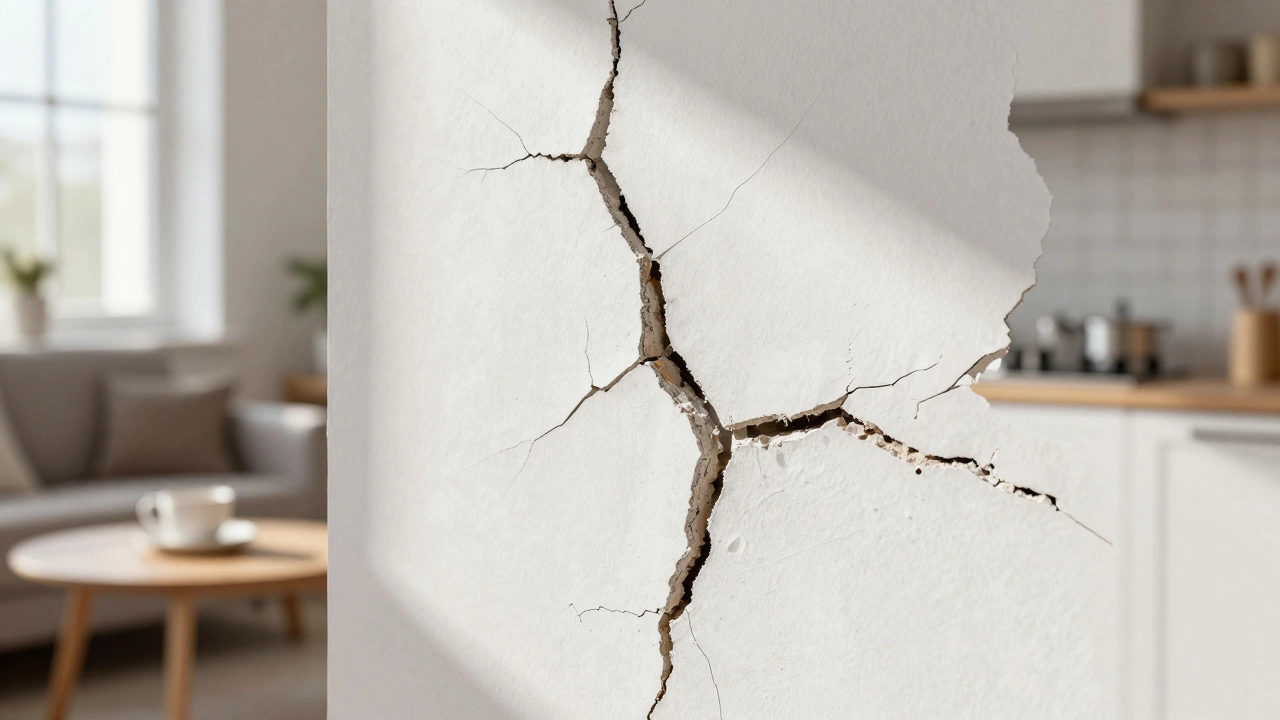
Walking into your living room and noticing a jagged line running up the plaster isn't just an aesthetic annoyance; it’s often the first whisper from your home’s skeleton. Many homeowners freeze at this sight, unsure if it’s harmless cosmetic settling or a sign that the ground beneath their feet is shifting dangerously. The difference lies in the geometry of the break. A bad foundation crack is not defined by its length, but by its direction, width, and movement over time.
You don’t need a degree in civil engineering to spot the red flags. You just need to know what to look for and where to look. This guide breaks down the visual cues that separate minor surface issues from serious structural threats, helping you decide when to call a professional and when to simply monitor the situation.
The Anatomy of a Crack: What Makes It "Bad"?
Not all cracks are created equal. In fact, most hairline fractures in concrete slabs or brickwork are normal. Concrete shrinks as it cures, and soil settles under the weight of the building. These are called shrinkage cracks. They are typically vertical, narrow (less than 3mm), and stable. If they stop moving after the first year or two, they are usually benign.
A bad crack, however, tells a different story. It indicates differential settlement-where one part of the house is sinking faster than another-or lateral pressure from expanding clay soils, common in regions like Melbourne. Here are the three primary characteristics that signal trouble:
- Direction: Diagonal or stair-step patterns are far more concerning than straight vertical lines.
- Width: Anything wider than 6mm (roughly the thickness of a dime) warrants immediate inspection.
- Movement: Cracks that widen or lengthen seasonally indicate active structural stress.
If you see a combination of these factors, your home is likely fighting against significant ground movement. Ignoring these signs can lead to expensive repairs later, such as replacing entire sections of flooring or re-leveling the structure.
Visual Red Flags: Step-by-Step Inspection
How do you actually check your walls? Grab a flashlight and a tape measure. Start at the corners of windows and doors, as these are high-stress points. Look for cracks that originate from the corner and extend diagonally outward. This is a classic sign of differential settlement, where the corner of the building is dropping relative to the center.
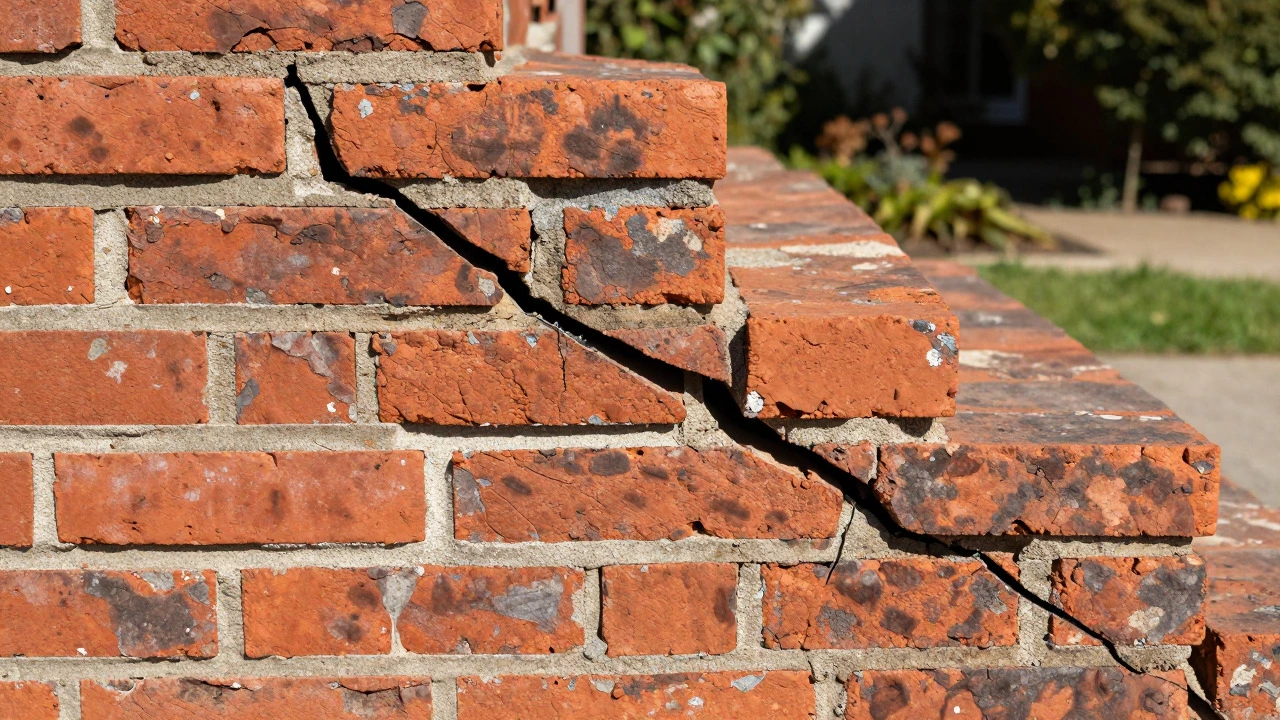
Next, examine the exterior brickwork. Stair-step cracks along mortar joints are a major warning sign. Unlike straight vertical cracks, which might just be thermal expansion, stair-step cracks follow the path of least resistance through the bricks. This suggests the wall itself is twisting or shearing due to uneven support below.
Don’t forget the garage. Garage floors are thin and unsupported by heavy loads above, making them prone to cracking. However, a single straight crack in the middle of a garage slab is often harmless. But if you see multiple intersecting cracks forming a map-like pattern, or if the crack runs parallel to the wall and touches it, you have a problem. That connection means the slab is pulling away from the foundation wall, potentially compromising the waterproofing and structural integrity.
Measuring the Threat: Width and Depth Matter
Seeing a crack is step one; measuring it is step two. Use a digital caliper or a simple ruler with millimeter markings. Insert the tip gently into the crack to gauge its depth and width. Here is a quick reference table to help you categorize what you’re seeing:
| Crack Width | Type | Risk Level | Action Required |
|---|---|---|---|
| < 3mm | Hairline / Vertical | Low | Monitor annually; cosmetic sealant if desired |
| 3mm - 6mm | Diagonal / Stair-step | Moderate | Professional assessment recommended |
| > 6mm | Wide / Horizontal | High | Immediate structural engineer review |
| Any width | Horizontal (above grade) | Critical | Emergency inspection; risk of wall failure |
Pay special attention to horizontal cracks. While vertical cracks are common, horizontal cracks on the interior of a basement or sub-floor wall are rare and dangerous. They usually result from hydrostatic pressure, where water-saturated soil pushes against the wall, causing it to bow inward. If a horizontal crack appears above ground level on the exterior, it is even more critical, as it indicates the wall is losing its ability to hold back the earth behind it.
Internal vs. External Signs of Failure
Foundation issues rarely stay hidden inside the walls. They manifest in ways that affect daily life. Have your doors started sticking? Do your windows fail to latch properly? These are subtle but powerful indicators. When the frame shifts, the opening changes shape. A door that used to close smoothly now scrapes the floor because the bottom of the frame has dropped.
Check your tile floors, especially in kitchens and bathrooms. Tiles are rigid and cannot bend. If the substrate (the concrete slab or screed) moves, the tiles will crack or lift. A spiderweb pattern of cracked grout is a clear sign that the slab is heaving or settling. While fixing the tiles is cheap, ignoring the underlying movement is not.
Also, look for gaps between the baseboards and the floor. If the gap widens on one side of the room, the floor is tilting. Use a spirit level across the floor. A deviation of more than 10mm per meter is significant and suggests that the foundation is no longer level. This tilt can cause water to pool in one corner of a bathroom, leading to mold and further deterioration.
When to Call a Professional
You don’t need to panic over every scratch on the wall, but you should act on specific triggers. Call a licensed structural engineer or foundation specialist if you notice any of the following:
- A crack wider than 6mm that has grown since last year.
- Stair-step cracks in exterior masonry that span more than one course of bricks.
- Doors and windows that stick consistently, not just during humid weather.
- Visible bowing or leaning of interior or exterior walls.
- New cracks appearing after heavy rain or drought cycles.
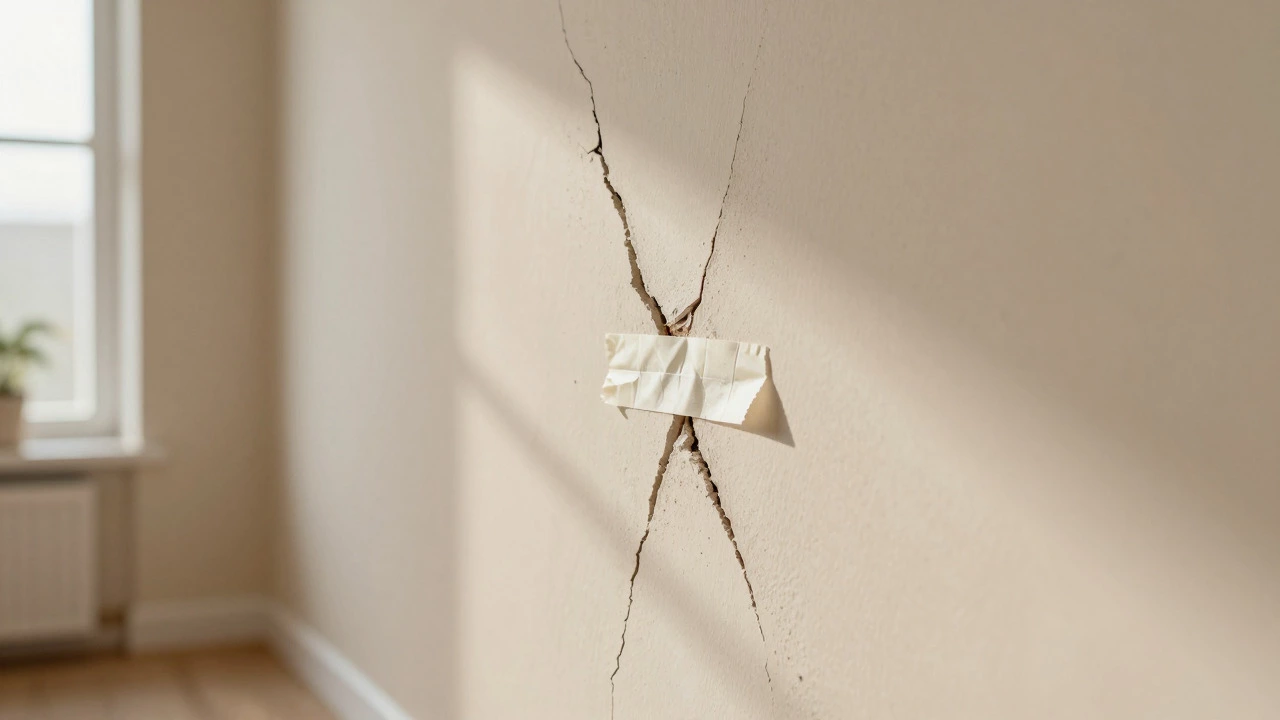
In Melbourne, where we experience distinct wet and dry seasons, clay soils expand and contract significantly. This seasonal cycle can exacerbate existing weaknesses. If you live on reactive clay, regular monitoring is essential. Keep a logbook. Take photos of the cracks monthly. Mark the edges with a piece of tape or paint so you can visually confirm if the crack is widening. This data is invaluable to engineers, as it proves whether the movement is active or dormant.
Prevention and Maintenance Tips
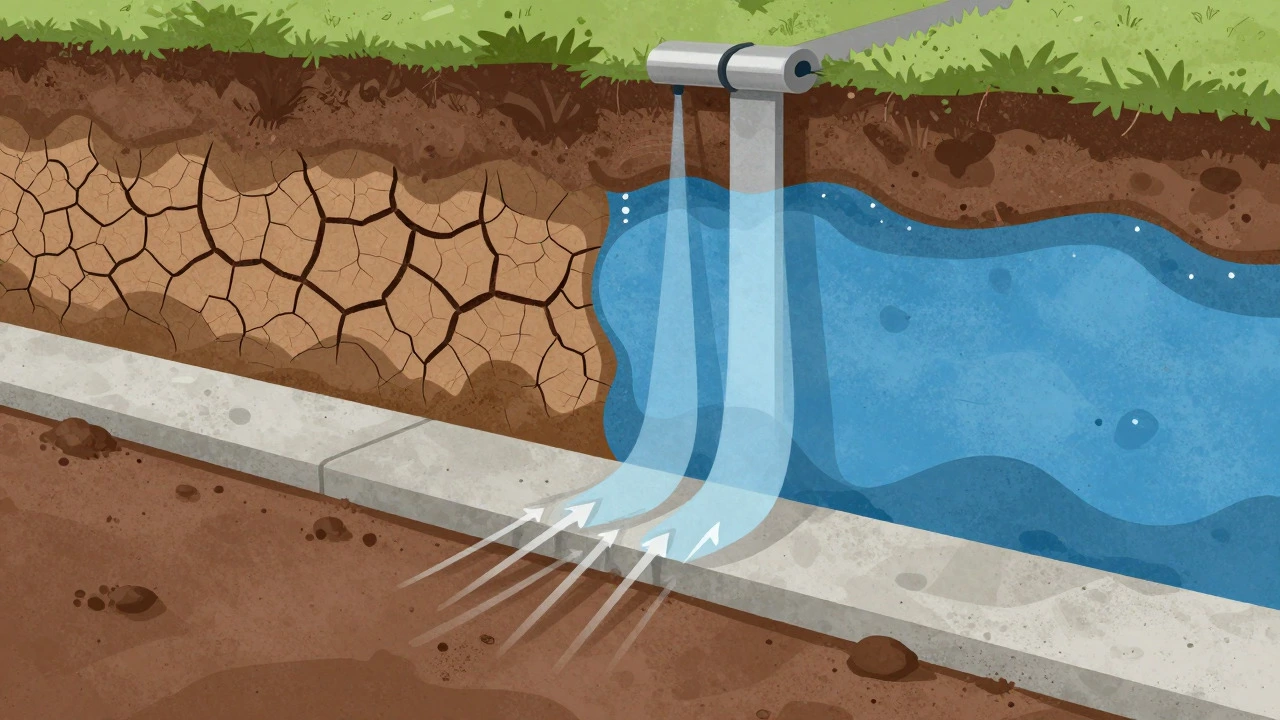
While you can’t change the geology under your house, you can manage the environment around it. Proper drainage is your best friend. Ensure gutters are clean and downpipes direct water at least 1.5 meters away from the foundation. Water pooling near the base of the house saturates the soil, causing it to swell and push against the walls. Conversely, during droughts, dry soil shrinks and pulls away from the foundation, creating voids that allow the structure to settle unevenly.
Consider installing a drip line system connected to your mains water supply to keep the soil moisture consistent during dry spells. This technique, known as hydration management, helps stabilize expansive clays. Additionally, avoid planting large trees too close to the house. Their roots seek water and can dehydrate the soil beneath the foundation, leading to subsidence. Keep large trees at least twice their mature height away from the structure.
Frequently Asked Questions
Are all diagonal cracks bad?
Not necessarily. Small diagonal cracks (under 3mm) near corners are often due to normal settling. However, wide diagonal cracks (over 6mm) or those that continue to grow are strong indicators of differential settlement and require professional assessment.
Can I fix a foundation crack myself?
You can fill small, stable hairline cracks with epoxy or polyurethane injectors for cosmetic purposes. However, never attempt to repair wide, moving, or horizontal cracks without professional diagnosis, as the root cause (soil movement or structural weakness) must be addressed first.
How fast does foundation damage progress?
Progress varies. In areas with reactive clay, movement can happen rapidly during extreme weather events (heavy rain or drought). In other cases, it may be slow and gradual over years. Active movement is indicated by new cracks or widening existing ones within a 12-month period.
What is the cost of repairing a bad foundation crack?
Costs vary widely depending on the method required. Simple injection filling might cost a few hundred dollars. Piering or underpinning to stabilize the foundation can range from $2,000 to $10,000+ per point. Always get multiple quotes from licensed specialists after an engineering report.
Does insurance cover foundation cracks?
Standard home insurance often excludes "gradual wear and tear" or "ground movement." However, sudden catastrophic failures (like a wall collapsing) might be covered. Check your policy specifically for "subsidence" or "landslip" coverage, as terms vary by provider.