Foundation Repair Decision Assistant
Not sure if you need to lift your house? Answer the questions below to see if non-invasive stabilization is right for you.
Critical Safety Checks
Recommendation
Confidence: HighEstimated Cost & Details
| Method | Est. Cost Range | Pros | Cons |
|---|
Next Steps
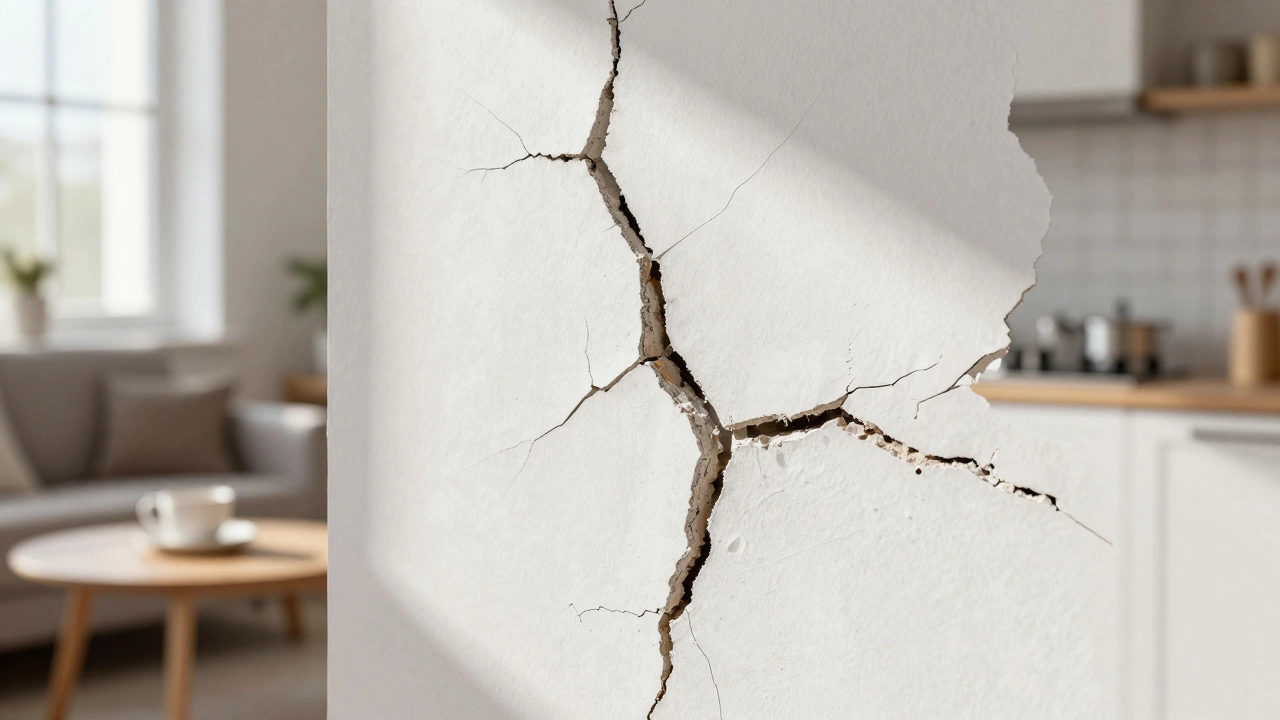
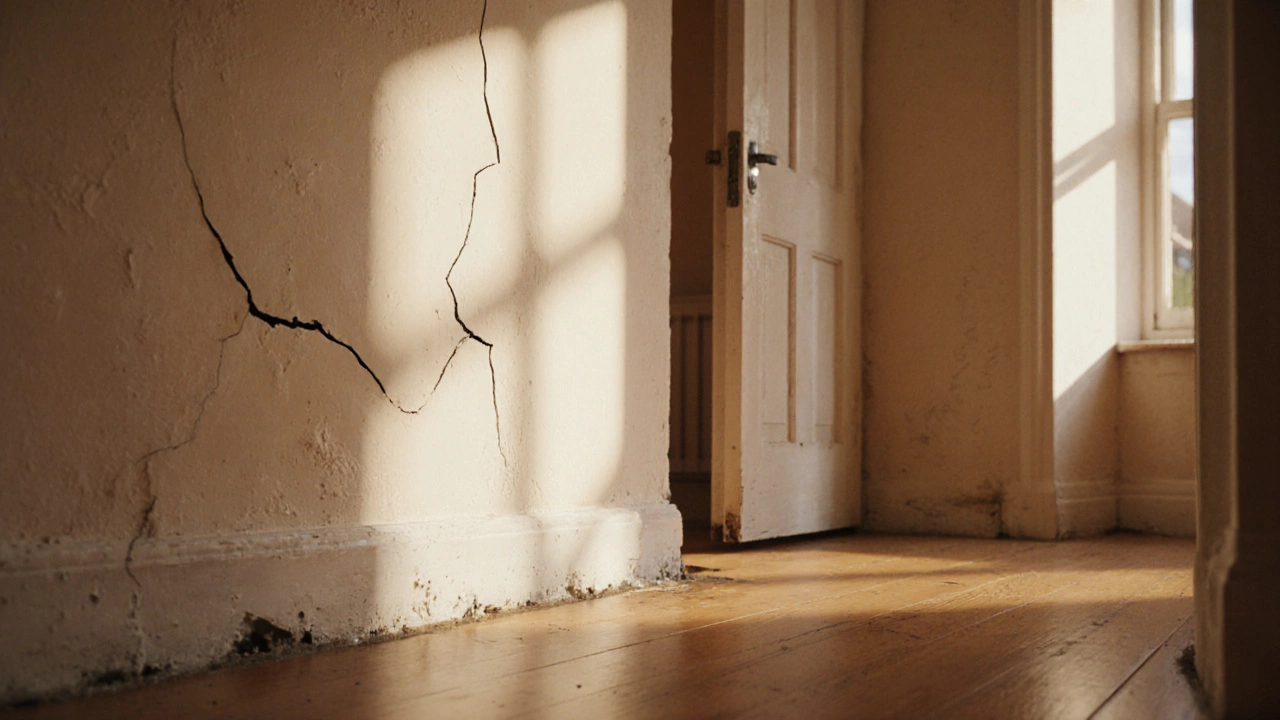
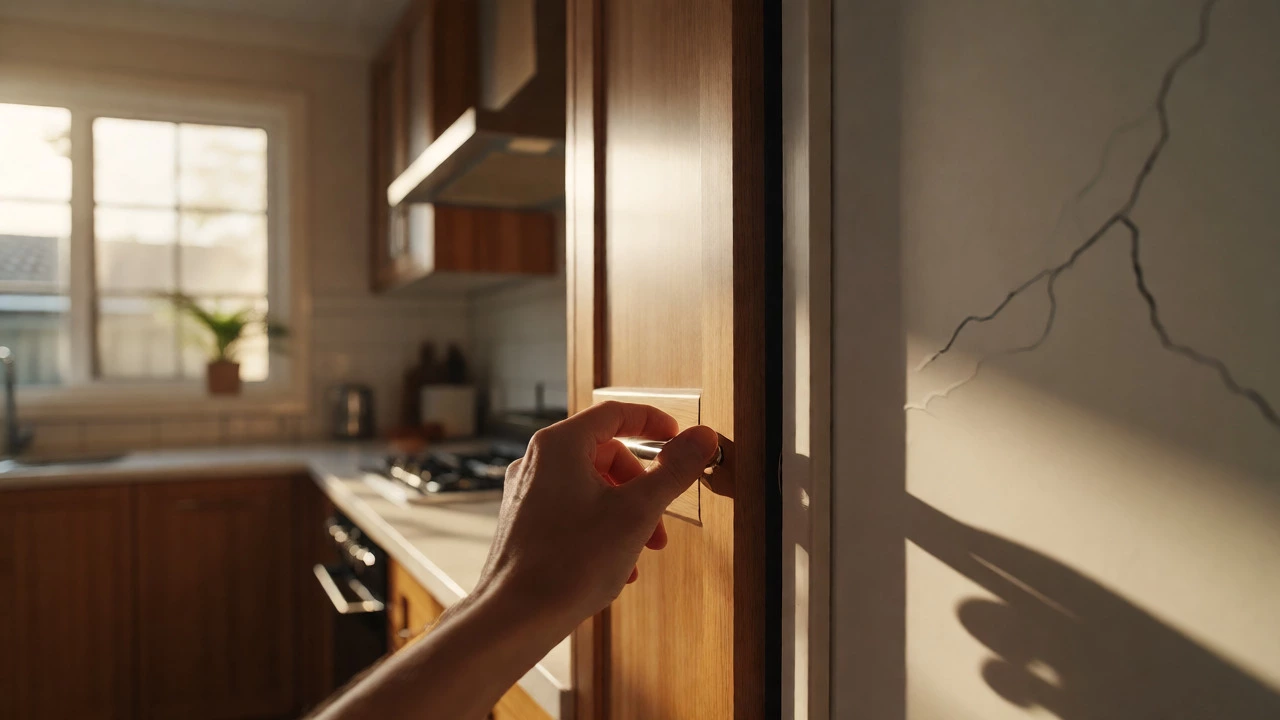
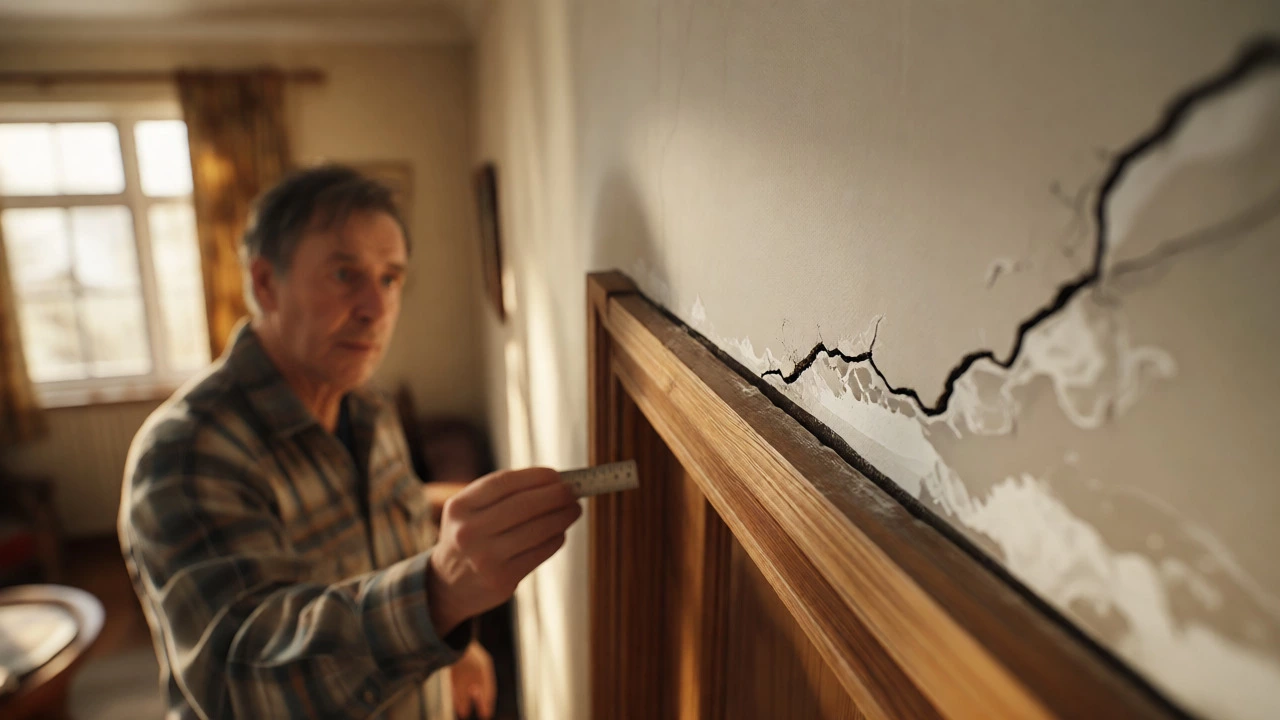
You hear the crack. Maybe it’s a hairline fracture in your drywall above the door frame, or perhaps the front door suddenly refuses to latch without a shove. The first thing most homeowners panic about is the word "lift." We picture massive hydraulic jacks groaning under the weight of our homes, neighbors watching from their porches, and a bill that wipes out savings. But here is the secret contractors rarely shout from the rooftops: you don’t always have to lift the whole house to fix the foundation. In fact, for many common settlement issues, lifting is unnecessary, expensive, and sometimes even risky.
Non-invasive foundation repair is a set of techniques designed to stabilize soil, fill voids, or reinforce structural elements without raising the entire structure back to its original grade level. This approach focuses on stopping movement rather than reversing it completely. If your goal is to stop the cracking, prevent further sinking, and secure your home’s value without the drama of a full lift, this guide breaks down exactly how it works, what methods apply to your situation, and when you actually do need to call in the heavy machinery.
The Reality Check: Do You Actually Need to Lift?
Before we talk about fixing, let’s address the elephant in the room. Why do people think they need to lift? Usually, it’s because of aesthetics. A visibly sloping floor looks bad. But structurally, if a house has settled one inch over ten years and stopped moving, it might be perfectly stable. Lifting that house back up stresses pipes, cracks new plaster, and can destabilize the very footings you’re trying to save.
Ask yourself these three questions:
- Is the damage actively worsening? (e.g., new cracks appearing monthly)
- Are doors and windows becoming impossible to operate?
- Has a professional confirmed ongoing movement via elevation monitoring?
If the answer to all three is "no," you likely just need stabilization. Stabilization means reinforcing the ground beneath you so it stops shifting. It does not mean raising the house. This distinction saves thousands of dollars and weeks of disruption.
Mudjacking and Polyurethane Foam Injection
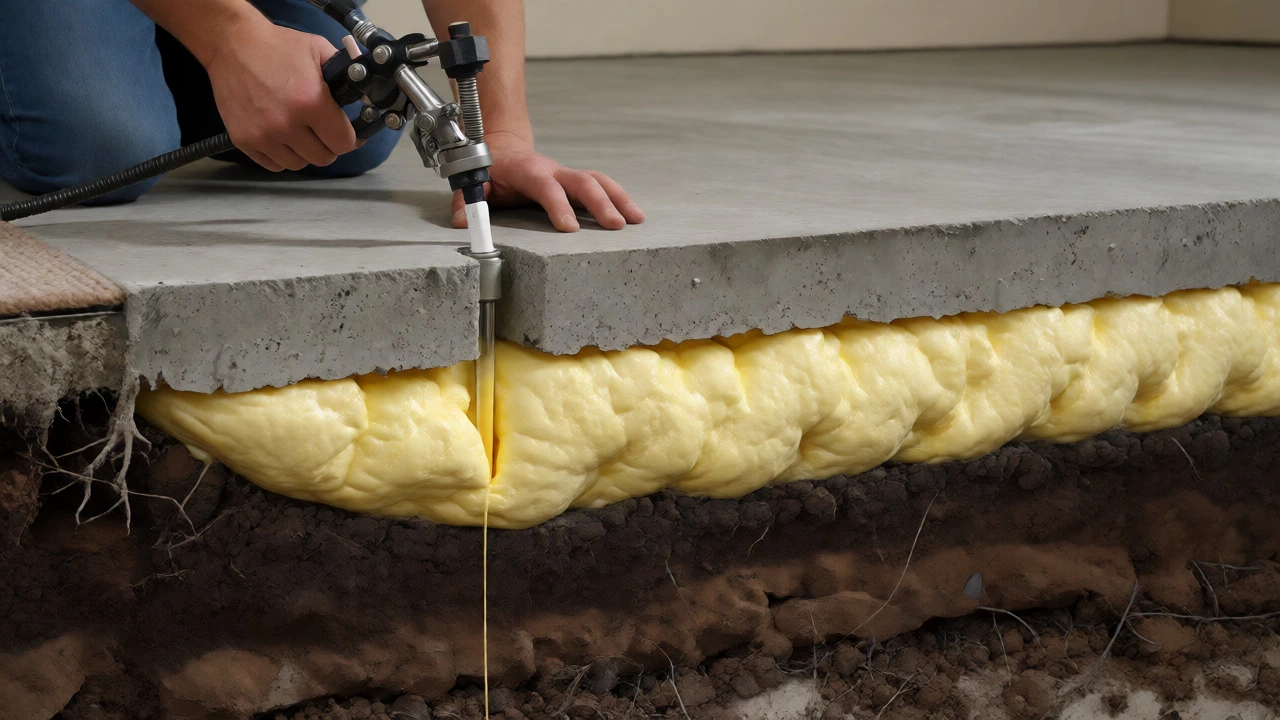
When people say they want to fix a foundation without lifting the whole house, they are often referring to slab jacking. This technique targets concrete slabs-like your garage floor, driveway, or patio-that have sunk due to soil erosion underneath. Instead of ripping out the concrete and pouring new slabs, contractors drill small holes into the existing concrete.
Then, they pump material under pressure to fill the voids. There are two main types of materials used here, and choosing between them depends on your budget and the severity of the sink.
| Feature | Cementitious Mudjacking | Polyurethane Foam Injection |
|---|---|---|
| Material Cost | Low ($3-$6 per sq ft) | High ($15-$25 per sq ft) |
| Weight Added | Heavy (adds ~100 lbs/sq ft) | Lightweight (< 4 lbs/cu ft) |
| Curing Time | Days to weeks | Minutes |
| Water Resistance | Absorbs water over time | Hydrophobic (repels water) |
| Best For | Driveways, sidewalks, patios | Interior floors, sensitive structures |
Mudjacking uses a slurry of water, cement, sand, and other additives to fill voids beneath concrete slabs. It’s cheap and effective for outdoor areas where slight unevenness isn’t critical. However, because the mixture is heavy, it adds load to already weak soil. If your soil is truly unstable, mudjacking might just make the problem worse in five years.
On the other hand, Polyurethane foam injection expands rapidly upon contact with moisture, filling voids with a lightweight, waterproof resin. It lifts slabs slightly-not enough to reset the whole house, but enough to level trip hazards. Because it’s light, it doesn’t stress the soil. For interior floors where you don’t want to jack up the walls, polyurethane is the gold standard. It cures fast, leaves tiny pinhole marks, and stops water infiltration, which is often the root cause of the erosion.
Helical Piers for Partial Support
What if the issue isn’t a sunken slab, but a settling footing? Say one corner of your house is dropping, but the rest is fine. You don’t need to lift the whole structure. You need to support that specific corner. Enter helical piers.
Unlike traditional pressed pilings that require driving deep into bedrock (which can be noisy and disruptive), Helical piers are steel shafts with screw-like plates welded to them, installed by rotating them into the soil until they reach competent load-bearing strata. Think of them as giant screws anchored into the earth.
Here’s why they fit the "no lift" criteria: They provide resistance against future downward movement. Yes, installers *can* use them to lift a section of the house, but that requires bracketing the beam and jacking it up. If you choose a "stabilization-only" contract, the installer attaches the pier to the footing using a bracket but does not apply upward force. They simply lock the footing in place. This prevents the corner from dropping another half-inch next winter. It’s cheaper, faster, and less invasive than a full lift.
However, there is a catch. Helical piers must go deep enough to hit stable soil. In clay-heavy regions like Texas or Georgia, this might mean going 15-20 feet down. In sandy soils, maybe only 8 feet. Always ask for a geotechnical report if the contractor hasn’t done one. Guessing the depth leads to failed repairs.
Carbon Fiber Strapping for Wall Bowing
Sometimes the foundation wall itself is the problem, not the ground below. Hydrostatic pressure from wet soil pushes against basement walls, causing them to bow inward. Traditional repair involves excavating the outside of the house and installing steel I-beams or anchors. That’s messy, expensive, and often requires digging near the foundation-which disturbs the soil you’re trying to protect.
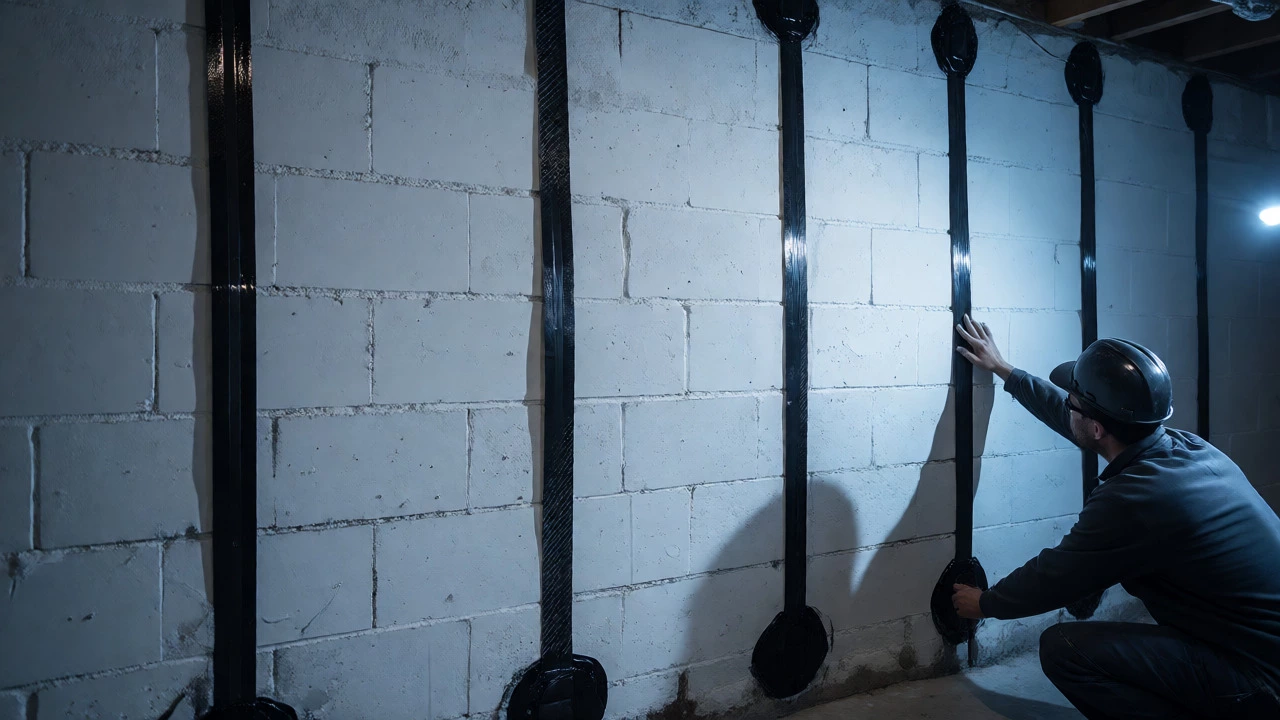
Enter carbon fiber. Carbon fiber straps are high-tensile strength strips bonded directly to the interior surface of concrete block or poured walls to resist lateral pressure. They act like a corset for your wall. They don’t straighten a badly bowed wall (that would require pushing it back, which is a form of lifting/realigning), but they stop it from bowing further.
This method is purely internal. No excavation. No noise outside. No heavy equipment. You clean the wall, epoxy the straps on, and cover them with drywall later. It’s ideal for minor to moderate bowing (up to 1.5 inches). If your wall is buckled more than that, carbon fiber might snap under tension, and you’ll need steel beams or wall anchors instead.
Root Barriers and Drainage Improvements
Let’s step back. Why is your foundation failing? Often, it’s not the foundation’s fault. It’s the environment. Tree roots seek moisture and drink from the soil under your house, causing shrinkage in clay soils. Or poor grading sends rainwater right into your footer drains.
Fixing the foundation without lifting often means fixing the drainage. This is the cheapest "repair" you can do. Extend your downspouts at least six feet away from the house. Regrade the soil around your perimeter so it slopes away from the foundation. Install French drains if water pools in your yard.
For tree-related issues, consider Root barriers vertical sheets of plastic or metal installed in trenches around trees to direct roots downward rather than toward the foundation. These don’t lift anything. They just change root behavior. Combined with proper watering schedules (keeping soil moisture consistent during droughts), these preventative measures can halt settlement entirely.
When You Absolutely Must Lift
We’ve spent time talking about avoiding the lift, but let’s be honest: sometimes you can’t avoid it. Ignoring the need for a lift can lead to catastrophic failure. Here are the red flags that mean non-invasive methods won’t cut it:
- Differential Settlement: One side of the house is significantly lower than the other, creating a slope greater than 1% across a room. Furniture slides; balls roll uphill.
- Structural Instability: The brick veneer is pulling away from the house, or the roof ridge line is visibly distorted.
- Plumbing Failures: Sewer lines are breaking repeatedly due to pitch changes. Pipes cannot flex indefinitely.
- Warranty Requirements: Some home warranties or insurance policies require full restoration to pre-damage condition.
In these cases, House lifting the process of using hydraulic jacks to raise the structure back to its original elevation before stabilizing the foundation. becomes necessary. It’s not just about looks; it’s about geometry. If the angles are wrong, doors won’t close, windows won’t seal, and energy bills will spike due to gaps in insulation.
Cost Breakdown and Decision Matrix
How much does "fixing without lifting" actually cost? It varies wildly by region, soil type, and accessibility. But here are national averages for 2026 to help you budget.
| Method | Unit of Measure | Average Cost Range | Labor Intensity |
|---|---|---|---|
| Polyurethane Foam | Per Square Foot | $15 - $25 | Low |
| Mudjacking | Per Square Foot | $3 - $6 | Medium |
| Helical Piers (Stabilization Only) | Per Pier | $1,500 - $2,500 | High |
| Carbon Fiber Straps | Per Linear Foot | $100 - $150 | Medium |
| French Drain Installation | Per Linear Foot | $20 - $40 | High |
Notice the gap between mudjacking and polyurethane. You pay for the speed and the lack of added weight. If you’re selling your house soon, buyers’ inspectors will flag mudjacked slabs as "temporary." Polyurethane is seen as permanent. Factor that resale value into your decision.
Hiring the Right Contractor
Not every contractor who says "we don’t lift" is being honest. Some just lack the equipment to lift and want to sell you a cheaper job. Others genuinely believe stabilization is better. How do you tell the difference?
Look for engineers. A reputable company will work with a licensed structural engineer. Ask: "Did an engineer design this repair plan?" If the answer is no, walk away. Engineers calculate loads and soil bearing capacities. Contractors guess.
Also, check for transferable warranties. Many companies offer lifetime warranties on their repairs. Read the fine print. Does the warranty cover re-settlement? Does it transfer to the next owner? A non-lift repair with a strong warranty is often a better financial bet than a lifted house with a shaky guarantee.
Finally, get three quotes. Compare not just the price, but the scope. Quote A might include drainage improvements while Quote B doesn’t. Quote C might suggest piers while Quote D suggests foam. Understand *why* they recommend different things. Soil tests reveal the truth. Trust the data, not the sales pitch.
Can I fix my foundation myself?
You can handle minor cosmetic fixes and drainage improvements (grading, downspout extensions) yourself. However, structural repairs like injecting foam, installing piers, or applying carbon fiber usually require specialized equipment and training. DIY attempts at major structural issues often lead to voided warranties and more expensive professional repairs later.
Does fixing without lifting devalue my home?
Not necessarily. In fact, if the house was stable to begin with, leaving it at its current elevation is often preferred by appraisers who dislike seeing signs of aggressive intervention. However, if there is visible sloping, some buyers may perceive it as a defect. Proper documentation of the repair and a transferable warranty mitigate this risk significantly.
How long do non-lift repairs last?
Polyurethane foam and helical piers are considered permanent solutions, often lasting the life of the structure if installed correctly. Mudjacking typically lasts 5-10 years before the slurry may degrade or shift. Carbon fiber straps also last indefinitely unless subjected to extreme hydrostatic pressure beyond their tensile limits.
Will insurance cover foundation repair without lifting?
Standard homeowners' insurance rarely covers foundation settlement caused by natural soil movement or drought. It usually covers sudden accidents, like a burst pipe eroding soil. Whether you lift or stabilize, the coverage depends on the cause of the damage, not the repair method. Always file a claim if a covered peril (like plumbing leak) caused the issue.
Is polyurethane foam better than mudjacking?
Generally, yes, for residential interiors. Polyurethane is lighter, waterproof, and cures instantly, minimizing disruption. Mudjacking is heavier and absorbs water, which can lead to future settling. However, mudjacking is significantly cheaper, making it suitable for driveways and sidewalks where precision leveling is less critical.