Construction Path Finder
Answer the questions below to see which construction path aligns best with your current financial situation and lifestyle goals.
Residential Construction Score
Calculating...
Commercial Construction Score
Calculating...
Final Recommendation:
Key Considerations for Your Choice
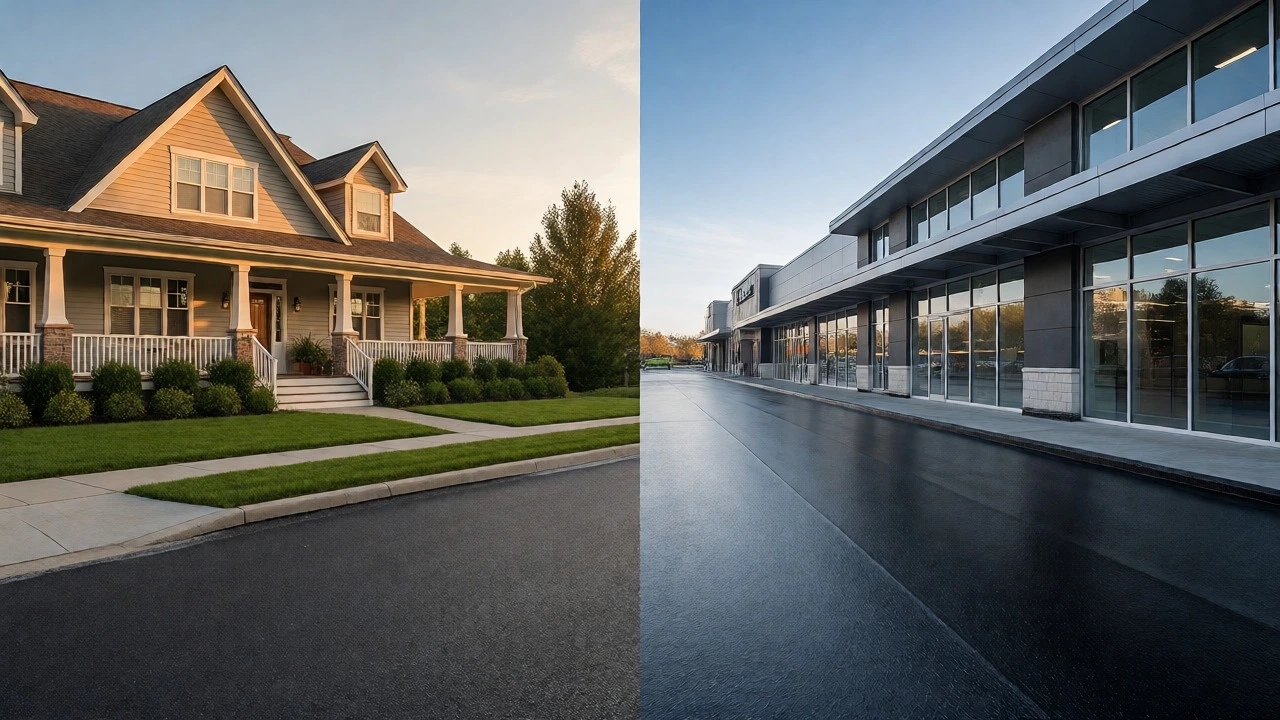
Imagine you have a budget of $500,000 and a plot of land. Do you build a sleek, two-story family home with a wraparound porch? Or do you put up a small retail strip mall that generates monthly rent checks? This isn't just a hypothetical scenario; it’s the daily dilemma for investors, developers, and even homeowners considering mixed-use spaces. The question Which is better commercial or residential? doesn’t have a single right answer. It depends entirely on your goals, risk tolerance, and how much time you want to spend managing headaches.
Many people assume commercial projects are always more profitable because the price tags are higher. Others think residential is safer because everyone needs a place to sleep. Both assumptions miss the nuance. Commercial construction involves different codes, longer timelines, and stricter regulations. Residential builds move faster but offer lower margins per square foot. To help you decide which path fits your life or business, we need to break down the real differences in cost, complexity, regulation, and return on investment.
Understanding the Core Differences
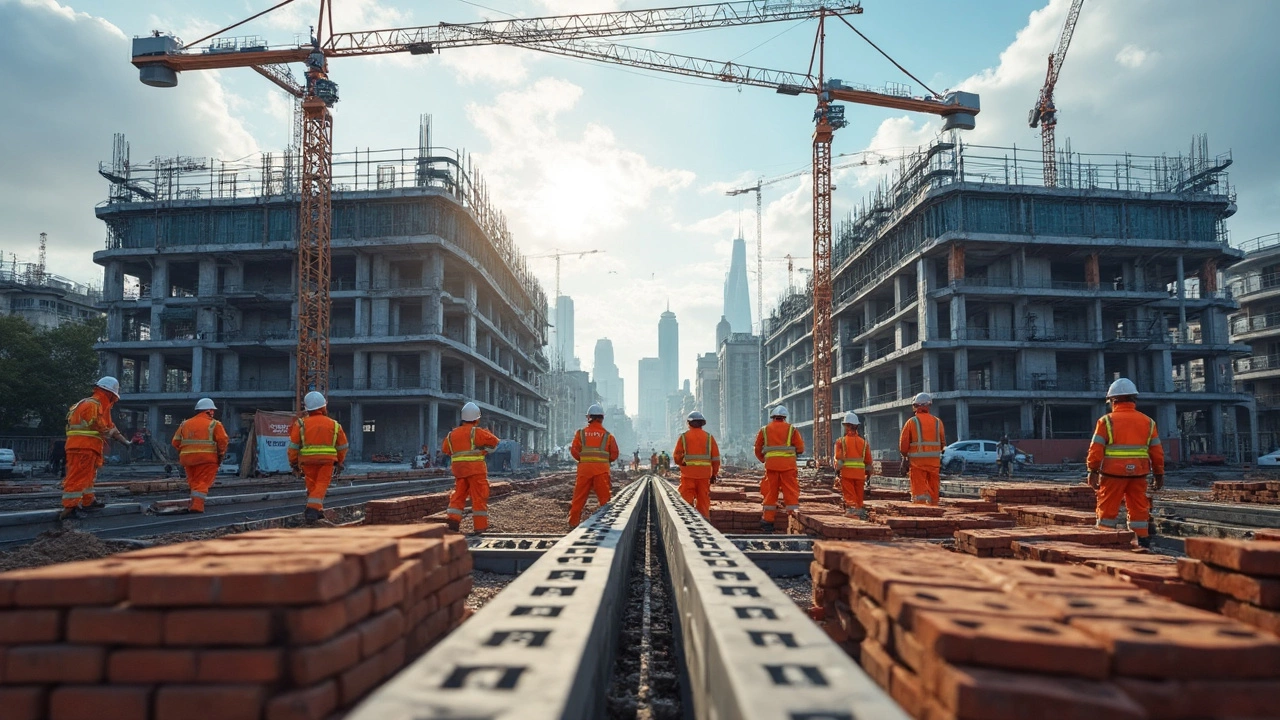
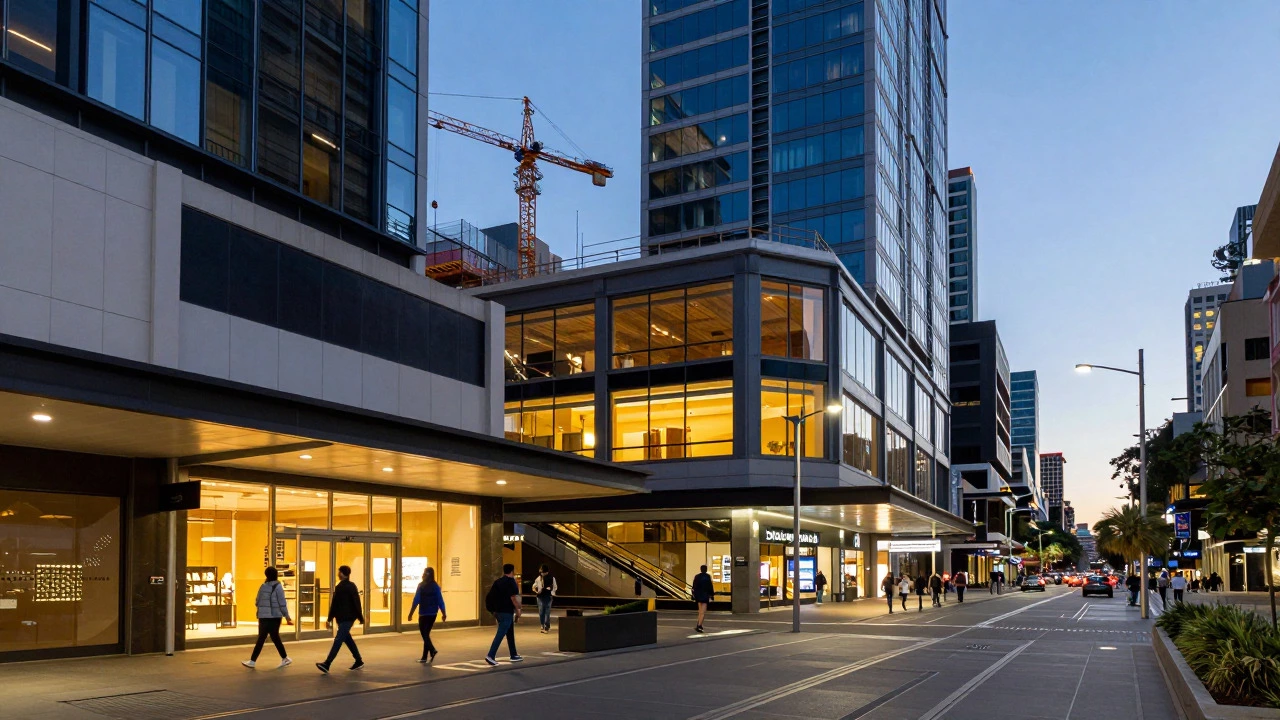
Before picking a side, you need to know what separates these two worlds. Residential construction refers to buildings designed for living purposes, including single-family homes, duplexes, and apartment complexes. Its primary metric is livability and comfort for individuals or families. In contrast, Commercial construction covers structures used for business activities, such as offices, retail stores, warehouses, and hotels. The focus here shifts from personal comfort to functionality, durability, and revenue generation.
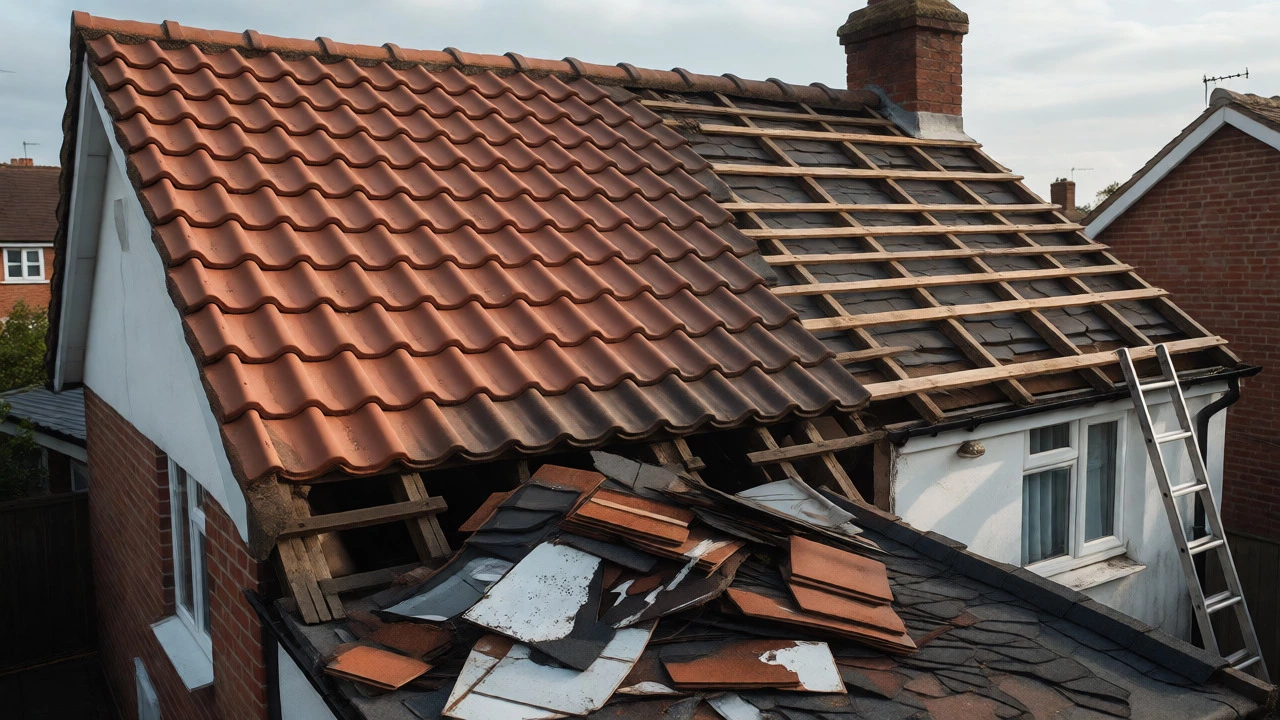
The biggest difference lies in the end-user. A homeowner cares about kitchen flow and natural light. A business owner cares about foot traffic, electrical capacity, and ADA compliance. This fundamental shift in purpose dictates everything from the materials used to the permits required. For instance, a residential roof might use asphalt shingles, while a commercial flat roof often requires TPO (Thermoplastic Polyolefin) membranes to handle heavy HVAC units and prevent leaks over large spans.
Cost Structures and Budget Realities
Let’s talk numbers. If you look at raw construction costs per square foot, commercial projects usually win-but not in the way you might think. They are more expensive to build, but they also command higher rental yields. According to recent data from the National Association of Home Builders, average construction costs for a custom single-family home in the US hover around $150-$200 per square foot. Commercial office space, however, can range from $250 to over $400 per square foot depending on finishes and location.
Why the jump? It’s not just fancy lobbies. Commercial buildings require:
- Heavier structural steel: To support larger open floor plans without interior columns.
- Advanced HVAC systems: Centralized cooling that handles heat loads from dozens of computers and people.
- Fire suppression systems: Sprinklers are mandatory in most commercial zones, adding significant plumbing costs.
- Elevators: Even low-rise commercial buildings often need them for accessibility.
However, don’t let the sticker shock scare you off. While the upfront cost is higher, the maintenance schedule differs wildly. Residential properties see wear and tear from daily living-kids running through hallways, pets scratching floors. Commercial properties face high-volume usage. A retail store door might be opened 500 times a day. That means hardware fails faster, but the tenant often pays for repairs under triple-net leases, shifting some burden away from the owner.
| Feature | Residential Impact | Commercial Impact |
|---|---|---|
| Permitting Fees | Lower, based on square footage/value | Higher, includes impact fees & inspections |
| Insurance | Standard homeowner policy (~$1,500/year) | Specialized liability & property (~$5k+/year) |
| Tax Benefits | Mortgage interest deduction | Depreciation & expense write-offs |
| Financing | 30-year fixed mortgages common | Shorter terms (5-7 years), higher rates |
Regulations and Zoning Hurdles
If you hate paperwork, neither option will make you happy. But commercial construction brings a whole new level of bureaucratic intensity. Residential zoning is relatively straightforward. You check if the lot allows a house, ensure setbacks from the street, and verify height limits. Most cities have clear rules for this.
Commercial zoning is trickier. You might find a perfect corner lot, only to discover it’s zoned for "light industrial" when you wanted a café. Changing zoning requires public hearings, city council votes, and months of waiting. Furthermore, commercial buildings must adhere to strict American with Disabilities Act (ADA) guidelines ensuring equal access for individuals with disabilities. This affects everything from door width to restroom stall size. Non-compliance can lead to lawsuits, not just fines.
Environmental regulations also hit commercial projects harder. Large sites may require stormwater management plans to control runoff. Older commercial buildings undergoing renovation often trigger asbestos and lead paint abatement requirements, which can add tens of thousands to the bill before demolition even begins. Residential renovations rarely face this level of scrutiny unless the home was built before 1978.
Project Timelines and Complexity
Time is money, especially in construction. Here’s where residential often has the edge. A typical custom home build takes 6 to 12 months. It’s linear: foundation, frame, rough-ins, finishes. Delays happen, but the process is predictable.
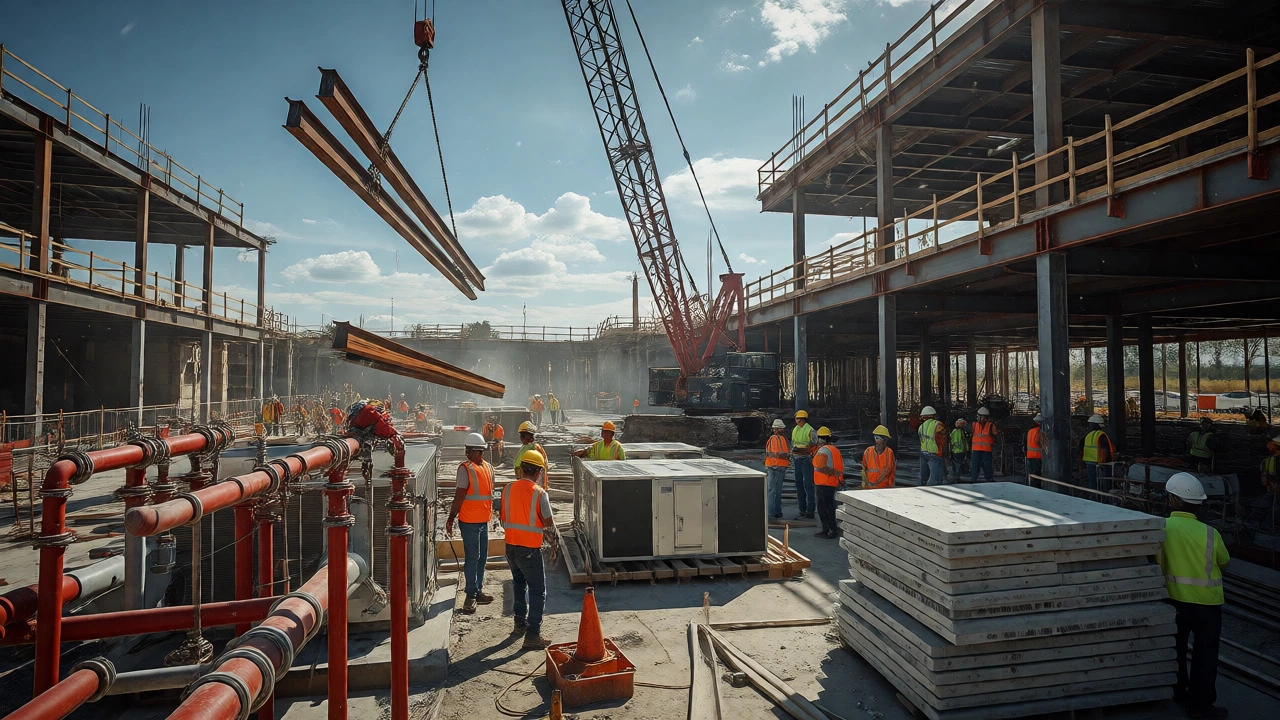
Commercial projects are complex webs of dependencies. A mid-sized office building might take 12 to 24 months. Why so long? Multiple trades work simultaneously in tighter coordination. Electricians, plumbers, and HVAC technicians must sync perfectly to avoid rework. Plus, commercial clients often change their minds. A retail tenant might redesign their layout three times during construction, forcing contractors to rip out walls and reroute pipes. Change orders are common in commercial builds, whereas homeowners tend to stick closer to their initial vision once the framing goes up.
Consider the supply chain too. Commercial builders order specialized materials like curtain wall glass or precast concrete panels that have long lead times. Residential builders rely on lumber and drywall, which are more readily available locally. If you’re impatient, residential wins. If you’re planning a multi-year investment horizon, commercial delays are less painful because the asset appreciates over time.
Return on Investment (ROI) Potential
This is the million-dollar question-or rather, the ten-million-dollar question. Which one makes more money?
Residential real estate offers steady, modest returns. Rental yields typically range from 4% to 8% annually. Appreciation drives much of the profit, relying on market trends rather than active management. It’s passive income for many owners.
Commercial real estate targets higher cash flow. Yields can reach 8% to 12% or more. But this comes with volatility. Commercial leases are longer (5-10 years), providing stability, but vacancy risks are severe. If a big tenant leaves an office building, you lose massive income overnight. Residential vacancies are shorter and easier to fill because housing demand is constant.
There’s also the leverage factor. Banks view commercial loans as riskier, so they require larger down payments (25-35%) compared to residential (5-20%). This reduces your buying power initially. However, commercial properties allow you to deduct operational expenses like property management fees, legal costs, and marketing directly against income, potentially lowering your tax bill significantly.

Lifestyle and Management Demands
Be honest about how much work you want to do. Managing a residential property is manageable for a solo investor. Tenants call about leaky faucets. You hire a handyman. Done.
Managing commercial property is a part-time job. You deal with corporate tenants who have legal teams. Lease negotiations involve CAM (Common Area Maintenance) charges, percentage rents, and co-tenancy clauses. If the HVAC breaks in a restaurant, the owner might owe the tenant for lost sales during downtime. You’ll likely need a professional property manager, eating into your margins. Residential management is simpler, though dealing with individual personalities can still be draining.
Which Path Fits Your Profile?
So, back to our original question. Let’s simplify it with a quick decision guide.
Choose Residential Construction if:
- You prefer lower entry costs and easier financing.
- You want predictable, steady appreciation.
- You value simplicity in regulations and taxes.
- You plan to live in the property or sell it within a few years.
Choose Commercial Construction if:
- You have substantial capital for higher down payments.
- You seek higher cash flow and tax advantages.
- You can handle complex regulations and longer timelines.
- You want to diversify beyond the stock market and traditional housing.
Neither is inherently "better." One is a marathon with steady pacing; the other is an interval workout with intense bursts of effort and reward. Many savvy investors eventually own both. They start with residential to build equity, then refinance to fund commercial ventures. Start where your resources and risk appetite align today, not where you wish they were.
Is commercial construction harder to finance than residential?
Yes, generally. Commercial loans typically require larger down payments (25-35%), have shorter repayment terms (5-7 years), and carry higher interest rates because lenders perceive them as riskier. Residential loans often offer 30-year fixed rates with lower down payment options.
Do commercial buildings hold their value better than homes?
It depends on the market. Residential values are tied to local housing demand and are generally more stable. Commercial values fluctuate more based on economic cycles, tenant health, and interest rates. During recessions, commercial vacancy rates spike, potentially dropping value faster than residential.
What are the main regulatory differences?
Commercial buildings face stricter fire safety, ADA accessibility, and environmental standards. They require more frequent inspections and specialized permits. Residential builds follow local building codes focused on habitability, with fewer federal mandates regarding accessibility unless it's a multi-family unit.
Can I convert a residential home to commercial use?
Yes, but it requires rezoning and variance approvals. You'll likely need to upgrade utilities, parking, and accessibility features to meet commercial codes. This conversion can be costly and time-consuming, sometimes costing nearly as much as new construction.
Which type of construction has higher maintenance costs?
Commercial buildings usually have higher absolute maintenance costs due to larger systems (HVAC, elevators, roofing). However, tenants often cover some maintenance via lease agreements. Residential maintenance is paid entirely by the owner but tends to be smaller in scale and frequency.