Quick Sale Readiness Calculator
Home Preparation Checklist
Readiness Score
Check items to see your estimated time on market.
You list your home on a Tuesday. By Friday, you have three offers and one is over asking price. It sounds like a fantasy, but it happens every day to homeowners who understand one critical truth: buyers don't buy houses; they buy lifestyles. The speed at which your property sells depends less on market conditions and more on how quickly a buyer can visualize themselves living there. If your home feels like your home, it will sit on the market. If it feels like their future home, it will vanish.
The secret isn't expensive renovations. In fact, major construction projects often slow down sales because they intimidate buyers or raise questions about quality. The fastest-selling homes share specific interior characteristics that trigger an emotional response. They are neutral, spacious, bright, and impeccably clean. This guide breaks down exactly what changes you need to make inside your walls to turn showings into signed contracts.
The Power of Neutral Paint Colors
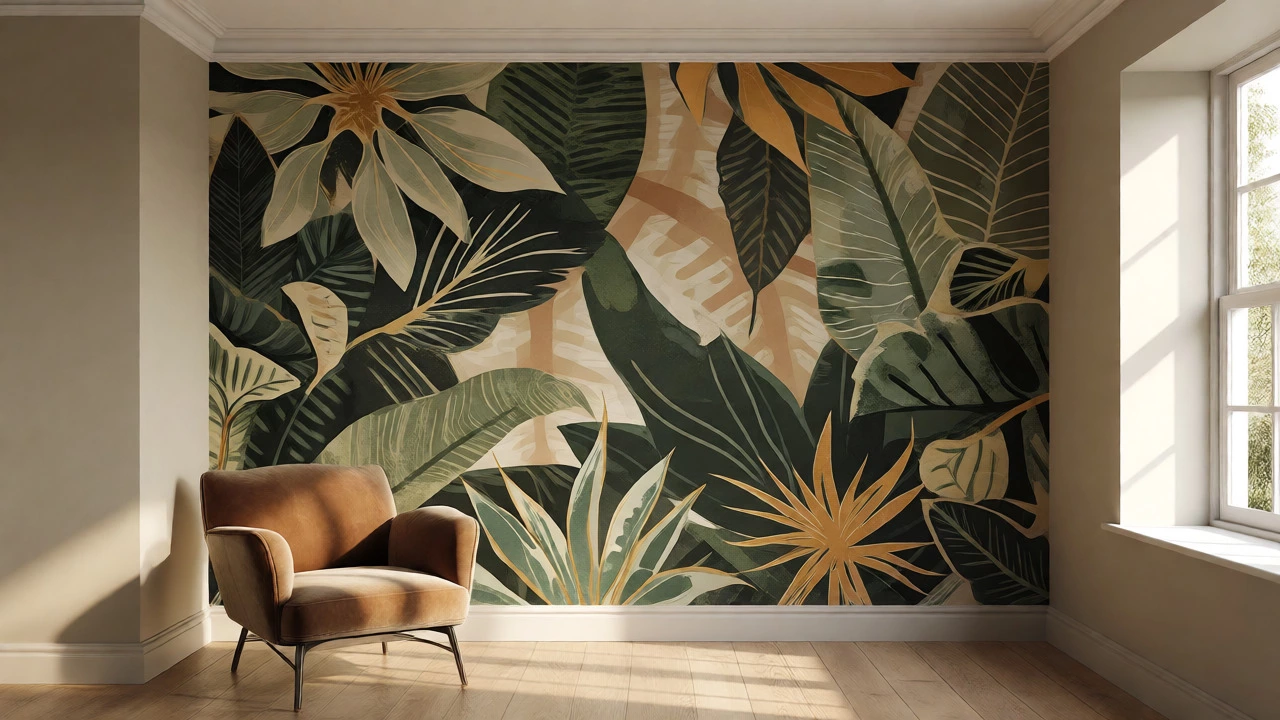
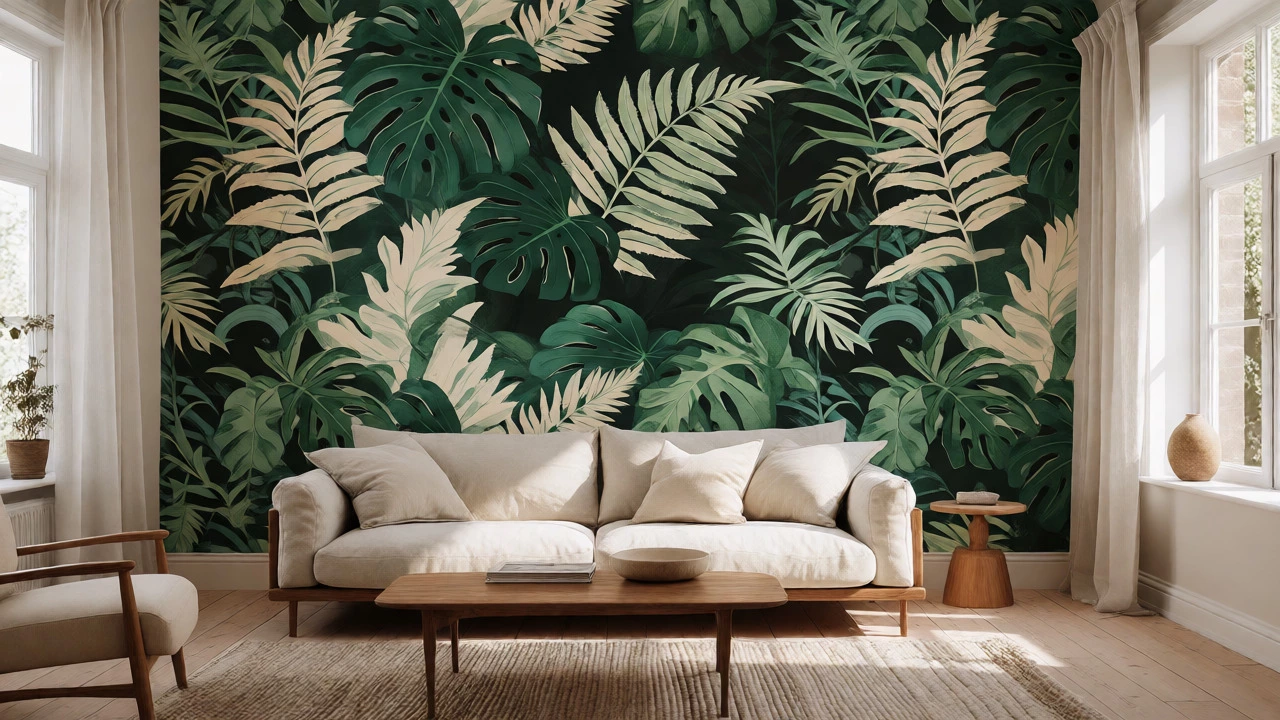
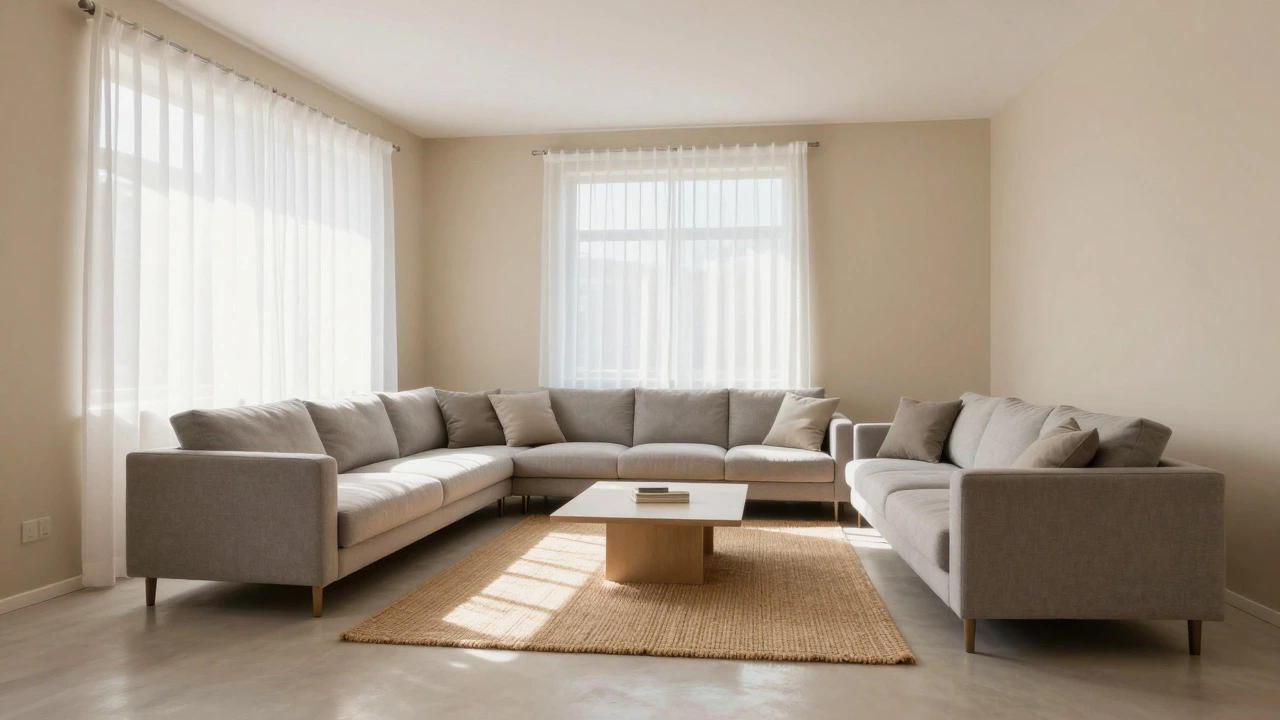
Walk into a room with dark navy walls, bright yellow accents, or bold geometric wallpaper. What do you feel? You probably feel the previous owner's personality. Now imagine walking into a room painted in warm white, soft beige, or light gray. You feel calm. You feel space. You start imagining your own furniture there. That is the difference between a house that sells in weeks and one that sits for months.
Neutral color palettes are paint schemes using whites, beiges, grays, and taupes that create a blank canvas for potential buyers. They remove visual distractions and allow natural light to bounce around the room, making spaces appear larger and airier.Buyers struggle to look past strong colors. A deep forest green might be stunning to you, but to a buyer, it’s just another paint job they’ll have to pay for. When you choose neutrals, you aren’t boring your home; you’re professionalizing it. Think of it as wearing a suit to a job interview. You want the focus to be on your skills (the home’s structure), not your outfit (your decor).
- Living Rooms: Use light greys or warm whites. These colors reflect light and make the room feel open.
- Kitchens: Stick to crisp whites or very light creams. Kitchens should feel sterile yet inviting, like a high-end restaurant prep area.
- Bedrooms: Soft blues or pale greens promote relaxation. Avoid stark whites here, as they can feel clinical.
If you love color, keep it in your storage unit. Bring out your vibrant throw pillows and art only after you’ve sold. The goal is to sell the shell, not the soul.
Decluttering and Depersonalizing
Clutter is the enemy of square footage. When a shelf is packed with books, trophies, and knick-knacks, the eye stops. The brain registers "full." When that same shelf has two carefully placed decorative objects, the eye moves past it. The brain registers "space." Buyers mentally measure rooms by looking at floor space and wall areas. If those are covered, they assume the house is smaller than it is.
Depersonalizing goes hand-in-hand with decluttering. Remove family photos, religious symbols, and political memorabilia. These items anchor the home to you. A buyer seeing your family portrait thinks, "That’s their happy memory." A buyer seeing an empty wall thinks, "I could hang my gallery wall there."
- Purge aggressively: If you haven’t used it in a year, box it up. Donate it, sell it, or store it. Less stuff equals more value.
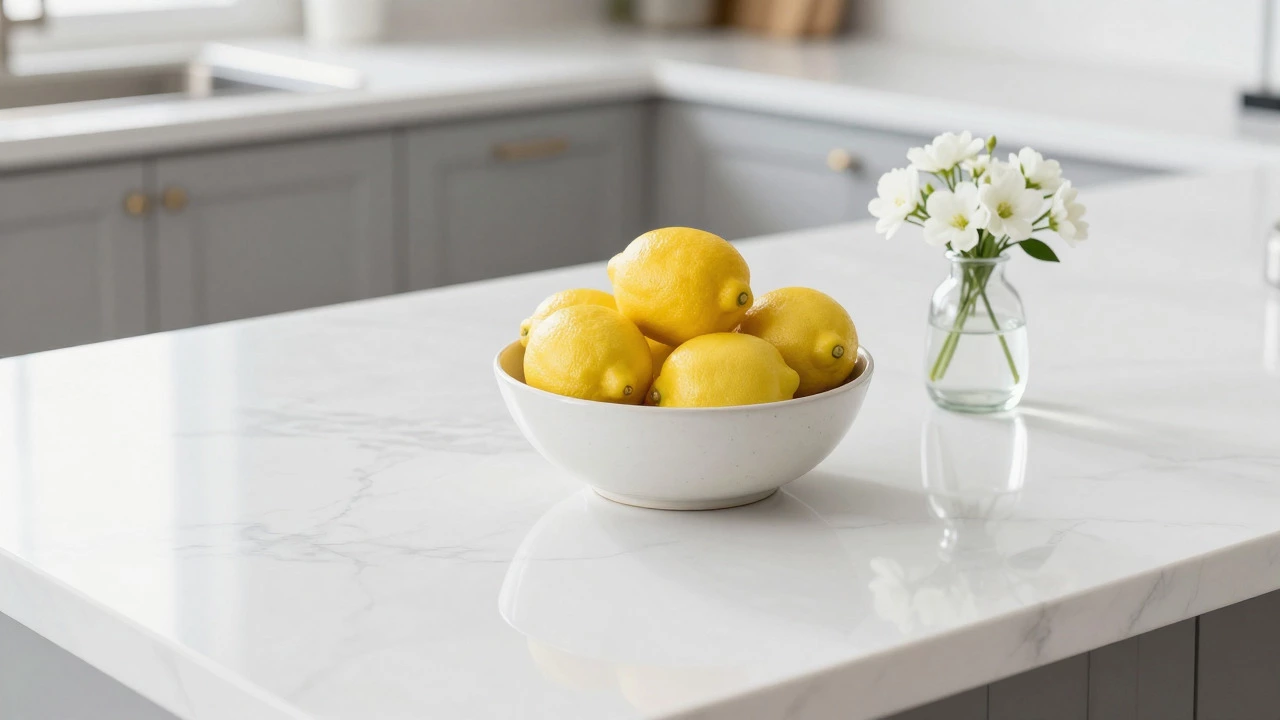
- Clear countertops: Kitchen counters should be bare except for one small appliance (like a coffee maker) and a fruit bowl. Bathroom counters should have nothing but soap and a towel.
- Hide personal items: Take down diplomas, medals, and collections. Keep the home generic enough for anyone to project their life onto it.
This process is emotionally difficult. You are packing up your life. But remember, this is temporary. You are creating a stage for the final act of your ownership.
Strategic Home Staging
Staging is not just decorating; it’s psychological manipulation. Professional stagers know exactly where to place a chair to draw the eye toward a window view, or how to arrange a dining table to make a cramped kitchen feel grand. If you can’t afford a professional, you can mimic their techniques.
Home staging is the art of preparing a property for sale by arranging furniture and decor to highlight its best features. It helps buyers visualize the potential of the space rather than focusing on flaws.Furniture layout is key. Don’t push all sofas against the walls. Create conversation areas. In the master bedroom, treat it like a hotel suite. Lower the headboard if possible, use crisp white linens, and add plush pillows. The bed should look inviting enough to jump into immediately.
Add texture to neutral rooms. A jute rug, a linen throw blanket, and ceramic vases add warmth without adding color chaos. These textures signal quality and care. They tell the buyer, "This home has been loved and maintained."
| Room | Do This | Don't Do This |
|---|---|---|
| Living Room | Arrange seating in a U-shape for conversation | Push all furniture against walls |
| Kitchen | Place fresh flowers and lemons on the counter | Leave dirty dishes in the sink |
| Bathroom | Use new white towels and scented candles | Show personal toiletries and medicine bottles |
| Bedroom | Make the bed with hotel-style corners | Leave clothes on chairs or beds |
Maximizing Natural Light and Brightness
Light is the most valuable resource in real estate. Dark homes feel cold, damp, and mysterious. Bright homes feel safe, clean, and energetic. Before any showing, open every curtain and blind. Turn on every light fixture, even during the day. Layered lighting-overhead, task, and ambient-creates depth and highlights architectural details.
Replace old, dim bulbs with bright, daylight-balanced LEDs (5000K). These bulbs mimic sunlight and make colors pop. Clean your windows inside and out. Dirty windows filter light and make the world outside look dull, which subconsciously affects how buyers perceive the interior.
If a room lacks windows, use mirrors strategically. Place a large mirror opposite a window to double the light entering the room. This trick also makes small spaces feel twice as big. It’s a low-cost, high-impact change that works every time.
Curb Appeal and First Impressions
While we are focusing on interiors, you cannot ignore the exterior. The first impression happens before the buyer steps through the door. If the outside looks neglected, buyers assume the inside is too. Curb appeal sets the tone for the entire showing.
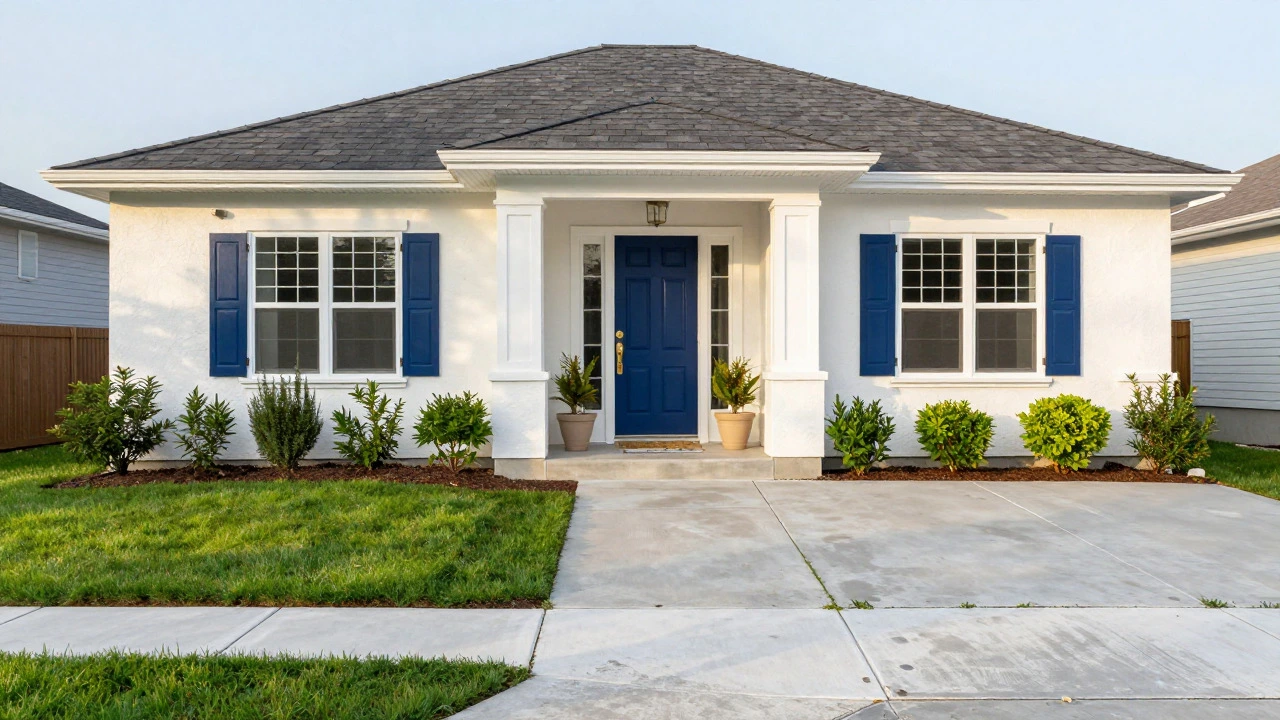
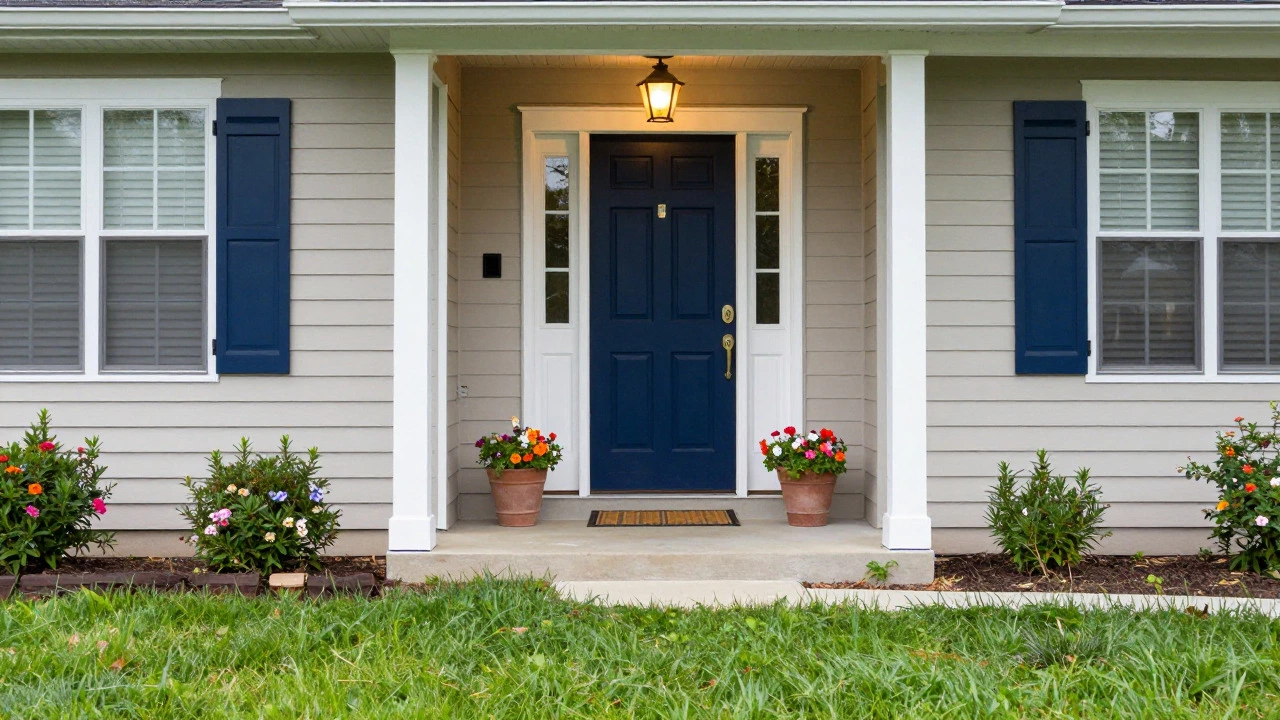
Mow the lawn, trim the hedges, and plant colorful flowers near the entrance. Paint the front door a bold, welcoming color like navy blue or deep red. This single pop of color draws the eye and suggests that the home is well-maintained. Sweep the porch, replace burnt-out porch lights, and ensure the house number is visible and stylish.
Think of your front yard as the cover of a book. If the cover is torn and dirty, no one will read the story inside. Make it irresistible.
Minor Repairs That Matter
Buyers notice flaws. A cracked tile, a dripping faucet, or a sticking door screams "neglect." These minor issues suggest bigger, hidden problems. Fix them before listing. It’s not about perfection; it’s about competence. Show the buyer that you’ve taken care of the home.
- Fix leaky faucets: Water damage is a top fear for buyers. Ensure all plumbing runs smoothly.
- Patch holes: Nail holes from pictures should be filled and painted. Smooth walls look expensive.
- Update hardware: Replace outdated cabinet knobs and drawer pulls. Modern brushed nickel or matte black handles instantly update kitchens and bathrooms for under $100.
These small fixes cost little but yield high returns. They remove objections during negotiations. A buyer won’t ask for $2,000 off if the faucets are already fixed.
Pricing It Right from Day One
All the staging in the world won’t save a bad price. Overpricing is the number one reason homes sit on the market. In today’s market, buyers have infinite choices online. If your price is higher than comparable homes, they scroll past you. Once a home sits for 30 days, it becomes "stale." Buyers wonder what’s wrong with it.
Work with a real estate agent to analyze recent sales in your neighborhood. Price competitively to generate immediate interest. A well-priced home creates urgency. Multiple offers drive the price up naturally. Start fair, end high. Starting high usually ends in disappointment.
How long does it take to prepare a house for sale?
It typically takes 2-4 weeks to fully prepare a home for sale. This includes decluttering, cleaning, painting, minor repairs, and staging. Start early to avoid rushing, which leads to mistakes.
Is professional home staging worth the cost?
Yes, studies show staged homes sell 73% faster than non-staged ones. While it costs money upfront, the faster sale date and potentially higher offer price usually offset the expense. DIY staging is a viable alternative if budget is tight.
Should I renovate the kitchen before selling?
Only if it’s outdated or damaged. Minor updates like painting cabinets, replacing hardware, and deep cleaning are sufficient. Major remodels rarely return 100% of their cost in resale value and may deter buyers who want their own style.
What color should I paint my walls to sell fast?
Stick to neutral tones like Swiss Coffee, Agreeable Gray, or Sea Salt. These colors appeal to the broadest audience and make spaces feel larger and brighter. Avoid bold or trendy colors.
How much does decluttering affect sale speed?
Significantly. Clutter distracts buyers and makes rooms look smaller. Removing excess items allows buyers to focus on the home’s features and imagine their own belongings in the space, leading to faster decisions.