Quick Sale Readiness Calculator
Answer these questions to assess your home's readiness for a fast sale.
You have priced your home correctly. You have listed it on every major portal. Yet, weeks turn into months, and the open houses feel like ghost towns. Why do some homes vanish from the market in days while others linger for half a year? The answer rarely lies in luck. It comes down to psychology, presentation, and strategic preparation.
Selling a house quickly is not about making the biggest profit; it is about removing friction for the buyer. When you strip away the personal clutter and highlight the functional potential of a space, you allow buyers to visualize their own lives within those walls. This guide breaks down exactly what triggers that "yes" decision in a buyer's mind and how you can engineer it yourself.
The Psychology of First Impressions: Curb Appeal
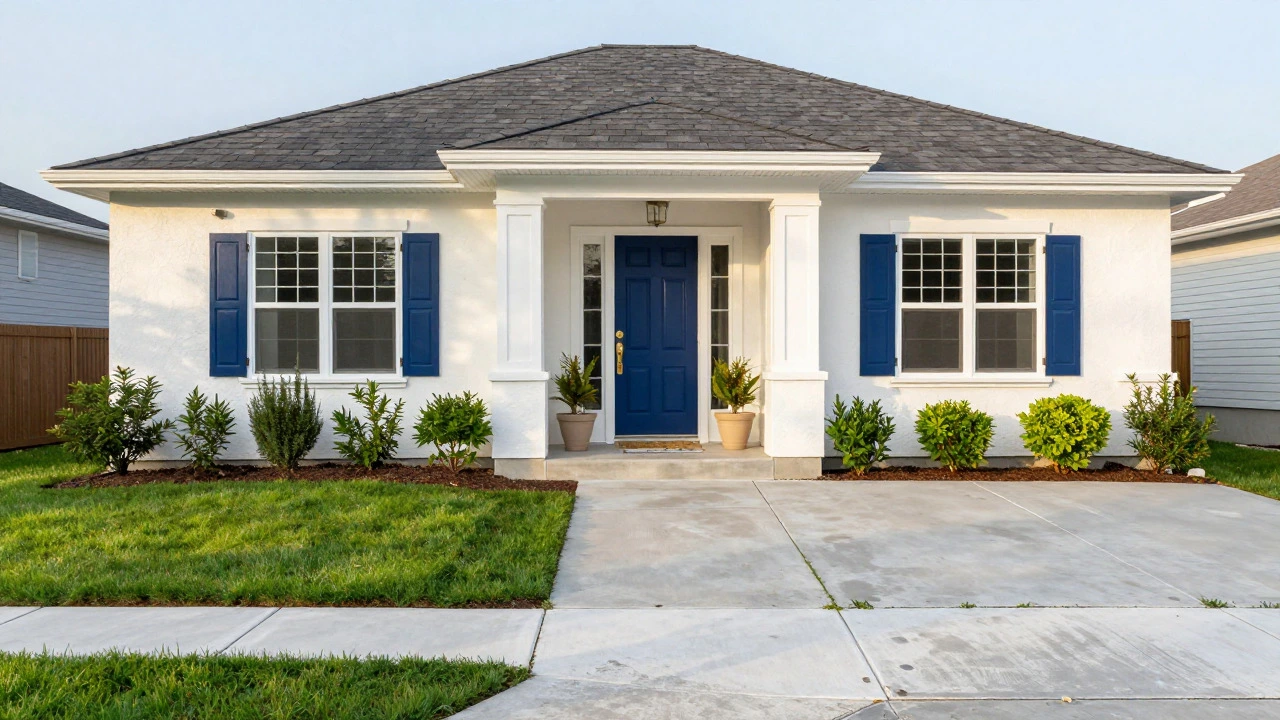
Most buyers decide whether they are interested in a property within the first eight seconds of seeing it. If the exterior looks neglected, they assume the interior is too. Curb appeal is not just about aesthetics; it is a signal of maintenance. A well-kept garden suggests a well-maintained roof and plumbing.
To maximize this impact, start with the front door. Paint it a bold, welcoming color like navy blue or deep green. Ensure the hardware is clean and polished. Next, look at the lawn. Mow it, edge the borders, and remove any weeds. If your landscaping is sparse, add inexpensive potted plants flanking the entrance. These small touches create an immediate sense of order and care.
Do not ignore the driveway and walkways. Power wash them to remove oil stains and algae. Replace broken pavers if possible. These repairs cost very little but significantly increase the perceived value of the home. Buyers subconsciously equate cleanliness with safety and stability.
Depersonalizing and Decluttering: The Blank Canvas Effect
Your home tells your story. But when selling, you need it to tell the buyer’s story. Personal items-family photos, religious symbols, quirky collections-distract buyers. They prevent the buyer from imagining themselves living there. This process is called depersonalization.
Start by removing all personal photographs. Pack away trophies, diplomas, and political signs. Then, tackle the clutter. Clutter makes rooms look smaller and highlights storage deficiencies. Follow the "one-third rule": keep only one-third of your current belongings visible. Store the rest in off-site storage units if necessary.
Focus heavily on high-traffic areas. The kitchen counters should be completely clear except for one decorative item, like a fruit bowl or a vase. Bathrooms must be spa-like, with only essential toiletries hidden away. Mirrors reflect light and make spaces feel larger, so ensure they are spotless and unobstructed.
Strategic Home Staging: Highlighting Functionality
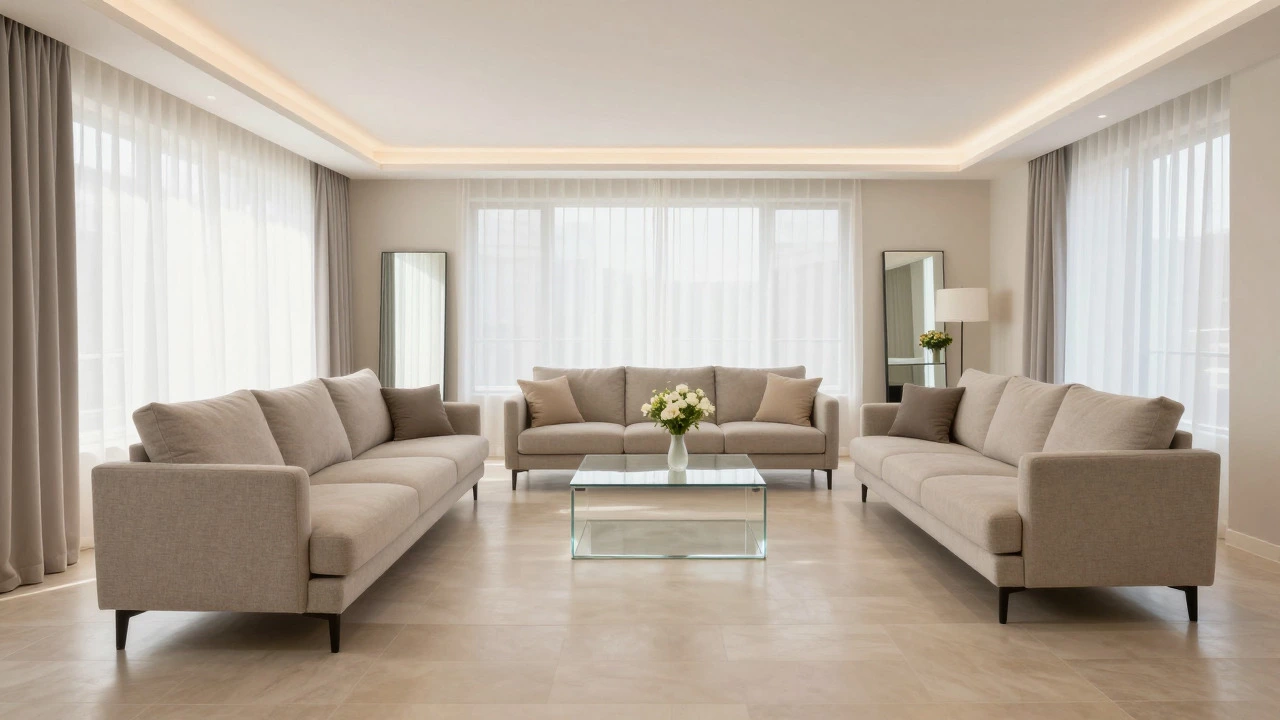
Home staging goes beyond cleaning. It involves arranging furniture to highlight the best features of each room and define its purpose. Empty rooms are hard to sell because buyers cannot gauge scale or function. A staged home feels inviting and complete.
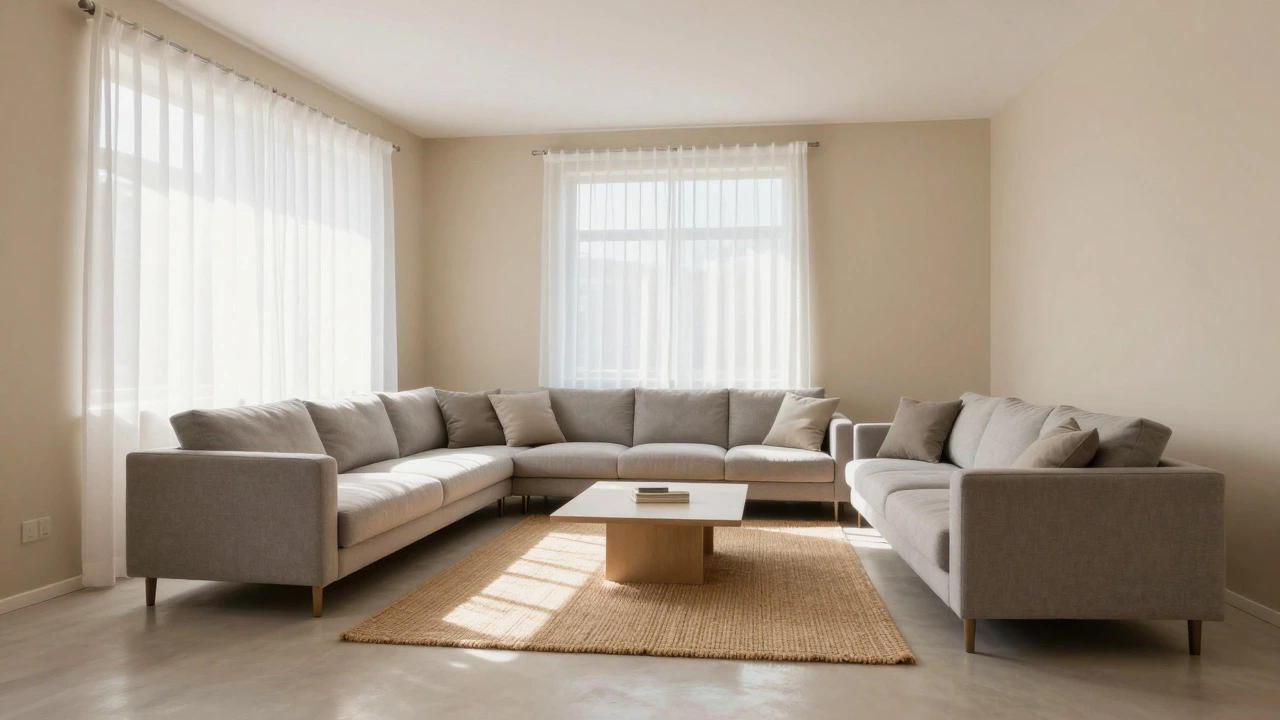
In the living room, arrange seating to face a focal point, such as a fireplace or a large window. Avoid pushing all furniture against the walls, which creates a cavernous, uncomfortable feel. In bedrooms, use neutral bedding and simple decor. The master bedroom should feel like a sanctuary, while secondary bedrooms should suggest versatility-as offices, nurseries, or guest rooms.
If you lack the budget for professional staging, consider DIY solutions. Rent modern, neutral furniture pieces that fit the scale of your rooms. Use warm lighting; replace harsh fluorescent bulbs with soft white LEDs. Open curtains to let in natural light, which makes spaces feel airy and clean. Lighting is perhaps the most powerful tool in staging.
Targeted Repairs and Cosmetic Updates
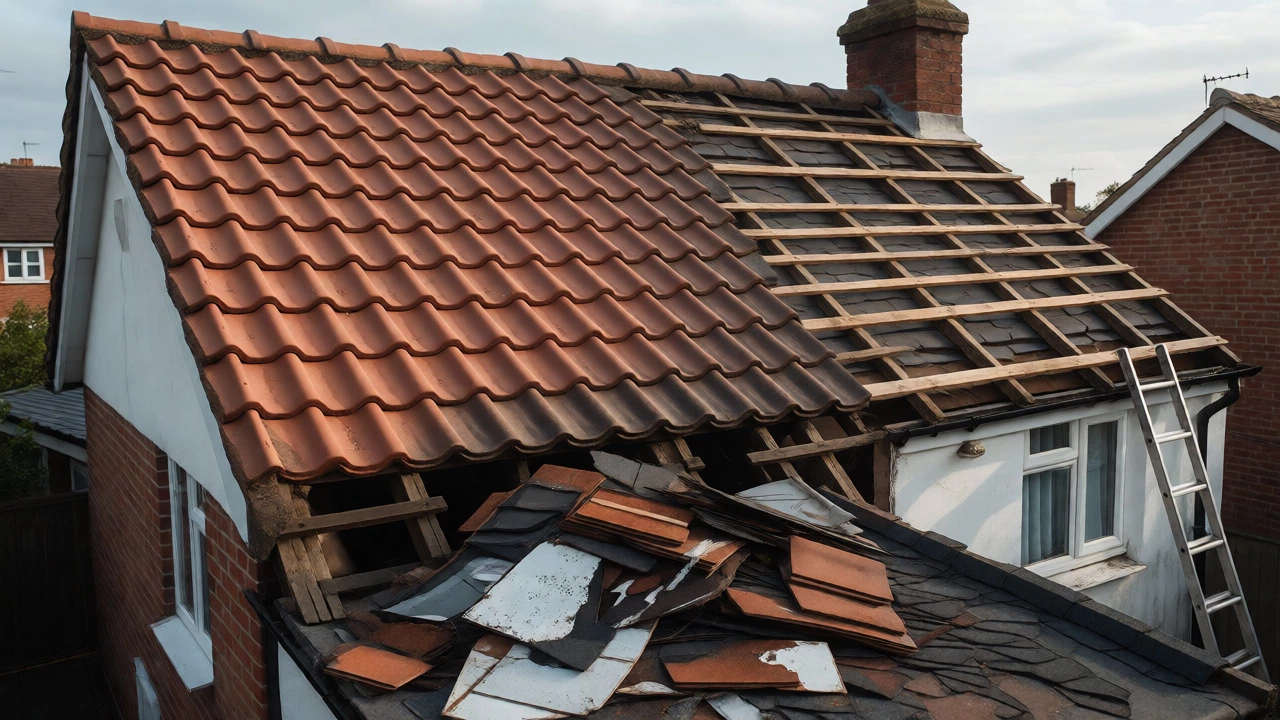
Not every repair adds value, but certain fixes prevent deals from falling through during inspections. Focus on high-return cosmetic updates rather than major renovations. Buyers are wary of homes that require significant work because it introduces uncertainty and additional costs.
Paint is your best friend. Choose neutral colors like "greige," soft whites, or light grays. These colors appeal to the widest audience and make walls appear brighter. Patch any holes in the drywall and sand rough spots before painting. Fresh paint signals a new beginning.
Check all fixtures and fittings. Replace cracked cabinet handles, leaky faucets, and sticking doors. Ensure all lights work. If a ceiling fan is outdated or noisy, replace it with a sleek, quiet model. These minor fixes show that the seller has cared for the property, giving buyers confidence in its overall condition.
Pricing Strategy: The Data-Driven Approach
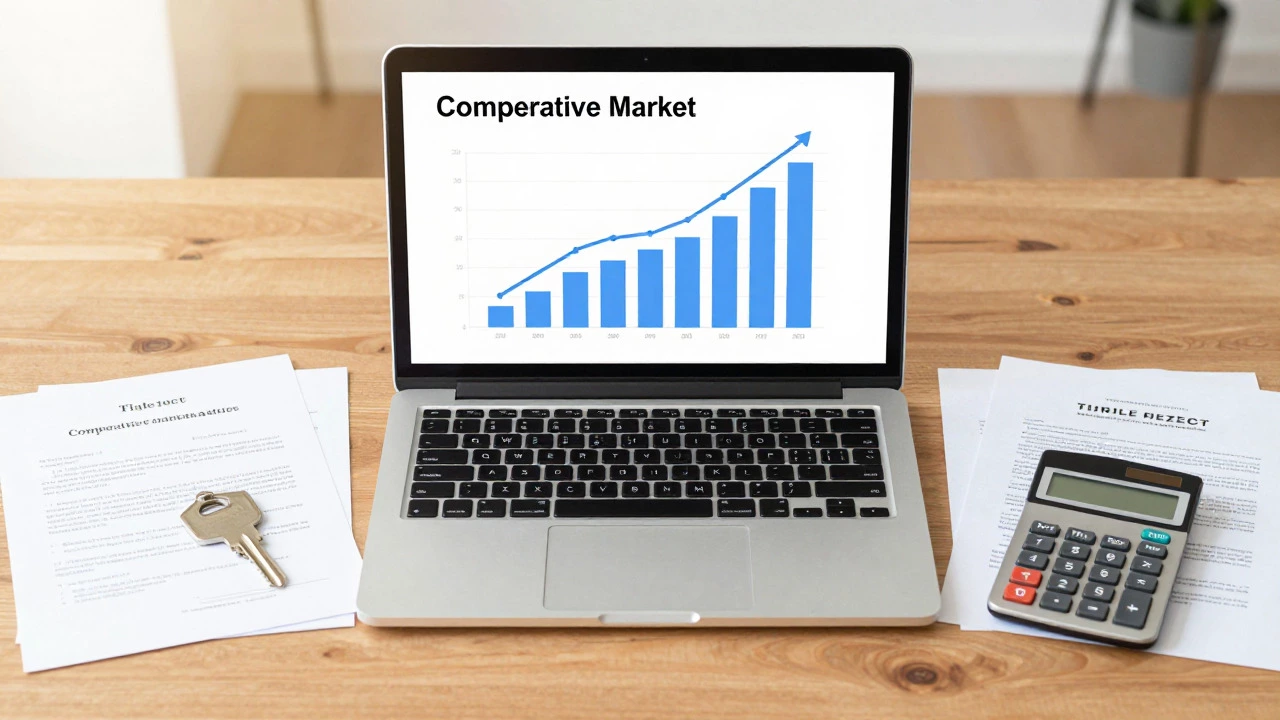
Even the most beautiful home will sit on the market if it is overpriced. Pricing is not an emotion; it is data. Work with your agent to conduct a Comparative Market Analysis (CMA). Look at recently sold homes in your neighborhood with similar square footage, bed/bath counts, and condition.
Avoid pricing slightly above market value to leave room for negotiation. This strategy often backfires, causing the home to age on the market. Once a home sits for more than 30 days, it becomes "stale." Buyers wonder what is wrong with it, leading to lower offers later. Price competitively from day one to generate immediate interest and potentially trigger multiple offers.
In a balanced market, pricing at or slightly below market value can create a bidding war. This urgency drives up the final sale price and speeds up the transaction. Remember, the goal is speed. A quick sale reduces carrying costs, such as mortgage payments, insurance, and utilities.
Professional Photography and Digital Presence
Over 90% of home searches begin online. Your listing photos are the digital equivalent of curb appeal. Poor lighting, blurry images, or wide-angle distortion will cause buyers to scroll past your listing. Invest in professional real estate photography.
Professionals know how to capture the essence of a home. They use tripods, wide lenses, and HDR techniques to balance indoor and outdoor light. Include a video tour or a 3D walkthrough if possible. These tools allow serious buyers to pre-qualify the home mentally before visiting in person, saving time for everyone involved.
Ensure your listing description is compelling and accurate. Highlight key features like hardwood floors, updated kitchens, or energy-efficient windows. Use bullet points for easy scanning. Avoid hyperbole; stick to facts that matter to buyers.
Flexibility and Accessibility
The easiest way to sell fast is to make it easy for buyers to see your home. Be flexible with showing times. Accommodate last-minute requests whenever possible. The more opportunities buyers have to view the property, the higher the chance of finding the right match.
Consider offering a seller concession, such as paying for a home warranty or covering closing costs. This can make your offer more attractive without lowering the actual sale price. It shows goodwill and reduces the buyer’s upfront cash requirements.
Finally, be prepared to move quickly. Have your documents organized, including title deeds, utility bills, and appliance manuals. When an offer comes in, respond promptly. Delays can cool off a buyer’s enthusiasm, especially in competitive markets.
How much does home staging really cost?
Professional staging typically costs between $1,500 and $3,000 for an average-sized home, depending on location and duration. However, DIY staging using rented furniture and decluttering can cost under $500. The return on investment is often significant, as staged homes sell 73% faster than unstaged ones.
Should I renovate my kitchen before selling?
Major kitchen renovations rarely provide a full return on investment. Instead, focus on cosmetic updates: painting cabinets, replacing hardware, updating lighting, and ensuring countertops are clean and undamaged. These changes improve perception without the high cost and risk of full renovation.
What is the best time of year to sell a house?
Spring and early summer are traditionally the best times to sell, as families prefer to move before the school year starts. However, in hot climates like Melbourne, autumn can also be strong. Winter sales are slower but may attract serious, motivated buyers who face less competition.
Does painting my house increase its value?
Yes, fresh neutral paint can increase perceived value and help the home sell faster. It provides a blank canvas for buyers. While it may not directly add dollar-for-dollar value to the appraisal, it prevents lowball offers based on cosmetic neglect. Interior painting is generally more impactful than exterior painting for resale.
How important is professional photography?
Extremely important. Listings with professional photos receive up to 100% more views than those with amateur shots. Since most buyers search online first, poor photos mean your home never gets seen. Good lighting and composition showcase the home’s best features and justify the asking price.